
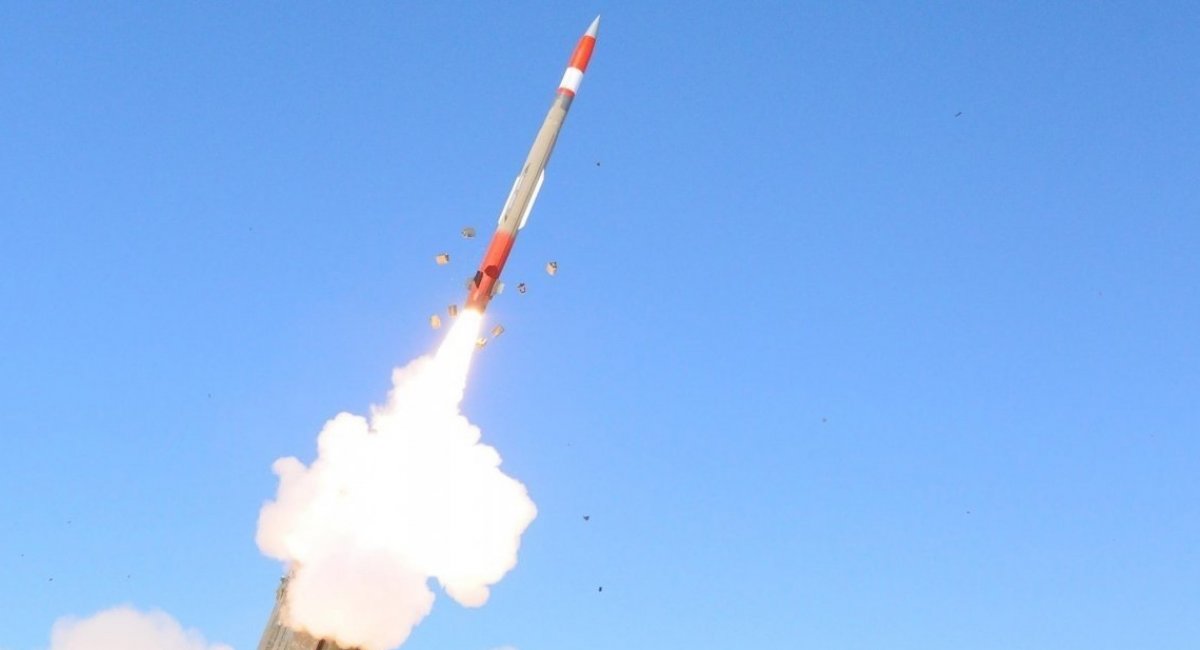
Japan and Indonesia signed a defense cooperation agreement on Monday, May 4, with the signing taking place in the presence of defense ministers Shinjirō Koizumi and Sjafrie Sjamsoeddin. Both sides emphasized the need to ensure peace and stability in the region amid global uncertainty and the current fragile security environment.
Reuters reports that the details of the agreement are fairly broad — Indonesia’s defense minister spoke of arrangements for defense industry cooperation grounded in national interests, while his Japanese counterpart described the agreement as an important milestone and a compass for future bilateral cooperation.
Read more: Burned by Patriot, Switzerland Eyes David’s Sling, KM-SAM II, IRIS-T SLX, SAMP/T NG as Alternatives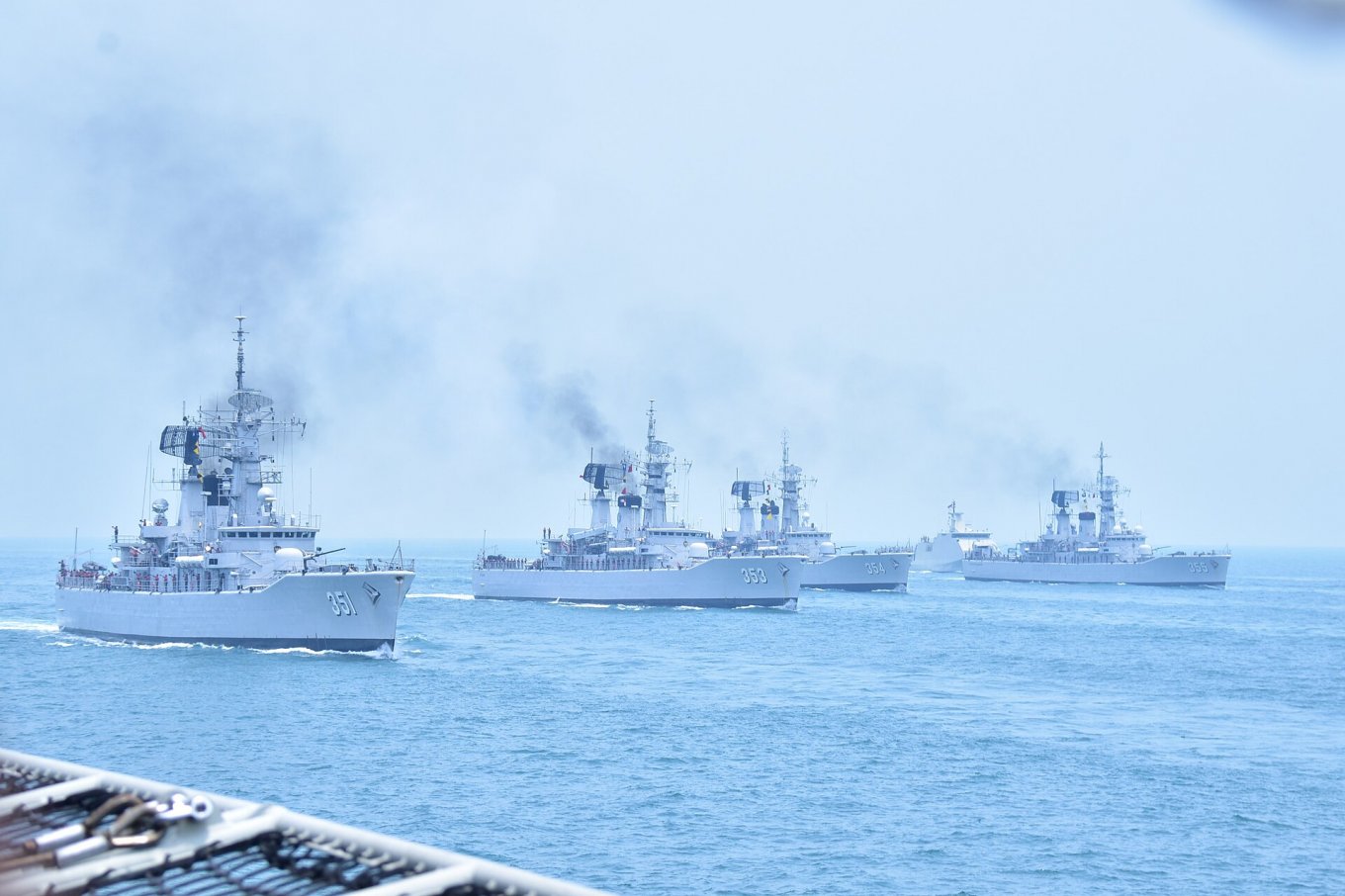 Ahmad Yani-class frigates of the Indonesian Navy / Photo credit: Korps Marinir, TNI Angkatan Laut
A bilateral meeting between the two defense ministers also took place, covering joint military exercises, maritime security, and defense equipment and technology.
This dialogue has been made possible in part by Japan’s landmark and substantial relaxation of its arms export policy, which has led various countries to explore the possibility of acquiring Japanese weaponry, particularly against the backdrop of a global arms shortage and high demand for defensive systems such as air defense.
That said, there remains a significant gap between agreements and actual defense cooperation, and the true depth of Japan–Indonesia defense industry interaction will only become clear over time as concrete contracts are signed. At the same time, given that Ukraine also has stated intentions to work with Japan’s defense industrial base, it is worth asking how critical it is — or is not — that other countries are already beginning to queue up for Japanese weapons.
For now, a trend is emerging: other countries are primarily interested in maritime cooperation with Japan. Last year it was reported that Japan plans to sell Australia 11 Mogami-class stealth frigates; the Philippines has expressed interest in second-hand Abukuma-class destroyers; and Indonesia is eyeing second-hand Oyashio-class diesel-electric submarines. Ukraine, by contrast, has no interest in Japanese warships or submarines — its focus in bilateral cooperation, and specifically in terms of weaponry, lies primarily in air defense.
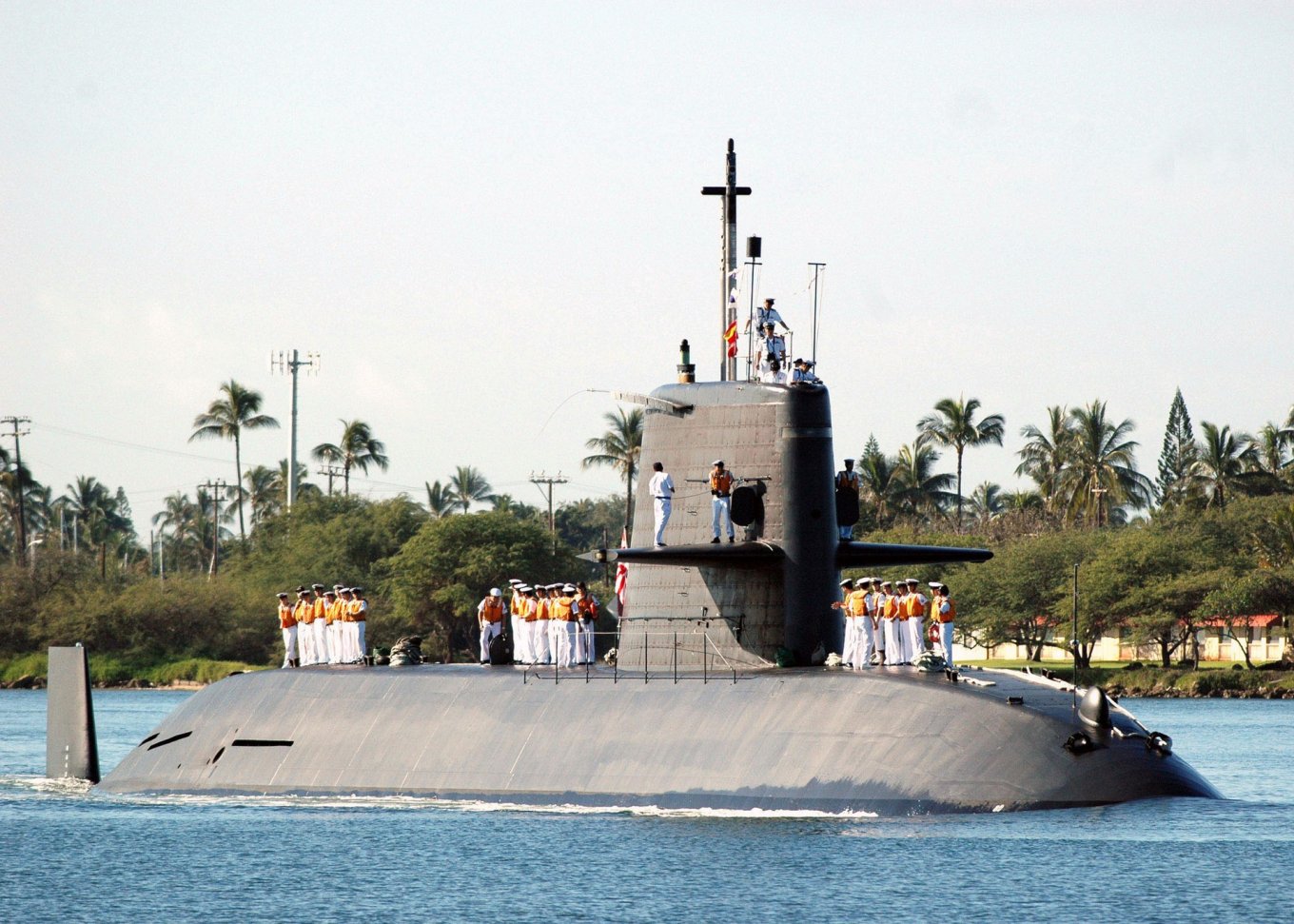 Indonesia is interested in second-hand Oyashio-class submarines / Photo credit: U.S. Navy
Ukraine’s ambassador to Japan, previously stated that in the near term the two sides plan to discuss cooperation on developing a Ukrainian analogue of the Patriot air defense system, which Japan could potentially finance. Japan also produces PAC-3 MSE interceptors under license — missiles that are currently in severe global shortage.
There are important nuances to all of this, however, the most significant being that Japan’s remaining export restrictions include a prohibition on supplying weapons to countries engaged in active conflict. Any discussion of cooperation with Ukraine therefore represents cautious first steps and a search for workarounds.
With this in mind, the fact that other countries are also interested in Japanese weapons is unlikely to be critically significant for Ukraine — especially given that defense cooperation with Japan remains fragile ground and carries a political dimension as much as a military one.
Read more: Ukrainian Drones Strike russian Helicopters, Aircraft, and Depots in Middle Strike Campaign (Video)
AloJapan.com