
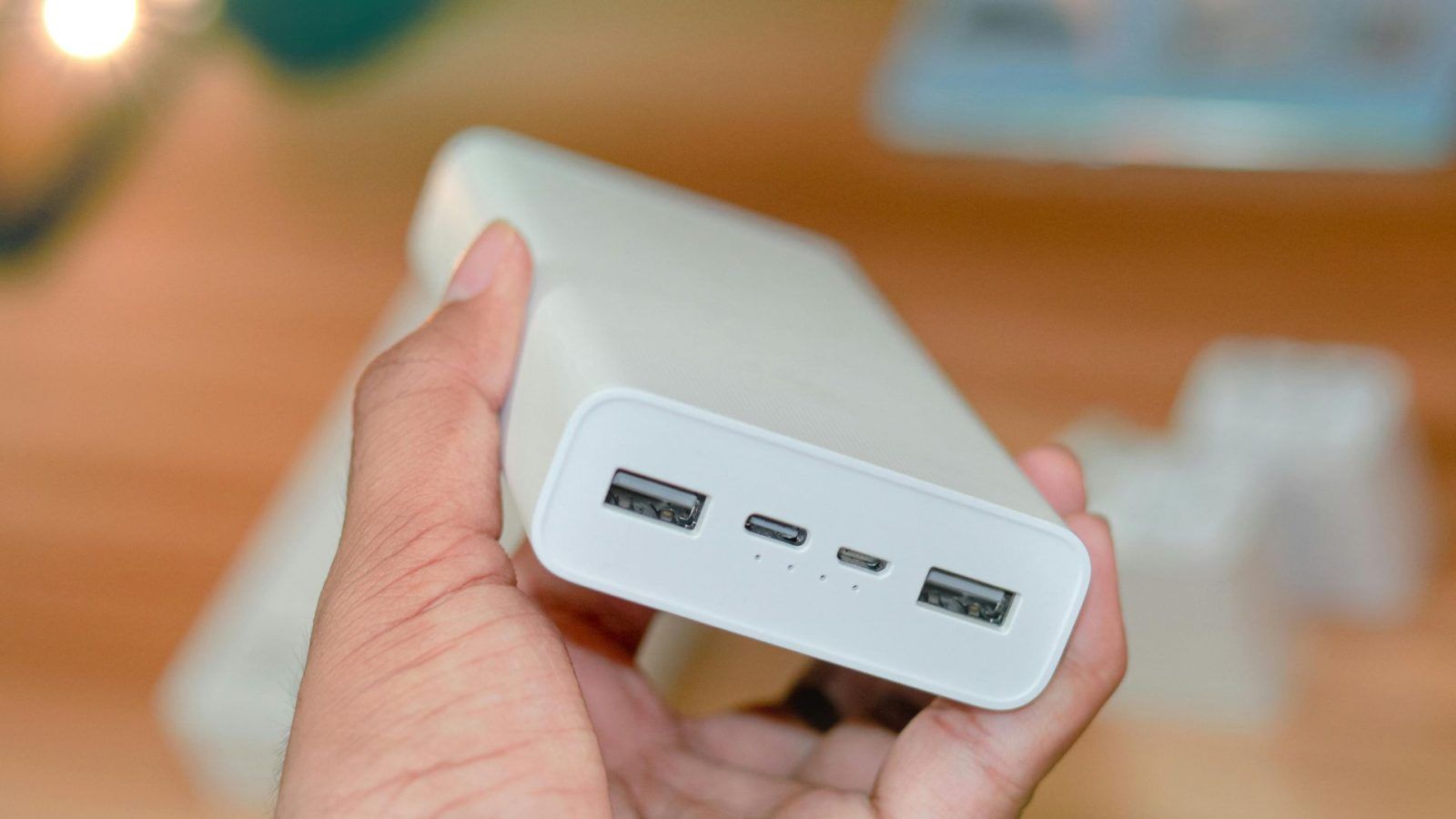
Lithium-ion batteries are prone to occasional overheating in confined cabin environments in aircraft, which triggers the risk of smoke and fire incidents. To counter this, the Ministry of Land, Infrastructure, Transport and Tourism of Japan has announced a new set of rules on all types of portable batteries, including power banks and spare batteries used for camera and video equipment. These rules will be applicable starting April 24, 2026.
Also, check out the revised power bank rules for passengers flying out of Singapore.
How will the new power bank rules impact flights?
Japan’s new power bank rules mandate that travellers can carry a maximum of two power banks in their carry-on baggage – and each power bank should have a capacity of 160 watt-hours or less.
Key points to note include:
During the flight, charging the batteries (via onboard power systems) or using them to charge other devices like smartphones is strictly prohibited.
Batteries with a capacity of up to 100 watt-hours can be carried without quantity restrictions.
Passengers are strictly advised to adhere to the new power bank rules rolled out by Japan. While first-time offenders will receive warnings, repeated or serious offences can lead to hefty fines of up to JPY 1 million (INR 5,81,973.30).
Why is Japan banning power bank usage on aircraft?
Following a surge in lithium-ion battery-related fires onboard aircraft, Japan has imposed strict rules against the usage and carriage of these batteries during air travel. These incidents, often involving laptops, power banks, and phones, are triggered by a self-sustaining, high-heat reaction called thermal runaway, which has forced emergency landings in the past.
(Feature image credit: Evan Mahmud Shuvo/Unsplash)
Related | Why Airlines Are Getting Stricter About Electronic Devices Onboard
Note:
The information in this article is accurate as of the date of publication.
AloJapan.com