
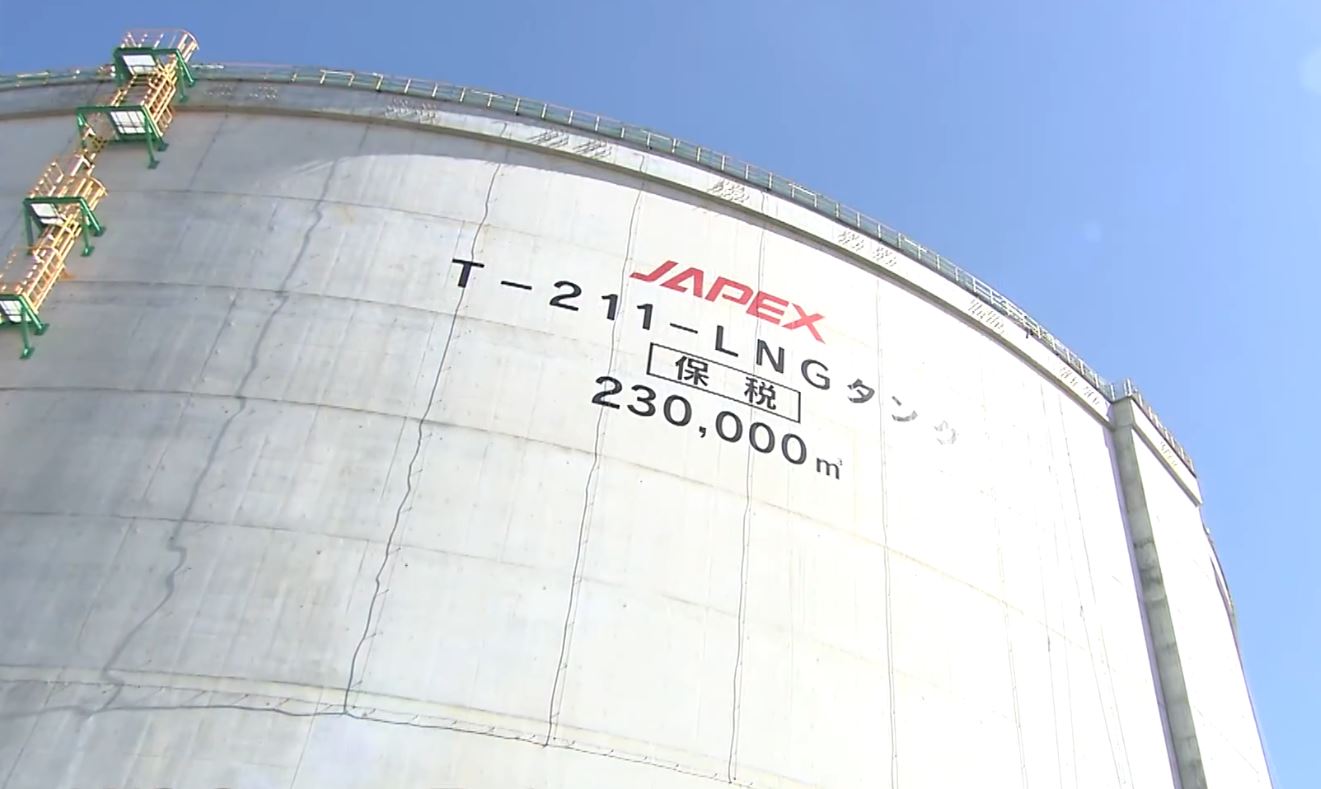
Japex announced this on Friday, providing an update on the impact on its business performance resulting from the escalating tensions in the Middle East.
The company noted that it procures LNG through term contracts and other arrangements to serve as feedstock for natural gas supply and as fuel for power generation at the Fukushima natural gas power plant.
“Currently, due to the ongoing de facto blockade of the Strait of Hormuz, Japex has purchased substitute cargoes on a spot basis from other production areas for two LNG cargoes originally scheduled to be procured from the Persian Gulf in the first quarter of fiscal year 2026,” the company said.
As a result, the procurement cost of LNG is expected to rise “significantly” compared to levels prior to the escalation of tensions in the Middle East, it said.
The company did not provide further details regarding the spot cargoes.
“As from the supplier perspective, there are no concerns that the natural gas or electricity supply will be disrupted, as Japex is implementing the aforementioned alternative procurement measures,” it said.
QatarEnergy recently announced that it expects the damage to its Ras Laffan complex caused by missile strikes to cost about $20 billion a year in lost revenue and to take up to five years to repair, impacting supply to markets in Europe and Asia.
The firm said that it will be compelled to declare force majeure for up to five years on some long-term LNG contracts.
Higher costs could lead to “significant” decline in profits
In addition to LNG supplies, Japex is participating in the Petronas-operated Garraf oil field in southern Iraq through its unit, Japex Garraf.
Currently, production and shipments at the Garraf oil field have been suspended following a force majeure declaration by the Iraqi government, and there is no prospect of resumption, according to Japex.
“Consequently, we cannot anticipate revenue from the project,” it said.
While rising crude oil prices and the weakening of the yen, driven by the escalating tensions in the Middle East, are factors contributing to increased revenue and profits, higher costs from unplanned spot purchases of LNG and the suspension of production operations at the Garaf oil field could lead to a “significant” decline in profits, Japex said.
Moreover, the supply and demand balance for chemical products used in the production operations of domestic oil and gas fields is “tight”, Japex said, adding that if this situation persists, it would drive up operating costs.
AloJapan.com