
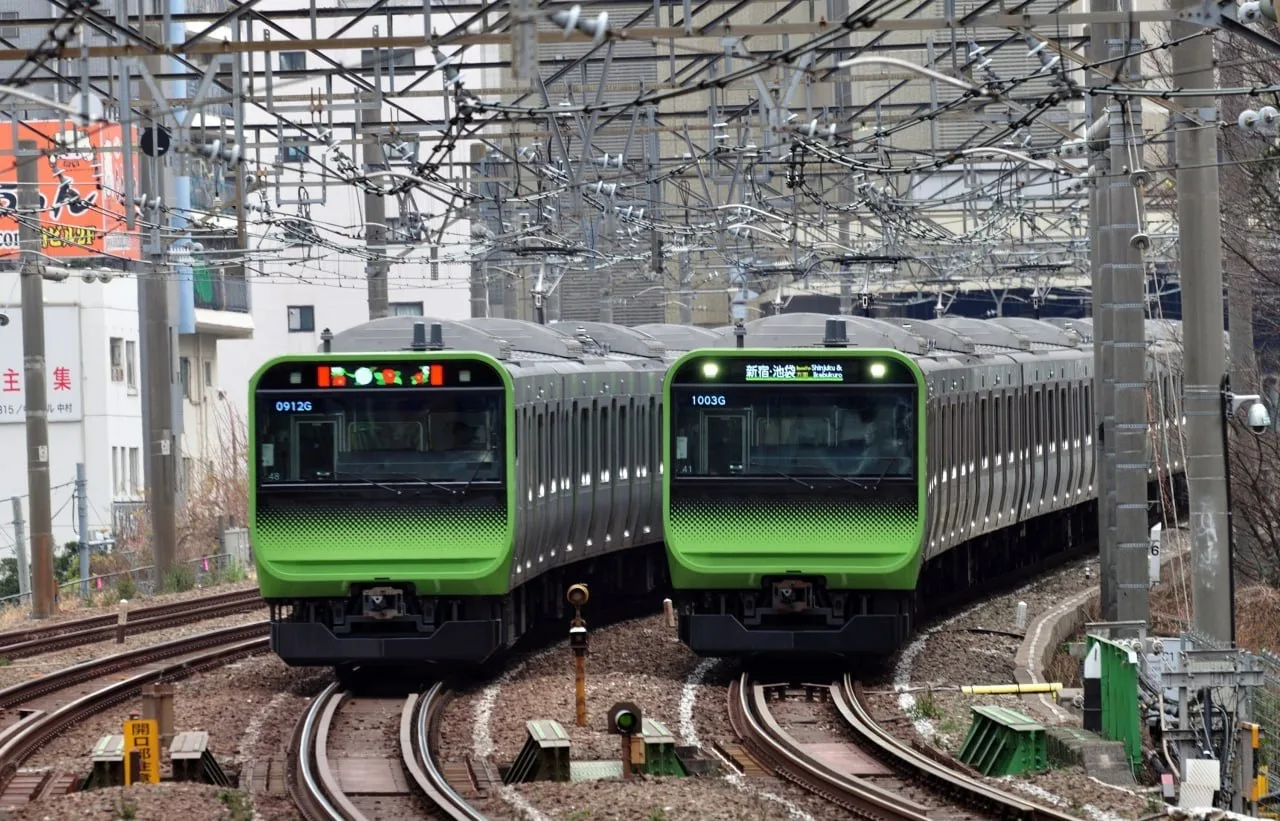
Electric trains on the Yamanote loop line. Source: ChankoChanko/PhotoAC
Savenkova Ekaterina, Editorial Contributor to International Projects of ROLLINGSTOCK Agency
Japan: Passenger operator JR East is developing an intelligent pantograph and overhead contact system (OCS) monitoring solution in partnership with digital systems specialist CalTa. The technology aims to cut train downtime from pantograph faults by 30%.
The system will use fixed cameras on catenary masts and remotely operated drones. AI will analyse real-time pantograph images, automatically alerting the control centre to detected defects. Staff will then deploy drones for remote line inspection, dispatching maintenance teams if OCS faults are confirmed.
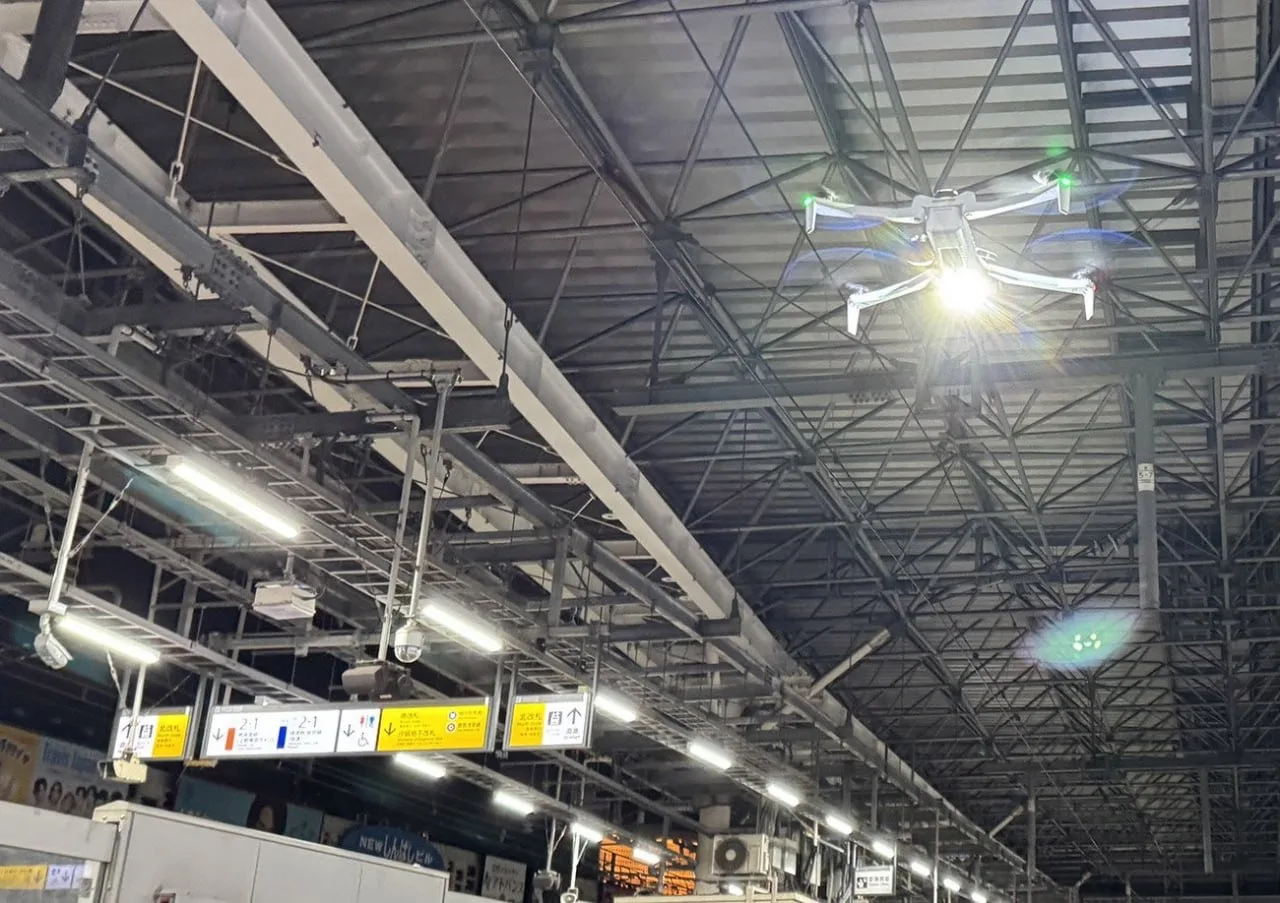 Drone monitoring overhead contact system. Source: JR East
Traditional track walks to locate and resolve faults take around 7 hours, while the new system is expected to reduce this by 2 hours. It will enable detailed inspections at night. Drones will feature collision avoidance with masts and trains, plus geofencing to the rail right-of-way.
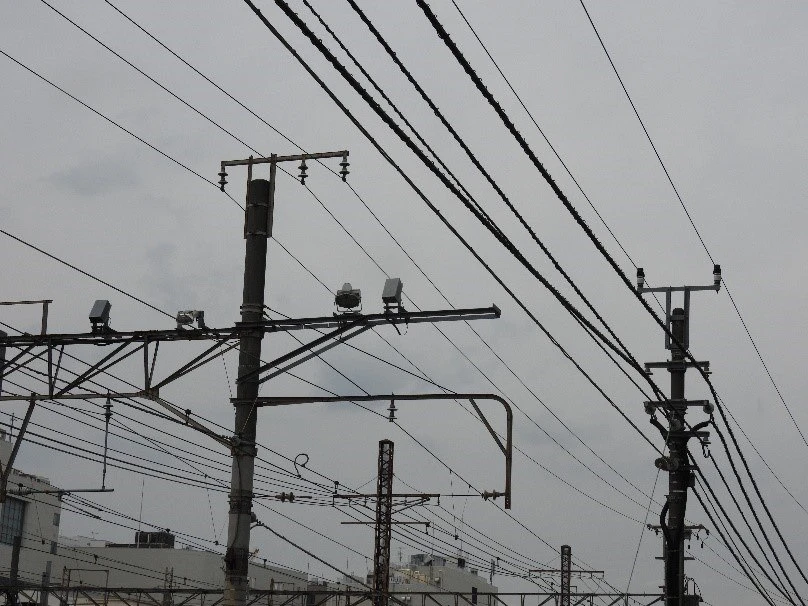 Stationary pantograph and OCS monitoring cameras. Source: JR East
Initial rollout is planned for Tokyo’s Yamanote loop line. A drone track inspection trial took place in January 2026, with pantograph fault detection testing from April and full implementation scheduled for March 2027. JR East plans future expansion to other lines, including Shinkansen.
Follow us on LinkedIn and Twitter!
AloJapan.com