
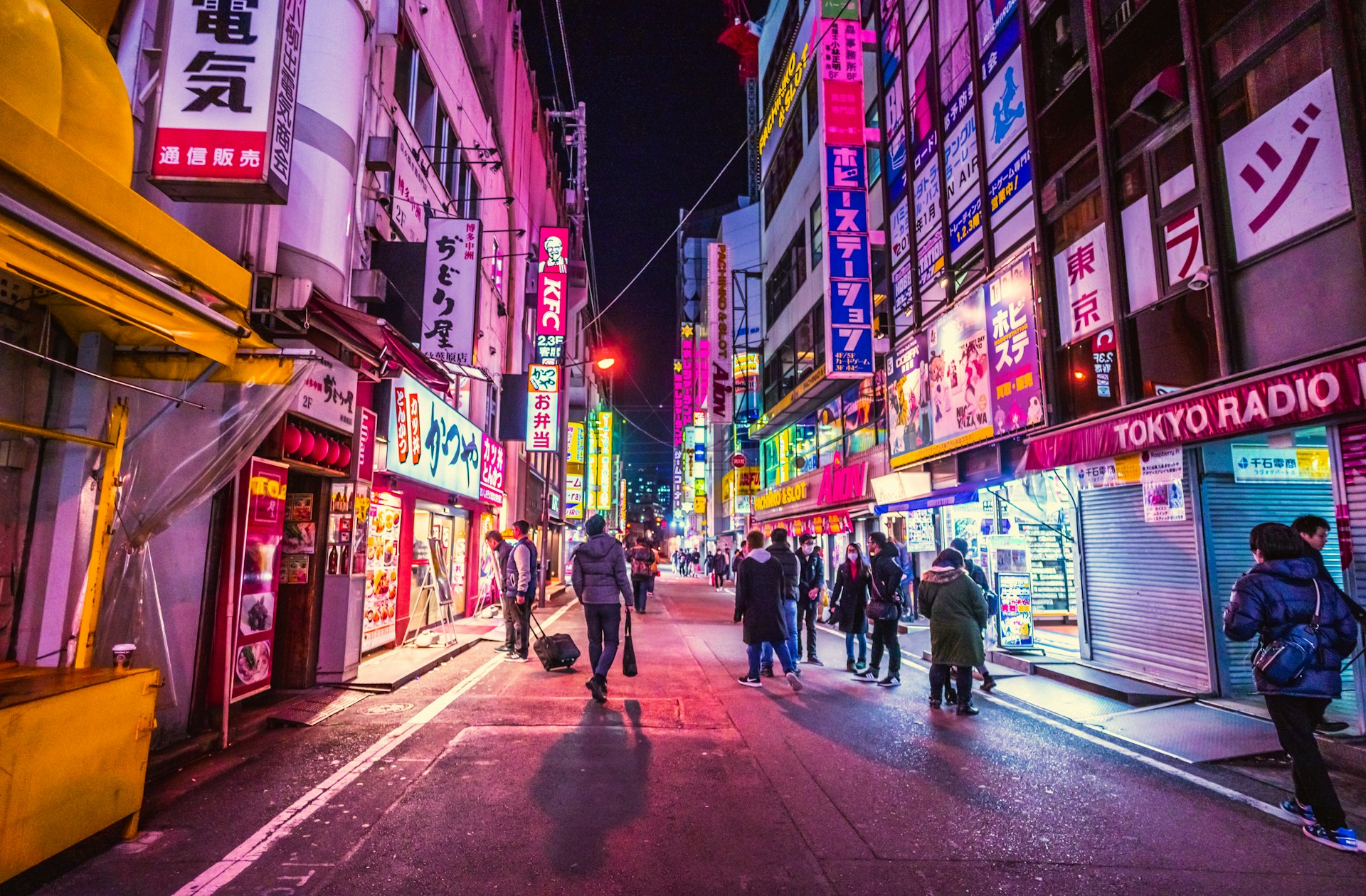
Planning a trip to Japan from the GCC in 2026? You aren’t alone. Driven by premium new flight routes, a weak yen, and unmatched cultural experiences, Middle Eastern tourism to Japan is skyrocketing. But while Japan remains an incredible value, 2026 brings the first major overhaul to its tourist fee structure in over four decades, including new visa costs and a July departure tax hike.
To help you navigate these updates, we’ve compiled the ultimate Japan travel guide for GCC tourists. From clarifying visa requirements for all six Gulf nations to breaking down daily budgets and uncovering the best times to fly, here is everything you need to map out your perfect 2026 Japanese adventure.
Japan Visa Status for GCC Nationals: Who Needs One?
Your passport matters a great deal here. The six GCC nationalities each have a different entry arrangement with Japan — some enjoy visa-free access, others need to apply in advance. Here’s the current picture.
Visa-Free and Streamlined Entry by Nationality
Nationality
Entry Arrangement
Max Stay
UAE
Visa-free for ePassport holders (ICAO-compliant)
90 days
Qatar
Visa Waiver via ePassport registration (valid 3 years, multiple trips)
30 days per visit
Saudi Arabia
eVisa available online via JAPAN eVISA system
Up to 90 days
Kuwait
Visa required — apply at Embassy of Japan in Kuwait
As per visa
Oman
Visa required — apply at Embassy of Japan in Muscat
As per visa
Bahrain
Visa required — apply at Embassy of Japan in Manama
As per visa
If you’re a non-GCC national residing in the UAE, you can apply for a Japan eVisa online through the JAPAN eVISA system, or submit a paper application through VFS Global, which handles Japan visa applications in the UAE. Processing takes a minimum of 8–10 working days.
Qatari Nationals: How the Passport Registration Works
Qatar passport holders have an especially convenient arrangement. Rather than applying for a visa each time, you register your ePassport once with the Embassy of Japan in Qatar. The registration is valid for three years (or until your passport expires) and lets you make unlimited trips to Japan for up to 30 days each time. No per-trip visa application needed.
New 2026 Visa Fees: What Changed in April
Japan overhauled its visa issuance fees on 1 April 2026 — the first revision since 1978. This affects anyone applying for a tourist visa at a Japanese embassy or consulate worldwide.
Visa Type
Old Fee
New Fee (from April 2026)
Single-entry
¥3,000 (~$20)
¥15,000 (~$100)
Multiple-entry
¥6,000 (~$40)
¥30,000 (~$200)
Nationals who are visa-exempt (UAE and Qatar passport holders) are not affected by these fees for tourist visits. For Saudi nationals using the eVisa system and those from Kuwait, Oman and Bahrain applying through embassies, the new rates now apply. For full details, see our dedicated article: Japan Is Raising Visa and Travel Fees in 2026: Here’s How Much You’ll Be Paying.
Heads up: Japan’s International Tourist Tax (the departure tax) is increasing from ¥1,000 to ¥3,000 (~$20) from July 2026 onwards. If you’re flying out of Japan after July, factor this into your budget. Children under 2 and transit passengers are exempt.
Flights from the GCC to Japan in 2026
Connectivity between the Gulf and Japan has never been better. 2026 is a particularly strong year for direct routes, with Emirates expanding capacity and Etihad launching a premium new service. Here’s what’s flying and where you can board.
From Dubai (DXB)
Emirates is the dominant carrier on this route. From Dubai International Airport, the airline operates both:
Daily flights to Tokyo Narita (NRT) — with a second daily flight added from 1 May 2026, bringing total weekly seats to over 22,500 across its Japan network
Five weekly flights to Tokyo Haneda (HND), which is closer to central Tokyo
Japan Airlines also offers flights from Dubai via its codeshare arrangement with Emirates, allowing you to book under the JAL flight code with Japan’s renowned in-flight service standards. Search and compare all options on Wego’s Tokyo flights page.
From Abu Dhabi (AUH)
Etihad Airways is making a major upgrade to its Japan service in 2026. From June 2026, Etihad operates the Abu Dhabi–Tokyo Narita route on the Airbus A380 as a daily service — departing Abu Dhabi in the evening and landing in Narita the next afternoon. This makes it one of the most premium direct options from the Gulf. Find fares on Wego: flights to Tokyo from Abu Dhabi.
From Doha (DOH)
Qatar Airways operates between Hamad International Airport and Tokyo. Note that Qatar Airways has been operating on a restored schedule following earlier disruptions in 2026, so it’s worth checking the latest availability on the airline’s website or through Wego before booking.
From Riyadh (RUH) and Other Saudi Cities
There are no current direct flights between Saudi Arabia and Japan. Travellers from Riyadh, Jeddah, or Dammam typically connect through Dubai (EK), Abu Dhabi (EY), or Doha (QR). The good news: these connections are seamless, and prices remain competitive. Check current fares on Wego’s Tokyo flights search.
For a full breakdown of the best fares, booking windows, and budget airline options, see our detailed guide: Cheap Flights to Tokyo in 2026: Best Deals, Routes & Booking Tips.
Key Airports in Japan
Airport
Serves
GCC Routes
Narita (NRT)
Tokyo region
Emirates (Dubai), Etihad (Abu Dhabi), JAL (Dubai)
Haneda (HND)
Tokyo (closer to city centre)
Emirates (Dubai)
Kansai (KIX)
Osaka, Kyoto, Nara
Connect via Tokyo or Southeast Asia
What Does Japan Cost in 2026? Budget Breakdown for GCC Travellers
Japan has a reputation for being expensive, but the reality in 2026 is more nuanced. The yen remains weak — hovering around ¥158–160 to USD 1 — which makes Japan considerably more affordable than it was five years ago. A mid-range traveller spending carefully can have a very comfortable trip.
Daily Budget Estimates
Travel Style
Daily Budget (per person)
What It Covers
Budget
¥12,000–18,000 (~$80–120)
Hostel, convenience store meals, public transport
Mid-range
¥25,000–40,000 (~$165–265)
Business hotel, restaurant meals, some day trips
Luxury
¥60,000+ (~$400+)
Boutique hotels, fine dining, private experiences
New 2026 Costs to Build Into Your Budget
Visa fee (if applicable): ¥15,000 (~$100) for a single-entry tourist visa — a sharp increase from the previous ¥3,000. UAE and Qatar passport holders are exempt.
Departure tax (from July 2026): ¥3,000 (~$20) per person, up from ¥1,000. Applies to all international travellers leaving Japan.
IC Suica or Pasmo card: ¥500 deposit + budget ¥3,000–5,000 for a week of city transport. Works on virtually all trains and buses in Tokyo and Osaka.
Japan Rail Pass: If you’re visiting multiple cities, the JR Pass can save significantly. Book before you depart — it cannot be purchased inside Japan.
For the full breakdown of what changed and why, read: Japan Is Raising Visa and Travel Fees in 2026: Here’s How Much You’ll Be Paying.
Accommodation Costs
Hotels in Tokyo range from clean budget options around ¥6,000–8,000 per night (~$40–55) to luxury five-stars well above ¥50,000. Kyoto hotels tend to be slightly pricier due to demand, especially during cherry blossom and autumn foliage season. Book at least 3–4 months in advance for peak season travel. For Osaka hotels, prices are generally more accessible than Tokyo or Kyoto, making it a good base for a first visit.
When to Go: Best Times for GCC Travellers in 2026
Japan has two exceptional travel windows, and the rest of the year has its own merits too. Here’s how each season stacks up for someone travelling from the Gulf.
Spring: Cherry Blossom Season (Late March – Early April)
This is Japan at its most iconic. Cherry blossom (sakura) typically peaks across Tokyo and Osaka between late March and early April. In 2026, full bloom in Tokyo was around 27 March, while Kyoto reached peak bloom around 1 April — slightly earlier than average due to warmer spring temperatures.
The catch: this is peak tourist season. Hotels in Tokyo and Kyoto book up months in advance, and prices spike. If cherry blossoms are the goal, plan at least 4–5 months ahead and book flights and accommodation simultaneously.
Autumn: Foliage Season (Late October – Mid-November)
Many seasoned travellers consider autumn the superior season. Temperatures are comfortable (15–22°C), crowds are smaller than spring, and the red-and-gold foliage across Kyoto’s temple gardens and Nikko’s mountain paths is genuinely stunning. For GCC travellers escaping the Gulf summer heat, an October or early November trip offers perfect weather with fewer crowds than sakura season.
Avoiding Peak Domestic Holidays
Avoid these periods if you can — domestic travel surges, prices rise, and popular sights become very crowded:
Golden Week: 29 April – 6 May
Obon: Mid-August (13–16 August)
New Year: 28 December – 4 January
Summer and Winter
Japan in summer (July–August) means heat, humidity, and crowds — not ideal. Winters (December–February) are cold but pleasant, with good skiing in Hokkaido and Nagano and dramatically fewer tourists at major sights. January and February are among the cheapest months to fly and stay, making them excellent value windows if you don’t mind layering up.
Travel Tips for GCC Residents in Japan
Japan is one of the easiest long-haul destinations to navigate, but a few practical points will make your trip noticeably smoother.
Getting Around Japan
Japan’s rail network is extraordinary. The Shinkansen (bullet train) connects Tokyo to Osaka in about 2.5 hours and to Hiroshima in around 4 hours. For multi-city trips, the Japan Rail Pass (purchased before you travel) is excellent value — it covers unlimited travel on most JR lines including Shinkansen. For city travel, load a Suica or Pasmo card at any major station.
Food and Dietary Needs
Japan’s food scene is world-class, but navigating dietary requirements takes some planning. For halal-certified restaurants, Tokyo has 100+ options, concentrated in Shinjuku, Shibuya, and Asakusa. The Japan National Tourism Organization publishes a Muslim-friendly travel guide with restaurant listings and prayer facilities. Apps like Halal Navi and Halal Gourmet Japan are worth downloading before you go.
For travellers without dietary restrictions, the variety is extraordinary — sushi, ramen, wagyu beef, tempura, kaiseki. Convenience stores (7-Eleven, Lawson, FamilyMart) are genuinely excellent for fast, affordable meals under ¥800.
Connectivity and SIM Cards
Pick up a prepaid data SIM at the airport on arrival (Narita and Haneda both have multiple vendors). eSIM options are widely available for those with compatible phones and are often the simplest route. Japan has very good 4G/5G coverage across all major cities. Free Wi-Fi is available at many convenience stores and tourist attractions, but a SIM removes the dependency entirely.
Cash vs Cards
Japan remains more cash-reliant than the GCC. Smaller restaurants, temples, some public transport, and rural shops often don’t accept cards. Carry ¥20,000–30,000 in cash at all times — 7-Eleven ATMs reliably accept international cards and are widely available. Major hotels and department stores accept Visa and Mastercard.
Language
English signage is excellent in major tourist areas and all large train stations. Google Translate’s camera feature handles menus and signs well. English-speaking staff are common at hotels, airports, and major attractions — but rarer in smaller restaurants and rural areas.
Prayer Facilities
Narita, Haneda, and Kansai International Airport all have dedicated prayer rooms. In central Tokyo, Tokyo Camii in Shibuya is Japan’s largest mosque with beautiful Ottoman architecture and welcoming facilities. Many major shopping centres and tourist complexes now include multi-faith prayer rooms.
Frequently Asked Questions
Do UAE nationals need a visa for Japan in 2026?
No. UAE nationals holding an ICAO-compliant ePassport can enter Japan visa-free for up to 90 days. If your passport does not have the IC chip (older passport books), you will need to apply for a visa in advance.
Can Saudi nationals apply for a Japan visa online?
Yes. Saudi nationals can apply through the official JAPAN eVISA system online. The single-entry tourist visa allows stays of up to 90 days. The new visa issuance fee of ¥15,000 (~$100) applies from April 2026.
Is the Japan departure tax new in 2026?
Japan’s International Tourist Tax has been in place since 2019, but it is increasing from ¥1,000 to ¥3,000 (~$20) per person from July 2026 onwards. It is included in your airfare automatically by airlines for departing flights.
What is the cheapest time of year to visit Japan from the GCC?
January and February offer the lowest airfares and hotel rates, making them excellent value. Late May through early June (after Golden Week) is also good value with pleasant weather. Avoid cherry blossom season (late March to early April) if budget is a priority — prices spike significantly.
Are there direct flights from Saudi Arabia to Japan?
There are currently no direct flights from Saudi cities to Japan. Travellers from Riyadh, Jeddah, or Dammam connect through Dubai (via Emirates), Abu Dhabi (via Etihad), or Doha (via Qatar Airways). Flight times with a connection are typically 14–17 hours total.
Sources
Nippon.com — Japan Welcomes Record 42.7 Million International Visitors in 2025
Ministry of Foreign Affairs of Japan — Exemption of Visa (Short-Term Stay)
Ministry of Foreign Affairs of Japan — JAPAN eVISA System
Embassy of Japan in Qatar — Visa Waiver Passport Registration for Qatari Nationals
Japan Today — Japan to Raise Visa Fees and Departure Tax in 2026
Envoy Global — Japan Update Visa Fees Effective April 2026
Emirates Media Centre — Emirates Introduces Second Service to Tokyo Narita (May 2026)
Aerospace Global News — Etihad to Add Tokyo to Its A380 Route Network from June 2026
Japan National Tourism Organization — Cherry Blossom Forecast 2026
Japan National Tourism Organization — Muslim-Friendly Tourism Guide
VFS Global — Japan Visa Applications in the UAE
Disclaimer: Wego strives to ensure all information presented in this article is accurate and up to date at the time of publication. Travel policies, prices, visa requirements, and conditions can change rapidly. We strongly recommend verifying critical details with official sources before making travel decisions. Wego does not accept liability for any inaccuracies, oversights, or changes that may occur after publication.
AloJapan.com