
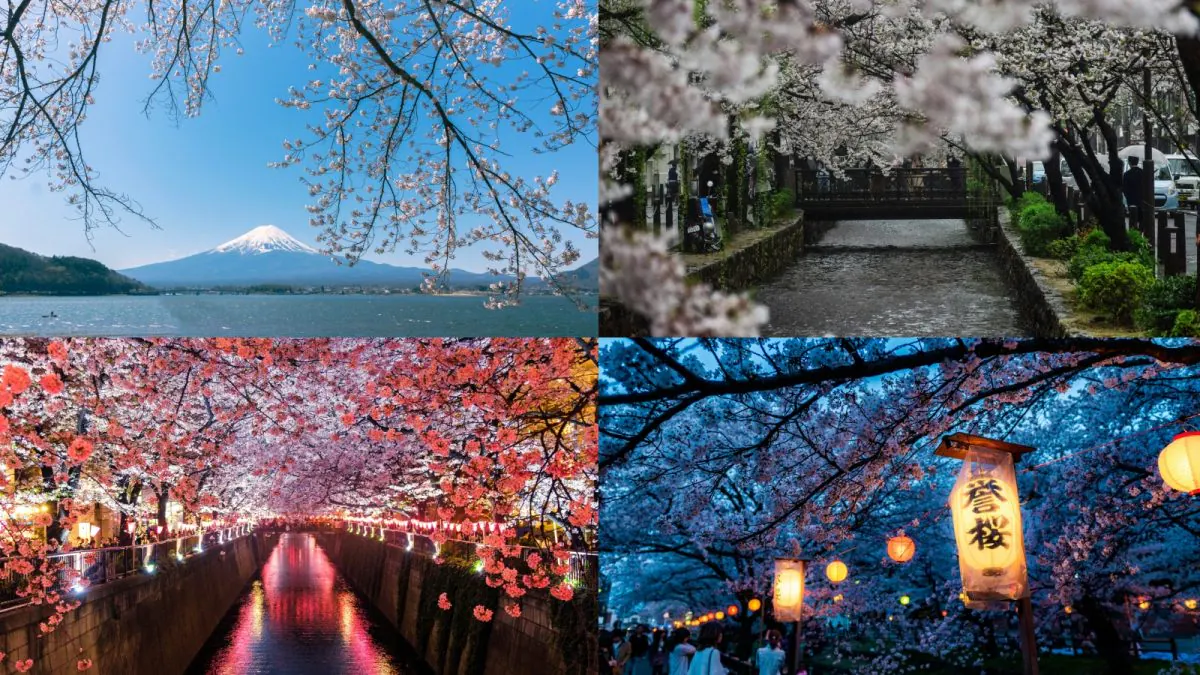
Japan’s cherry blossom season is one of the most celebrated cultural events in the country. It marks the arrival of spring and unfolds between March and May. (Image: Unsplash)
The cherry blossom festival in Japan is a centuries-old tradition, where people gather under blooming sakura trees for picnics, celebrations, and magical nighttime yozakura illuminated viewing. (Image: Unsplash)
In 2026, the season began in mid-March in southern regions, reaching Tokyo around March 19 and full bloom by late March. (Image: Unsplash)
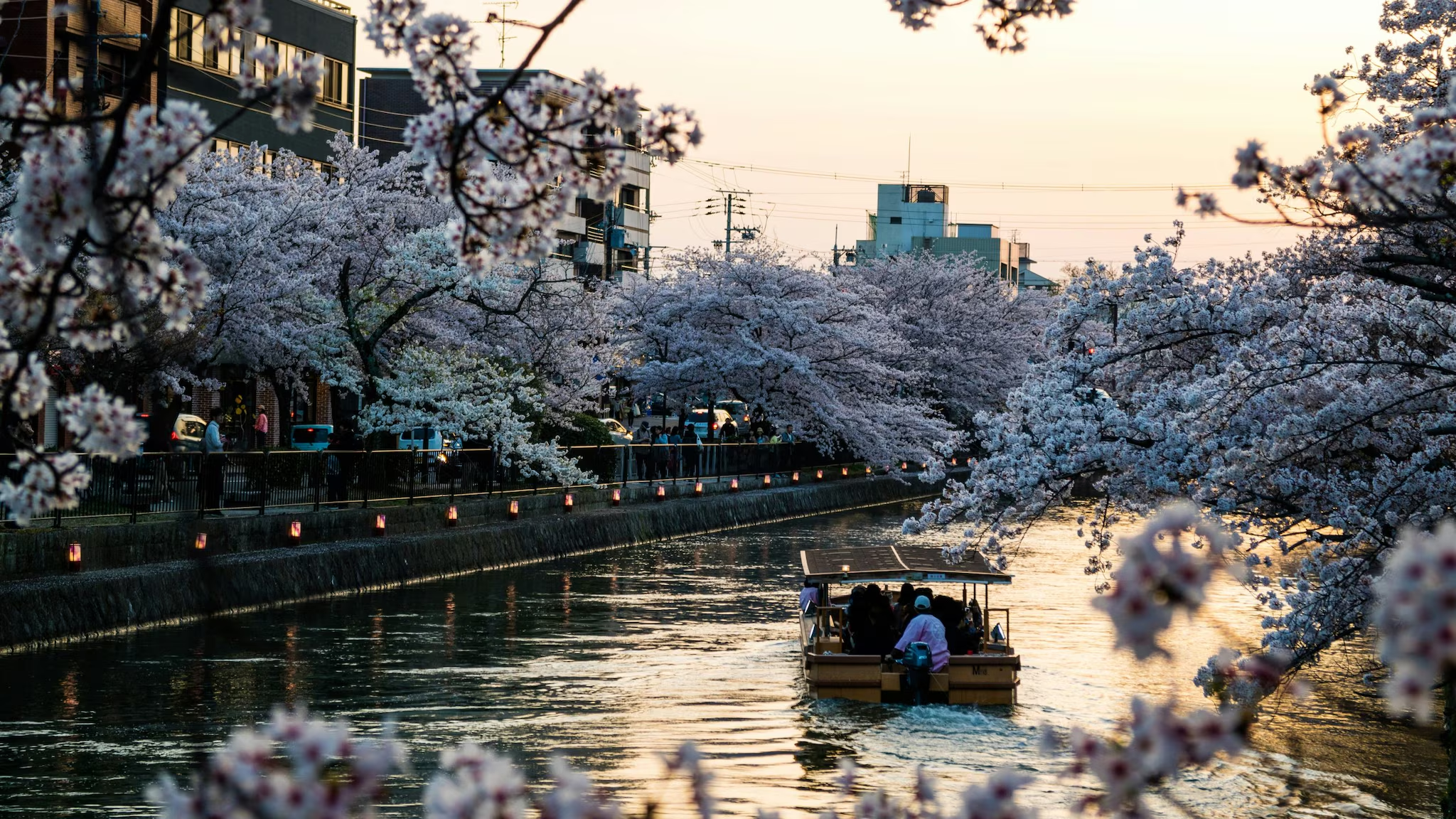
While there are more than 100 varieties, the Somei Yoshino is the most popular variety of Sakura. Its flowers are nearly white with a hint of pink. (Image: Unsplash)
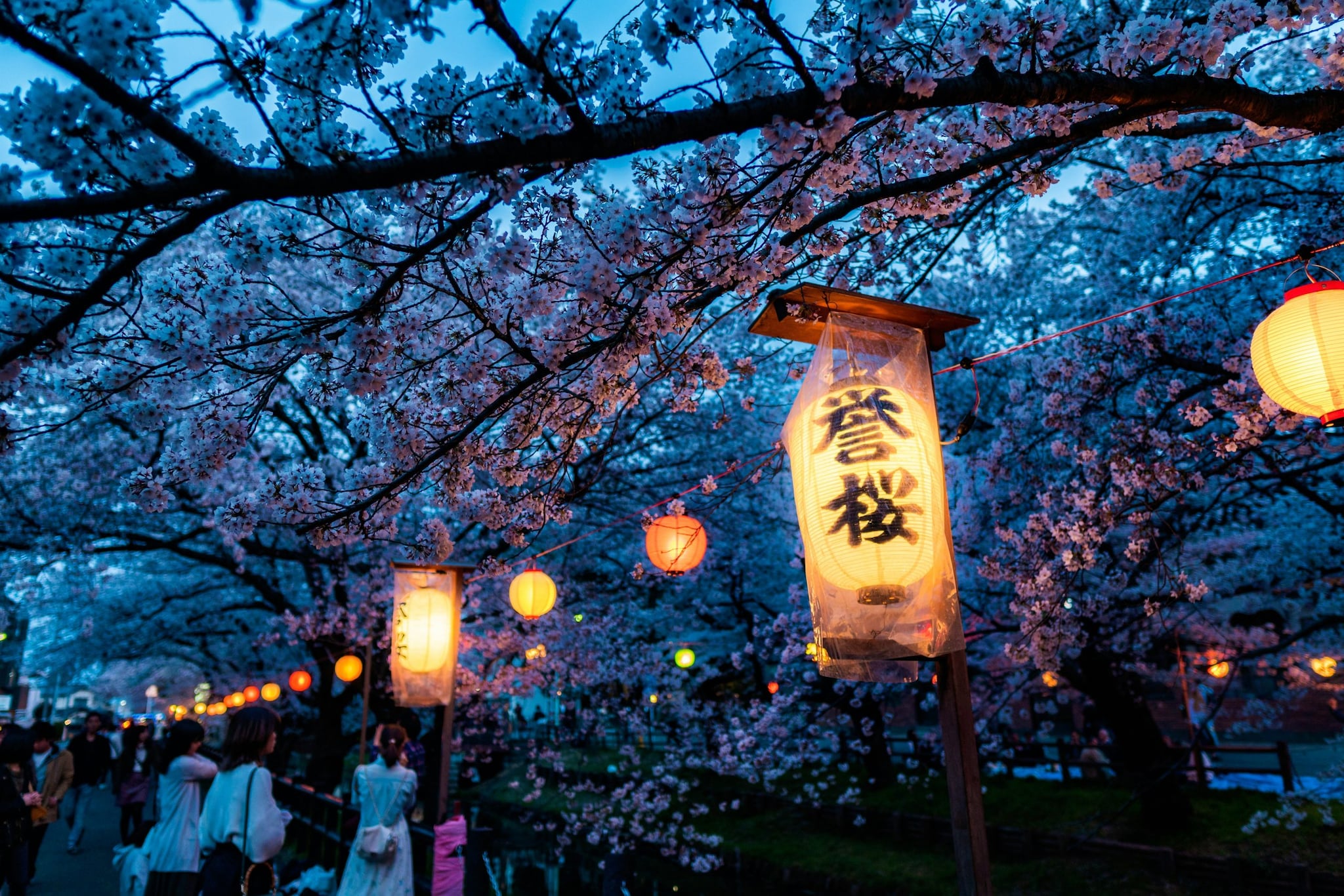
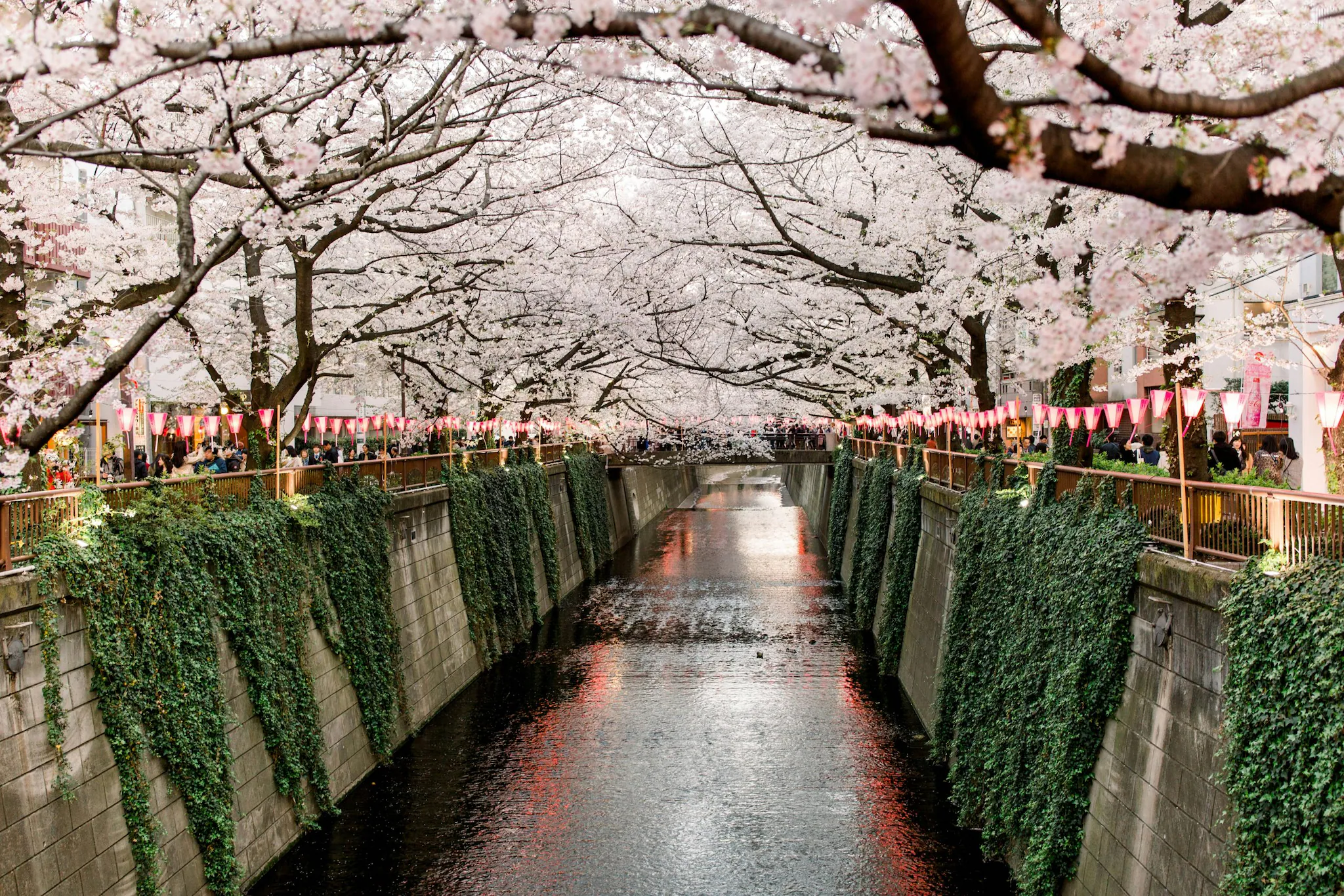
The beauty of cherry blossom does not end at the sunset. Many park host yozakura events, where trees are illuminated by paper lanterns or spotlights, creating a magical, ethereal atmosphere that attracts millions of evening visitors. (Image: Unsplash)
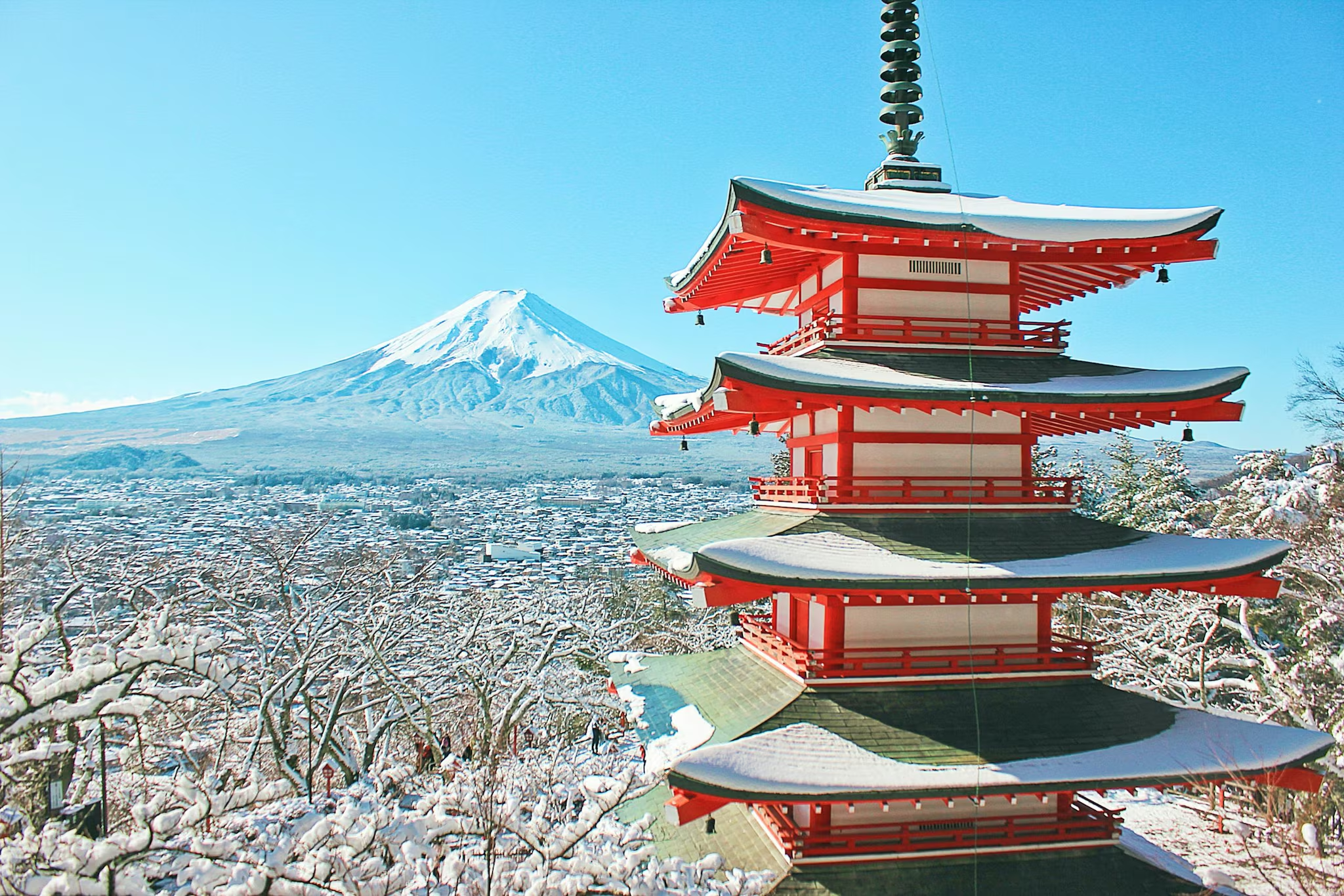
Reportedly, Sakura season is a massive driver of Japanese economy. The season boosts tourism, retail, and hospitality as millions of domestic and international travellers flock to famous viewing spots. (Image: Unsplash)
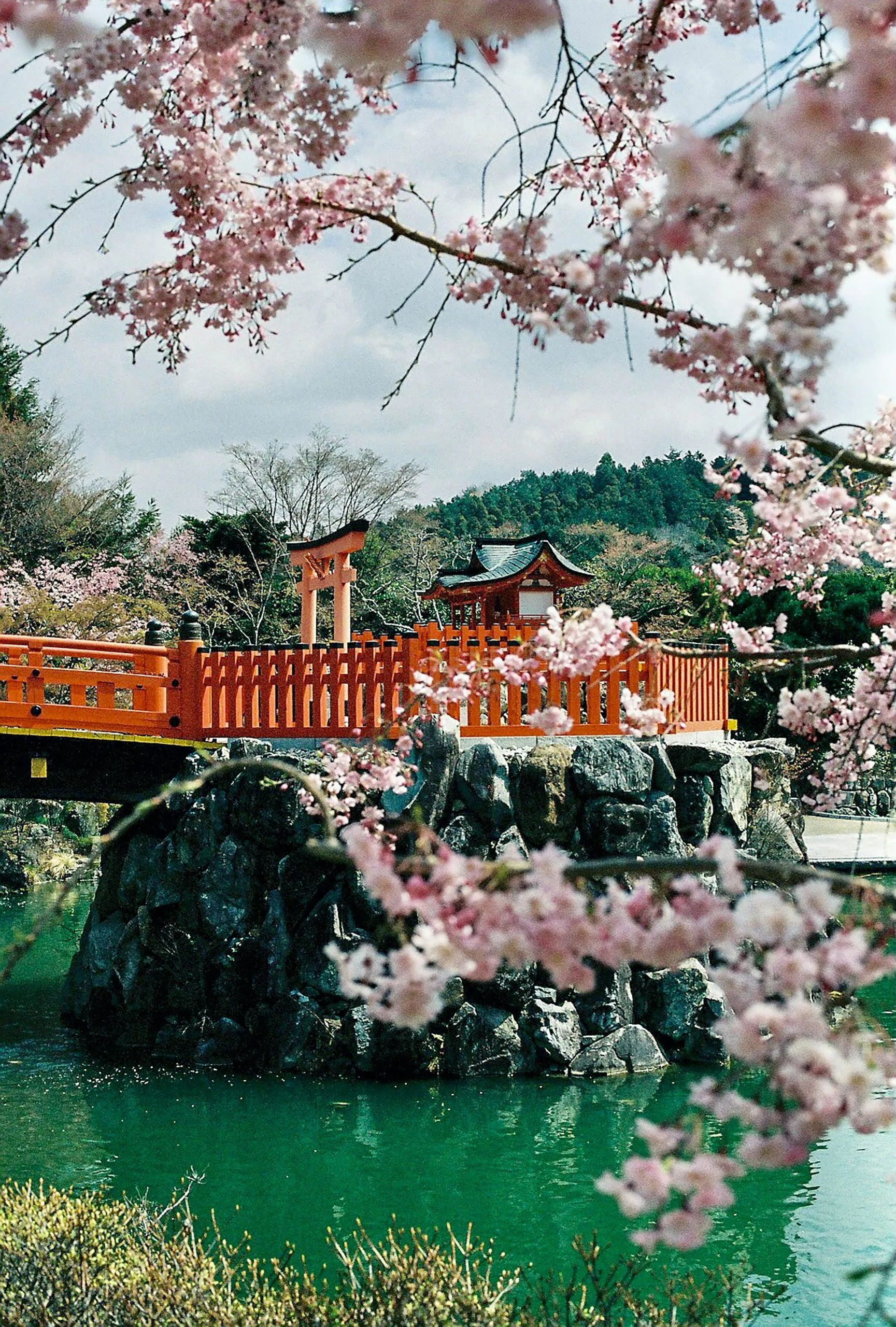
Some of the famous locations include Ueno Park in Tokyo, the Philosopher’s Path in Kyoto, and the Hirosaki Park in Aomori. (Image: Unsplash)
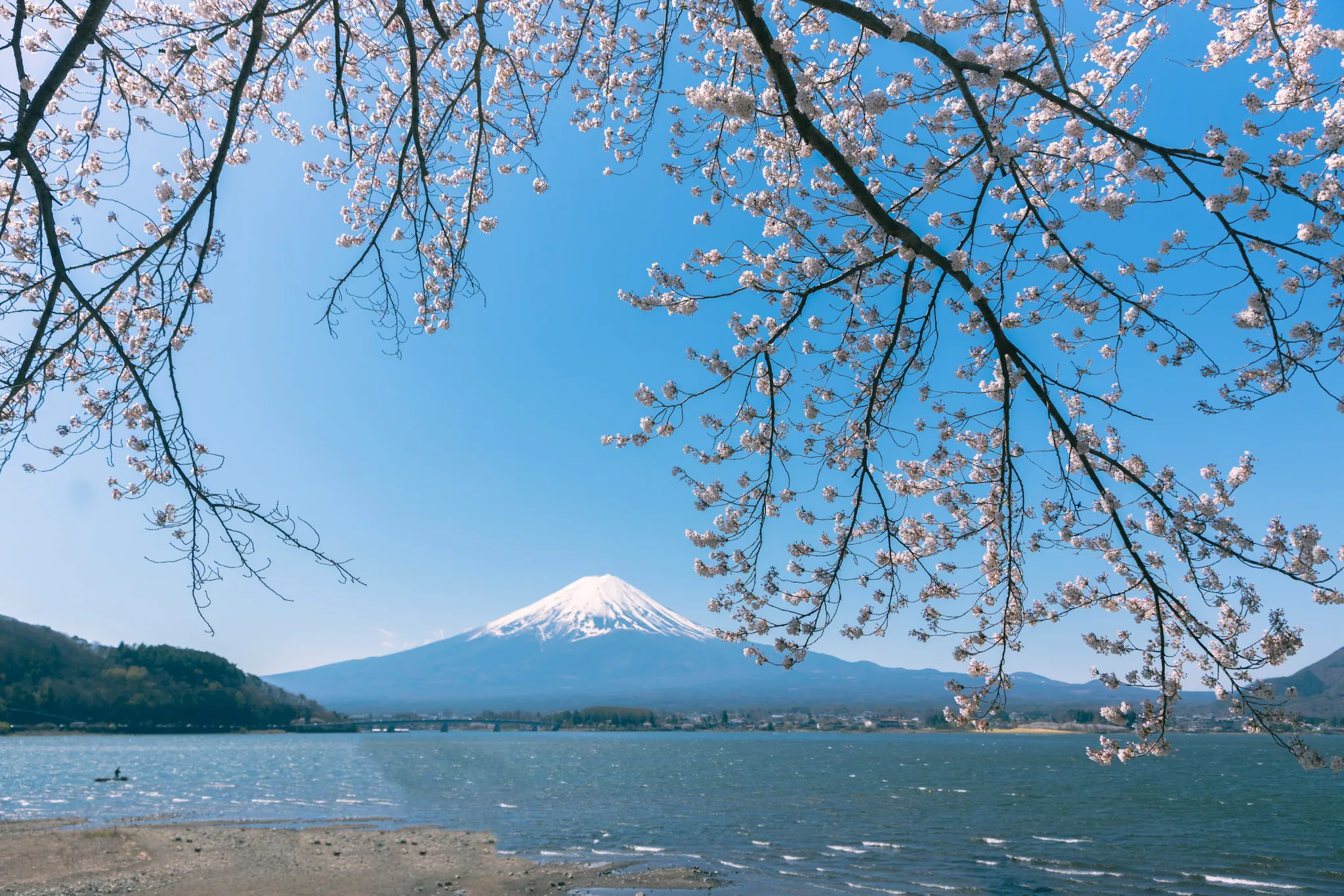
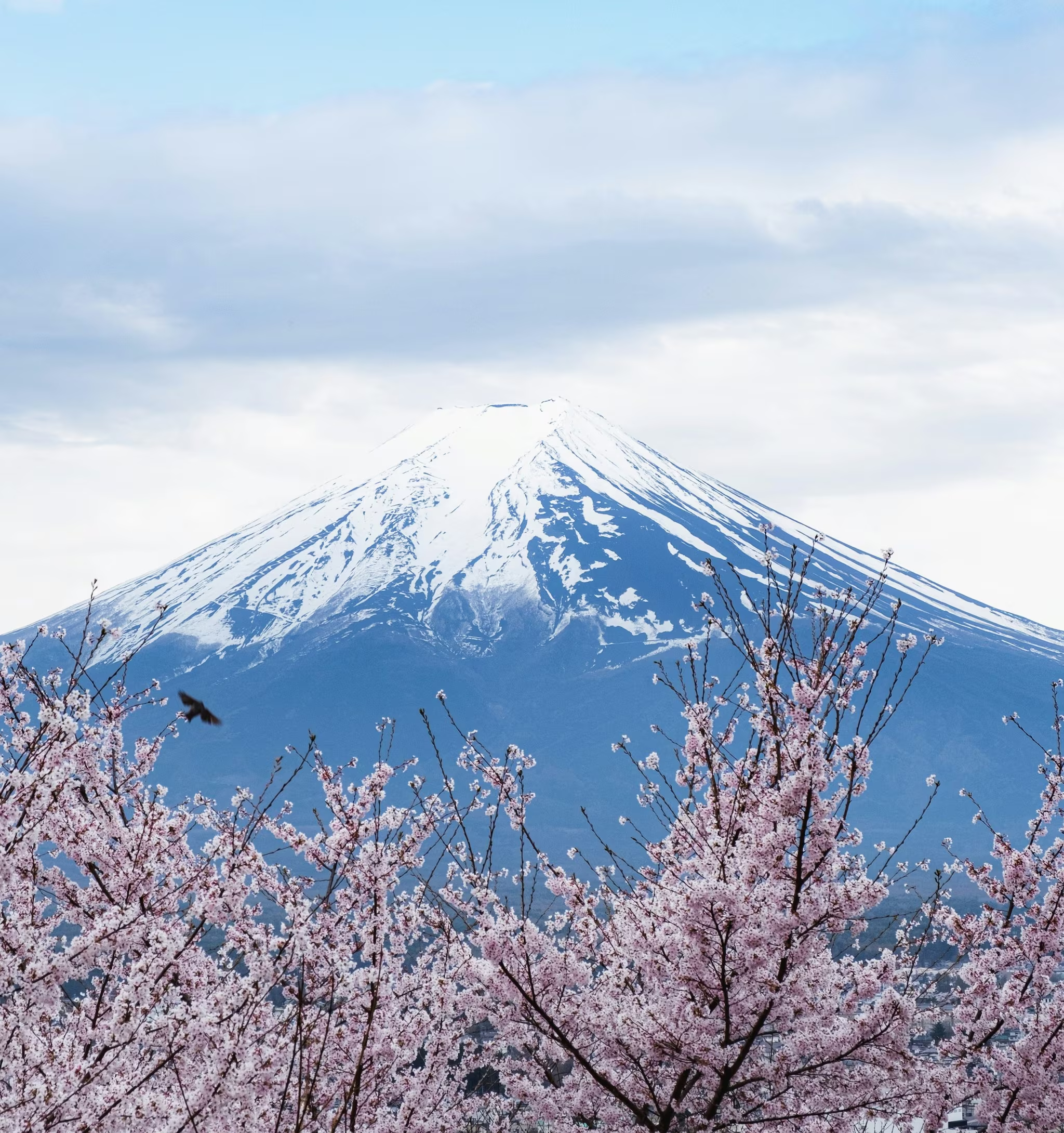
For a truly unique view, Arakurayama Sengen Park offers stunning cherry blossoms framed perfectly against Mount Fuji. (Image: Unsplash)
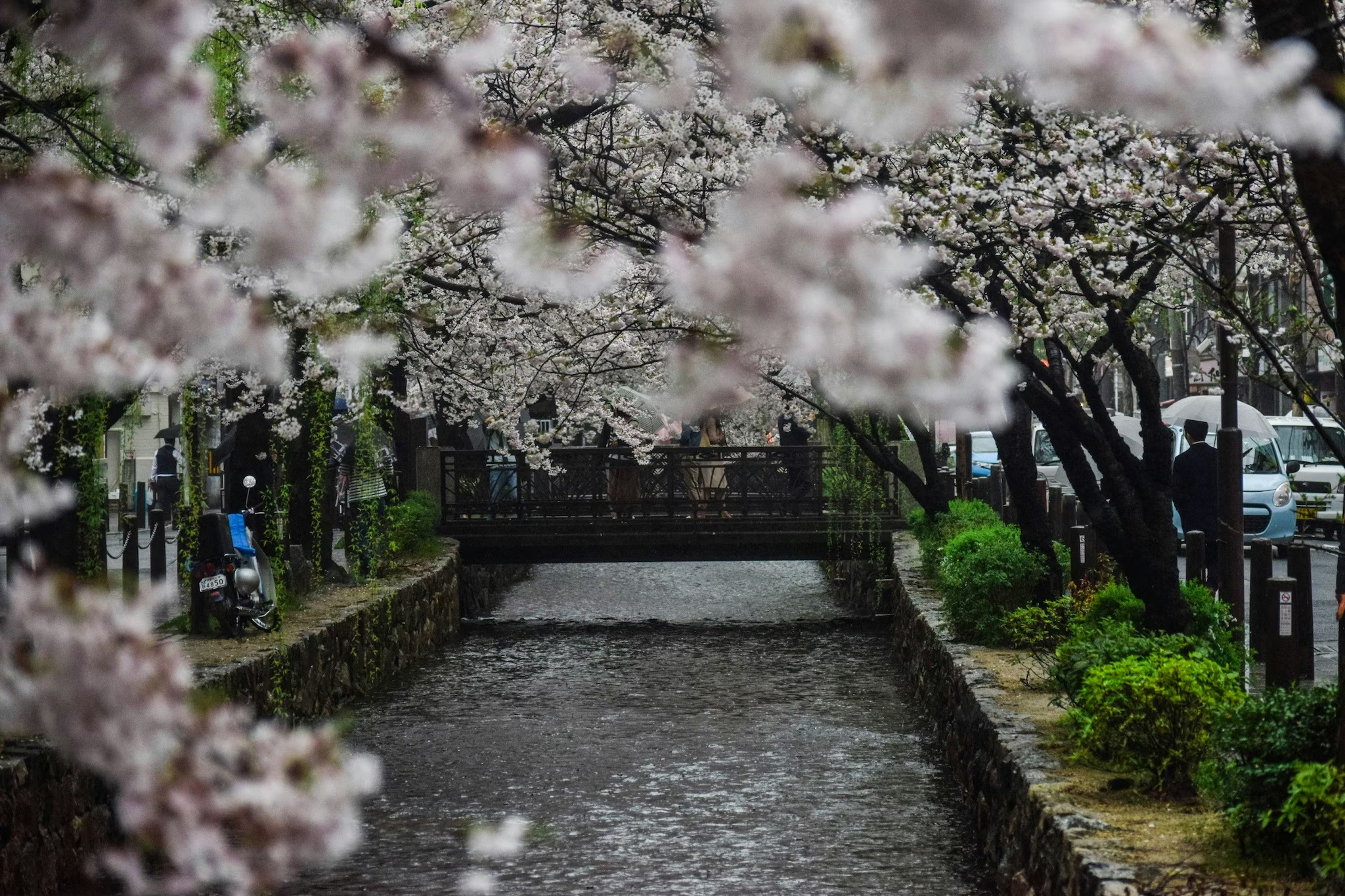
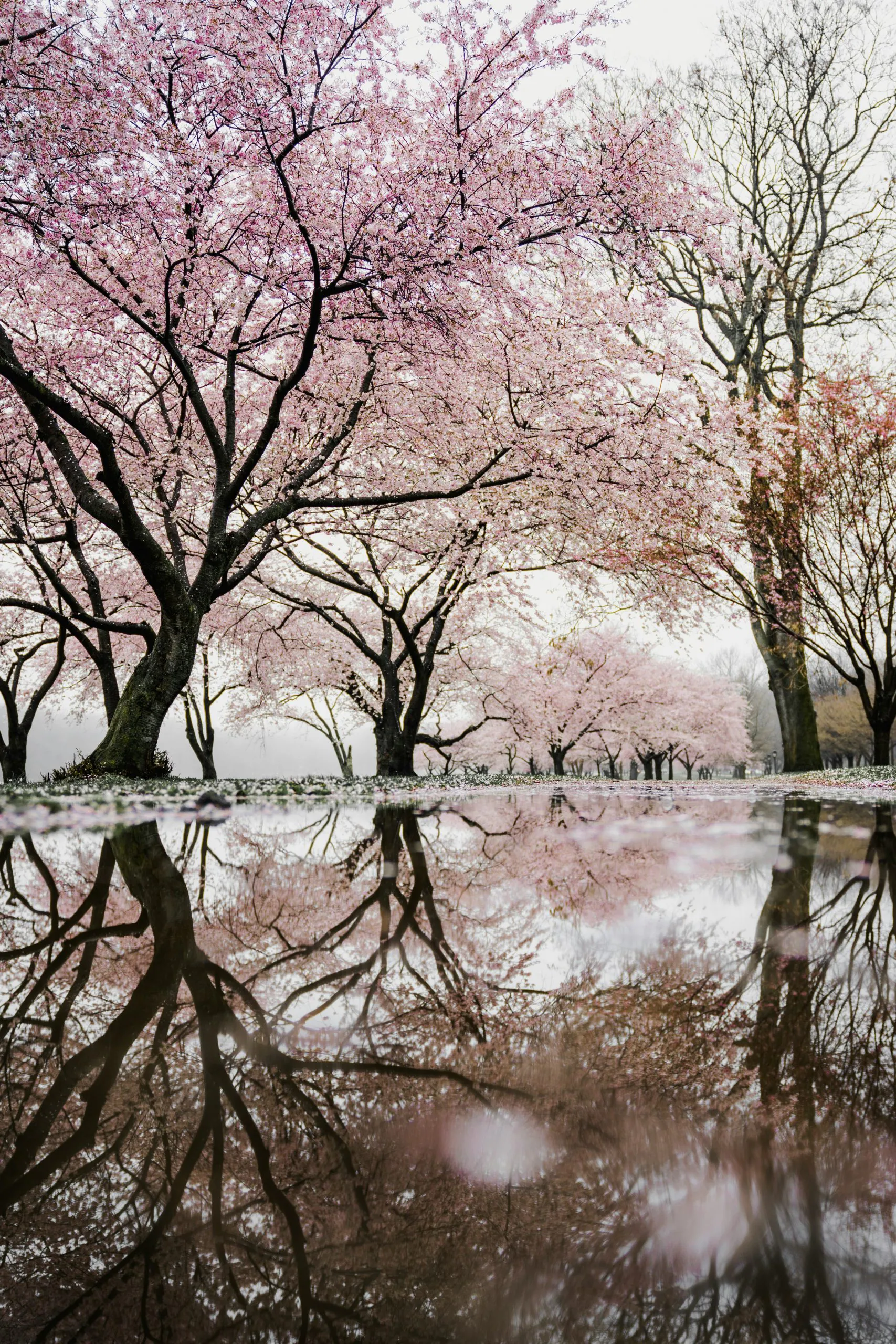
Sakura trees are often used as symbols of friendship. The most famous example is the 1912 gift of 3,000 trees from Tokyo to Washington, D.C., which still draws massive crowds to the U.S. capital every spring. (Image: Unsplash)
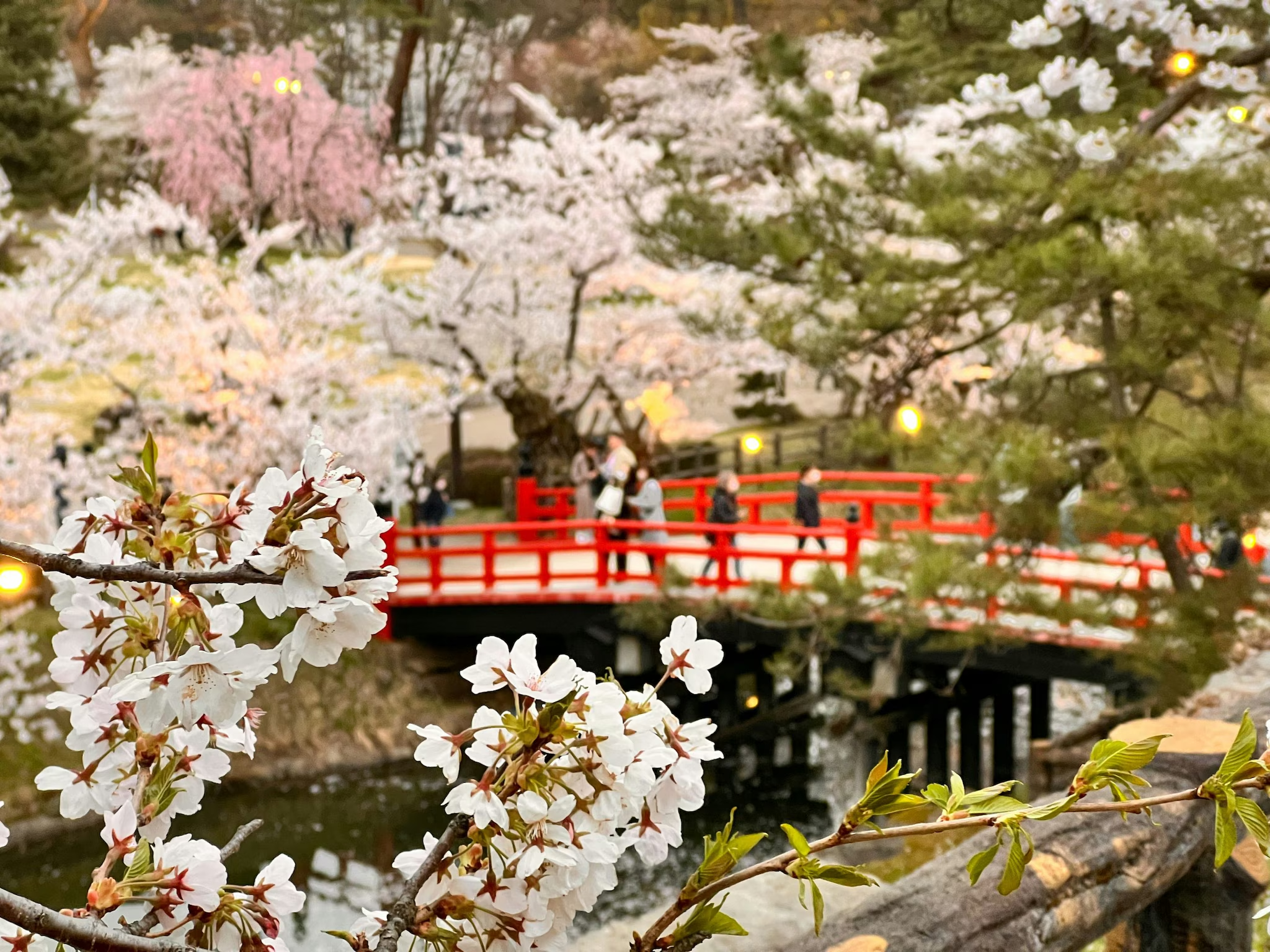
Meanwhile, you don’t have to wait for spring every year. The Jyugatsu-zakura (October Cherry) is a rare variety that blooms twice a year—once in the spring and again during the autumn and winter months, often providing a stunning contrast against the red and orange fall foliage. (Image: Unsplash)
AloJapan.com