
Japan’s emerging architectural projects combine innovation, tradition, and Japanese design with site-responsive thinking to shape a more intelligent design future.
Japan’s most distinctive architecture today is not defined by futuristic form alone, but by the intelligence behind it. Its strength lies in combining innovation with restraint, cultural memory, environmental awareness, and long-term adaptability, producing buildings that feel visually striking while remaining deeply responsive, purposeful, and structurally relevant.
In Japanese design, innovation is rarely pursued as spectacle for its own sake. Instead, it emerges through careful responses to climate, geography, tradition, and evolving social needs. That is what makes these projects so globally relevant: they show how architecture can move forward while staying deeply connected to place.
Designing With Place, Not Against It
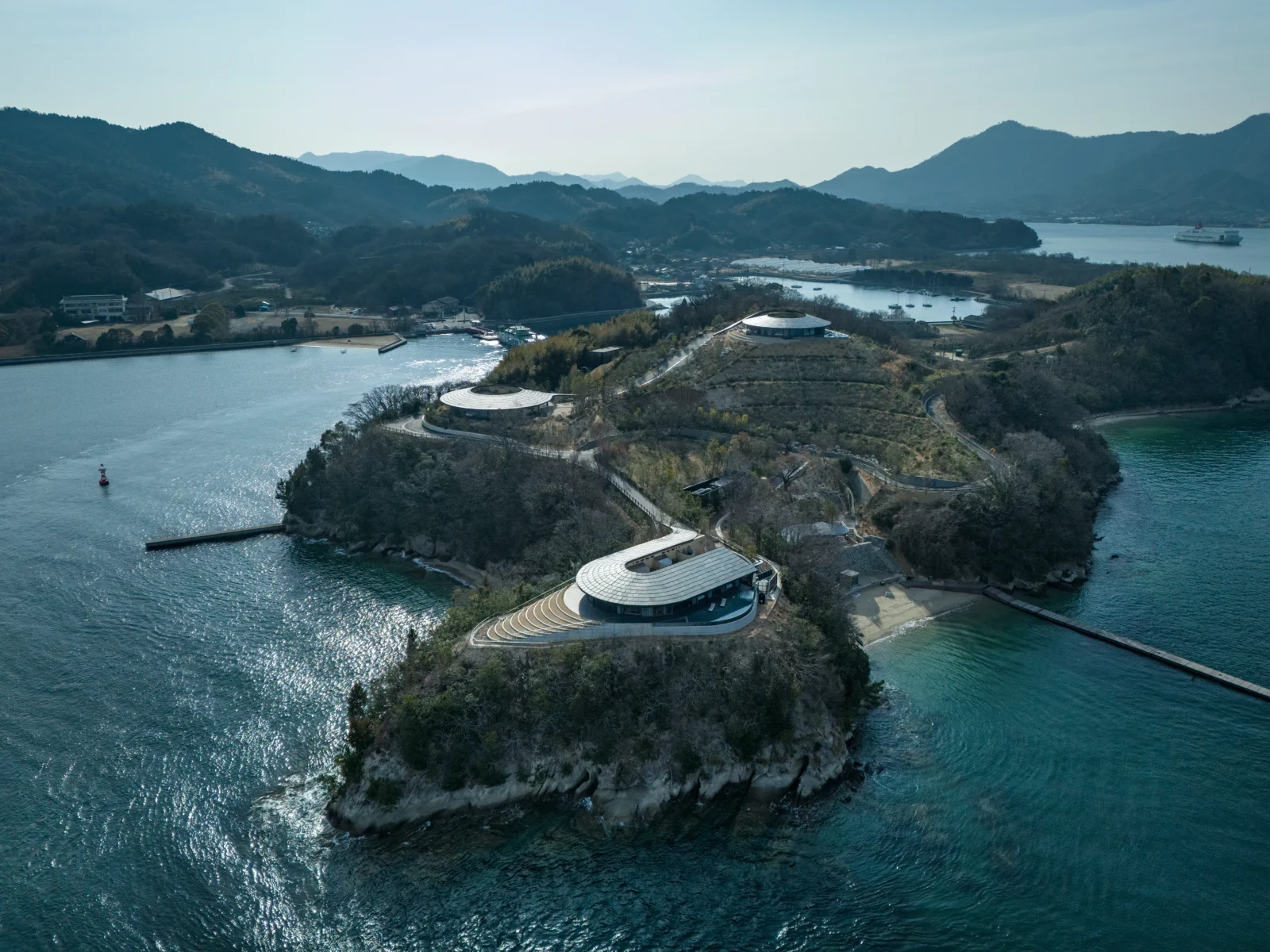
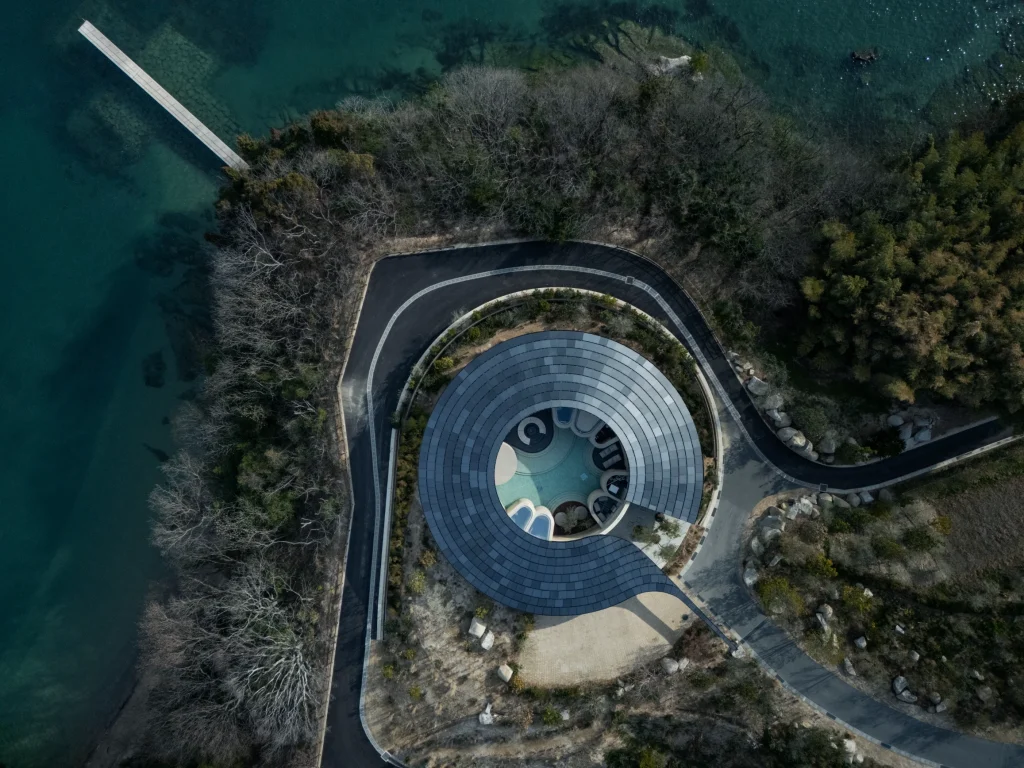
NOT A HOTEL Setouchi by BIG © Kenta Hasegawa
One of the clearest shifts in contemporary Japanese architecture is the move toward deeper site responsiveness. Rather than imposing form onto land, many projects are increasingly shaped by topography, views, material character, and the sensory qualities of the environment. This reflects a design culture that values atmosphere and orientation as much as visual impact.
© Kenta Hasegawa
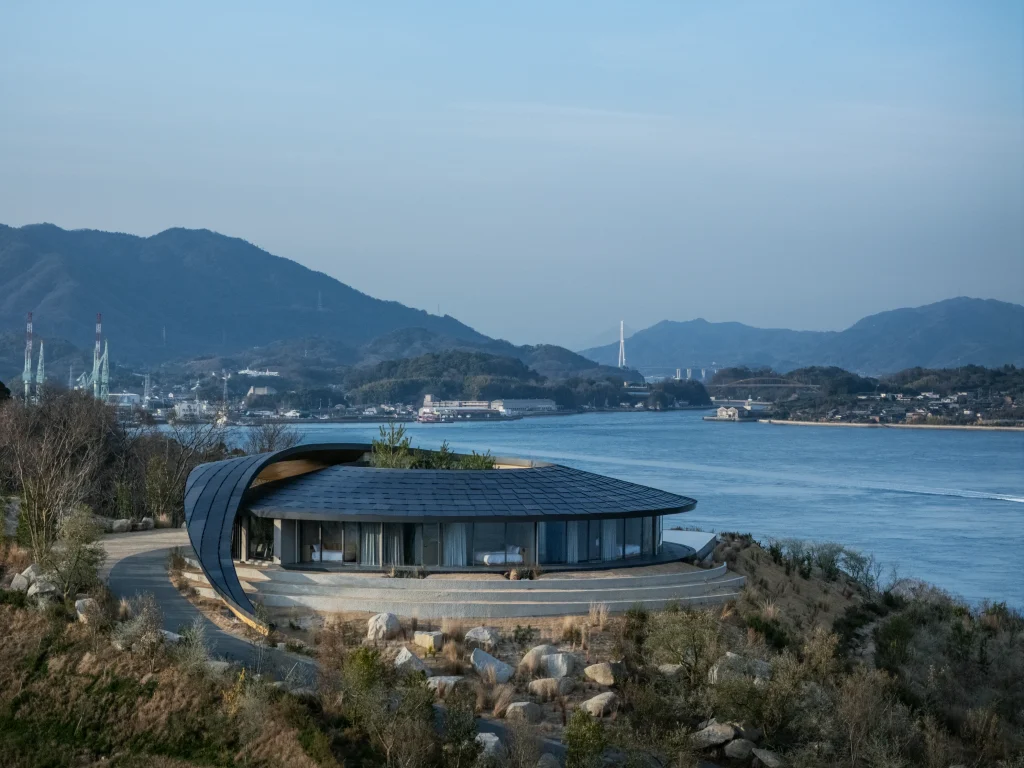
A strong example is BIG’s NOT A HOTEL Setouchi on Sagishima Island, where the villas are positioned according to the contours of the coastal landscape and named after the degrees of panoramic view they command. The project uses geometry, low horizontal profiles, glass façades, and rammed-earth walls made from local soil to create an architecture that feels sculptural and grounded.
Reinventing Tradition Through Contemporary Systems
© VUILD
Another defining feature of Japan’s design thinking is its ability to reinterpret traditional values through new architectural systems. This is not about nostalgia or aesthetic imitation. It is about translating long-standing cultural principles such as impermanence, modularity, seasonality, and collective memory into forms that respond to contemporary needs.
© VUILD
© VUILD
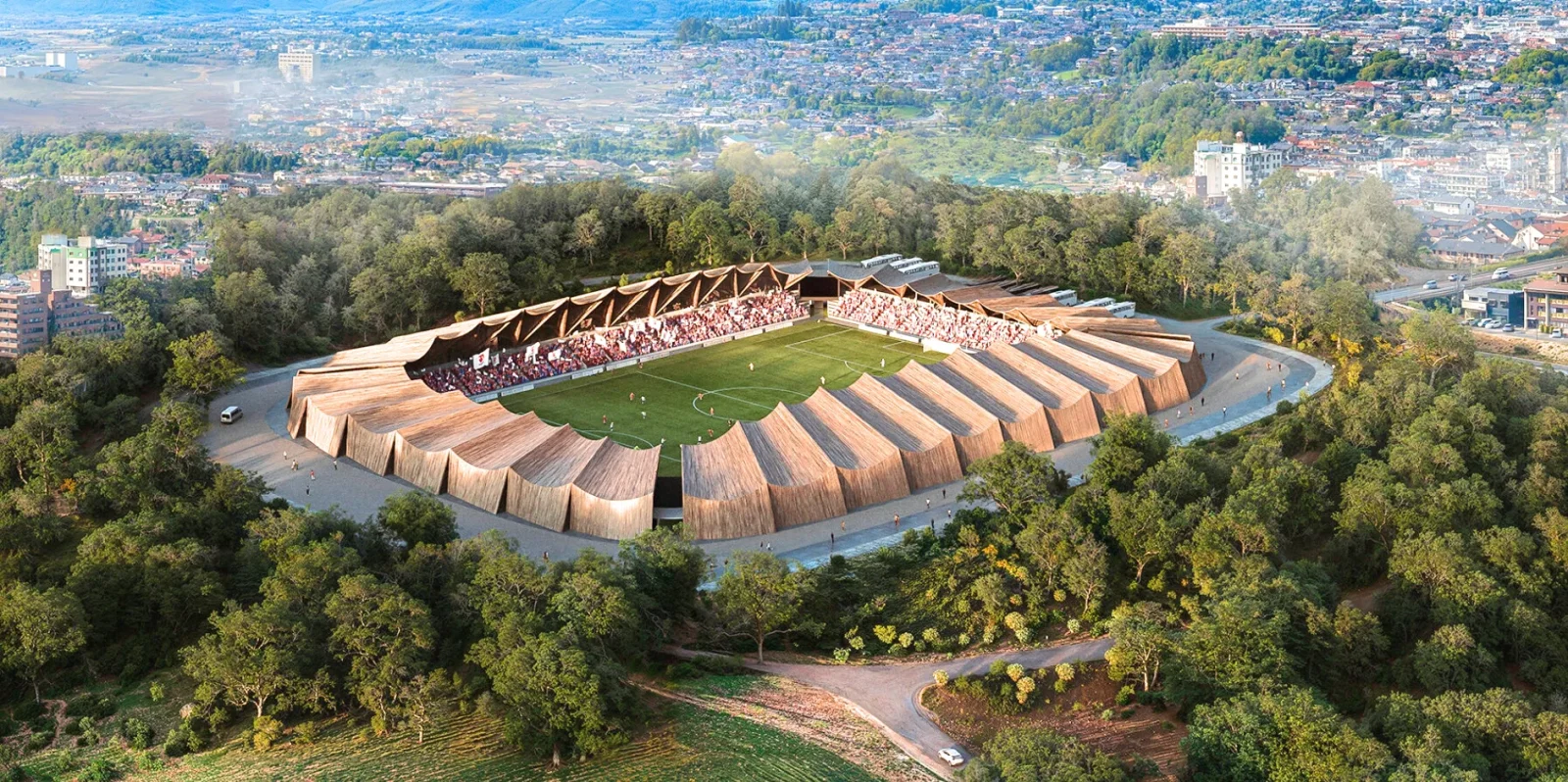
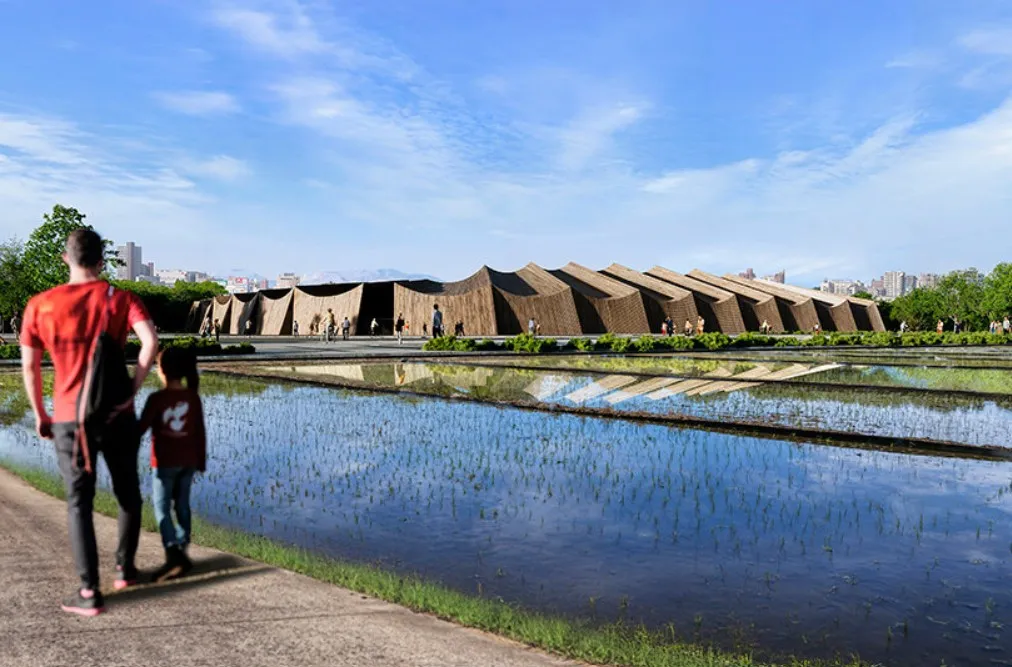
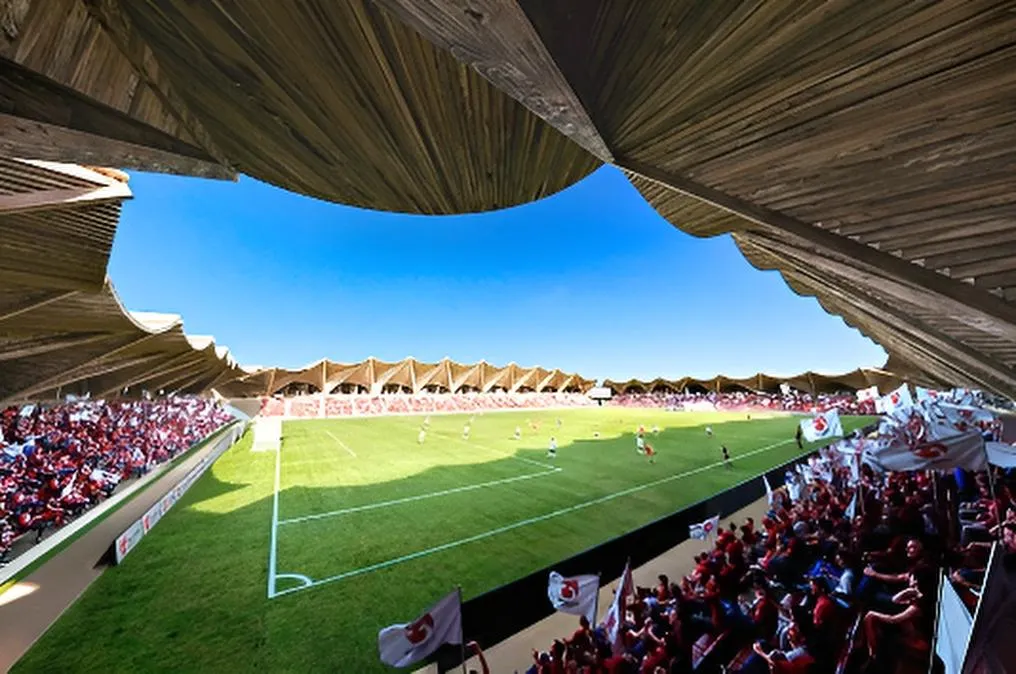
That approach is especially visible in the proposed Fukushima United FC Timber Stadium, which is envisioned as Japan’s first timber stadium designed to be disassembled and reused. Built around recyclable timber and inspired by the Shinto rebuilding tradition of Shikinen Sengu, the project reframes sports architecture through circular design thinking. It also integrates passive environmental strategies, roof-based water collection, seasonal climate response, and renewable energy goals. What makes it significant is not just the material choice, but the larger idea that architecture can embody resilience, repair, and cultural continuity while still operating as advanced public infrastructure.
Building the Future Through Hybrid Urban Ambition
MGM Osaka IR © resortX
Japanese design thinking is also increasingly visible at the scale of major urban development, where architecture is being used to shape tourism, economy, identity, and global positioning all at once. In these projects, innovation becomes less about a single building and more about orchestrating entire experiences and systems within dense urban contexts.
© resortX
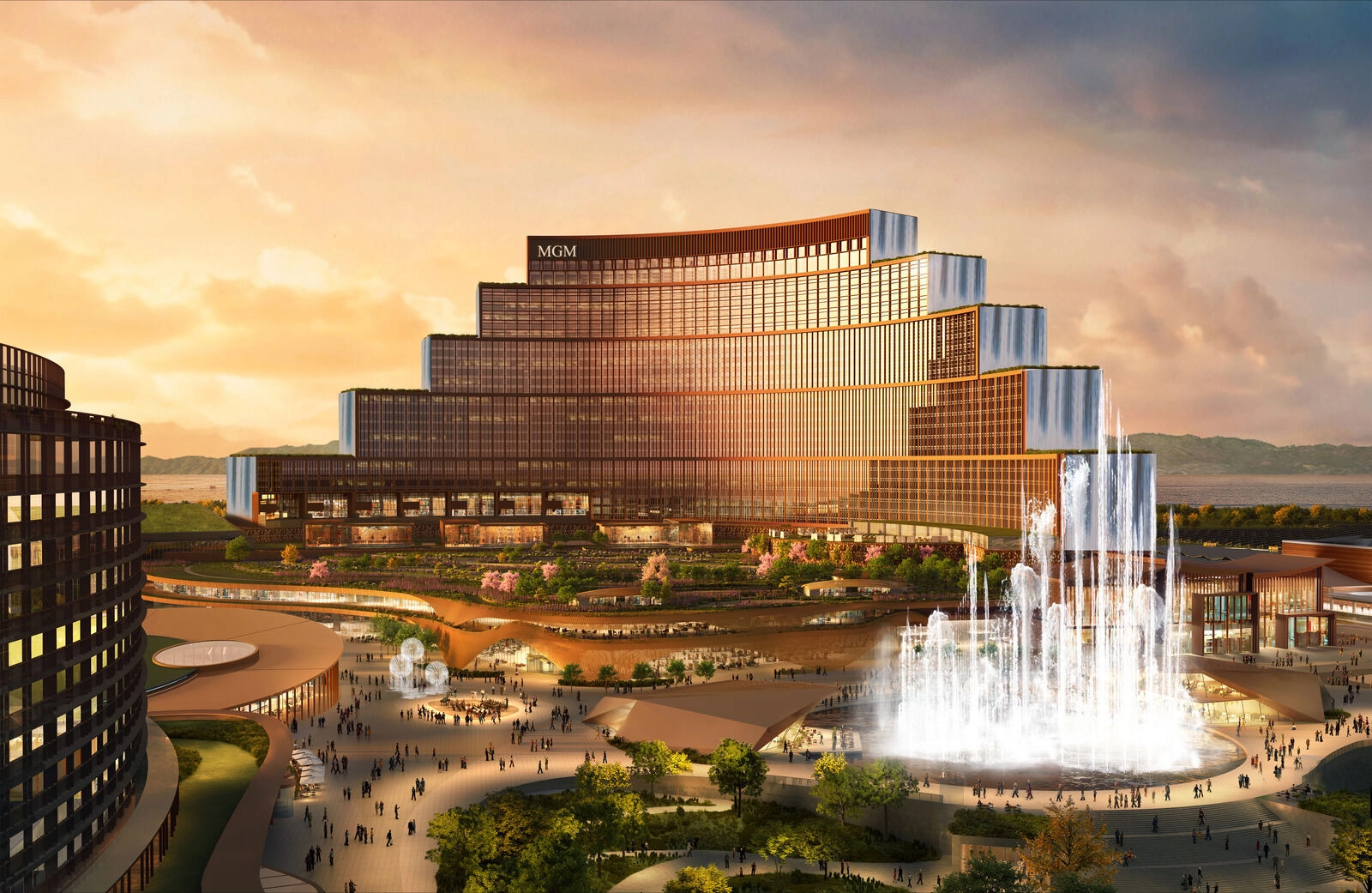
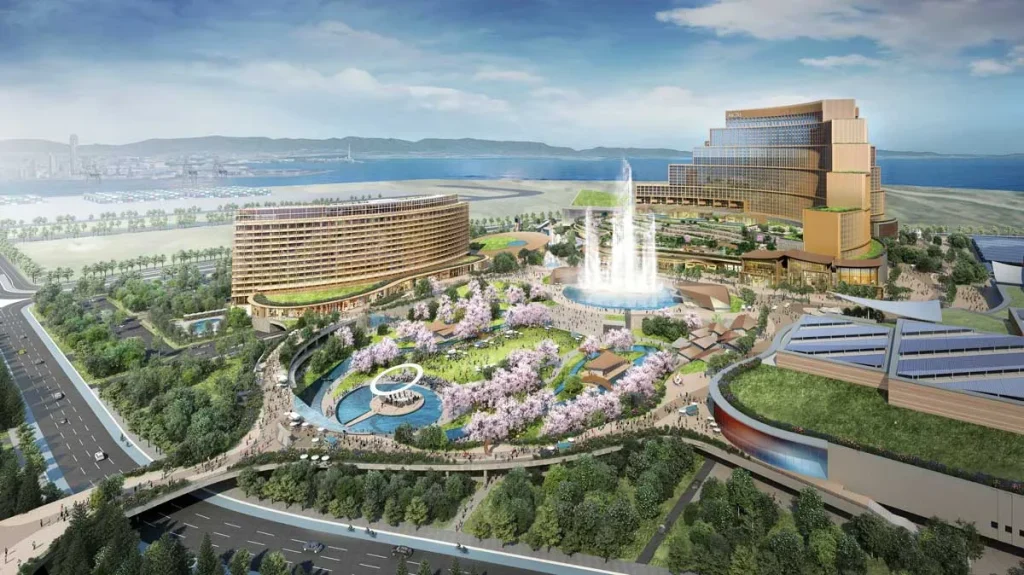
MGM Osaka IR, Japan’s first casino-integrated resort, reflects this larger ambition. Planned as a major mixed-use destination on Yumeshima in Osaka Bay, the project combines hospitality, entertainment, convention space, and large-scale infrastructure within a highly engineered waterfront setting. Its design balances high-visibility global resort architecture with Japanese landscape sensibilities, while also addressing structural demands, tourism strategy, and sustainability targets.
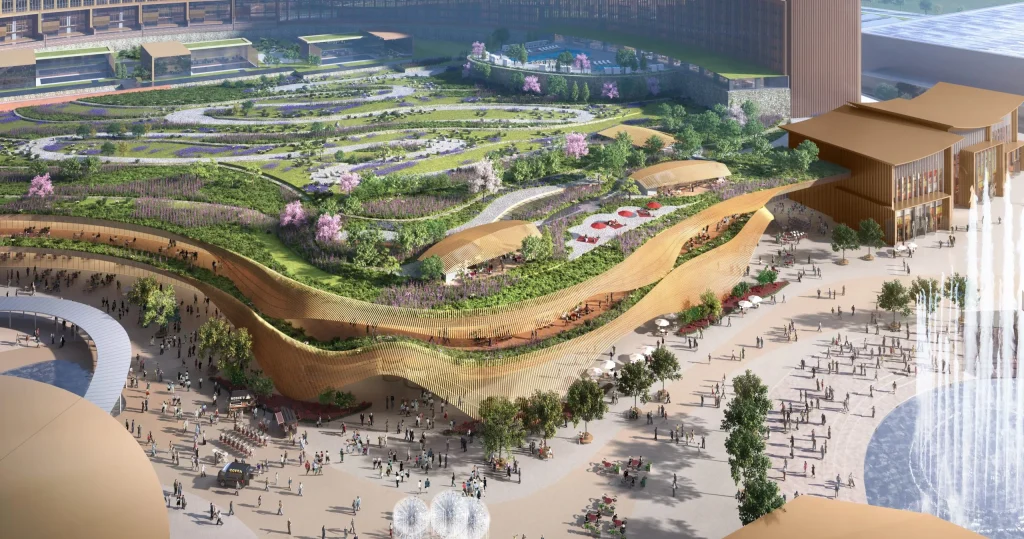
© resortX
It reveals another side of Japan’s design future, or one that is commercially ambitious, internationally oriented, and deeply tied to the evolving role of architecture in national development.
What these projects collectively reveal is that Japan’s most cutting-edge design thinking is not defined by one visual language. It is defined by a way of approaching architecture itself. Whether through landscape integration, circular material systems, or large-scale urban vision, the strongest projects are those that think beyond appearance and toward deeper relationships between people, place, memory, and future use.
That is what makes Japan such a compelling architectural reference point today. Its most forward-looking work does not abandon tradition in pursuit of innovation. It uses innovation to reinterpret what architecture can preserve, enhance, and imagine next.
AloJapan.com