
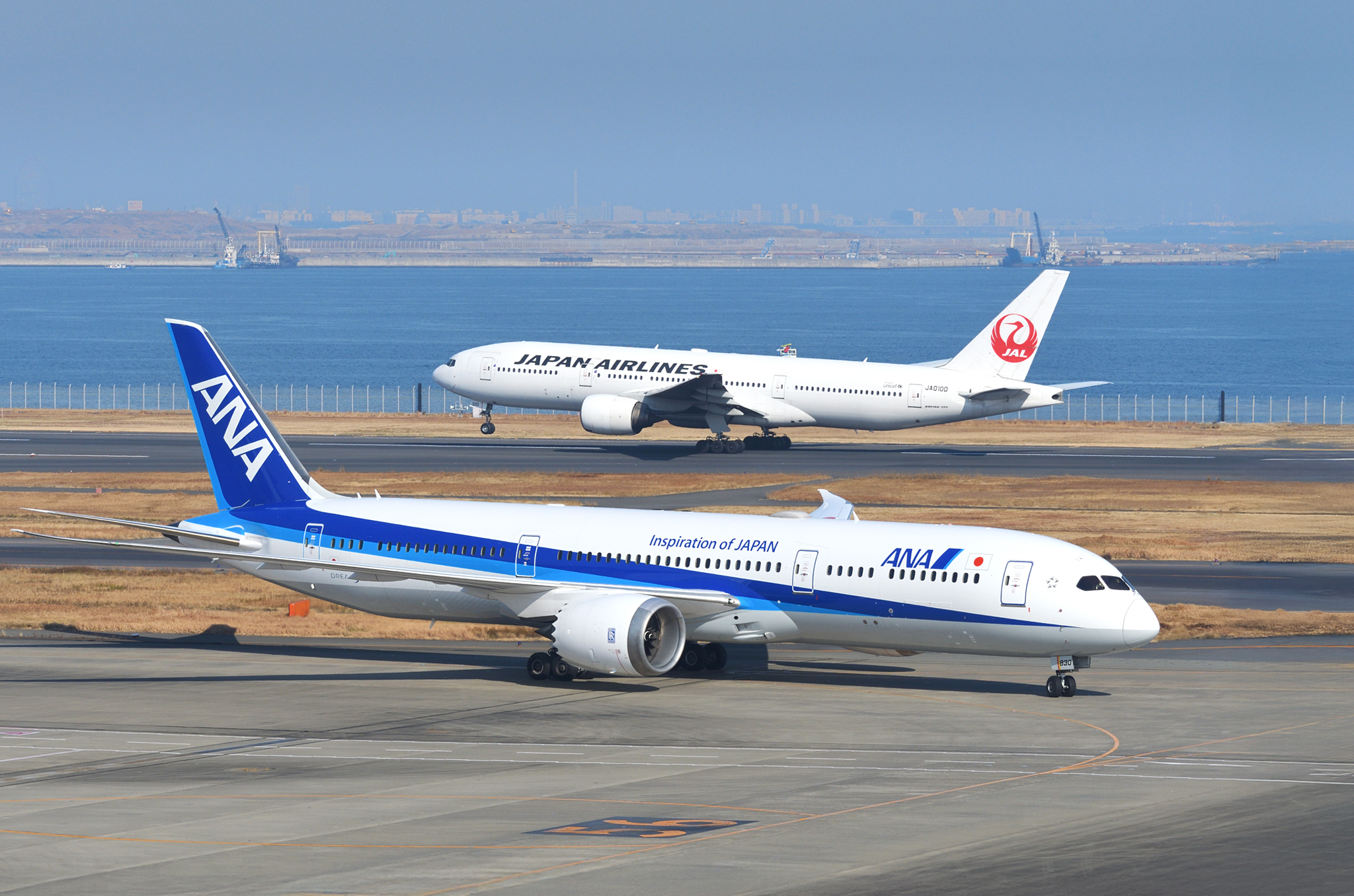
Japan’s two largest airlines — Japan Airlines (JAL) and All Nippon Airways (ANA) — are quietly reshaping domestic air travel. Long known for their high level of service, both carriers are now exploring ways to cut costs by scaling back onboard perks and streamlining operations. Rather than relying solely on fare increases, the shift points toward a leaner, more hybrid model that edges closer to low-cost carriers.
Faced with rising labor costs, a weak yen and soaring crude oil prices driven in part by tensions in the Middle East, both carriers are under pressure to protect margins. For long-haul flights, they are reportedly planning to increase surcharges and fees, preserving the full-service experience global travelers expect. At home, however, the approach is expected to be more experimental.
ANA To Overhaul Its Fare System
ANA is planning a major overhaul of its fare system, aiming for a simpler structure with a smaller number of clearly defined price tiers beginning on May 19. Customers will have three options: “Simple,” “Standard,” or “Flex.” The service differences between each fare are defined. With the cheapest “Simple” fare, advance seat selection is no longer available and the free baggage allowance is limited to one piece.
There will also be other stricter service restrictions than before and upgrades will no longer be available. The aim appears to be to “upsell” by naturally guiding passengers toward the higher-priced fares. While the “Standard” plan offers services almost identical to the previous cheapest fare, such as advance seat selection, it is priced several thousand yen higher for a one-way trip, effectively functioning as a price increase.
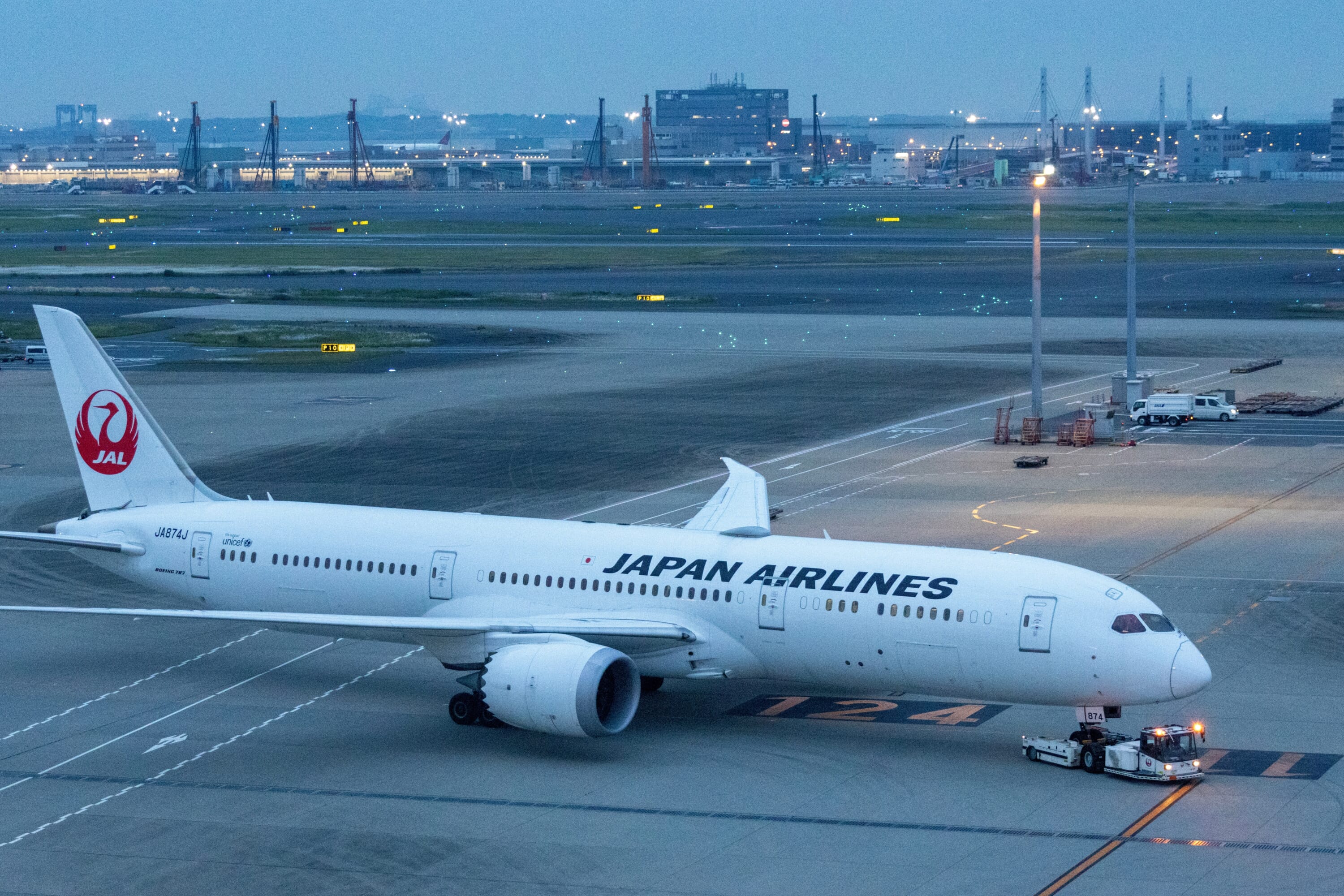
JAL Reshaping Its Mileage Program
JAL, meanwhile, is quietly reshaping its mileage program by lowering earning rates, particularly on cheaper tickets, and introducing greater variability in award pricing and availability. This means the number of miles required fluctuates based on demand and availability rather than remaining fixed, forcing customers to fly more or spend more to earn the same rewards while also facing greater uncertainty when redeeming points.
The question now is how travelers will respond? With the two companies experimenting with leaner fares, tighter perks and more dynamic loyalty rewards, the coming months will test how far travelers are willing to accept trade-offs for lower prices, and how effectively ANA and JAL can balance cost control while maintaining customer loyalty.
Related Posts
AloJapan.com