
Accommodations for School Trips and Similar Purposes to Be Exempt from Tax
Hokkaido, one of Japan’s most popular tourist destinations, will officially begin imposing an accommodation tax on all guests staying at any lodging facility in the prefecture starting April 1.
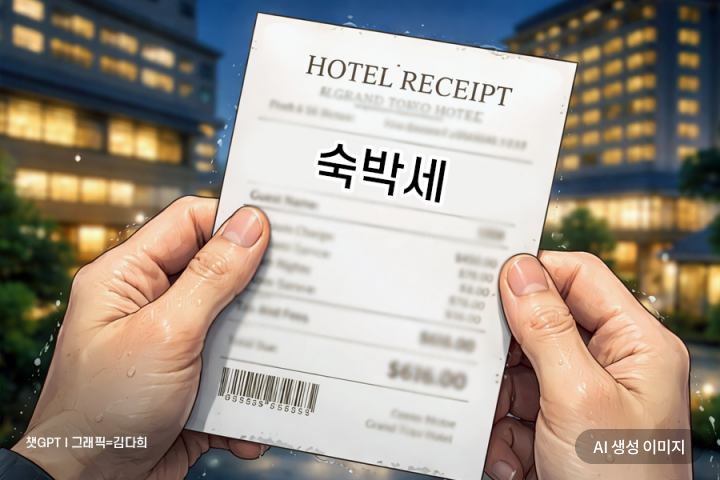
According to the Yomiuri Shimbun and other sources on March 31, Hokkaido has decided to levy a separate local tax, called the accommodation tax, on guests staying in hotels, ryokan inns, and guesthouses in the prefecture to secure financial resources for tourism promotion. The accommodation tax is a fee collected by local governments via lodging businesses based on local ordinances. However, stays for educational purposes, such as school trips, will be exempt from the tax.
Photos are unrelated to specific expressions in the article. Pixabay
View original image
Currently, most local governments in Japan operate a “tiered flat-rate system,” which imposes different tax amounts depending on the accommodation fee. Hokkaido’s accommodation tax will also follow this structure: for each guest per night, 100 yen will be charged if the room rate is less than 20,000 yen, 200 yen if it is between 20,000 yen and less than 50,000 yen, and 500 yen if it is 50,000 yen or more. In addition, cities and towns such as Sapporo are expected to levy their own separate accommodation taxes, meaning travelers are likely to face even higher costs.
With the implementation of the new system approaching, preparations are in full swing at the sites. The “Business Inn Norte” hotel in Sapporo has placed information notices about the accommodation tax in its lobby. The hotel plans to collect the tax directly from guests at check-in and then remit the total amount to the city in a lump sum each month. General Manager Chihoko Sasaki (44) said, “I’m concerned that the check-in procedure will become more complicated, and I’m also worried about whether the bulk reporting process will run smoothly.”
Hot Picks Today

Even Steep Discounts Can’t Boost Sales… World…
View original image
Meanwhile, according to the Japan National Tourism Organization (JNTO), the number of foreign tourists who visited Japan last year reached 42.7 million, exceeding 40 million for the first time ever. Tourism spending also hit a record high of about 9.5 trillion yen (approximately 91 trillion won). With demand for tourism surging, both the Japanese government and local authorities are turning to measures such as taxation to manage the situation.
This content was produced with the assistance of AI translation services.
© The Asia Business Daily(www.asiae.co.kr). All rights reserved.
AloJapan.com