
Zakimi Sabo (Photo by Shoji Kudaka/Stripes Okinawa)
At Yomitan Garden, you’ll find Yachimun pottery pieces so beautiful you’ll want to eat a delicious meal off them. Fortunately, you can do just that inside!
That’s because Yomitan Garden is half gallery and half restaurant, allowing customers to discover the beauty of Okinawa’s local Yachimun pottery and the delights of local soba.
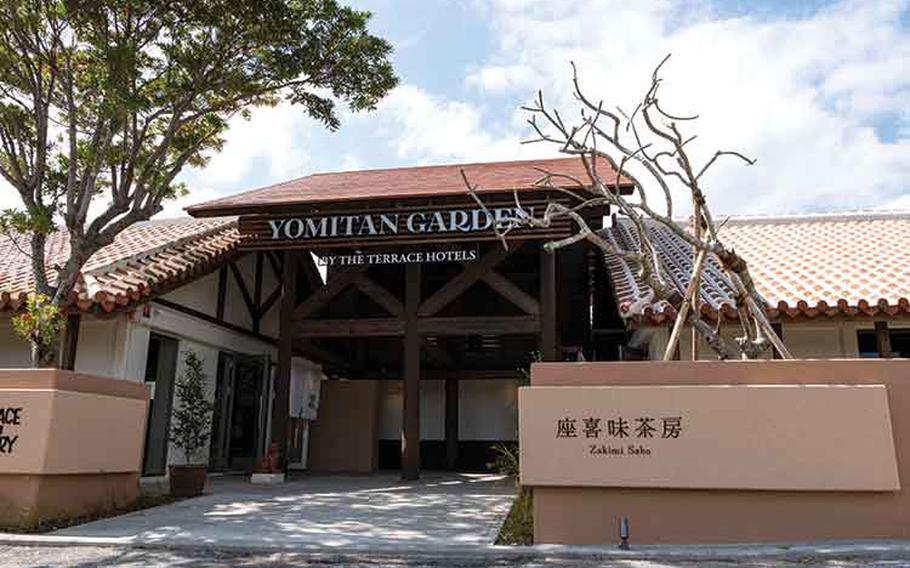
This unique space along Route 58 opened in January. You may recognize the red tile-roofed building, which was formerly home to a community-owned shop.
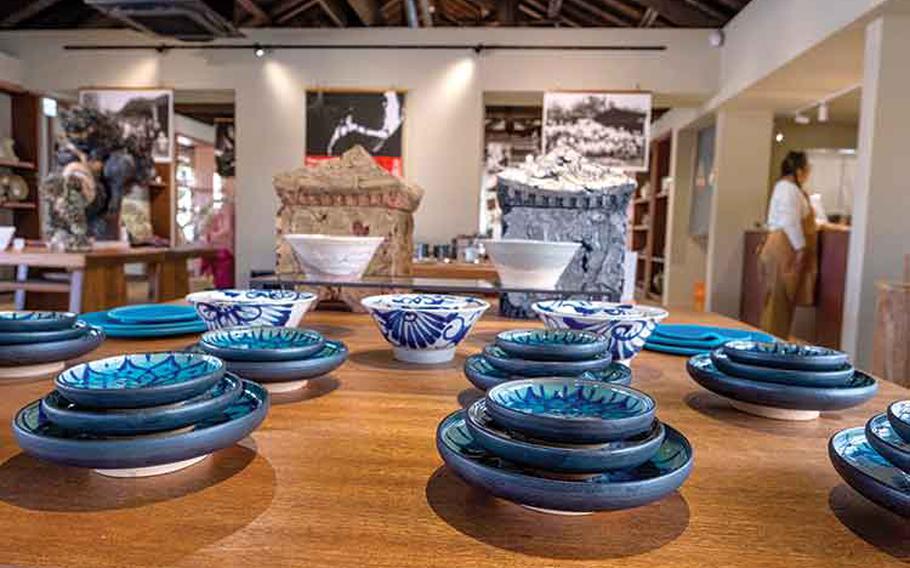
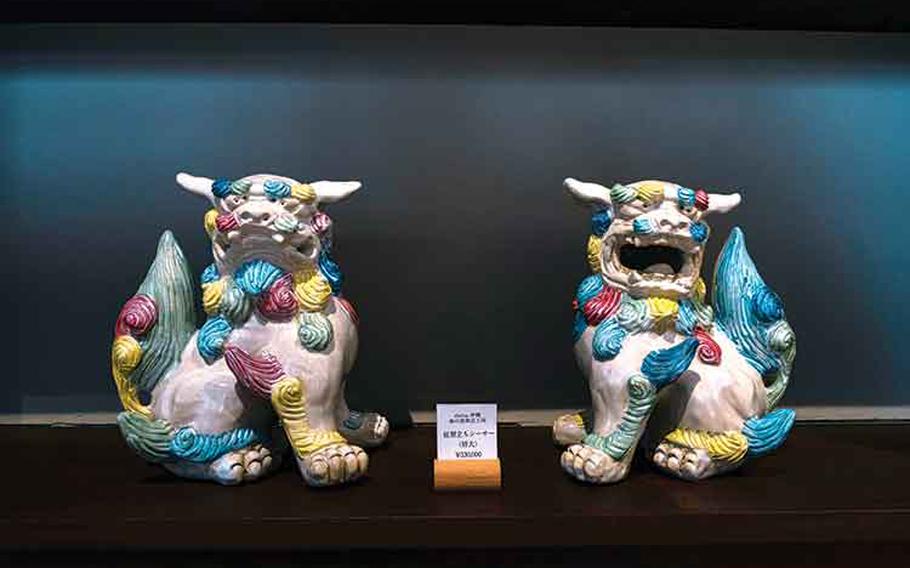
Inside, the gallery features pieces from local studios and has a retail area where customers can browse colorful pieces of tableware, cups and figures, including Okinawa shisa guardian lion-dogs.
(Photo by Shoji Kudaka/Stripes Okinawa)
(Photo by Shoji Kudaka/Stripes Okinawa)
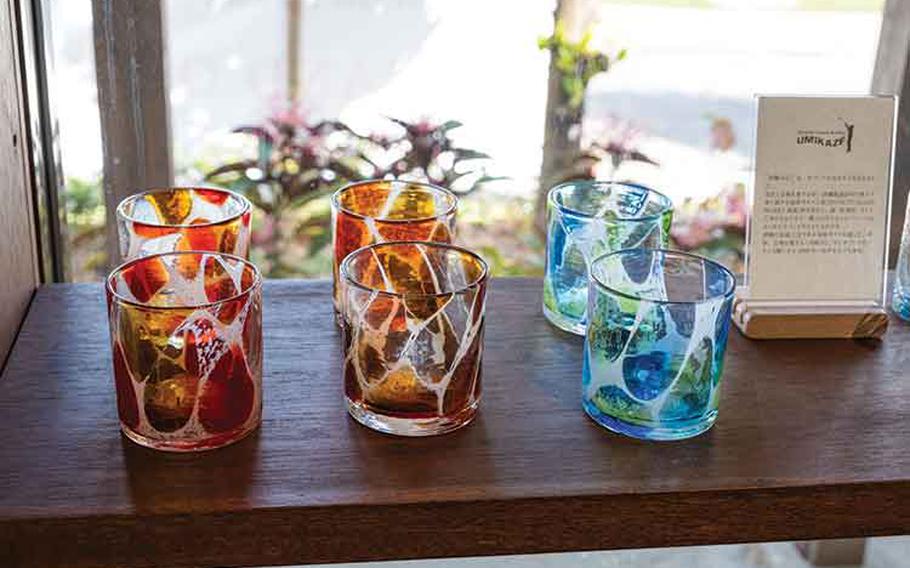
(Photo by Shoji Kudaka/Stripes Okinawa)
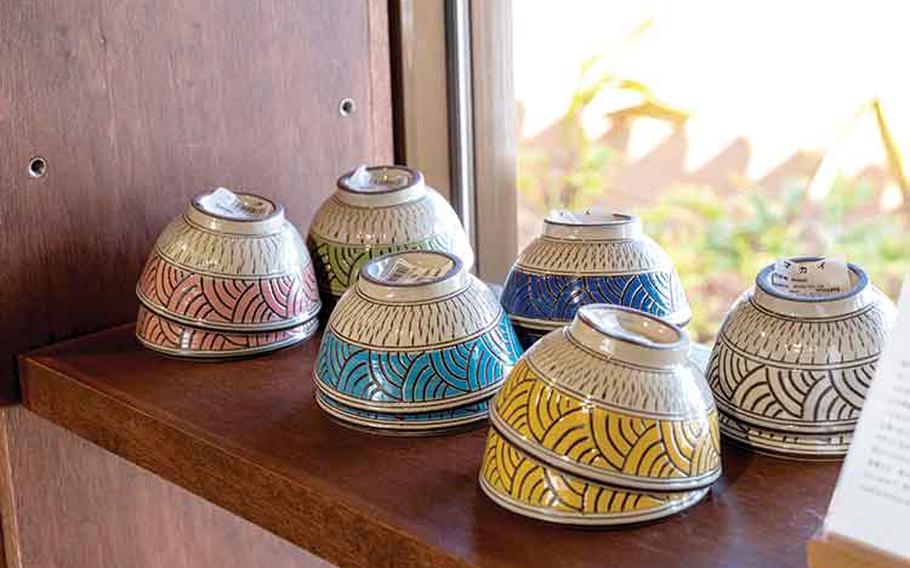
(Photo by Shoji Kudaka/Stripes Okinawa)
Feast for the eyes
My first visit to Yomitan Garden started with lunch at the restaurant, Zakimi Sabo.
Through the noren curtain, the interior of the eatery was spacious and featured wooden furniture and lamps, setting a relaxed mood. There is also seating on the terrace, a nice option in warm springtime.
On the menu, Zakimi Sabo offers a variety of soba noodle sets like soki soba (pork rib) for 1,250 yen (approx. $7.88), aasa soba (sea lettuce) for 1,250 yen, and tofu soba for 1,300 yen.
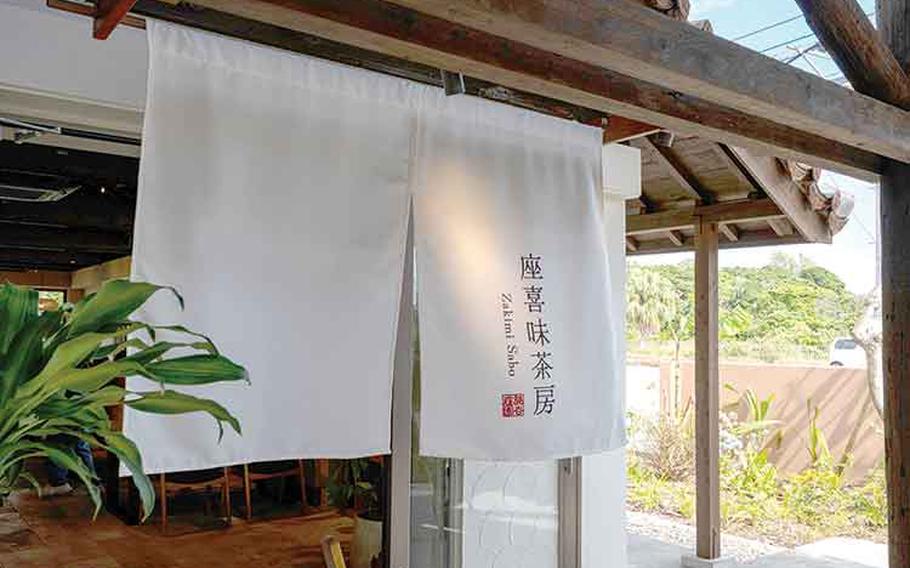
Zakimi Sabo (Photo by Shoji Kudaka/Stripes Okinawa)
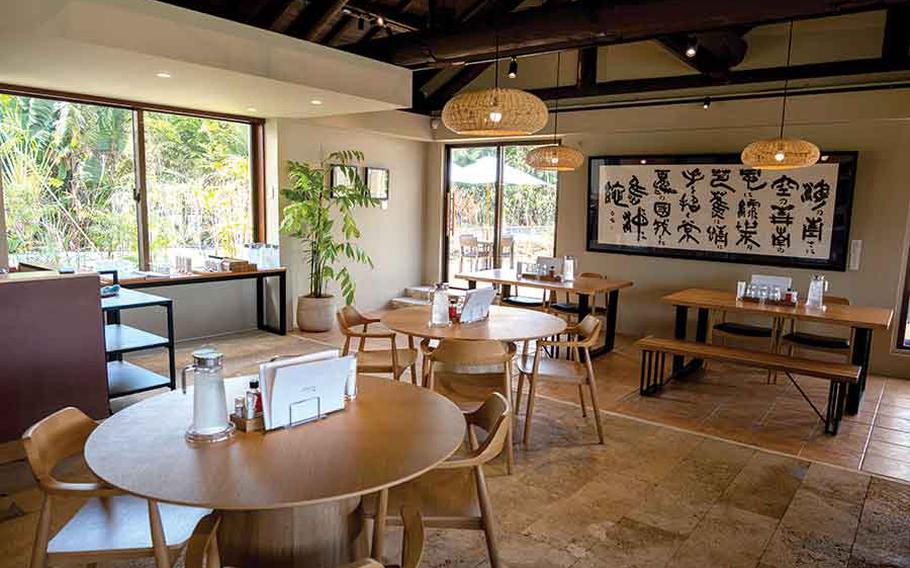
Zakimi Sabo (Photo by Shoji Kudaka/Stripes Okinawa)
Zakimi Sabo (Photo by Shoji Kudaka/Stripes Okinawa)
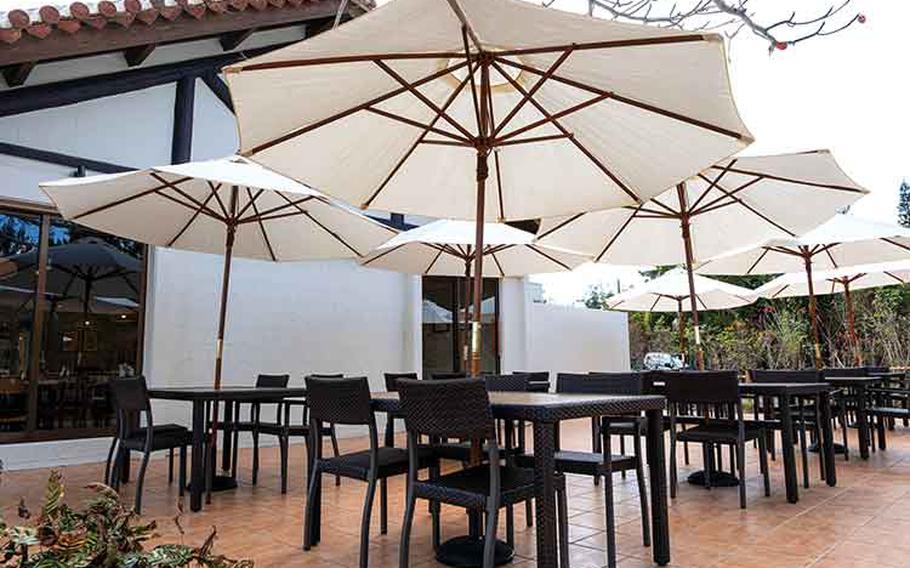
Zakimi Sabo (Photo by Shoji Kudaka/Stripes Okinawa)
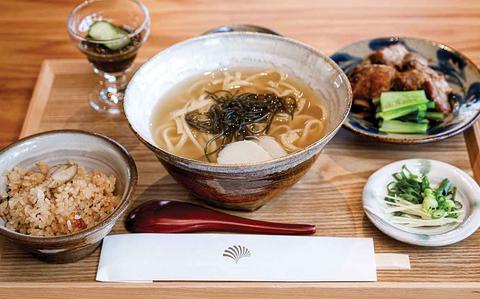
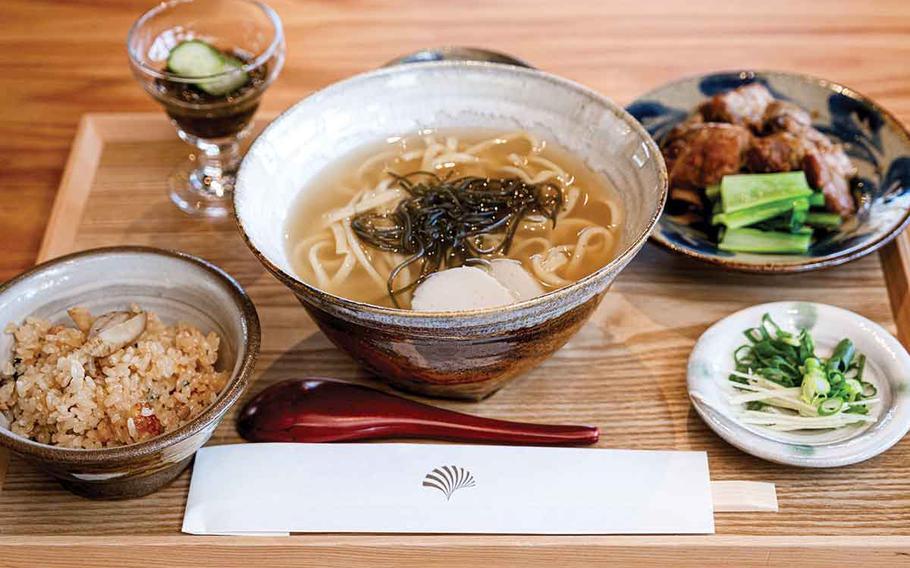
I went with the orthodox choice and selected the soki soba set since this was my first visit. For 1,650 yen, the set included jushi Okinawan rice, mozuku seaweed and jimami peanut tofu.
There were also two types of noodles to choose from: mokkai/mokuhai (chewy noodles made by utilizing wood ash) and nama (fresh noodles). I chose the fresh type, which was advertised as unique to the eatery.
My meal set arrived swiftly and was served in Yachimun bowls and plates. The food was beautiful to look at, but I was also impressed with the pottery. Especially the noodle and rice bowls, which were colored white on the inside and brown on the outside. The pottery’s subtle tone fits well in the classy atmosphere of the eatery and helped the food look tasty.
While the dish was a feast for the eyes, I was ready to dig in. The taste of the balanced bonito flake and pork broth made me smile. It had a good balance between not too light and not too heavy. The fresh noodles made of local flour felt very smooth as predicted, while retaining some chew, which I really liked.
The braised pork felt very soft and tasted savory. Enjoying the hearty meal in the light-filled atmosphere was fulfilling for my stomach and heart.
It was a shame I was too full to order from the dessert menu, which included cheesecake (450 yen) and scones (1,000 yen for four pieces). I guess I’ll have to come back!
Perusing the pottery
Instead of dessert, I took some time to browse Yomitan Garden’s gallery where many pieces of pottery were on display. According Garden employee Ms. Miyagi, the works displayed here are from 40 of the nearly 70 studios in Yomitan Village. There were several hundred unique pieces on display when I visited.
Miyagi said the displays change often as the pieces sell and new pottery pieces are brought in.
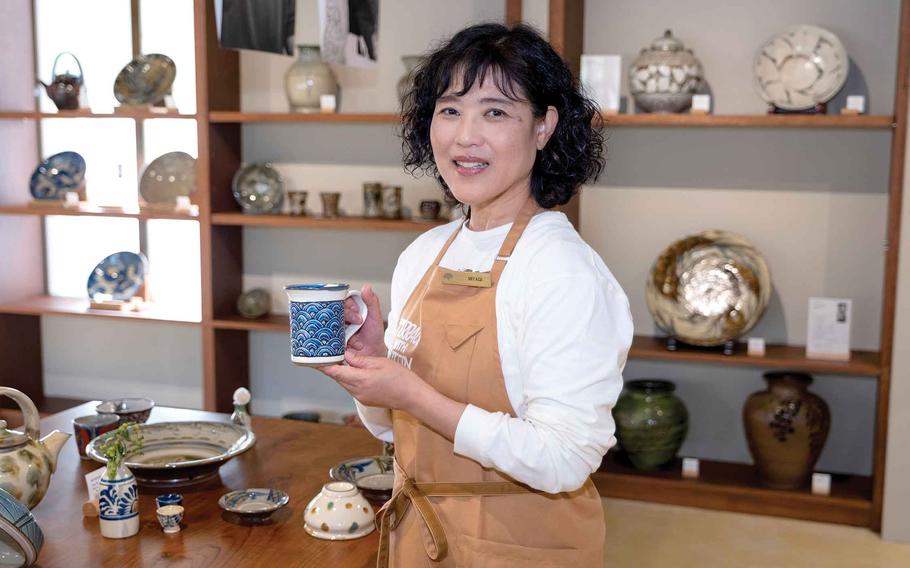
(Photo by Shoji Kudaka/Stripes Okinawa)
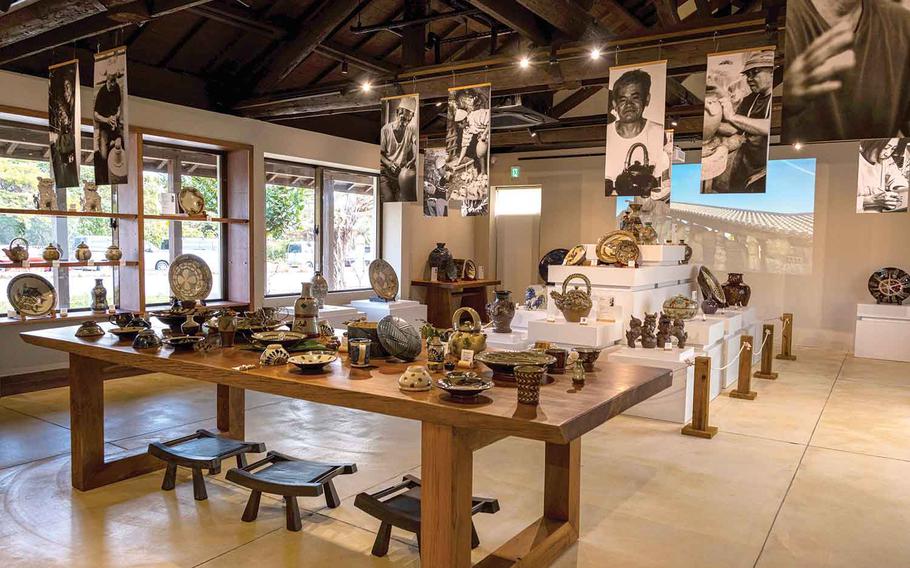
(Photo by Shoji Kudaka/Stripes Okinawa)
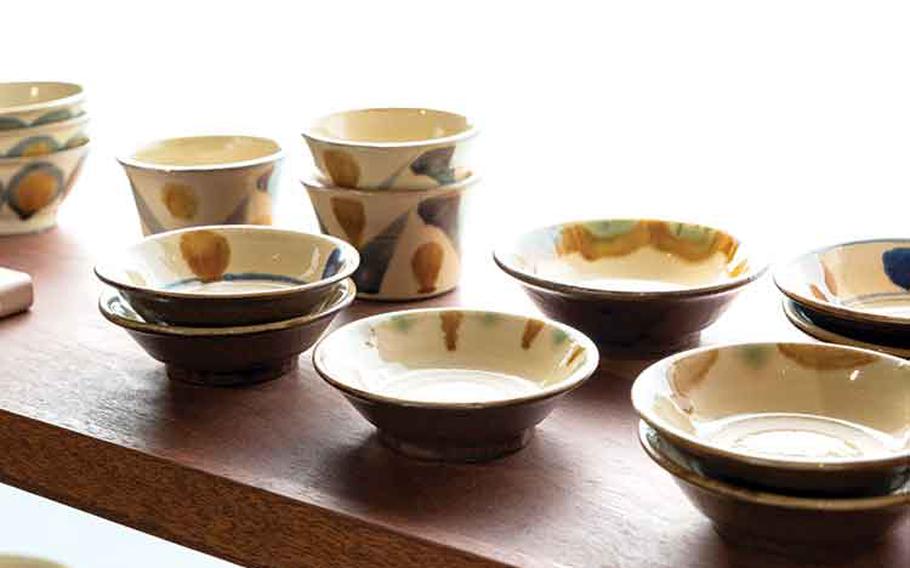
(Photo by Shoji Kudaka/Stripes Okinawa)
(Photo by Shoji Kudaka/Stripes Okinawa)
“For potteries for daily use, we have products from somewhere around 1,000 yen to 7,000 or 8,000 yen,” Miyagi said, adding that mugs are among the best sellers at the gallery.
Although the pieces are beautiful to look at, Miyagi said the intent is to remind admirers that Yachimun is special because it is a product of nature.
“It takes flames at 1,200 degrees Celsius to finish potteries in a kiln. It’s a lot of work. Plus, pine lumber in good condition is necessary,” Miyagi said.
For Miyagi, this also applies to holding a piece to feel it and get a different perspective. A perspective visitors can appreciate when they take time to dine at the restaurant like I did.
If you want to grab an incredible bowl of noodles and discover the beauty of Yomitan’s local craft, this is the spot for you!
Yomitan Garden
GPS Coordinates: 26.405313, 127.758871
Hours: 11 a.m. – 6 p.m. (Zakimi Sabo), 9 a.m. – 6 p.m. (Terrace with Pottery) *Closed on Thu
Website
AloJapan.com