
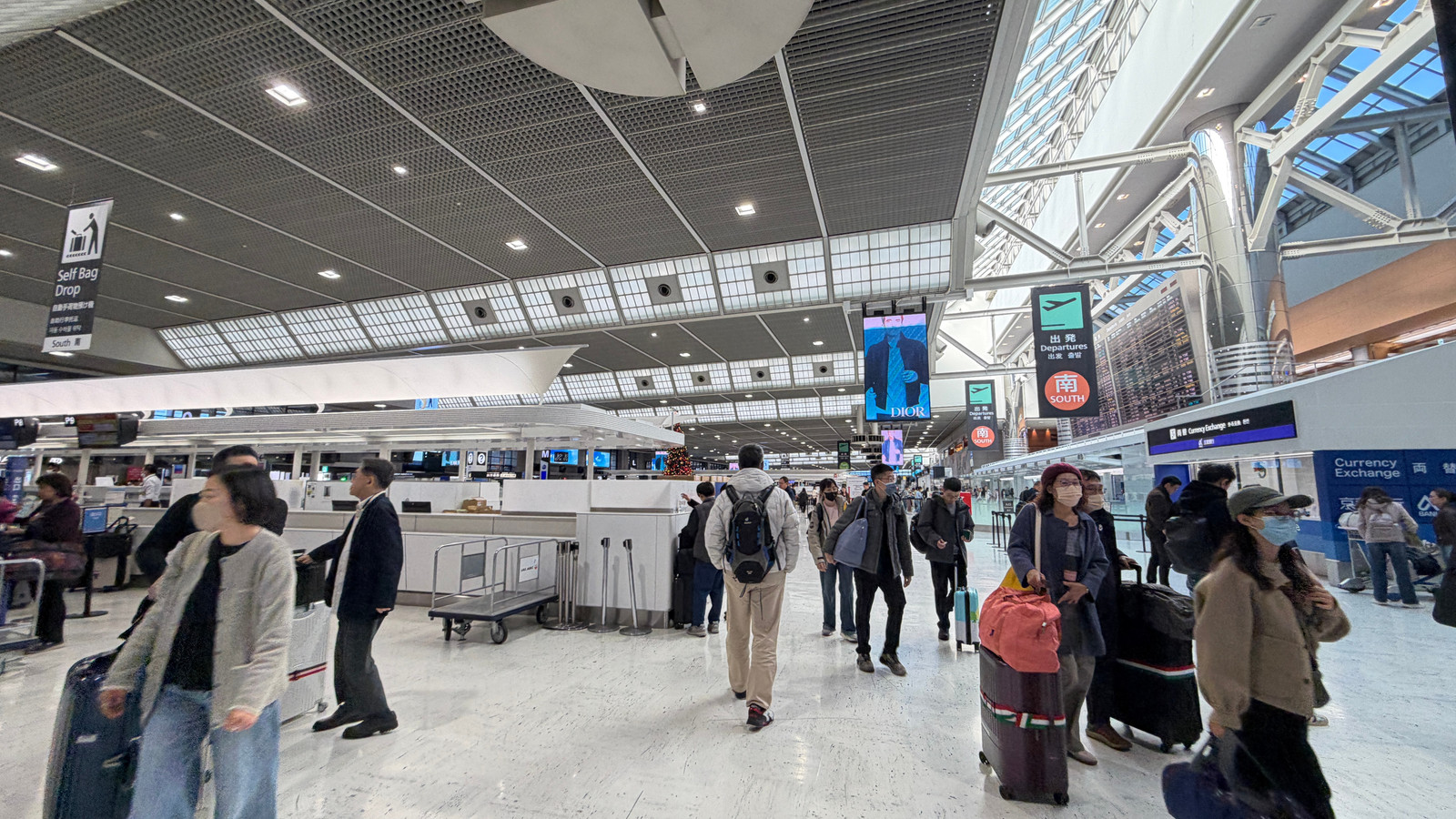
Changes are on the way for American tourists hoping to visit Japan. Beginning in 2028, Japan is set to launch its own version of the U.S. ESTA system called JESTA (Japan Electronic System for Travel Authorization). The new system will apply to travelers from 74 different visa-exempt countries, including the U.S. and Canada.
Under JESTA, travelers who can presently visit Japan for short-term stays without a visa will be required to register online prior to their trip. Japan and the U.S. are not the only countries with programs like this. Earlier this year, the United Kingdom introduced the Electronic Travel Authorization, which has similar application requirements. In October 2025, Europe also introduced a new program that required Americans and Canadians to be fingerprinted and photographed when traveling to certain EU countries.
A specific launch date for JESTA has yet to be announced, but here’s everything you need to know about the future program.
Travelers Attempting To Board Flights To Japan Without A JESTA Will Be Denied Boarding
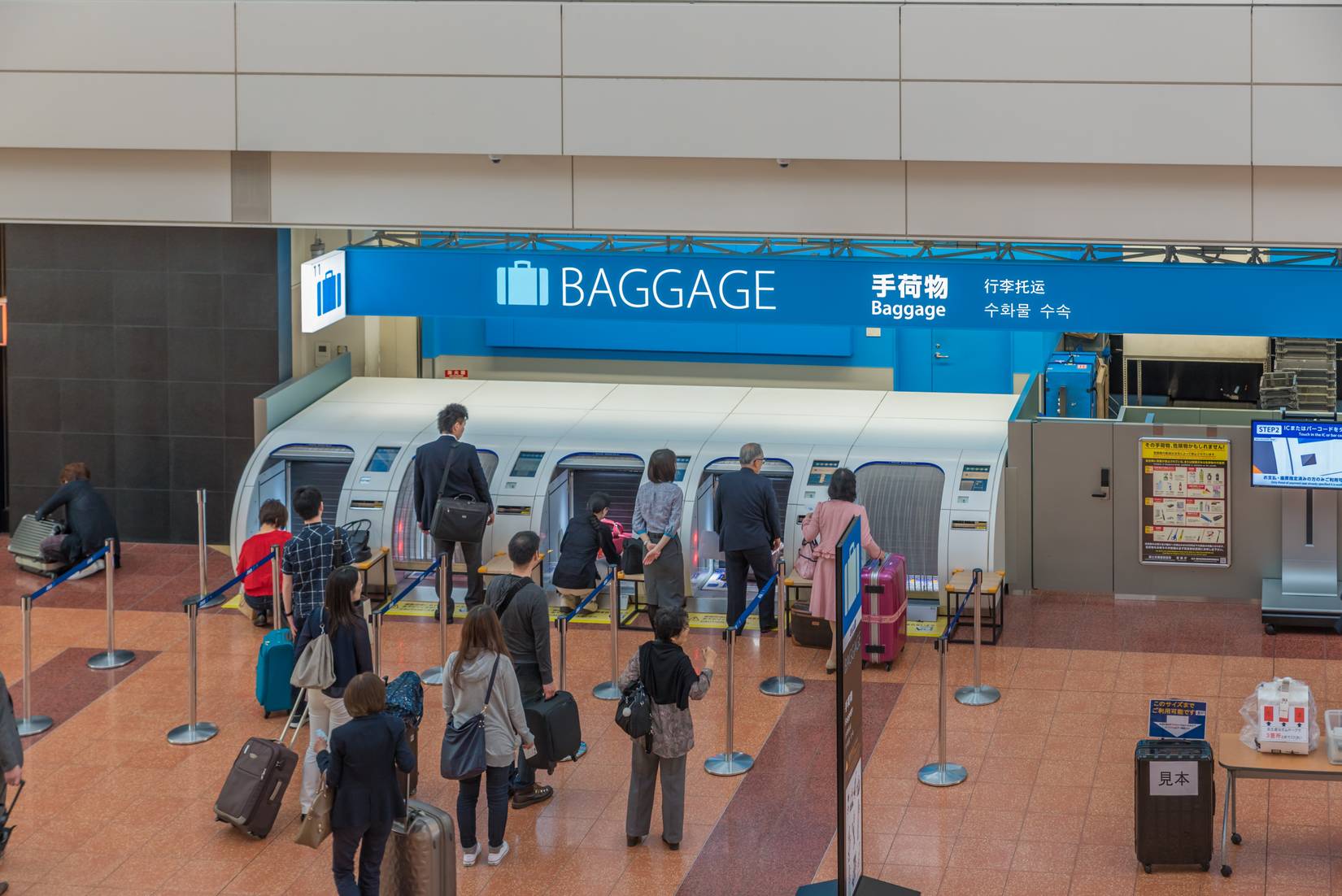
Travelers line up behind terminal 2 of Tokyo International Airport in JapanCredit: Takashi Images/Shutterstock
The JESTA program is being introduced on the heels of a record-breaking year for U.S. visits to Japan. According to data from the Japan National Tourism Organization, 2025 saw more than 3.3 million U.S. visitors. 2026 is off to an impressive start as well, with a reported 427,500 U.S. travelers arriving in Japan in January and February alone. That number accounts for a 14.3% growth rate when compared to the same time last year.
Moving forward, U.S. travelers who attempt to board flights to Japan without first applying for the JESTA will be denied boarding. Applying for travel authorization to Japan looks similar to the ESTA program, wherein travelers are required to provide the following information:
Passport information
Purpose of the trip (ie, business or leisure)
Accommodation details
Departure dates
At the airport, airline staff will confirm your JESTA approval status before boarding. The new program is designed to both prevent the entry of “undesirable foreign nationals” and “facilitate entry procedures for visitors who pose no problems,” according to Japan’s Prime Minister, Sanae Takaichi.
Japan’s Prime Minister Addresses JESTA Program In General Policy Speech
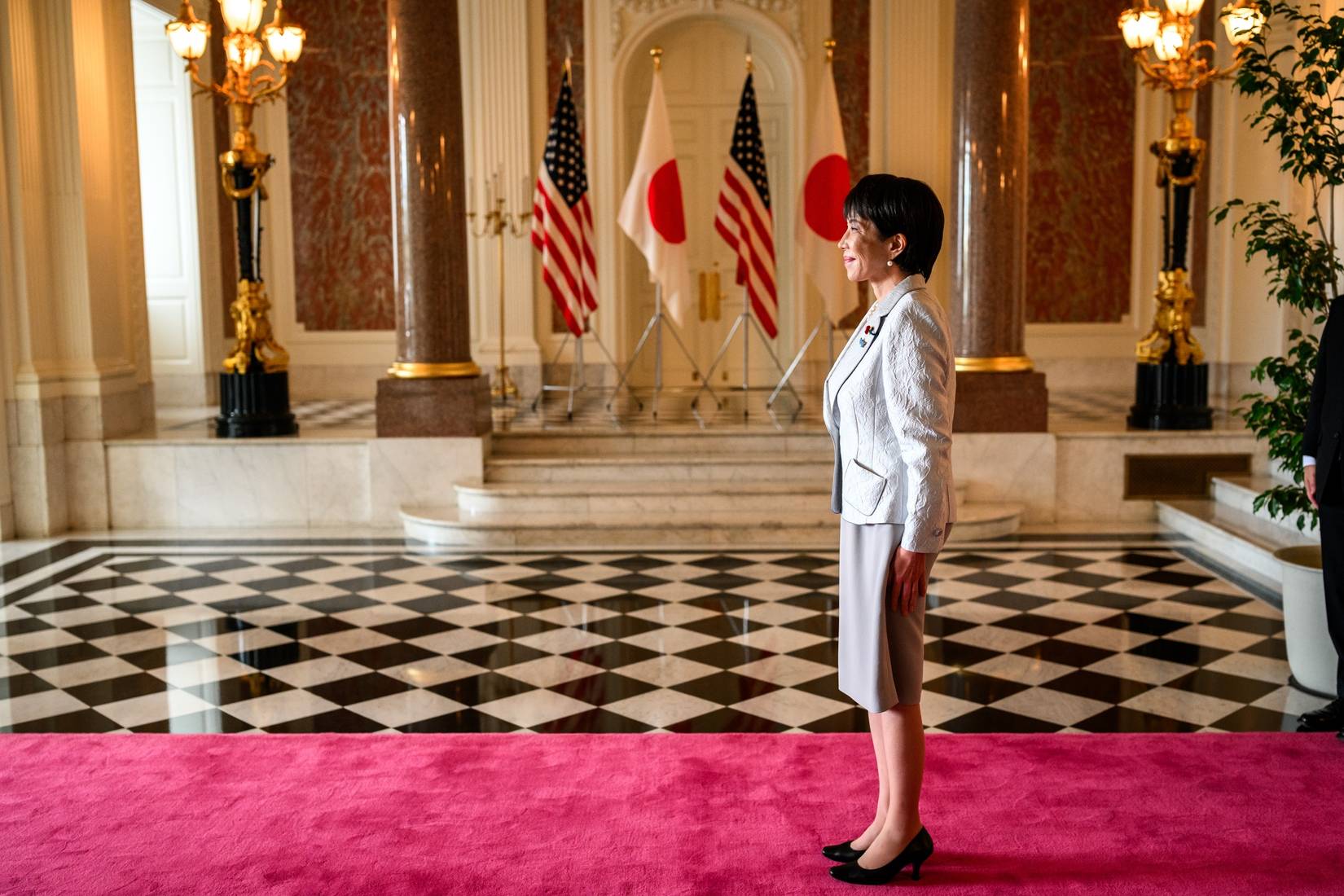
Japanese Prime Minister Sanae Takaichi standing in Akasaka Palace in Tokyo, Japan.Credit: carlos110/Shutterstock
In a policy speech delivered in February, Prime Minister Sanae Takaichi addressed the program as an answer to what she called “illegal acts and deviations from the rules by some foreigners.”
“We must take into consideration the fact that illegal acts and deviations from the rules by some foreigners are causing anxiety and feelings of injustice among the Japanese people,” Takaichi said. “For the sake of the majority of foreigners who stay and reside in Japan while abiding by the rules and paying taxes and social insurance contributions, we will take a firm stance against problematic behavior to prevent Japan from falling into xenophobia.”
She continued, “In particular, we will submit a bill to establish the Electronic Travel Authorization System, ‘JESTA’ for short-term visitors to Japan. This will prevent the entry of foreigners who are undesirable to Japan and facilitate entry procedures for visitors who do not cause problems.”
Until JESTA is officially launched, U.S. travelers can still visit Japan without a visa for stays of 90 days or less. That said, there are some travel advisories to keep in mind.
U.S. State Department Travel Advisories For Japan
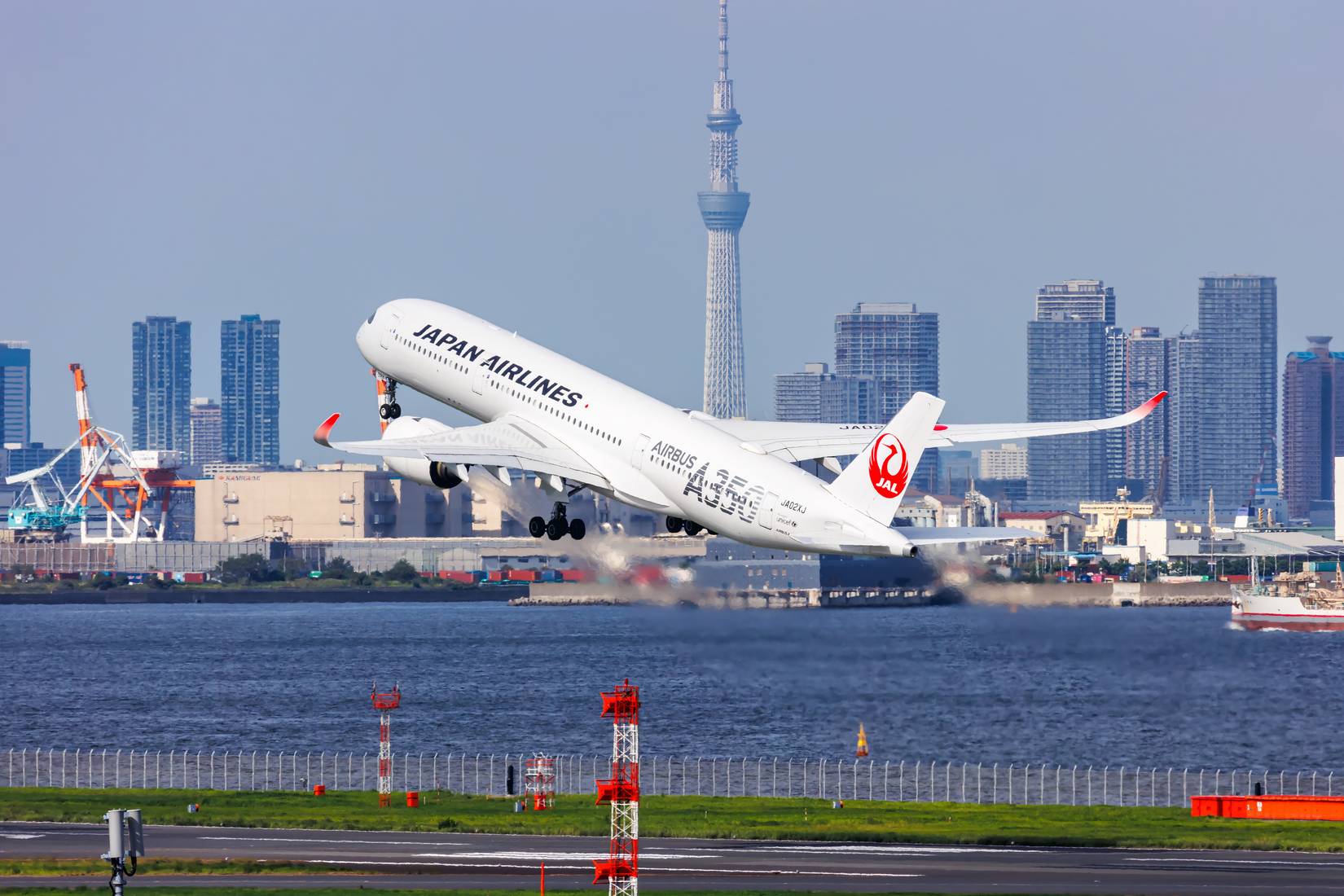
Tokyo, Japan – Japan Airlines JAL Airbus A350-900Credit: Markus Mainka/Shutterstock
Currently, the U.S. State Department has a Level 1 advisory in place for Japan. This is the lowest and safest advisory and is just in place to remind travelers to “exercise normal precautions in Japan.”
On the topic of passports, travelers are reminded to keep the following in mind before departing for Japan:
Your passport must be valid for the entire stay.
You’ll need one blank page per entry stamp.
You cannot travel on a passport you have previously declared lost or stolen, even if you find it later.
The U.S. Embassy also advises travelers to familiarize themselves with local laws, particularly those pertaining to drug use. The State Department website notes:
Drugs like marijuana and certain prescription drugs like Adderall are illegal in Japan, even if you have a prescription from the United States.
U.S. prescriptions are not honored in Japan. Bring enough medication for your stay.
More details are likely to emerge regarding the JESTA between now and its expected 2028 launch. While nothing official has been announced, speculation from various sources says the Japan Electronic System for Travel Authorization will cost between $10 and $30 USD.
AloJapan.com