
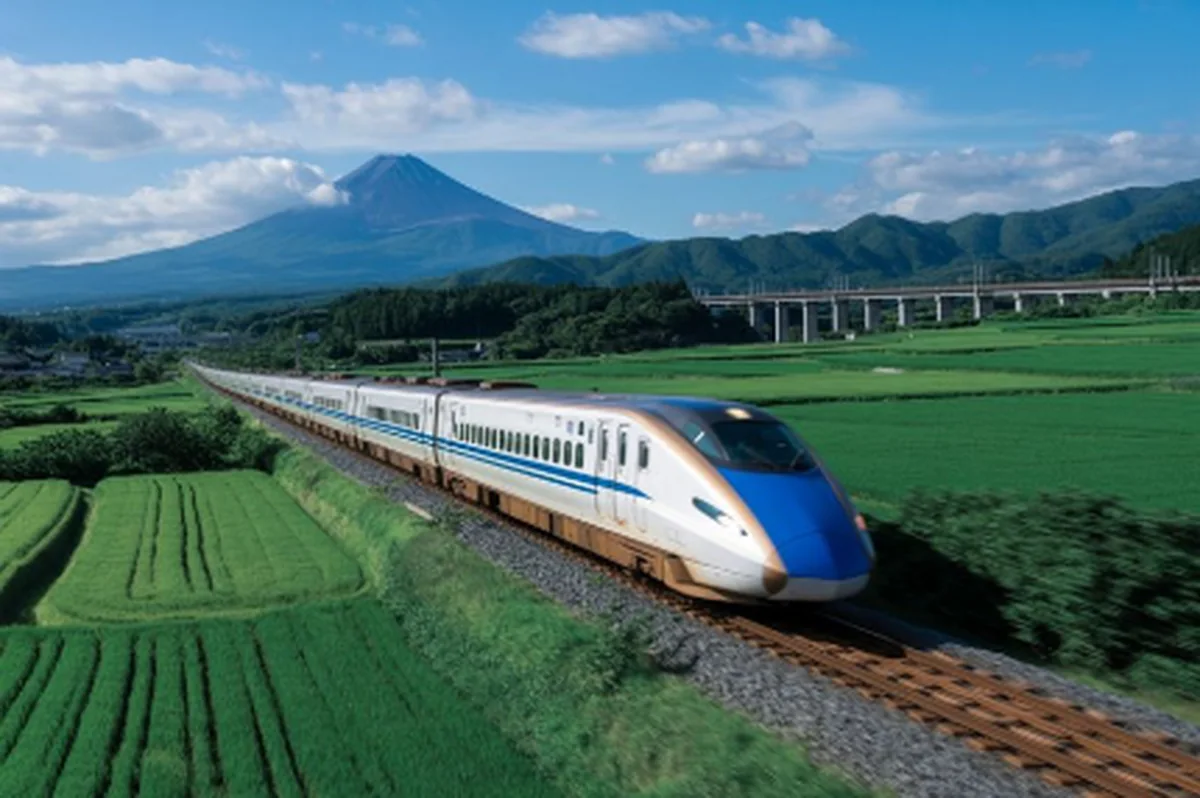
Shinkansen freight services are giving Japan’s bullet trains a new role. As previously covered by Railway Supply, rail operators are beginning to use high-speed trains for cargo. Also, that shift could ease logistics pressure. It could also support tourism through a more efficient transport network.
 Shinkansen freight services ease logistics in Japan JR East and Shinkansen cargo transport
Japan’s transport sector is under pressure from demographic change and labor shortages. An aging population is part of that pressure. A smaller workforce is another. Meanwhile, those conditions are creating difficulties across transportation and logistics. They are also pushing operators to rethink how existing systems are used.
Don’t miss…ScotRail Class 222 refurbishment deal covers 22 Meridian trains
In response, JR East has started repurposing older trainsets for Shinkansen cargo transport. As JR East has outlined, selected trains are having seats removed. They are also being fitted to carry goods instead. In addition, each trip can handle up to 17.4 tonnes of freight. That helps operators use trains during off-peak hours. Passenger demand is lower at those times.
That effort is part of a wider push. The aim is to keep the high-speed rail network economically sustainable. It also makes better use of trains that might otherwise remain idle. Meanwhile, the network still serves its main purpose. It remains a transport option for both residents and visitors.
How Shinkansen freight services may affect tourism?
The change could also affect tourism in Japan. Faster and more efficient movement of goods may improve the travel experience. This is especially relevant for local produce, souvenirs, and time-sensitive products such as electronics.
For example, fresh sushi and seafood can be transported more efficiently. That may help travelers access fresher products during their trips. At the same time, this approach could make the rail network more resilient. It could also make the network more sustainable.
If fewer trains need to be built, operators may be able to redirect resources. Those resources may support the visitor experience. Also, that may include onboard amenities. It may also include access to new, more remote destinations. The same may apply if fewer trains need to run only for passenger service.
Japan tourism infrastructure remains one of the country’s key attractions. The Shinkansen is a central part of that system. Millions of travelers continue to visit for culture, heritage, and natural scenery. Meanwhile, improvements in transportation can strengthen that appeal. Fast and reliable travel is often a priority for tourists. This adjustment in rail services may make future visits more attractive.
High-speed rail logistics and trucking shortages in Japan
Beyond tourism, high-speed rail logistics can help Japan respond to delivery challenges. Japan has recently faced labor shortages in the trucking industry. This is especially true in long-distance freight. Separately, shifting some cargo onto the Shinkansen network can ease pressure on road haulage. Japan is using an established transport system for that purpose.
Delivery speed
Speed is another factor behind the shift. Shinkansen services can move goods between major cities faster than conventional freight trains. That makes them well suited to fresh food, electronics, and other time-sensitive cargo. Meanwhile, other countries with advanced rail systems could consider similar freight models.
Tourism and the economy
Over time, Japan may strengthen its position as a leading tourism destination. Combining passenger operations with freight services could help. Modern infrastructure and smoother travel experiences are likely to remain attractive to visitors. In addition, stronger logistics capability supports the wider economy in a changing global environment.
As Japan continues adapting its transport system, benefits may reach tourists and the economy. For visitors, that could mean a more connected and accessible travel experience. Still, the country is using one of its best-known transport assets more flexibly. That reflects an effort to address future challenges.
Using bullet trains for cargo marks a notable change. It changes how the Shinkansen network is being used. Also, Japan is working to keep the system efficient and relevant in the years ahead. It is also maintaining its focus on innovation and efficiency in transport infrastructure.
News on railway transport, industry, and railway technologies from Railway Supply that you might have missed:
Find the latest news of the railway industry in Eastern Europe, the former Soviet Union and the rest of the world on our page on Facebook, Twitter, LinkedIn, read Railway Supply magazine online.
Place your ads on webportal and in Railway Supply magazine. Detailed information is in Railway Supply media kit
AloJapan.com