
Nara Daizi Temple Omizutori
Osaka Grand Sumo Tournament
Kyoto Gifu Shrine ‘Non-Prayal Festival’
Osaka, Japan, is harder to find people who haven’t gone than those who have. It is the first overseas destination for many people and a Japanese destination where Koreans especially go.
About 9.8 million foreign tourists visited Osaka in 2024. Among them, Koreans accounted for the largest number of 2.4 million. It’s not a place to go once. There are many people who come back twice or three times.
If we go to the place we already went to again, where would we go. I think I’ve already been to all the famous places, and if I’m running out of places to go. The secret to completing the trip is to visit a local festival.
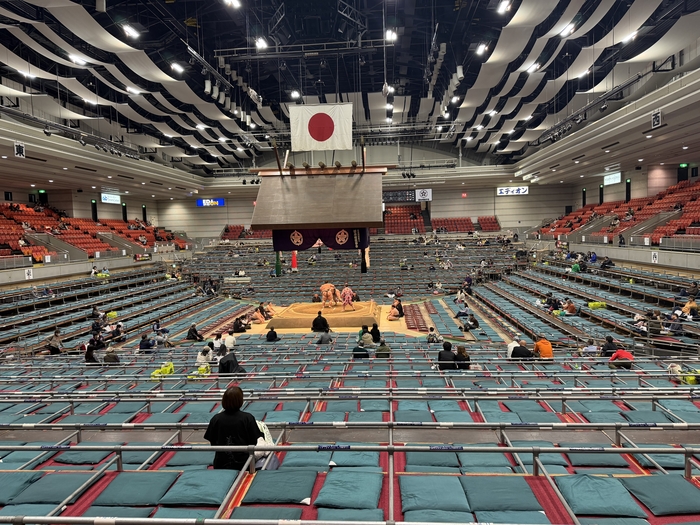 사진 확대 Osaka Grand Sumo Tournament in Japan / Photo = Moon Jae-yeon Travel + Reporter
If a festival is added to an ordinary place, the atmosphere changes completely. In March, the Kansai region of Japan, where I visited, was followed by large and small events in each city. Osaka of Japan, Kyoto of Japan, and Nara of Japan. The three popular Kansai cities that are often tied up. This time, I went on a trip to find a festival, not a tourist destination.
On a spring night when fireworks are pouring out, Japan’s Daizi ‘Omizutori’
Japan (奈良), famous for deer, is about a 40-minute train ride from Osaka. I usually look for it as a half-day schedule, but if you came in early March, there is a reason to stay until the evening.
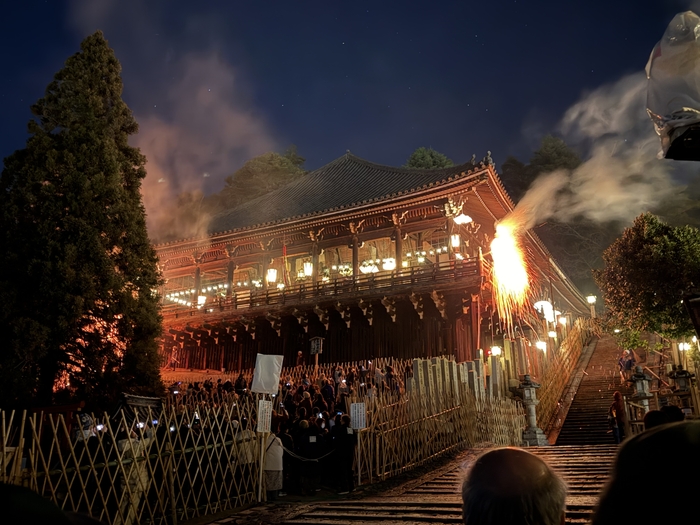 사진 확대 Japan Nara Daiji Temple Omizutori / Photograph = Moon Jae-yeon Travel + Reporter
The “Omizutori” is held every year from March 1st to 14th in Niigatsu-do, Nara. It is a Buddhist ritual for spring that has lasted for more than 1250 years.
Eleven Dodaiji monks continue fasting and practice for 14 days, repenting for human sins in front of the Avalokiteshvara and praying for peace and disaster prevention of the country. The key is to draw and offer sacred well water, just like the name “Water Harvest.”
As it is a large Buddhist event in the country, photographers stand in line from the morning. If you’re looking for a photographic spot in Myeongdang, I recommend you go early. However, if it is a simple viewing, it is enough to arrive 30 minutes to an hour in advance on weekdays.
There is also a way to come two hours early to get a ticket and re-enter if you want to see it closer to the employee. Surprisingly, there is a free lounge inside the temple. The waiting time isn’t that hard either.
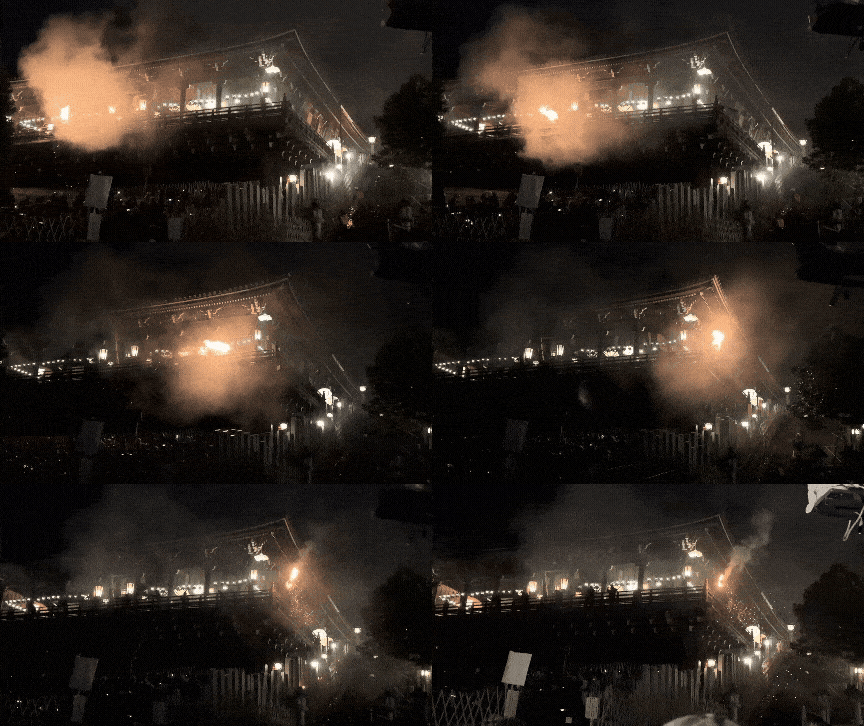 사진 확대 Japan Nara Daizi Temple Otaimatsu / Photograph = Moon Jae-yeon Travel + Reporter
At 7 p.m., the monks walk around the corridor with large pine torches. With the sound of the bell as a signal, Niigatsu also wields a large torch in the corridor, which is called Otaimatsu. It is said that if you are caught in a fire with the flame of this torch, you will prevent bad luck.
The peak of Omitori is late at night on March 12. To be exact, it is around 1 a.m. on the 13th. The Immortal Act, which has lasted more than 1270 years, unfolds at this time. The last event on the 12th is a ceremony called ‘Dottan’.
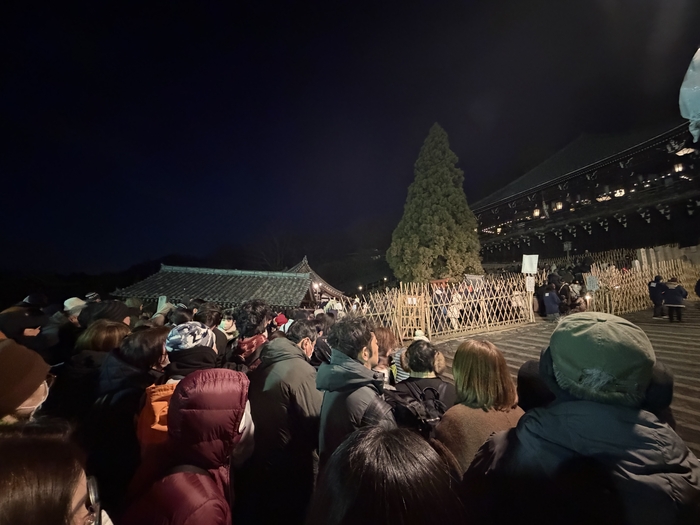 사진 확대 Tourists who visited Omizutori / Photograph = Moon Jae-yeon Travel + Reporter
A large torch weighing about 8kg strongly moves the earthquake-resistant area close to the original site. The sight of fireworks pouring down like waterfalls is overwhelming. At the end of the last ceremony, the visitors burst the exclamation they endured and clapped together to wrap up.
On the way back to Nara Station, let’s take a look up at the night sky. The stars that are hard to see in Osaka are clear. It is a perfect finish that extends from a glittering torch to a twinkling star.
Sumo fever in the middle of Namba, Grand Sumo Tournament
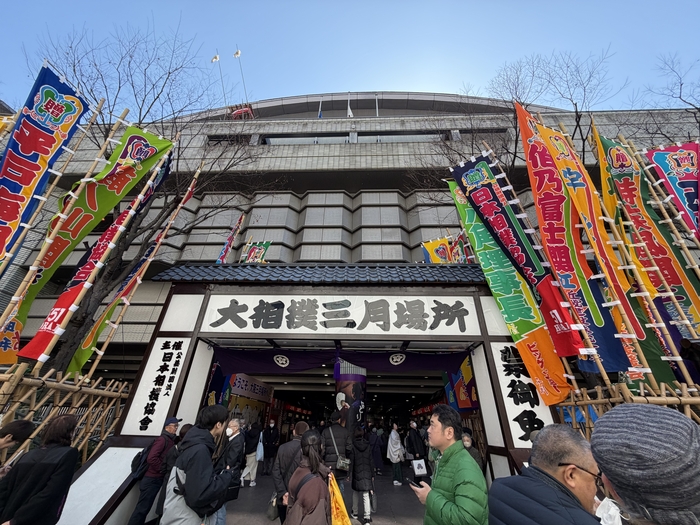 사진 확대 Edion Arena in Osaka, Japan / Photo = Moon Jae-yeon Travel + Reporter
In Tokyo, South Korea succeeded in advancing to the quarterfinals for the first time in 17 years with baseball, while the Grand Sumo Tournament was held in Osaka.
In March, Osaka will hold an annual spring sumo tournament. The venue is Edion Arena near Namba Station. It’s less than 10 minutes walk from the station. It is also close to Dotonbori and Shinsaibashi, so it is good to put in the travel route.
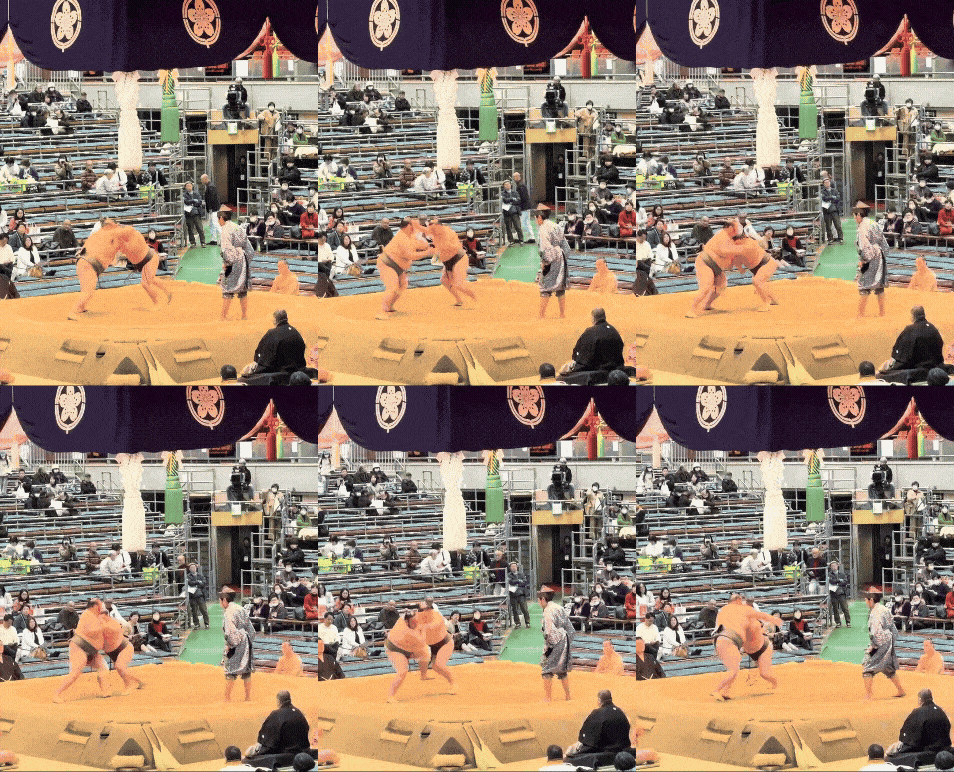 사진 확대 Grand Sumo Tournament Game Site / Photograph = Seo Moon-yeon Travel + Reporter
Sumo is an unfamiliar sport to foreign travelers, but when you enter, you quickly fall in love with it. First of all, the rules are simple. If your opponent goes out of the ring, you win. There is no need for explanation. Since the flow of the game is fast and the game is fast, it is good for those who see it for the first time to watch it.
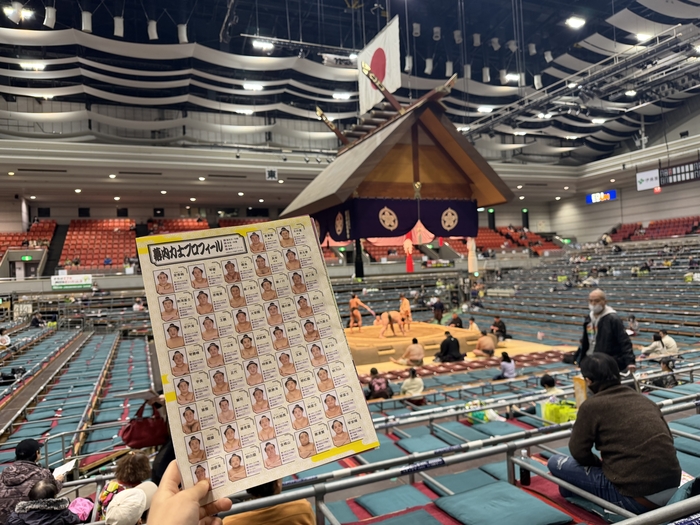 사진 확대 Grand sumo tournament roster / photo = Seo Moon-yeon travel + reporter
If you enter, you will receive a list of players and photos. They all have the same hairstyle and the same posture. The good thing about the sumo game is that the players walk right by. In fact, there were many people who asked for photos or autographs from the players, and it is not difficult to give words of support or have a conversation with a favorite player.
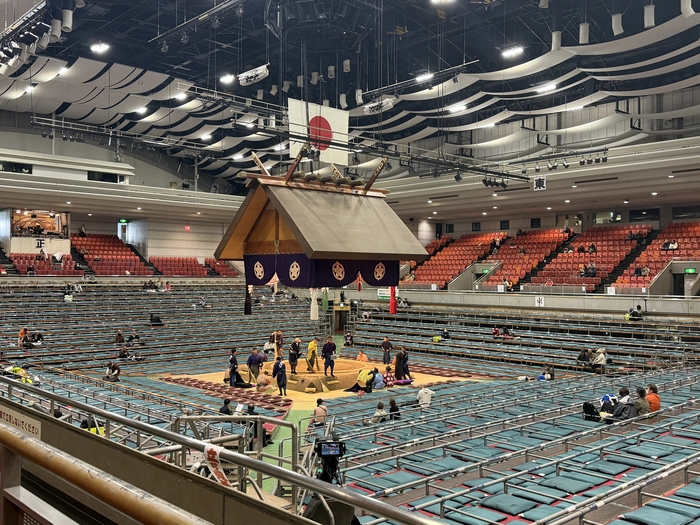 사진 확대 Osaka Grand Sumo Tournament Stadium / Photo = Seo Moon-yeon Travel + Reporter
The sumo tournament runs from 9 a.m. to 9 p.m. So the stadium heat is not the same all day. In the morning, it is quiet because it focuses on lower league games. If you don’t know well about famous players and only want to watch the game, I recommend watching in the morning. There are few people, so it’s good to go around other floors and see every corner of the stadium.
Usually, Grand Sumo tournaments are priced between 300,000 won and 400,000 won. If you’re lucky, you can also find a ticket around 100,000 won on weekdays, so please refer to it.
Quiet Mountain Shrine Kyoto Gifu Neshin Shrine ‘Rain Prayer Festival’
If the previous two events were large events where many people gathered, Kyoto met a small and simple event of charm.
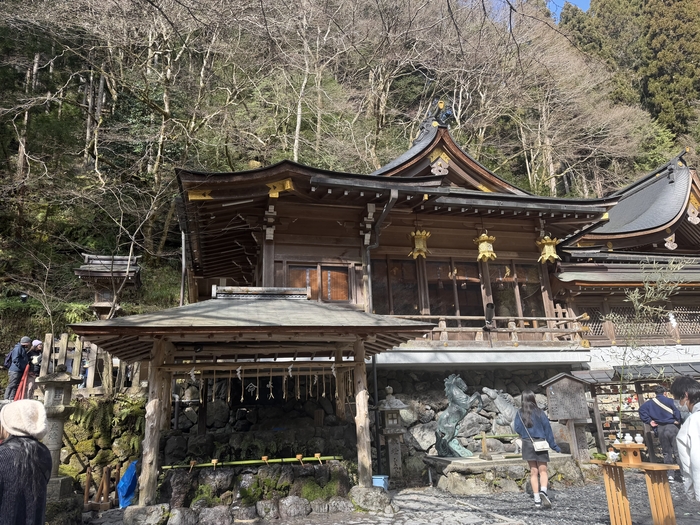 사진 확대 Kyoto Gifu-ne Shrine / Photo = Moon Jae-yeon Travel + Reporter
Gifune Shrine in the mountains of northern Kyoto is about an hour and a half by public transportation from central Kyoto. If you look at the shrine itself, it is small enough to look around in five minutes. A small gentleman, it’s far from a small event, but you can go if you’re traveling. Under the guise of ‘traveling on the way.’
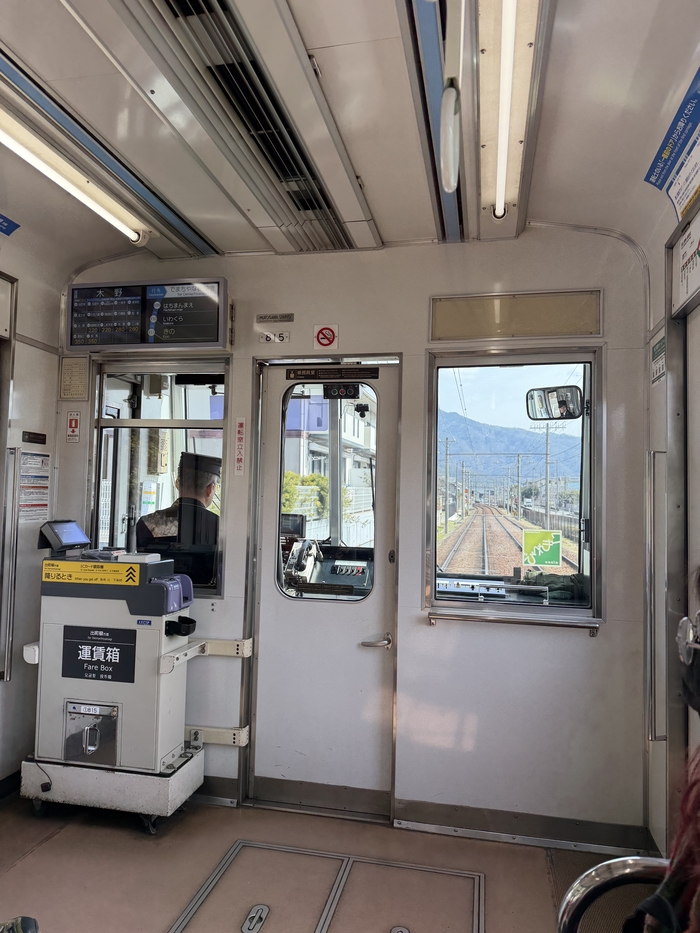 사진 확대 Eazan Train to Gifu-ne Shrine / Photo = Moon Jae-yeon Travel + Reporter
The road to Gifu’s Shrine is especially beautiful. To get to Gifune Shrine from downtown Kyoto, take the Eizan subway, get off at Donneguchi Station, and then go by bus or foot. It is recommended for those who want to feel the Japanese rural sensibility because they pass through the rural village.
The way to feel it properly is to get on the first carriage with an engineer. The view from the front window with the engineer is romantic itself. After traveling by train for about 30 minutes, take the 33rd bus to Shinsa to arrive.
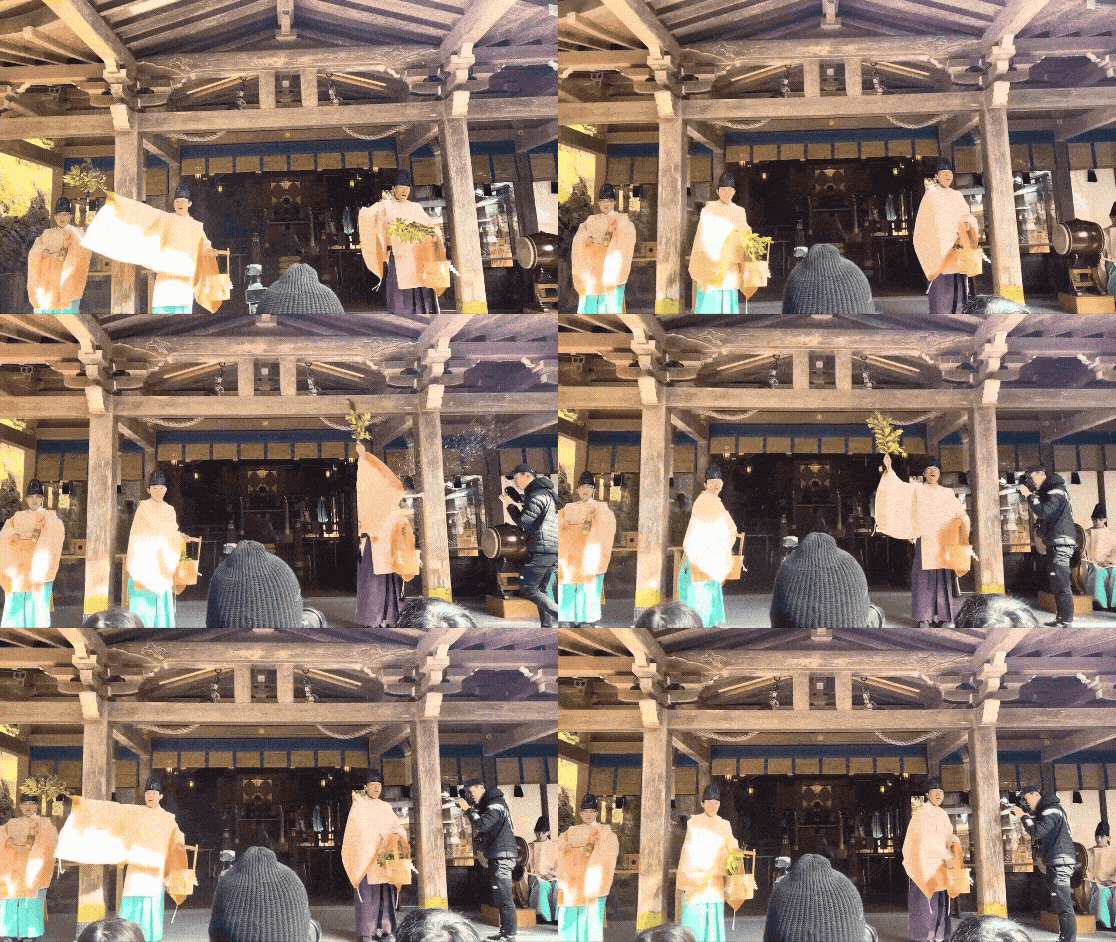 사진 확대 Kyoto Gifu Neshin Memorial Festival / Photograph = Moon Jae-yeon Travel + Reporter
Gifune Shrine is a shrine located in the water source of the Kamogang River, where the god in charge of water is enshrined. It serves the god of water, Takao-Kaminokami, who protects the city’s water source and manages the supply of rain. The Biwonje is an event that conveys the ritual of rain that has been passed down since ancient times to this day. Wishing for moderate rain and five-grain abundance throughout the year.
The scale of the event is very modest. At most, about 30 people gather to watch together. It feels like visiting the mountain village ritual site, not a lively festival, so you can feel the local atmosphere deeper.
At 10 a.m., Kwon Ne-gi and a shaman go up to the main hall and pray to the god of water. Later, in front of the main building, the bells and drums are rang and shouted, “Rain down” and “Uresin.” At the same time, sacred water is sprayed into the sky and the earth with sakaki leaves.
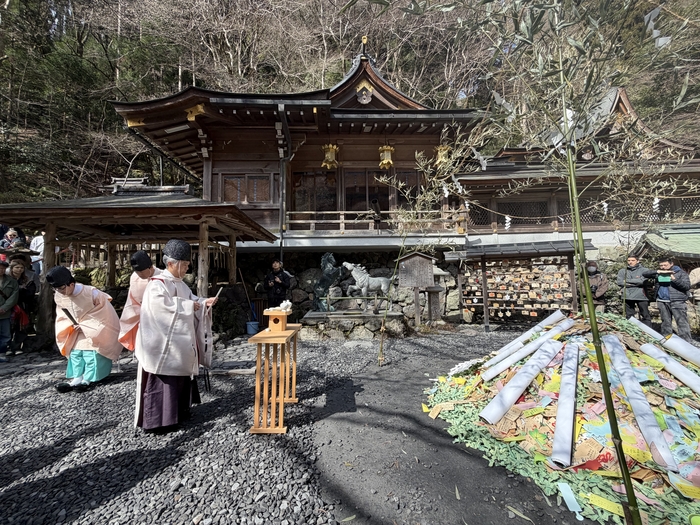 사진 확대 Kyoto Gifu Neshin Memorial Festival / Photograph = Moon Jae-yeon Travel + Reporter
The surroundings are surrounded by mountains, so you can hardly hear the sound of buses or cars. Visitors also quietly appreciate the ceremony. The sound of birds and wind is the background music.
At the end of the prayer, ema, talisman, and omikuji are collected and burned to the sky. The burning flame is a symbol of wish. The worshipers watch and pray.
Booking Train Tickets for Small Kansai Town Travel
You can go from Osaka to Nara to Kyoto by train.
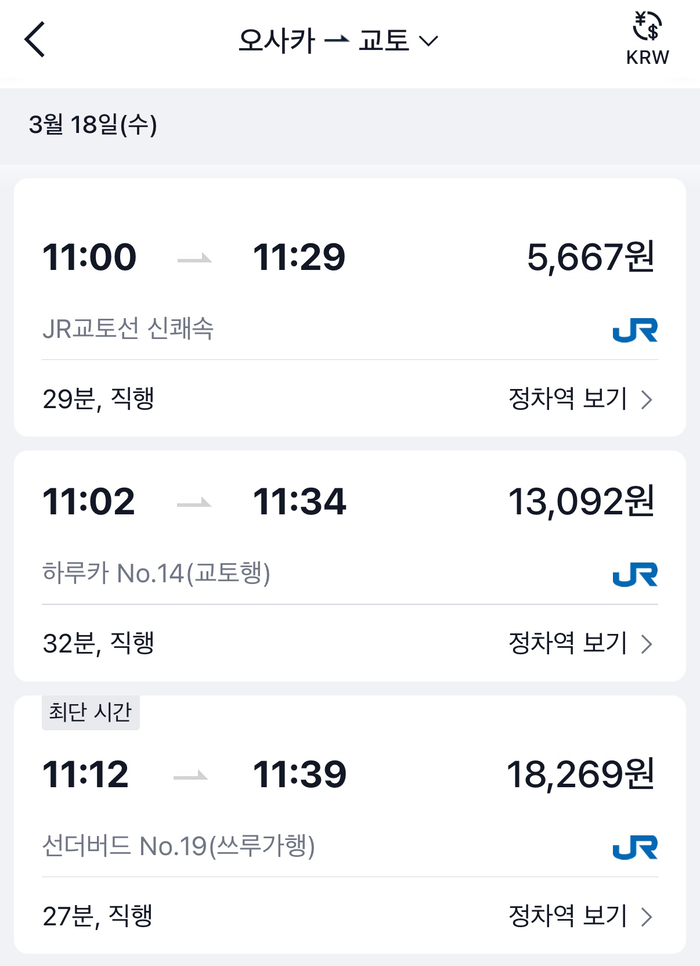 사진 확대 Trip.Com Ticket Search Screen / Photo = Moon Jae-yeon Travel + Reporter
City Movement in Kansai used TripCom service, the official partner of Japan Railways. You can buy a wide range of trains from Shinkansen to general trains and JR lines as well as general trains between regions. The route, time, and seats can be compared at once.
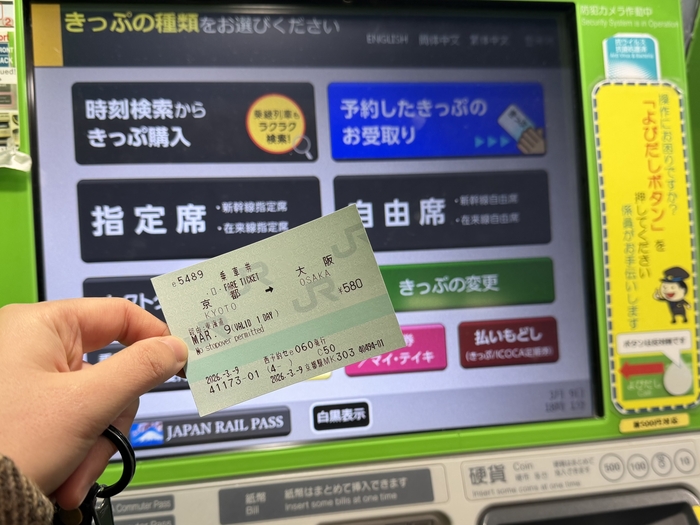 사진 확대 If you enter the QR code and phone number received by e-mail, you will get a ticket. / Photo = Moon Jae-yeon Travel + Reporter
Trains can receive QR codes by e-mail immediately after booking and issue tickets. There will be information on which device to draw a ticket and how to ride it. It is kinder than the Japanese train station information board. You can also change the train time directly on the app without having to wait in a long line at the station window.
 사진 확대 Trip.Com remaining station real-time notification screen / Photo = Moon Jae-yeon Travel + Reporter
When you get on the train, it shows you the current location and the remaining stations in real time. We also send a notification one stop before getting off. You don’t have to search for station names in foreign countries. You can search for station names in Korean, and there is also a 24-hour Korean consultation.
AloJapan.com