
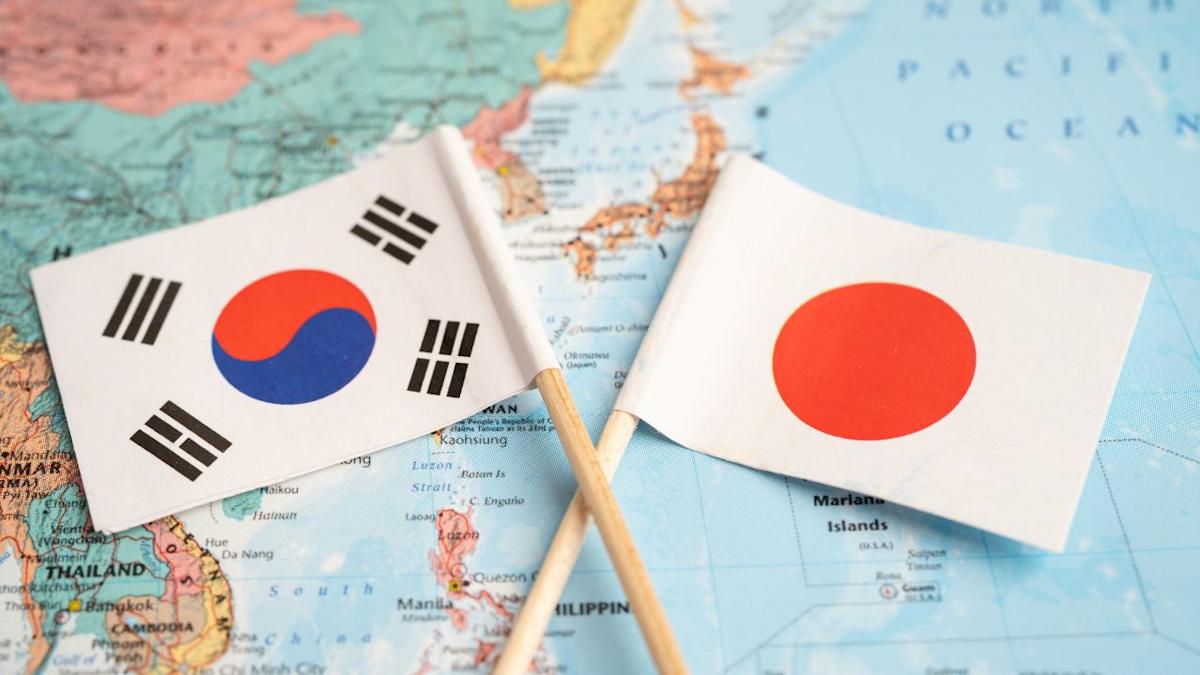
There’s no train link between Tokyo and Seoul, yet the cities can feel like they’re in the same creative neighborhood. Trends bounce back and forth, fans compare everything, and brands watch both capitals like weather reports. One week it’s a new pop release, the next it’s a streetwear silhouette, and the next it’s a café concept everyone copies. This “rivalry” isn’t a shouting match. It’s a high-speed feedback loop.
A useful way to read it is as a contest in livability and vibe, not a national argument. Both cities are magnets for students, creators, founders, and travelers who want their days to run on good design and late-night energy. Each place has its own rules of cool, and both keep rewriting them. When you visit, you’re basically walking through two different answers to the question, “What does modern Asia look like right now?”
Two Cities Competing to Be Your Default Setting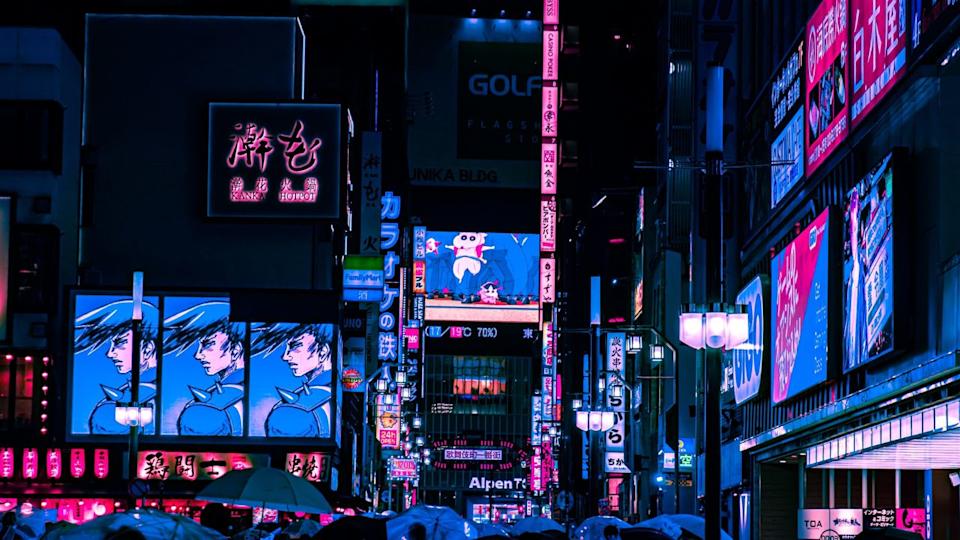
Image Credit: Shutterstock.
Tokyo’s power is scale and precision, a city that can feel endless yet still organized. Neighborhoods operate like genres: Shibuya for volume, Asakusa for tradition, Shimokitazawa for indie texture, Ginza for polish. Seoul moves faster in conversation and in trend cycles, with districts like Hongdae and Seongsu flipping from “local hangout” to global reference point in what feels like a season. Both places reward curiosity, but they reward it differently.
That contrast is exactly why the comparison never dies. Tokyo can feel like a deep library where you can study your favorite chapter for years. Seoul can feel like a live feed, constantly updating in front of you. Travelers end up choosing a side based on temperament, not taste. The funny twist is that plenty of people fall for both, then spend the rest of their lives arguing with friends about which one wins.
Soft Power: The Scoreboard Everyone Pretends Not to Check
Image Credit: Shutterstock.
If you want one widely cited yardstick for cultural pull, Brand Finance’s Global Soft Power Index 2026 executive summary is a neat snapshot of how global audiences score nation “appeal.” What matters for travelers is the real-world effect: Japan’s influence tends to look like deep trust and long-term familiarity, while South Korea’s influence often looks like fast-moving modern culture that spreads through music, TV, beauty, and tech.
In other words, Tokyo often wins on legacy and depth. Seoul often wins on acceleration and immediacy. That push-pull is why the two cities keep showing up in the same conversations, even when the topics range from ramen lines to skincare aisles.
The Soundtrack Battle: K-Pop’s Surge and Japan’s Enduring Music Ecosystem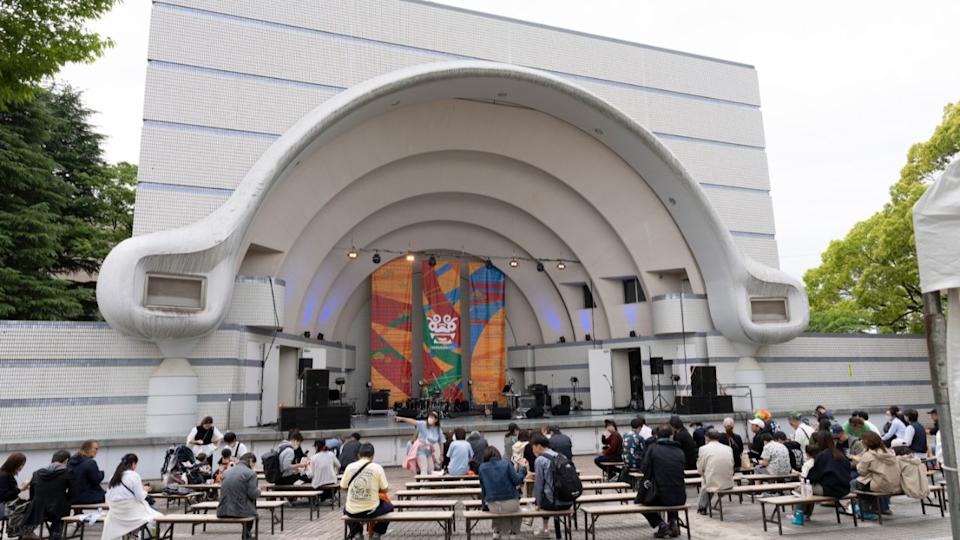
Image Credit: Shutterstock.
South Korea has turned pop into a global export machine, and government-backed survey data makes that hard to miss. In the South Korean Ministry of Culture, Sports and Tourism’s 2025 Overseas Hallyu Survey release (based on 2024 responses), K-pop was the top association people had with “Korea” (17.8%), followed by Korean food, dramas, beauty, and movies.
Japan’s music power plays differently. Instead of one wave dominating global headlines, Tokyo runs a dense ecosystem of scenes, from idol culture to rock basements to jazz bars that feel like time capsules. The city’s advantage is volume and variety, plus a live-house culture that lets niches survive. Even when a genre isn’t “trending worldwide,” it can still be thriving locally. That depth keeps Tokyo influential in a quieter, steadier way.
Screens, Stories, and the Government Strategies Behind Them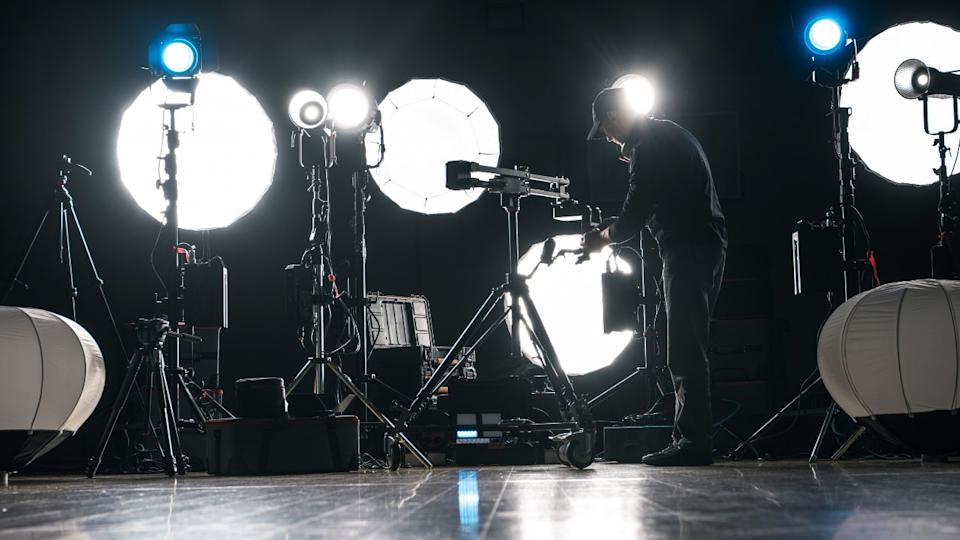
Image Credit: Shutterstock.
Japan has been explicit about turning cultural appeal into a national strategy through its long-running “Cool Japan” umbrella. The Cabinet Secretariat’s Intellectual Property Strategy Headquarters is one of the central government hubs that has framed how Japan packages cultural attractiveness overseas, and METI’s Cool Japan initiative overview shows how that thinking turns into programs that treat culture, design, and content as economic infrastructure.
South Korea has also formalized support on the policy side. The same Overseas Hallyu Survey release highlights a new legal framework designed to support Hallyu-related industries, underscoring that the “Seoul effect” is not just talent and timing. It’s also infrastructure, coordination, and export-minded planning.
Fashion, Beauty, and the Way a Sidewalk Becomes a Runway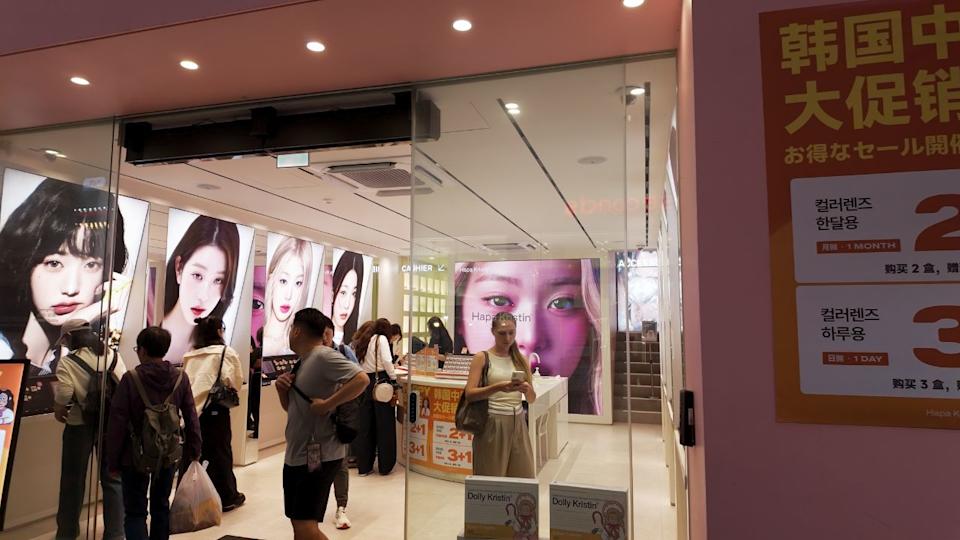
Image Credit: Shutterstock.
Tokyo’s style reputation comes from subcultures with strong identities, where “weird” can be a compliment and rules are optional. Street fashion districts have long acted like laboratories, with looks that travel globally even when the original scene stays local. The city also has a talent for remixing, taking global trends and reassembling them into something unmistakably Tokyo. You can feel that creativity just by watching commuters.
Seoul’s style influence has been tightly linked to beauty and entertainment, with a consumer-friendly pipeline from idol aesthetics to retail shelves. The Overseas Hallyu Survey summary also places Korean beauty among the top associations for “Korea,” which tracks with what visitors see in shopping streets and pharmacies. Seoul is exceptionally good at making trends usable, so they spread fast and look easy to copy. If Tokyo often celebrates individuality, Seoul often specializes in sleek coherence.
Food as Culture: Izakaya Nights vs. Late-Night Korean Comfort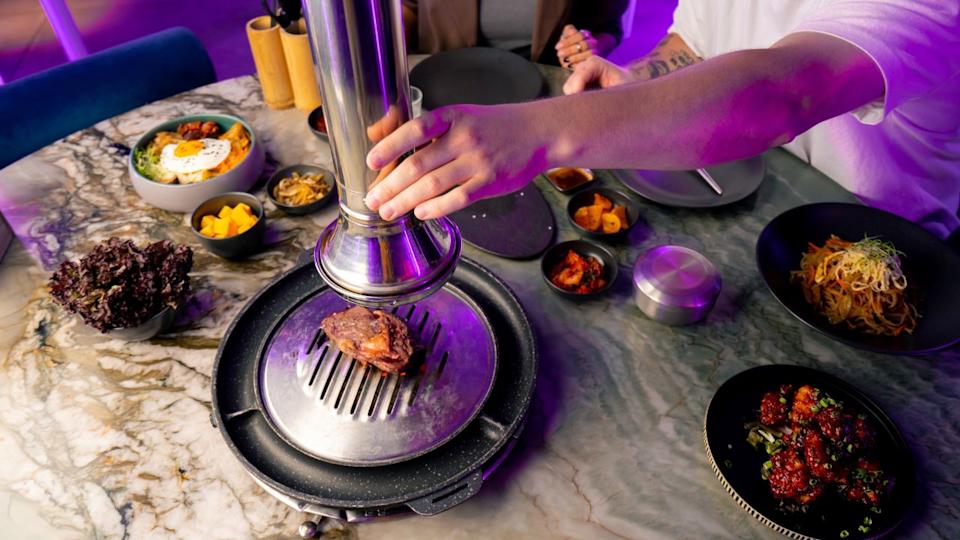
Image Credit: Shutterstock.
Tokyo food culture can feel like a lifetime hobby, with tiny shops doing one thing brilliantly and doing it forever. A great night can be simple: one bowl of ramen, one alley of yakitori smoke, and one calm bar where nobody rushes you. The city’s dining rhythm supports solo eating, quiet focus, and deep specialization. That creates a daily-ritual feeling that visitors end up craving back home.
Seoul’s food scene hits with heat, sharing, and late-night stamina. Korean food ranked second on the association list in the Overseas Hallyu Survey release behind K-pop, which makes sense when you see how much of the visitor experience revolves around eating together. Barbecue, fried chicken, markets, and street snacks turn meals into social events by default. If Tokyo feels like a culinary archive, Seoul feels like a living party where everyone brings a dish.
Tourism Pressure and Global Attention in Real Time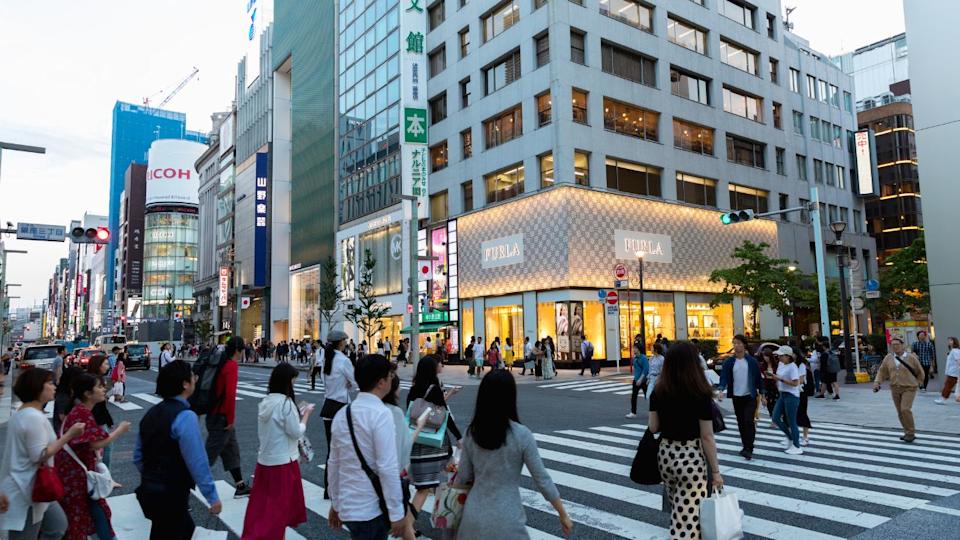
Image Credit: Shutterstock.
Japan’s tourism boom shows how powerful the Tokyo brand has become, even beyond pop culture. Japan Tourism Statistics (JNTO) put 2025 inbound travel at a scale big enough to reshape neighborhoods, pricing, and crowd patterns. When everyone visits the same districts, the city’s aesthetics spread faster, and so does the idea of what “Tokyo cool” looks like.
Seoul is also pushing hard as a global destination, with city signals pointing upward. The Seoul Metropolitan Government reported over 900,000 international visitors in January 2025, surpassing the previous record for that month. Put together, both capitals are competing for the same thing: to be the place you tell your friends about first.
What the Rivalry Really Produces for Travelers
Image Credit: Shutterstock.
The best part is that you do not have to pick a winner to enjoy the effects. Competition pushes each city to upgrade what it offers, from transit-friendly districts to better nightlife planning to ever-more-polished visitor experiences. Tokyo keeps proving it can be massive without losing its micro-world charm. Seoul keeps proving it can be hyper-modern without losing its street-level personality.
If you want to feel the contrast in one trip, structure it like a tasting menu. Do Tokyo for depth, with slower neighborhood days and a few big cultural anchors. Do Seoul for speed, with night markets, trend districts, and a packed schedule that somehow still works. Modern Asia is too big for one capital to define it, and that’s the point: Tokyo and Seoul are shaping it by trying to outdo each other, then accidentally inspiring everyone else along the way.
Read More
Border Agents Are Using New Tech: 9 Reasons Travelers Are Getting Pulled Aside More Often
10 Beach Paradises Ruined by Violence and Crime
This article originally appeared on Guessing Headlights: Tokyo vs. Seoul: The Cultural Rivalry Shaping Modern Asia
AloJapan.com