
 Image source: Travel Hakodate
Hakodate, located in Hokkaido, Japan, is a major tourist destination. Its distinct features are its rich exotic atmosphere and fantastic natural landscapes. In Hakodate, you can indulge in the natural Yunokawa Onsen, gaze at the glittering night views from Mount Hakodate, and experience winter outdoor activities unique to a snowy region. Every attraction is full of surprises and fun. Follow Funliday’s lead to explore the charm of Hakodate, and we’ll share 10 must-visit spots and travel tips with you!
Hokkaido Hakodate Travel Features & Transportation
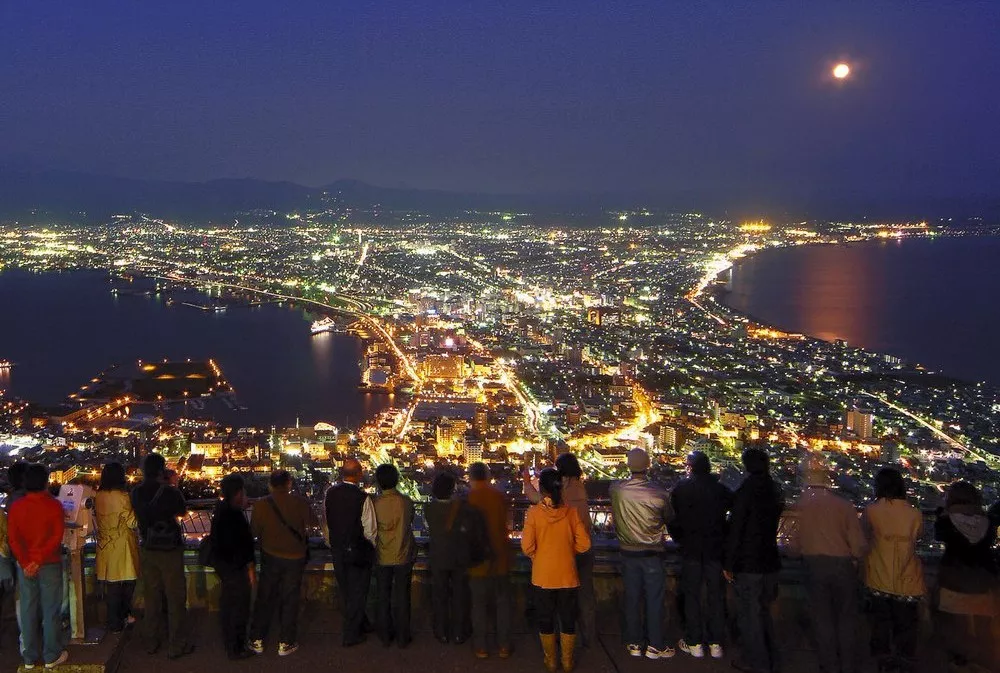
Hakodate is a port city located at the southern tip of Hokkaido, Japan, and is also Hokkaido’s second-largest city. It is famous for its beautiful night views, rich history, and strong exotic culture. From the summit of Mount Hakodate, you can gaze upon the magnificent night views of the city and port, which are lauded as one of Japan’s Three Great Night Views.
Hakodate is also home to many historical sites, including Goryokaku Park and the Kanemori Red Brick Warehouse complex, allowing you to feel the passage of time and cultural changes. If you enjoy outdoor activities, don’t miss Hakodate in winter, where you can experience various activities amidst the pristine snow, such as skiing, snowshoeing, and ice fishing. Besides its attractions, Hakodate is surrounded by the sea on three sides, offering an abundance of fresh seafood all year round. When you’re tired from exploring, you can always enjoy a delightful culinary feast.
Hakodate Transportation
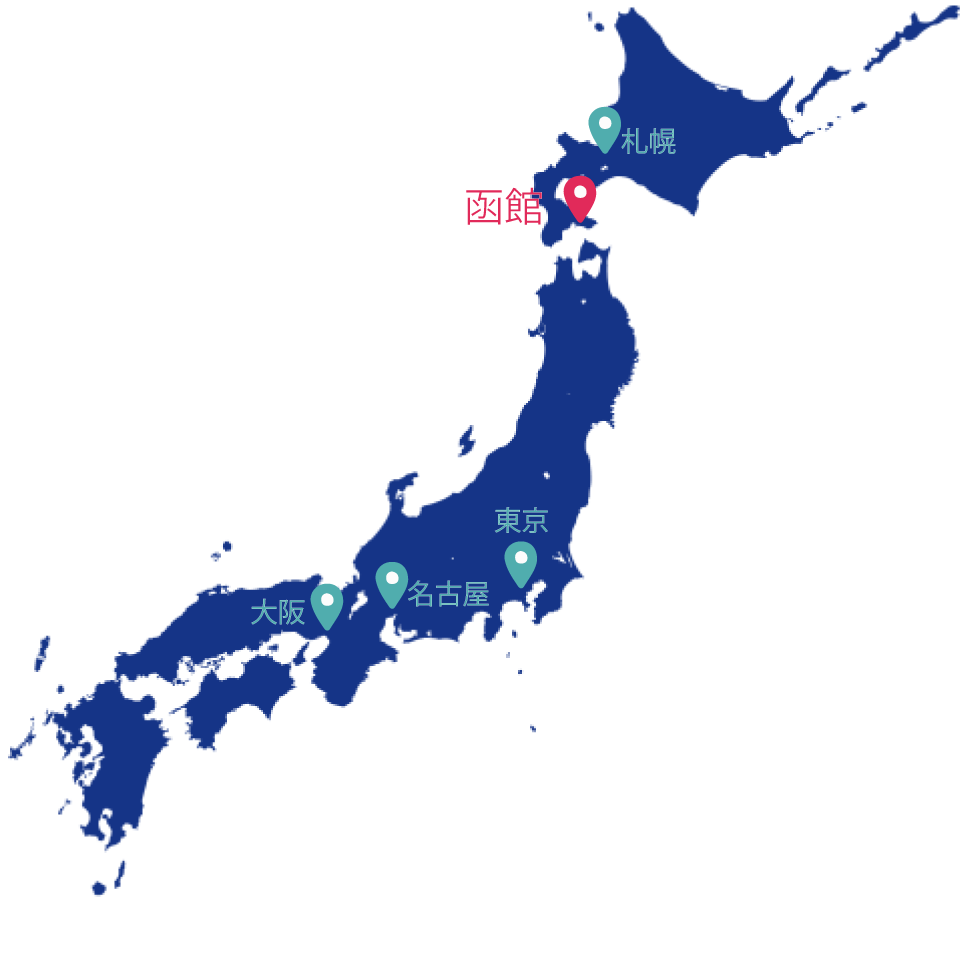 Image source: Travel Hakodate
Hakodate’s transportation is very convenient; you can arrive by plane, train, or ferry.
Plane: Hakodate Airport (HKD) is Hakodate’s main airport. Domestic flights from Tokyo, Osaka, and Nagoya all fly directly to Hakodate. Hakodate Airport also has well-developed international routes; direct flights from Taoyuan Airport take approximately 3 hours. After arriving at the airport, you can transfer to a bus to the city center, which takes about 30 minutes.
Train: If you are departing from within Japan, you can also take the “Hokkaido Shinkansen” to “Shin-Hakodate-Hokuto Station” and then transfer to the JR “Hakodate Liner” train to reach Hakodate city center. This method can be used from cities in Japan with Shinkansen stations, such as Tokyo, Osaka, and Nagoya.
Ferry: If departing from Tokyo, you can also travel to Hakodate via “bus + ferry.” High-speed buses depart from Shinjuku, Ueno, and Tokyo Station to the “Aomori Ferry Terminal,” from where you can take the “Tsugaru Kaikyo Ferry” to the “Hakodate Ferry Terminal.”
Top 10 Hakodate Attractions & Night View Recommendations
Next, here are 10 popular Hakodate tourist attractions. Let’s see what fun things Hakodate has to offer!
Hakodate Attraction #1: Mount Hakodate Night View
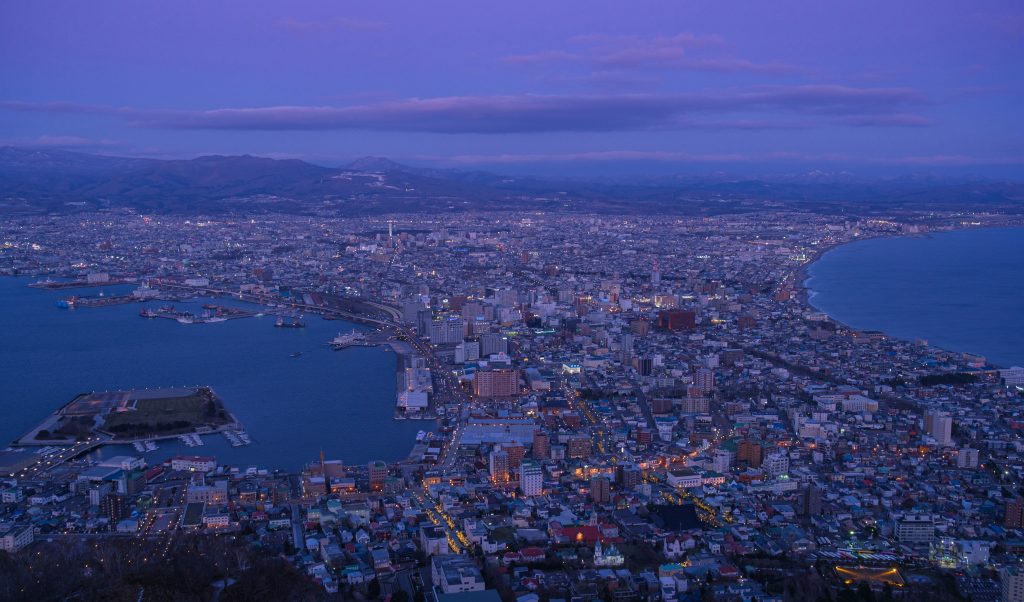 Image source: Zhuoqian Yang on Unsplash
The Mount Hakodate night view is one of “Japan’s Three Great Night Views,” renowned alongside Mount Rokko in Kobe and Mount Inasa in Nagasaki. It’s an incredibly popular Hakodate attraction, with many visitors coming solely to witness its splendor. The Mount Hakodate Observatory is the best spot to admire the night view. After taking the cable car up the mountain, you can enjoy a 360-degree panoramic view of Hakodate city from the summit, taking in Hakodate Port, the Tsugaru Strait, and the city center. The dazzling lights resemble a brilliant sea of stars, truly earning its reputation as a world-class night view!
The Mount Hakodate night view is incredibly popular; often, tourists will already be claiming spots in the front row before dark. Therefore, it’s recommended to go up the mountain in the evening and enjoy the night view from sunset until the lights come on—it’s absolutely worth it.
Hakodate Attraction #2: Kanemori Red Brick Warehouse
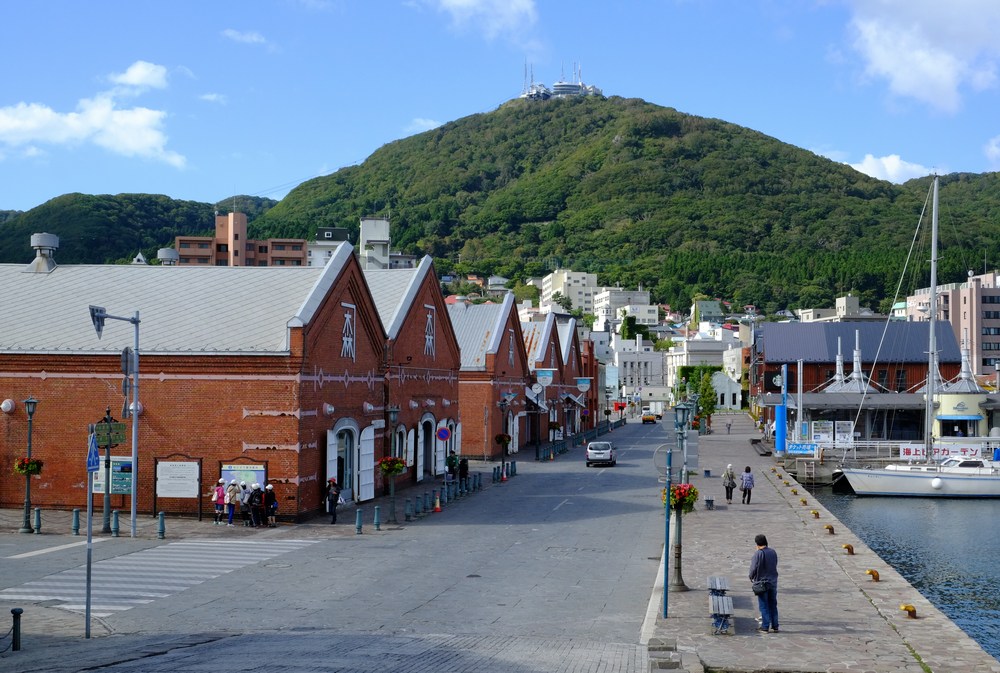 Image source: Travel Hakodate
The Kanemori Red Brick Warehouse is a complex of historic buildings located by Hakodate Port. Built in 1909, it was once an important commercial hub in Hakodate, used for trade and storage. In modern times, it has been fully renovated into a tourist attraction, yet it still retains its unique red brick exterior. You can wander among the seven warehouses, shop for unique souvenirs, and savor authentic Hakodate cuisine. It’s perfect for a seaside stroll during the day, and at night, the surrounding buildings are illuminated, making the red brick warehouses look especially romantic under the lights—another great option for enjoying a night view!
Hakodate Attraction #3: Hakodate Port
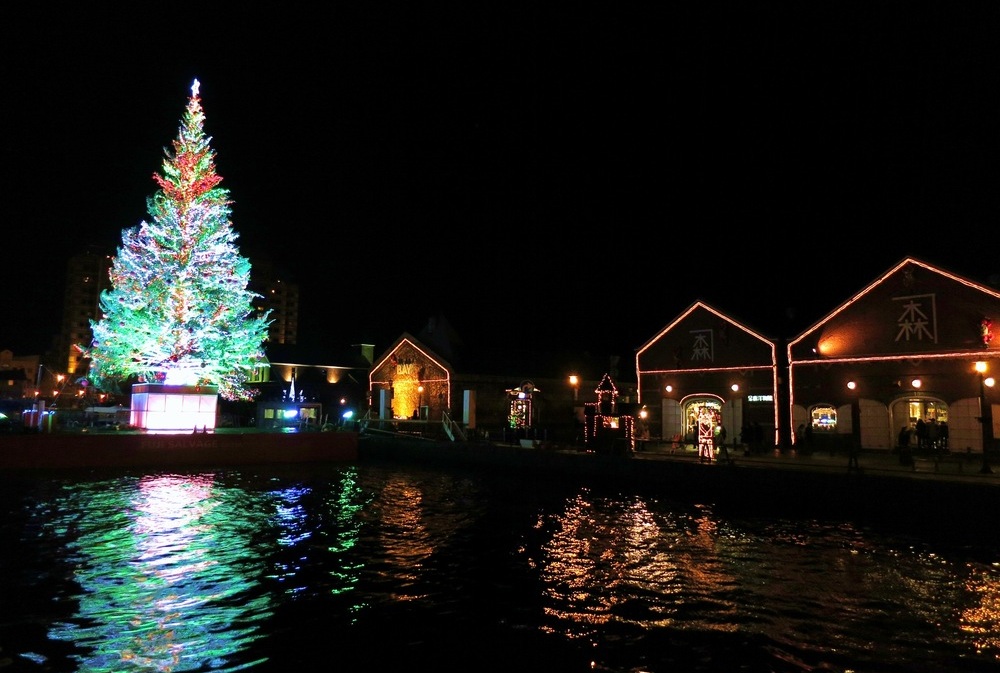 Image source: Travel Hakodate
After exploring the Kanemori Red Brick Warehouse, you can continue to visit the port area, which is the famous “Hakodate Port.” Since the Meiji era, Hakodate Port has played a crucial role in trade and transportation, holding significant historical importance. In modern times, it has also become one of Hakodate’s popular tourist attractions.
As Hakodate Port is surrounded by mountains on three sides and faces the sea on one, it boasts beautiful natural scenery. Here, you can feel the sea breeze and enjoy a relaxed atmosphere. If you want to plan a Hakodate night view tour, besides Mount Hakodate, the night view of Hakodate Port is also quite captivating. Seeing the brightly lit port reflected on the sea up close offers a different, excellent perspective for admiring Hakodate’s night scenery.
Hakodate Attraction #4: Hachiman-zaka Slope
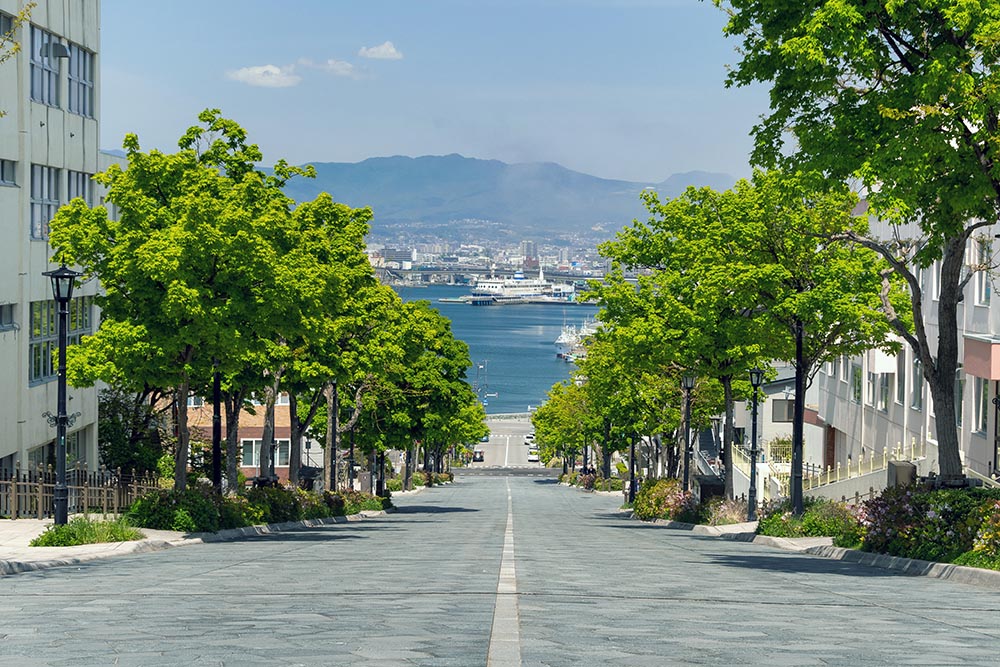 Image source: Travel Hakodate
The series of slopes extending from the foot of Mount Hakodate to the city center and the sea are called “Saka-michi” (slopes). Along these slopes, you’ll find European-style buildings and distant views of the harbor, making Hakodate’s slopes full of surprises. Among them, the most famous is the “Hachiman-zaka Slope.” Hachiman-zaka is located near the Kanemori Red Brick Warehouse, making it ideal for visiting along with Hakodate Port and other nearby attractions.
Hachiman-zaka Slope and Hakodate’s night view are both must-visit attractions in Hakodate. Walking up the slope, you’ll find unique cafes and Western-style buildings, making it perfect for a leisurely stroll. In winter, after Hakodate is illuminated, the sparkling street trees create a breathtakingly beautiful scene. Whether it’s day or night, regardless of the season, Hachiman-zaka Slope is absolutely worth a visit!
Hakodate Attraction #5: Goryokaku Park
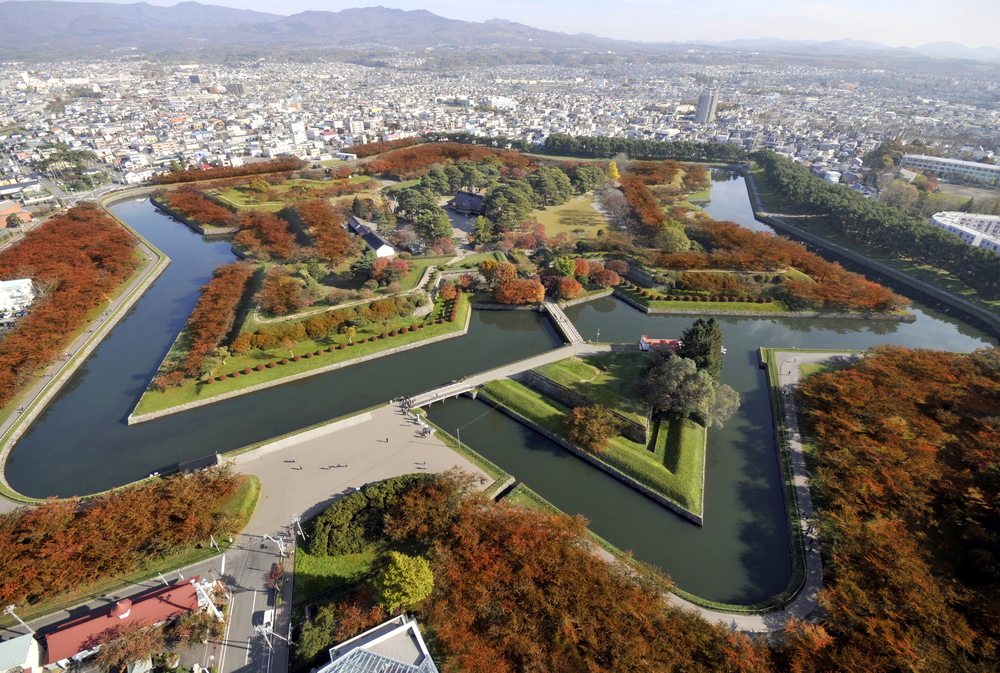 Image source: Travel Hakodate
Goryokaku Park is one of Hakodate City’s iconic attractions, possessing significant historical importance and a beautiful natural environment. The Goryokaku within the park is a star-shaped Western-style fortress, built during the Bakumatsu period. It once served as a strategic military base in conflicts between the shogunate and the new government. Its unique star shape offered excellent defensive capabilities at the time, and today it stands as a special historic site and natural park.
Besides exploring the historic moats and buildings, you can also admire cherry blossoms, lush greenery, autumn leaves, and snowscapes here, offering splendid views in all four seasons. It’s also highly recommended to ascend Goryokaku Tower for a panoramic view of the park’s star-shaped design, which is quite spectacular. After nightfall, the park transforms into a popular spot for viewing night scenery!
Hakodate Attraction #6: Hakodate Morning Market
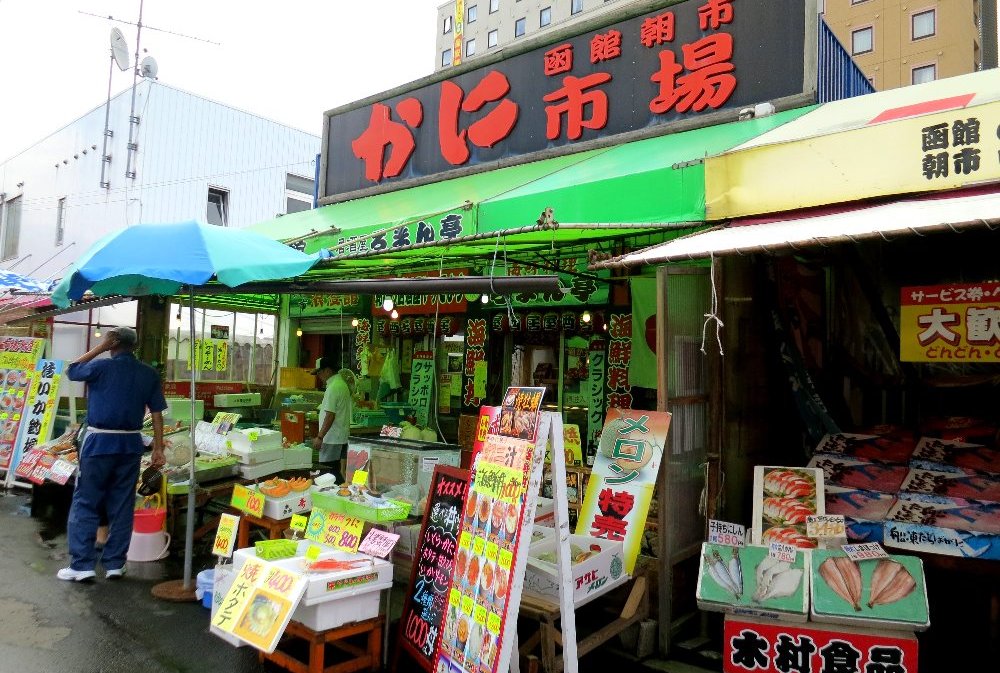 Image source: Travel Hakodate
The Hakodate Morning Market is one of the famous morning markets, selling a rich variety of fruits, vegetables, seafood, and prepared foods. Conveniently located next to Hakodate Station, it has become a must-visit attraction for tourists in Hakodate.
The Hakodate Morning Market boasts over a century of history and remains bustling today, with many tourists and locals flocking there every morning. The market is most famous for its fresh and diverse seafood, allowing you to taste ingredients directly caught from the sea that very day. If you can’t buy and cook yourself, there are also many food stalls and restaurants here, offering dishes like seafood donburi, sushi, and sashimi. Seafood lovers definitely shouldn’t miss it!
Hakodate Attraction #7: Hakodate Hachimangu Shrine
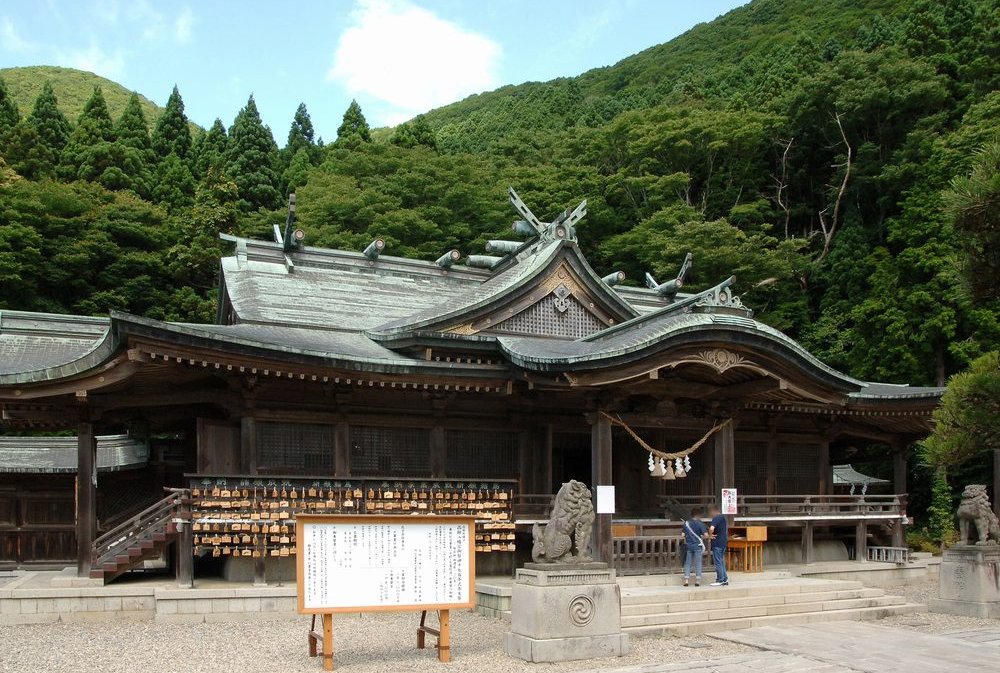 Image source: Travel Hakodate
Hakodate Hachimangu Shrine is located in the heart of Hakodate City. Since the Edo period, it has been an important place for local residents and visitors to pray for peace, health, and prosperity. The Hakodate Hachimangu Shrine is characterized by its tranquil, tree-lined surroundings, classic traditional Japanese architectural style, and magnificent, solemn atmosphere for worship. Here, you can deeply feel the power of Japanese traditional customs and people’s faith. If you’re looking for a peaceful escape from the city’s hustle and bustle during your Hakodate trip, you can visit Hakodate Hachimangu Shrine to calm your mind.
Hakodate Attraction #8: Yunokawa Onsen
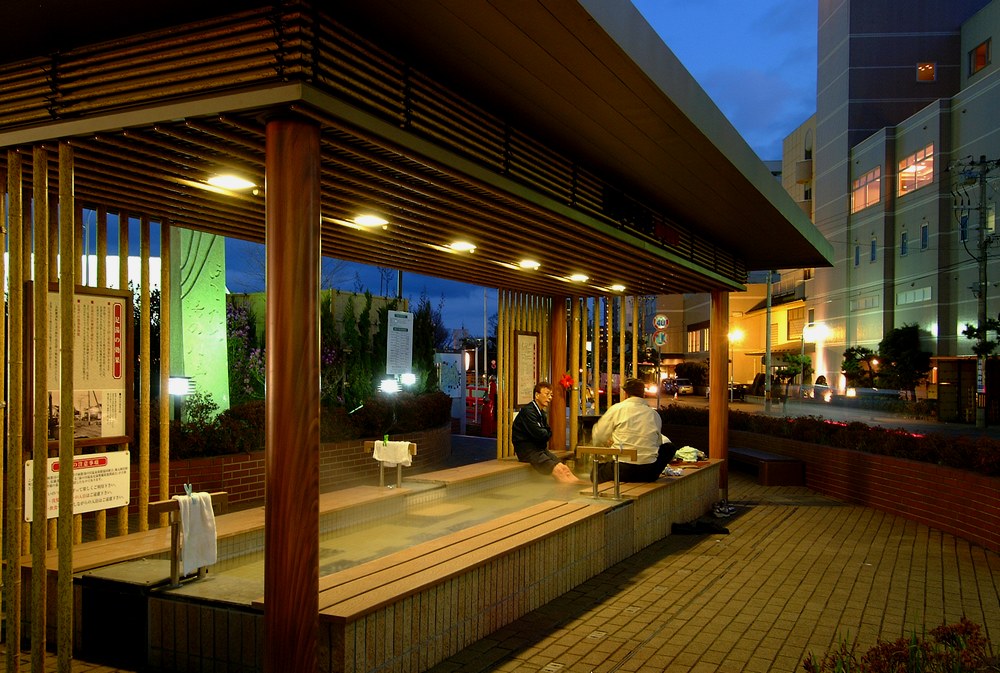 Image source: Travel Hakodate
Yunokawa Onsen is located in the outskirts of Hakodate City, Hokkaido, Japan, and is one of Hokkaido’s three great hot spring towns. The spring water at Yunokawa Onsen is a sodium-calcium chloride spring, boasting excellent quality and rich mineral content, which helps relieve muscle fatigue and promote blood circulation. As Yunokawa Onsen is situated in the suburbs, surrounded by mountains and rivers, visiting in autumn and winter allows you to enjoy both autumn leaves and snowscapes while soaking in the hot spring. Immersing yourself in the healing power of nature and the spring water elevates the feeling of relaxation and stress relief to a new level!
The Yunokawa Onsen area offers a variety of hot spring ryokan to choose from. If you’re not keen on full-body bathing, you can also try a “footbath” to experience the spring water’s soothing effects. We recommend the free footbath, “Yunomeguri Butai,” conveniently located next to the Yunokawa Onsen tram station. While waiting for your tram, you can sit on a wooden bench, soak your feet, and enjoy a brief rest.
Hakodate Attraction #9: Hakodate Tropical Botanical Garden
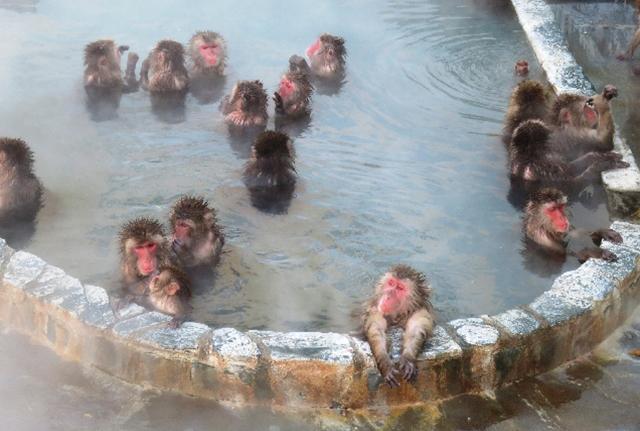 Image source: Travel Hakodate
Speaking of hot springs, have you ever seen photos of monkeys soaking in them? You can witness such a delightful sight at the “Hakodate Tropical Botanical Garden”! Located in the Yunokawa Onsen area, the Hakodate Tropical Botanical Garden cultivates over three hundred species of tropical plants from around the world. Additionally, it is home to many Japanese macaques. In winter, the garden transforms its pond into a hot spring, attracting the monkeys to gather and bathe in the warm water, showing expressions of comfort and relaxation just like humans. This creates an adorable and unique spectacle, making it a major highlight of the botanical garden!
Hakodate Attraction #10: Onuma Quasi-National Park
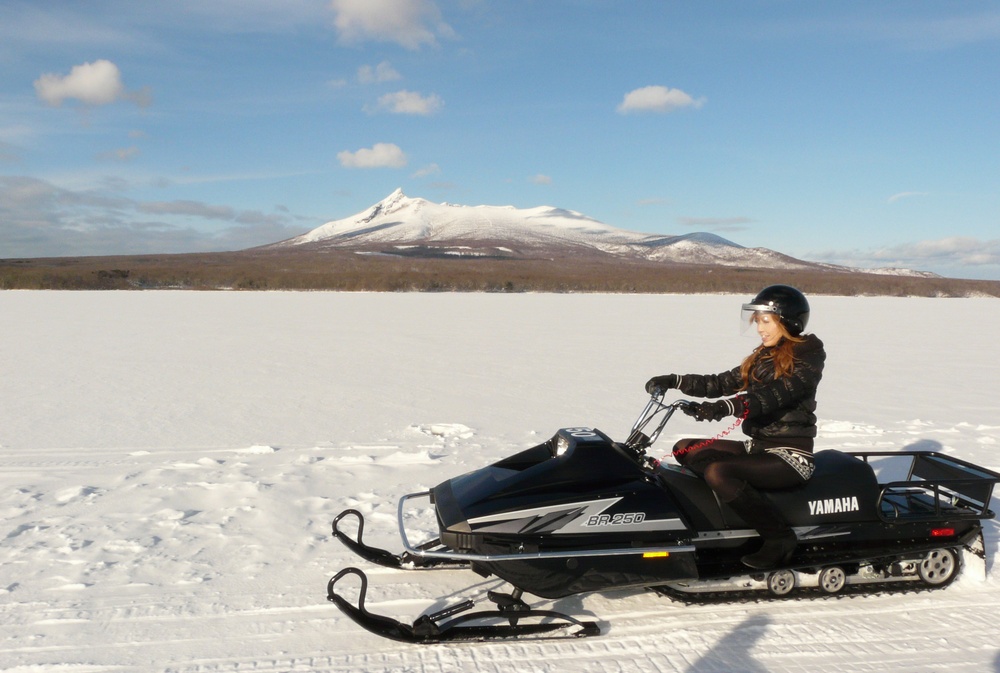 Image source: Travel Hakodate
Onuma Quasi-National Park is located north of Hakodate City, approximately a 30-minute JR express train ride from Hakodate city center. It is a natural landscape park primarily featuring lakes and mountains. The park boasts the picturesque three main lakes: Onuma, Konuma, and Junsai-numa, as well as the majestic Mount Komagatake volcano.
Onuma Quasi-National Park boasts a rich ecosystem of flora and fauna and is perfect for various recreational activities. In summer, you can enjoy cycling, canoeing, hiking, camping, horseback riding, and more. In winter, activities like ice fishing and snowmobiling are available. Outdoor enthusiasts and nature lovers will definitely have a fantastic time here!
Hakodate Free and Easy Travel: Common Q&A
Finally, the Funliday editors have compiled some common questions people have when planning their Hakodate free and easy trip. If you’re considering traveling to Hakodate, take a look:
Q1: What are the best seasons to visit Hakodate?
Hakodate is suitable for travel all year round, with each season offering different sceneries. You can plan your visit according to your personal preferences.
Spring (March-May): Spring weather is relatively stable and sunny. Snow in Hakodate typically begins to melt in March, so it’s recommended to plan a cherry blossom viewing trip from late April to mid-May.
Summer (June-August): Hakodate in summer enjoys comfortable weather, with average temperatures not exceeding 25 degrees Celsius even in mid-summer, making it ideal for escaping the heat. Visiting in summer allows you to admire beautiful hydrangeas, experience lively summer festivals, and attend the annual Yunokawa Onsen Fireworks Festival.
Autumn (September-November): Hakodate in autumn is famous for its autumn leaves. Starting from mid-October, Hakodate’s streets and parks gradually turn golden and red with foliage, making it perfect for walks and activities in the parks.
Winter (December-February): Winter is Hakodate’s peak tourist season, with local events like winter festivals, Christmas illuminations, and snow festivals. The Christmas lights are wonderfully warm and beautiful, and gazing down from Mount Hakodate at the city’s colorful lights and snowy landscape creates a romantic scene unique to winter. Additionally, you can fully enjoy winter outdoor activities such as skiing.
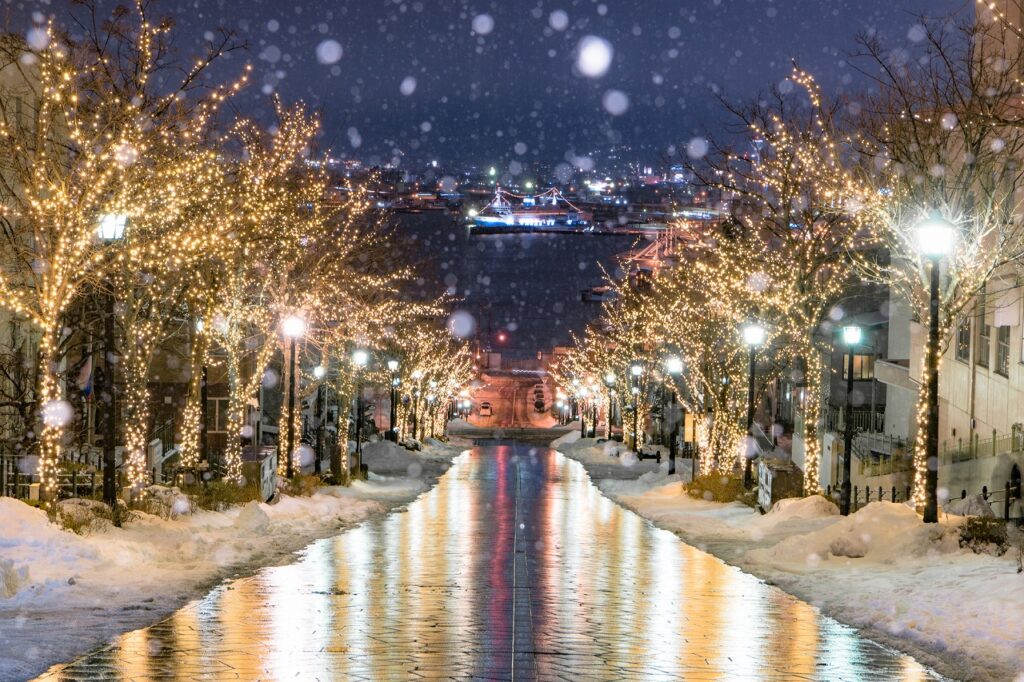 Image source: Travel Hakodate
Q2: How many days are recommended for a Hakodate free and easy trip?
If you only want to visit the main attractions in Hakodate city center, then 2-3 days will suffice; if you wish to deeply experience Hakodate’s natural scenery and historical culture, then 4-5 days would be more ample. When planning your itinerary, it’s recommended to group nearby city attractions for the same day, such as the Kanemori Red Brick Warehouse complex + Hakodate Port + Hachiman-zaka Slope. For more distant attractions, like Onuma Quasi-National Park and the Yunokawa Onsen area, you can plan separate day trips to enjoy the pleasure of slow travel.
Q3: How to combine a trip to Hakodate with other Hokkaido cities?
If, in addition to Hakodate, you’d like to visit other nearby cities during the same Hokkaido trip, “Otaru” or “Sapporo” would be convenient choices, offering good public transportation. Hakodate is not far from Otaru, approximately a 40-minute JR ride. From Hakodate to Sapporo, it’s about a 4-hour JR ride.
AloJapan.com