
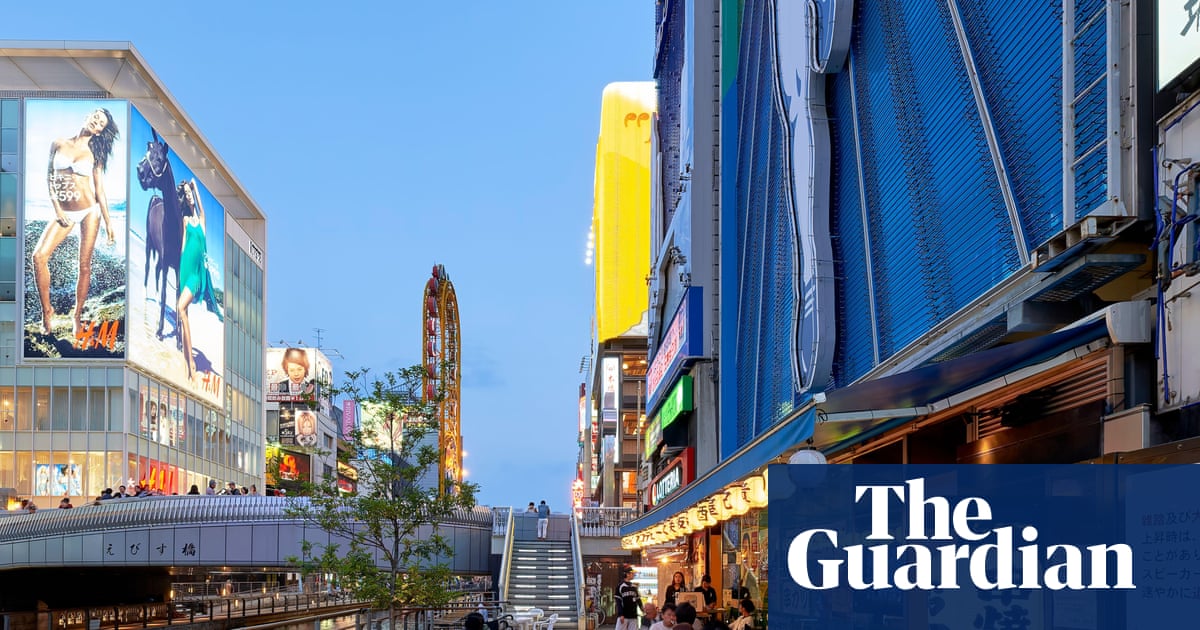
In an extraordinary act of civic philanthropy that borders on the cinematic, an anonymous benefactor has gifted the Japanese city of Osaka 21 kilograms of solid gold bars, stipulating that the £2.7 million (approx. KES 450 million) fortune be used exclusively to overhaul the city’s deteriorating water infrastructure.
The staggering donation of 560 million yen in raw bullion was quietly handed over to the Osaka City Waterworks Bureau. Mayor Hideyuki Yokoyama, openly stunned by the gesture, confirmed that the city—Japan’s third-largest metropolis—will honor the donor’s highly specific request. The gold will be liquidated to fund the desperate renewal of an aging subterranean network.
This unprecedented gift matters because it starkly illuminates a universal, yet often ignored, municipal crisis: the silent decay of foundational infrastructure. While politicians love ribbon-cutting ceremonies for new mega-projects, the unglamorous necessity of replacing underground pipes is chronically underfunded, a reality intimately familiar to rapidly expanding cities in East Africa.
The Burden of Postwar Infrastructure
Osaka’s infrastructural predicament is a product of its own historic success. Much of Japan’s public works were rapidly constructed during the postwar economic boom. Osaka, developing earlier than most as a regional commercial hub, is now facing the bill as those early installations reach the end of their operational lifespans.
The statistics are alarming. The city needs to renew over 160 miles (260km) of water pipes. The cost is exorbitant, with a mere 1.2-mile segment demanding an investment of 500 million yen. In the fiscal year ending March 2025 alone, Osaka suffered 92 significant water pipe leaks under its roads, highlighting the critical and immediate nature of the threat.
Nairobi’s Parallel Challenge: Non-Revenue Water
While an anonymous gold donation to the Nairobi City Water and Sewerage Company (NCWSC) seems highly improbable, the underlying crisis mirrors Osaka’s perfectly. Nairobi’s water infrastructure, much of it dating back to the colonial and early post-independence eras, is groaning under the weight of a population that has exploded past 5 million.
The challenges facing East African metropolises are arguably even more severe:
Non-Revenue Water (NRW): Nairobi loses over 40% of its treated water to leaks in ancient pipes and illegal connections. This represents billions of shillings in lost revenue annually.Capital Deficit: Unlike Osaka, which can leverage massive municipal bonds, African cities often rely on international loans to finance essential water overhauls.Public Health Risks: Dilapidated sewage and water systems frequently cross-contaminate, leading to perennial outbreaks of waterborne diseases in densely populated informal settlements.
The Osaka gold donation underscores the astronomical costs of urban maintenance. KES 450 million is a massive windfall, yet it will barely cover a fraction of Osaka’s 160-mile renewal requirement.
The Future of Civic Duty
The anonymous Japanese donor has set a profound example of extreme civic responsibility. It challenges the global elite to look beyond traditional charitable foundations and vanity projects, directing their wealth toward the unglamorous, hidden arteries that actually keep human civilization functioning.
As cities globally brace for the dual impacts of aging infrastructure and climate change, the funding gap remains terrifyingly wide. Relying on anonymous gold bullion is not a viable strategy.
“It is a staggering amount, and I was speechless. Tackling ageing water pipes requires a huge investment, and I cannot thank the donor enough,” stated Mayor Yokoyama, echoing the desperate gratitude of municipal managers worldwide.
AloJapan.com