
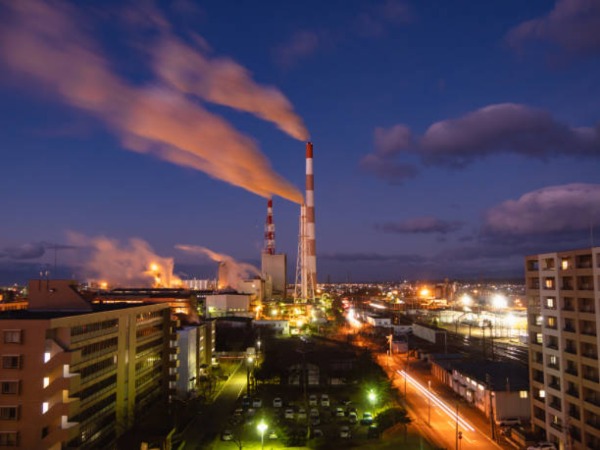
Tomakomai, a city situated atop Japan’s central-southern coastal region of Hokkaido, is doubling down on its plans for an integrated resort with a casino. This week, Mayor Suguru Kanazawa told reporters that Tomakomai would not leave this window of opportunity to chance, especially with national policy indicators becoming clearer. The city, which already has promotional plans in place for fiscal year 2026, is positioning itself as a willing partner in Hokkaido’s renewed push for a casino resort.
City Budget Backs IR Promotion Drive
According to Mayor Kanazawa, the push for an integrated resort is included in our draft budget for next year, so it’s not just talk; it’s a real commitment. The central government’s moves have made it clear what needs to be done, and it’s prompted them to step up their efforts along with the prefecture. The mayor was also quite clear about Tomakomai’s intentions, stating that this is a window of opportunity, and they will seize it and run with it.
For Tomakomai, this is a personal issue, as Mayor Kanazawa also pointed out that an integrated resort would bring real benefits not only for Tomakomai but also for Hokkaido as a whole, and so, not only will we be working with the prefecture, but also do what we can do by ourselves to improve our chances of being selected as a location for an integrated resort.
Hokkaido’s Return to IR Race
Hokkaido prefecture is leading the charge, with a stated policy goal of hosting a casino resort as it eyes the next national application round. The prefecture showed early interest ahead of Japan’s first IR process but pulled back in late 2019, before that round got underway. As a result of the new rule book and new horizons, Hokkaido is prepared for round two; at the same time, Tomakomai is eager for its turn. The national government announced that the timeframe of round two would be May 6 to November 5, 2027. Therefore, an application or claim to receive an IR must be lodged in accordance with these dates by cities like Tomakomai. In the previous round, there was only one winner—the MGM Osaka IR project, worth JPY1.51 trillion ($9.57 billion), to be completed by the end of 2030. While there was only one winner, it has served to raise hopes for round two, allowing other players to have a go.
Tomakomai’s Economic Pitch
Kanazawa’s IR bid was positioned as a growth engine for a prefecture that could really use a pick-me-up, and for Tomakomai, it is a chance to bring investment, jobs, and tourists to the area, with a ripple effect throughout the rest of Hokkaido.
By working both with Hokkaido and on its own, the city maintains flexibility. The big-picture regulatory issues are managed at the prefecture level, while the city’s own initiatives allow it to play up its own advantages, whether it’s its location on the coast, its connections, or its proximity to tourists already heading to Hokkaido. The commitment to go it alone also implies that some level of preparation has already been made, from scouting the location to preliminary negotiations with operators.
Regional Momentum Builds
Tomakomai is not the only area trying to speed up the process. Aichi Prefecture has recently announced plans to submit an application for the next IR round again, with the increasing competition and deadline for submission approaching in May 2027, Hokkaido will need to move quickly to meet the timeframes and standards required to submit an application.
For Tomakomai, the mayor’s briefing marks a public commitment to the long game. With the national bid moving forward in the second round of IRs and Hokkaido back in the mix, the city is banking on the bets it makes today to come to fruition when the bid is due. While it may not be a sure thing that it makes the final cut, the message from Kanazawa is clear: Tomakomai will pursue the bid with all it has, with the support of the prefecture and on its own.
Source: GGR Asia
AloJapan.com