
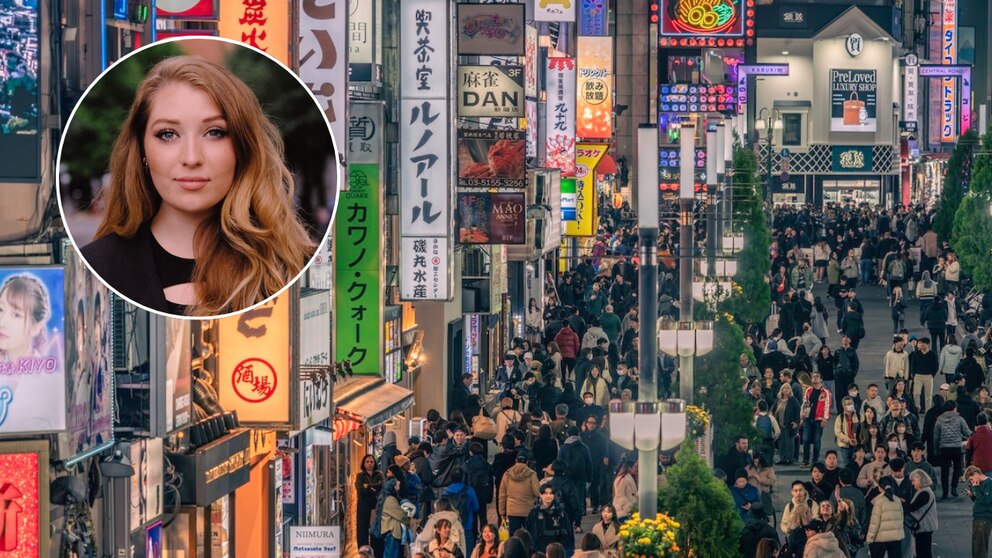
The vacation is nearing its end. And in the last days before heading home, you think: I could stay here for the next three weeks…or forever. Do you know this feeling? I experience it often, but most intensely in Japan, especially in Tokyo. On one hand, I always feel like I haven’t seen enough. On the other, I usually don’t want to say goodbye because Japanese city life offers so many advantages that I sorely miss in German metropolises.
Japanese Convenience Stores
Japanese convenience stores, known as kombinis, can be found on every corner in Japan. They are called Lawson, FamilyMart, or 7-Eleven, sometimes larger, sometimes smaller, but always open. In these small stores, which feel like a mix of supermarket and drugstore, I could spend hours. They offer fresh onigiri, warm bento boxes, cold drinks, and good coffee. Hygiene products, stationery, and often even fresh socks and shirts.
Whether early in the morning, late at night, or somewhere in between: Everything is quick, uncomplicated, and without long lines. I’m not alone in my love for kombinis: The internet is full of videos where people excitedly show their purchases or sing praises of these small shops. Anyone who has never been to a Japanese convenience store can hardly understand how much you come to appreciate these stores in daily life.
Fast, Well-Stocked Vending Machines
The Japanese summer is characterized by extreme heat, high humidity, and lots of rain. In cities like Tokyo, Kyoto, and Osaka, temperatures can rise up to 104°F. If there’s no convenience store nearby or you’re particularly thirsty, vending machines save you from dehydration. They are to local vending machines what a Ferrari is to a shopping cart. The selected product shoots out of the machine quickly and perfectly chilled. Besides soft drinks, there’s unsweetened green tea and electrolyte drinks that help quickly replenish lost salts. While you might pay three to four euros for a lukewarm cola here, which might even get stuck, you pay the same price at Japanese vending machines as in convenience stores. Especially on Sundays or late at night when all stores are closed, I often wish for one of these practical machines on my street corner.
The Handy Suica Prepaid Card
One card for everything: The rechargeable, contactless Suica Card is used as a ticket for public transportation in many regions of Japan. At the same time, you can use it to pay in kombinis, some restaurants, and even at my beloved vending machines. This makes the pretty prepaid card (light green, with a little penguin!) incredibly practical. It’s now also available digitally for the iPhone Wallet or as an app. I fondly remember it when I’m in Germany, once again desperately searching for change or when card payments are only possible for amounts over ten euros.
Transparent Umbrellas
Since the Tokyo-set film classic “Lost in Translation” (2003), I’ve been a big fan of transparent umbrellas. They never caught on in Germany, but in Japan, you can find them in every convenience store. What makes them so practical? With the transparent canopy, you don’t risk bumping into people in a crowded area. Very important in Japan, where “personal space,” or a certain distance between people, is highly valued. My tip: Definitely bring one of these beautiful umbrellas home as a practical travel souvenir!
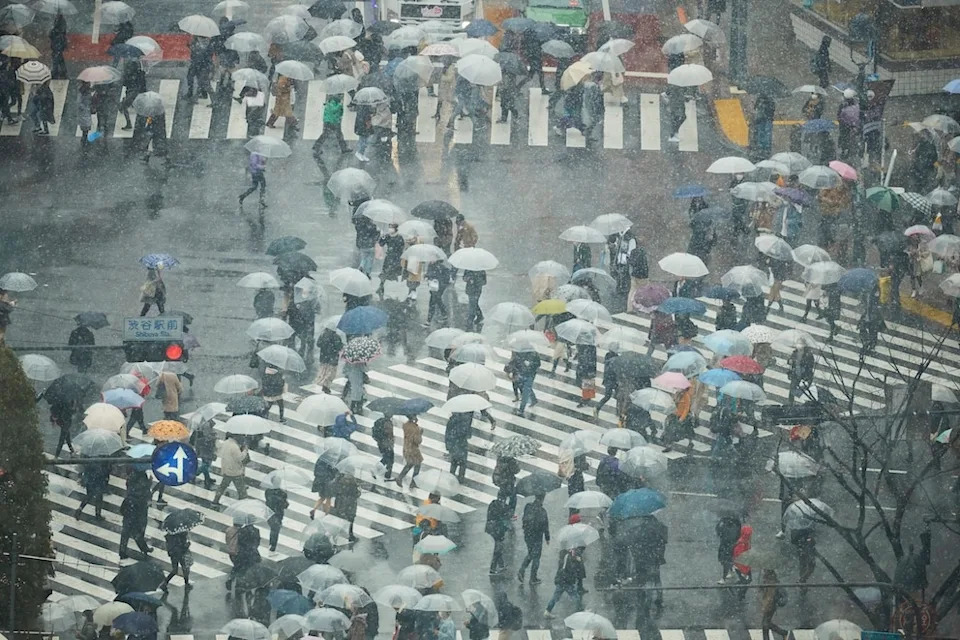
Transparent umbrellas are seen everywhere in Japan
Small Noodle Soup Shops
There’s hardly anything better than a steaming bowl of ramen after a long day. Noodle soup restaurants can be found on every corner in Japan: Often small shops with few seats, sometimes just a counter, often unassuming from the outside. You order and pay at a machine, sit down, eat the freshly prepared soup, and leave. Quick, cheap, uncomplicated. Yet the ramen there almost always tastes better than many things you pay significantly more for here. A hot broth, fresh noodles, a few slices of meat or tofu, maybe half an egg–often that’s all it takes. I miss this straightforwardness of good, affordable food in Germany.
Friendly Signs
It’s no coincidence that the concept of “kawaii,” the cute and innocent, comes from Japan. Instead of dry prohibition signs–”No Trespassing!”, “No Parking!”–many public messages are simply nicely packaged. Pretty posters or stickers with little animal drawings or other cute figures guide, instruct, or thank visitors to public facilities for proper toilet use. It instantly puts you in a better mood!
Clean Public Toilets
Speaking of toilets: Since Wim Wenders’ “Perfect Days” (2023), a beautiful cinematic portrait of the life of a toilet cleaner in Tokyo, these have actually become a sightseeing attraction for many Japan travelers. Regardless of the enthusiasm the film sets evoke among architecture fans: The public toilets in Japan are a blessing for tourists who move around the city a lot. Especially for those like me who come from a city where you usually only have the option to ask in restaurants to use the guest toilet for a fee. How I wish I lived in a similarly civilized country as Japan! Compared to Japan, Germany seems almost medieval when it comes to public sanitary facilities.
Little Traffic Noise
The punctuality of Japanese transportation is now widely known, but the quiet traffic is also very pleasant. Thanks to strict noise protection laws and noise reduction measures. Have you ever heard a Japanese ambulance? Compared to the deafening sirens needed in Germany to get car drivers to make way quickly, Japanese sirens sound like the relaxing music in a wellness lounge. Yet everything still works there.
More Consideration for Each Other
Speaking of noise: Aggressive honking or driving through densely populated streets with open windows and loud music? In Japan, where silence is highly valued, it would be akin to losing face. An etiquette that could very well be introduced in Berlin! In general, I wish for the quiet Japanese restraint and consideration much more in Germany. A more respectful interaction with each other. No pushing in the supermarket line, no aggressive jostling on the street, not this constant envy among each other. I can’t be the only one?
Well-Groomed, Well-Dressed People
Being well-dressed, in my opinion, has nothing to do with the size of one’s wallet. In Japan, classic understatement is popular: Large brand logos are much less common there than here. More important are clean clothes, a good fit, and an overall well-groomed appearance. An attitude that wouldn’t necessarily hurt here either.
Perhaps it’s exactly this sum of small things that makes Japan so special to me. None of it is particularly spectacular. It’s the everyday things that simply work better here: a quick snack, a clean toilet, respectful interaction with each other. When I’m out here dreaming of an ice-cold green tea, frantically searching for change, or getting jostled in a crowded train without an apology, I inevitably think: In Tokyo, this would be easier. And I catch myself already planning the next trip in my head.
The post 10 Things I Miss in Germany After My Trips to Japan appeared first on TRAVELBOOK.
AloJapan.com