
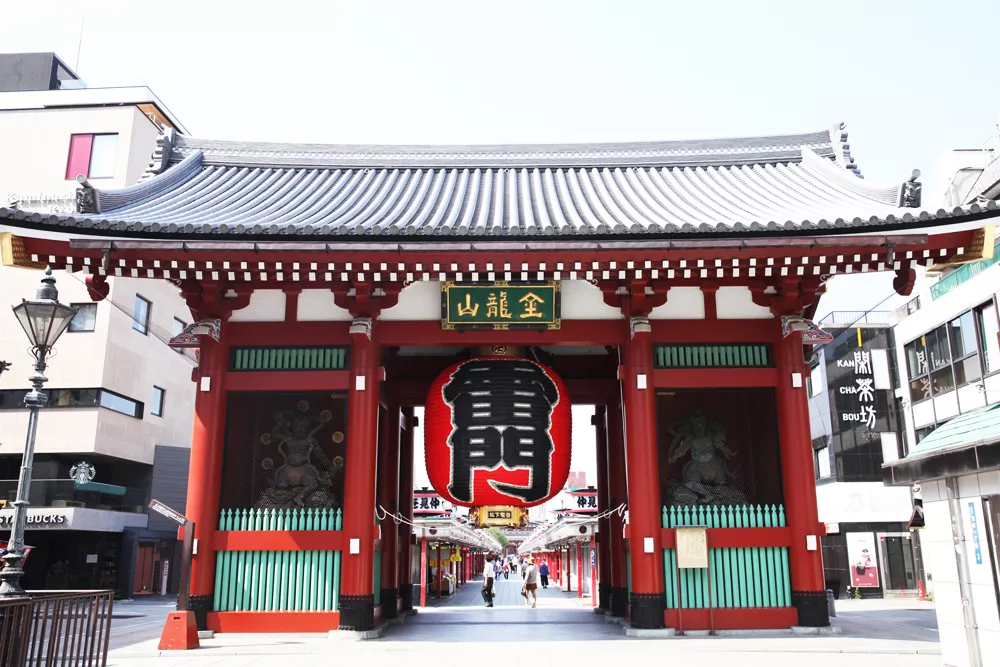
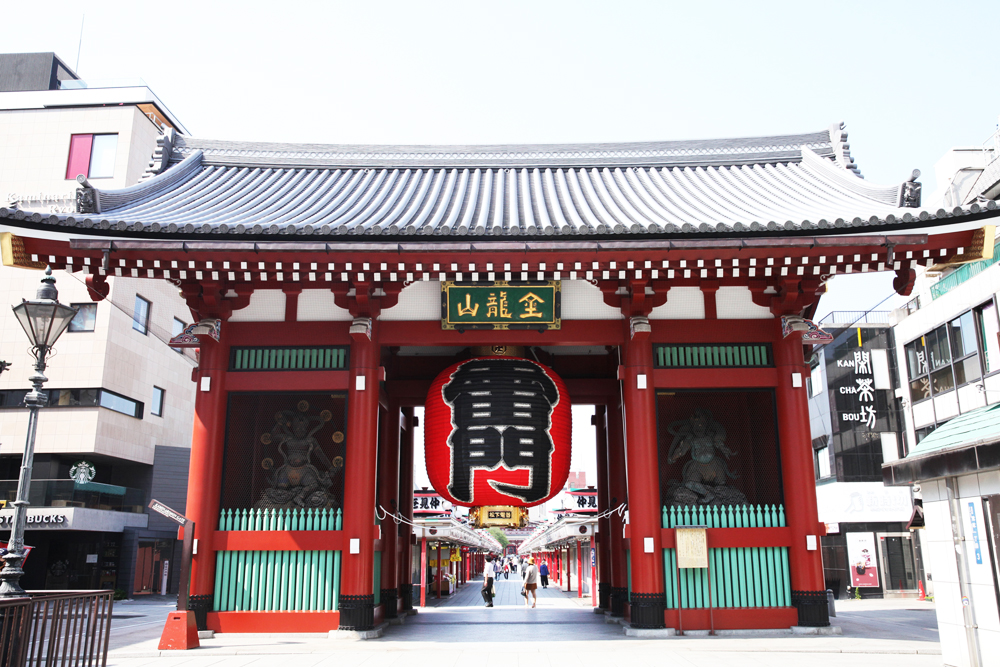
 Image source: Senso-ji Official Website
Asakusa is Tokyo’s most historic old-town district, acting like a time tunnel that leads visitors away from the concrete jungle of modern Tokyo and straight into the bustling atmosphere of the Edo period. The red lanterns of Kaminarimon sway gently; the bells of Senso-ji ring deep and far; the shouts of vendors in Nakamise Shopping Street echo one after another; and the sunlight reflects beautifully off the Sumida River. This article introduces Asakusa’s transportation, local food, and 10 must-visit attractions, helping you easily plan an Asakusa one-day trip to experience the blend of tradition and modernity.
Tokyo’s Old District Asakusa: A Blend of Edo Period Elegance and Modern Vitality
 Image source: Official Tokyo Travel Guide
Located in Tokyo’s Taito City, Asakusa is centered around the historic Senso-ji Temple and surrounded by bustling neighborhoods that encapsulate the essence of Japanese culture. Strolling through the vintage streets of Asakusa, the atmosphere of the Edo period seems to still linger in the air.
In those days, Asakusa was a vibrant entertainment hub, where theaters displayed mechanical dolls and exquisite craftsmanship, the pleasure districts were lively, and theaters staged Kabuki, opera, and traditional arts, making it the cultural center of the time. Today, Asakusa still retains the Rakugo theater “Asakusa Engei Hall,” where traditional performances like Manzai, acrobatics, and magic continue the unique warmth of the Shitamachi area.
In recent years, the world’s tallest tower, “Tokyo Skytree,” has added a modern brilliance to Asakusa, weaving the past and present into a unique urban tapestry.
Asakusa Transportation | Explore Different Perspectives via Sumida River Water Bus and Rickshaw
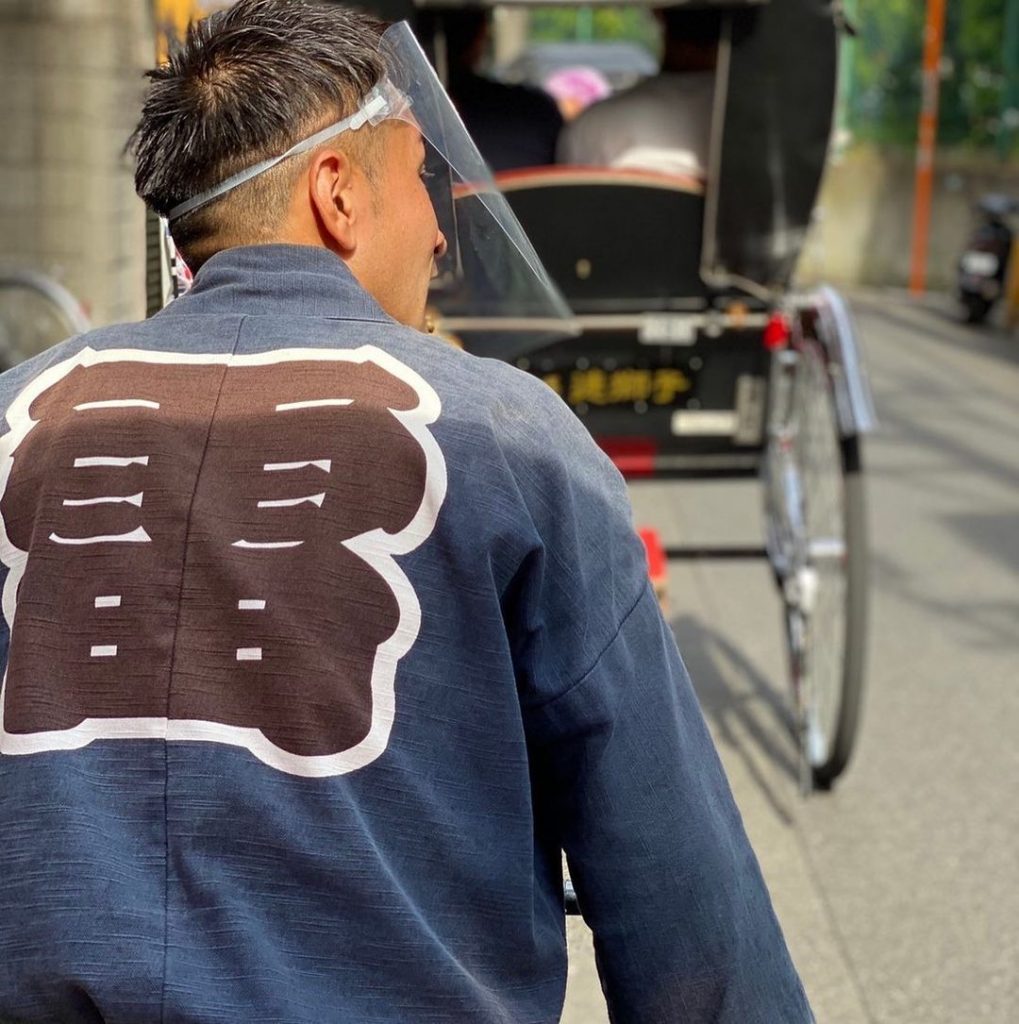 Image source: instagram@ebisuyaasakusa
Asakusa is somewhat distant from major stations in Tokyo; it is recommended to travel to “Asakusa Station.” Below are the transportation methods and estimated travel times from major Tokyo stations to Asakusa Station:
From JR Tokyo Station: Take the JR Ueno-Tokyo Line, transfer to the Tokyo Metro Ginza Line; approx. 20 minutes.
From JR Shinjuku Station: Take the JR Chuo Line, transfer to the Sobu Line, then to the Toei Asakusa Line; approx. 25 minutes.
From JR Shibuya Station: Take the Tokyo Metro Ginza Line; approx. 35 minutes.
From JR Ueno Station: Take the Tokyo Metro Ginza Line; approx. 5 minutes.
From JR Shinagawa Station: Take the Keikyu Main Line, transfer to the Toei Asakusa Line; approx. 25 minutes.
Additionally, you can take a boat from the Sumida River Water Bus pier to enjoy Tokyo’s urban landscape along the river, eventually arriving at the Asakusa pier. Many travelers also choose to explore Asakusa by rickshaw, where rickshaw pullers provide lively guided commentary, sharing Asakusa’s history, unique architecture, and interesting stories.
Water Bus: Tokyo Cruise Ship Co., Ltd., Tokyo Mizube Line
Asakusa Rickshaw Experience: KKDAY, KLOOK
10 Selected Asakusa Attractions | What Else to Visit Besides Senso-ji?
1. Kaminarimon
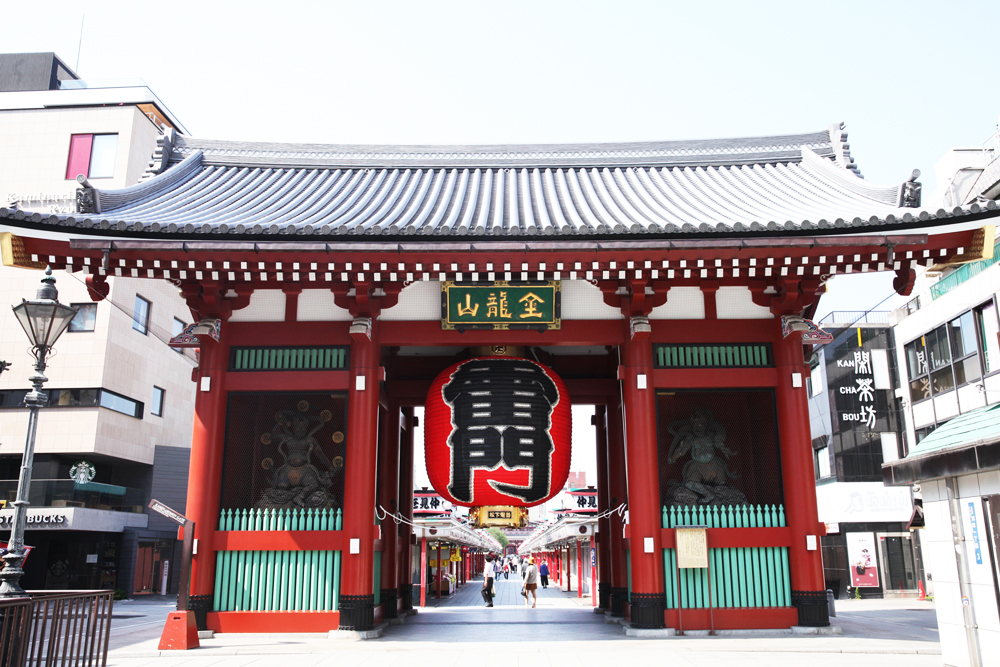 Image source: Senso-ji Official Website
Kaminarimon is the symbol of Asakusa. Serving as the entrance to Senso-ji, it attracts countless tourists for photos. Its formal name is “Furaijinmon” (Wind and Thunder God Gate). The massive red lantern weighs approximately 700 kg and features detailed dragon carvings at its base. Flanking the lantern are two statues: the God of Thunder (Raijin) on the left and the God of Wind (Fujin) on the right. People visit to pray for peace, tranquility, and a bountiful harvest.
**Kaminarimon Info:**
Hours: Open 24 hours
Address: 2-3-1 Asakusa, Taito City, Tokyo
2. Nakamise Shopping Street
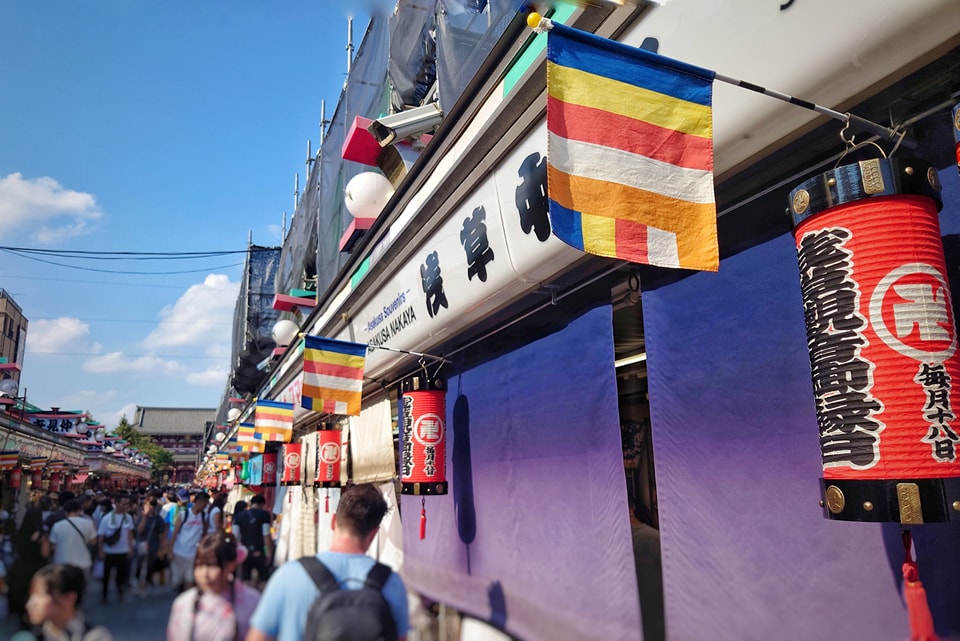 Image source: Facebook@AsakusaNakamise
After passing through Kaminarimon, you’ll find the lively Nakamise Shopping Street, which stretches between Kaminarimon and Senso-ji with over 250 years of history. This street sells traditional Japanese snacks and pastries, such as Ningyo-yaki, Taiyaki, and Kaminari-okoshi (rice crackers), overflowing with Shitamachi charm. Travelers are also encouraged to buy popular souvenirs like mini Kaminarimon lanterns or “Kokeshi” wooden dolls, which are traditional talismans for children’s health and happiness.
**Nakamise Shopping Street Info:**
Hours: Most shops operate 10:00–18:00
Address: 1-2-1 Asakusa, Taito City, Tokyo
3. Senso-ji
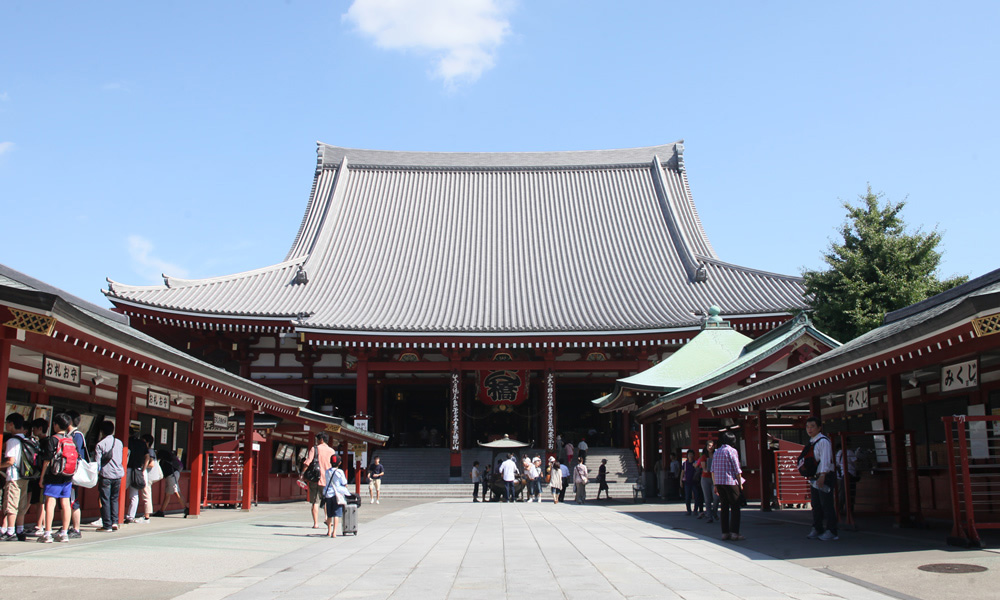 Image source: Senso-ji Official Website
Senso-ji is Tokyo’s oldest Buddhist temple and a sacred site for the worship of Kannon Bodhisattva. Legend has it that two fishermen hauled a golden statue of Kannon from the Sumida River; despite several attempts to return it to the river, it always came back to them, leading them to enshrine the statue. Though destroyed in WWII and rebuilt, the current vibrant red structure is a modern restoration. It is said that enveloping yourself in the smoke from the temple’s incense burner can heal illnesses and improve health.
Many travelers try the Omikuji (fortunes) here for 100 yen. It is rumored that Senso-ji has a high frequency of “Bad Luck” (Kyo) fortunes (about 30%), but don’t worry—if you draw one, simply tie it to the designated rack to dispel the bad luck. The Ginza Line is the most convenient way to reach Asakusa Station, as it connects to Ueno, Ginza, and Shibuya.
**Senso-ji Info:**
Hours: 6:00–17:00
Address: 2-3-1 Asakusa, Taito City, Tokyo
4. Asakusa Shrine
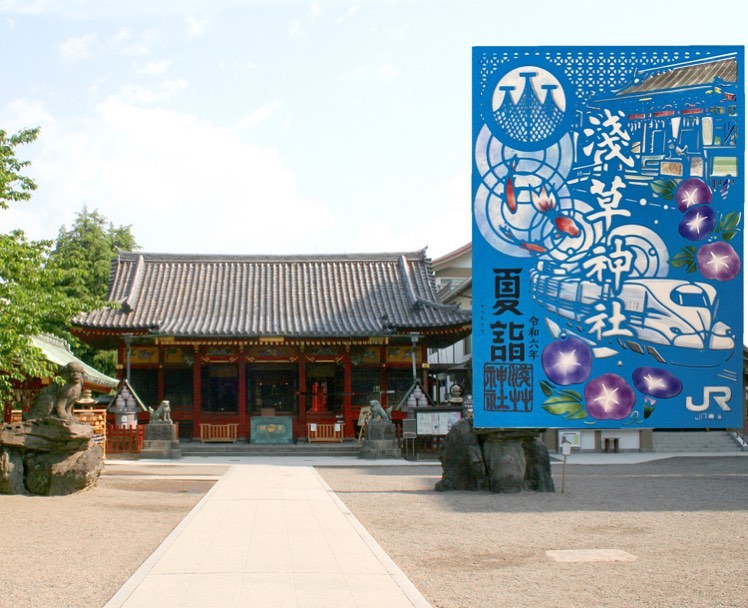 Image source: instagram@asakusajinja
Standing adjacent to Senso-ji, Asakusa Shrine honors the three founders of the temple. Because it enshrines three deities, it is also known as “Sanja-sama,” and the famous Sanja Matsuri festival held every May takes its name from this. Unlike the ornate temple, the shrine is known for its simpler design, and its “Daijoubu Omamori” (All-is-Well amulet) is very popular among visitors.
**Asakusa Shrine Info:**
Hours: 09:00–16:00
Address: 2-3-1 Asakusa, Taito City, Tokyo
5. Sumida River Walk
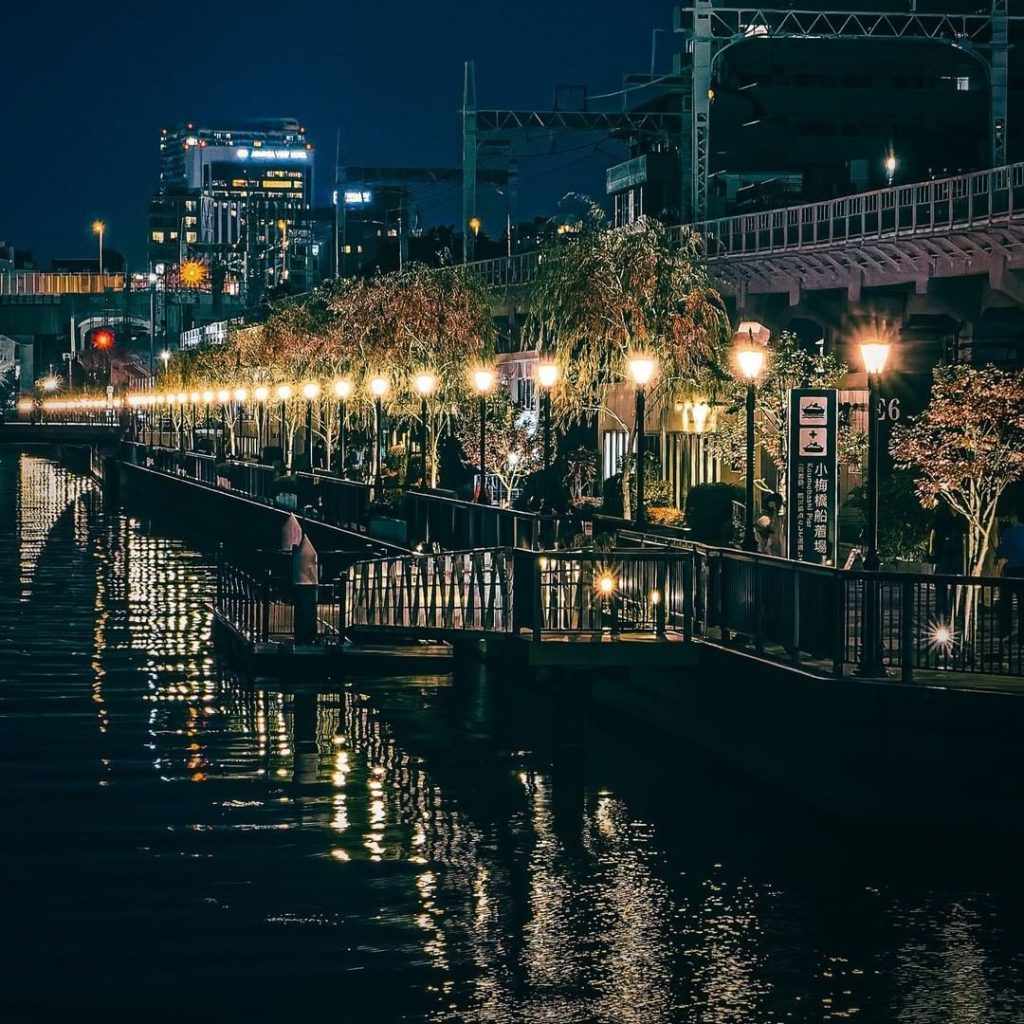 Image source: instagram@tokyo_mizumachi
The Sumida River Walk is a pedestrian bridge along the riverbank connecting Asakusa to surrounding areas, providing the shortest walking path from Senso-ji to Tokyo Skytree. You can enjoy the riverside scenery or grab takeout to picnic at Sumida Park. Nearby, “TOKYO mizumachi,” a waterfront commercial space with restaurants, lifestyle shops, and cafes, is also a hot spot.
**Sumida River Walk Info:**
Hours: 7:00–22:00
Address: Along the Sumida River, Taito City, Tokyo
**TOKYO mizumachi Info:**
Hours: Vary by shop; check the official website for details.
Address: 1 Chome Mukojima, Sumida City, Tokyo
6. Hanayashiki Amusement Park
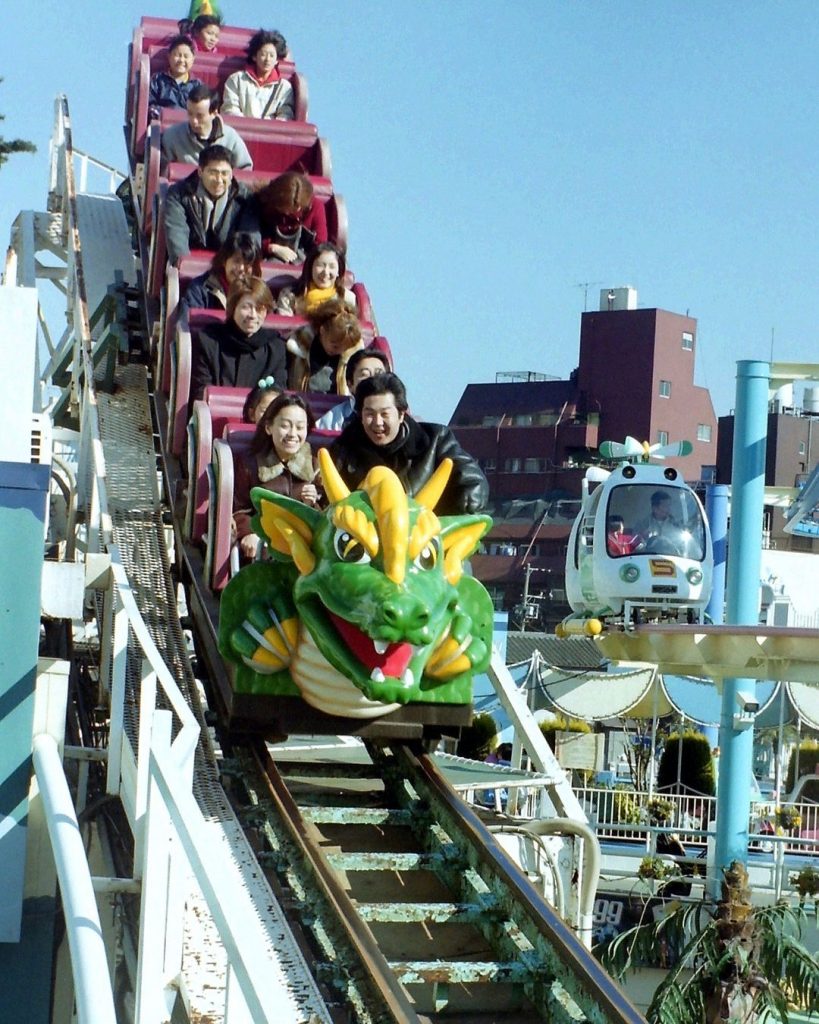 Image source: instagram@hanayashiki1853
Japan’s oldest amusement park, Asakusa Hanayashiki, was founded at the end of the Edo period and has a 170-year history. It features nostalgic attractions like a 1953 roller coaster, a carousel, and a haunted house, plus unique snacks like “Panda Car-yaki.” Following a 2023 renovation with new facilities, it’s a great place to experience vintage amusement park vibes.
**Hanayashiki Amusement Park Info:**
Hours: 10:00–18:00 (Last entry 30 min before closing). Check the official website for irregular closures.
Address: 2-28-1 Asakusa, Taito City, Tokyo
Admission:
・Entry: Adults (Junior High and above) 1,200 yen / Seniors (65+) & Children (Elementary) 600 yen / Toddlers (0-4) Free
・Free Pass (Entry excluded): Adults 2,800 yen / Children 2,400 yen / Seniors 2,200 yen
Asakusa Hanayashiki Tickets: KLOOK
7. Asakusa Culture Tourist Information Center
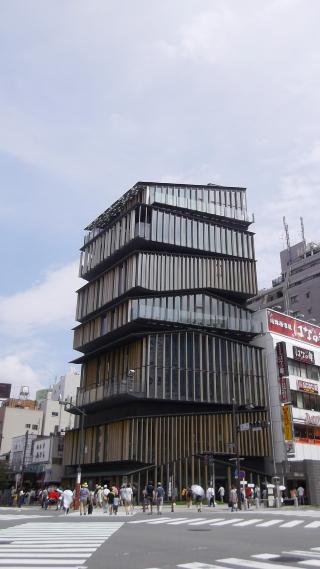 Image source: city.taito Official Website
Designed by master architect Kengo Kuma, this center is located right across from Kaminarimon. Beyond providing travel information, the top floor features a free observation deck with a bird’s-eye view of Kaminarimon and the surrounding area—perfect for panoramic photos of Asakusa and Tokyo Skytree.
**Asakusa Culture Tourist Information Center Info:**
Hours: 9:00–20:00
Address: 2-18-9 Asakusa, Taito City, Tokyo
Admission: Free
8. Tokyo Skytree
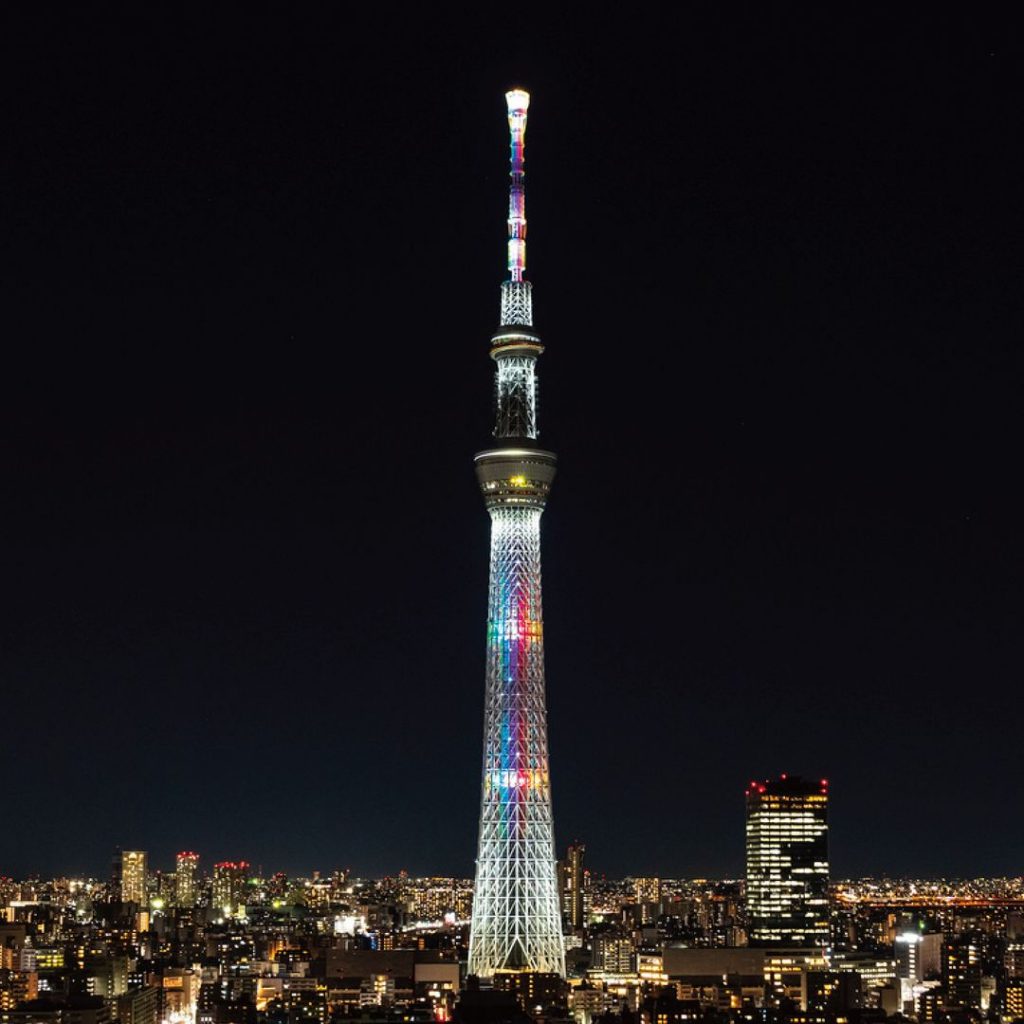 Image source: instagram@tokyoskytree_official
One of Tokyo’s most iconic landmarks, Tokyo Skytree stands at 634 meters. It offers a 360-degree stunning night view of Tokyo from two decks: the Tembo Deck (350m) and the Tembo Galleria (450m). On clear days, you can even see Mount Fuji. The tower also features beautiful themed lighting shows every night.
**Tokyo Skytree Info:**
Hours: 10:00–22:00 (Last entry 21:00)
Address: 1-1-2 Oshiage, Sumida City, Tokyo
Admission:
・Tembo Deck only: 2,100–2,400 yen (varies by date)
・Combo Ticket (Deck + Galleria): 3,100–3,500 yen (varies by date)
Tickets: KKDAY, KLOOK
9. Asakusa Engei Hall
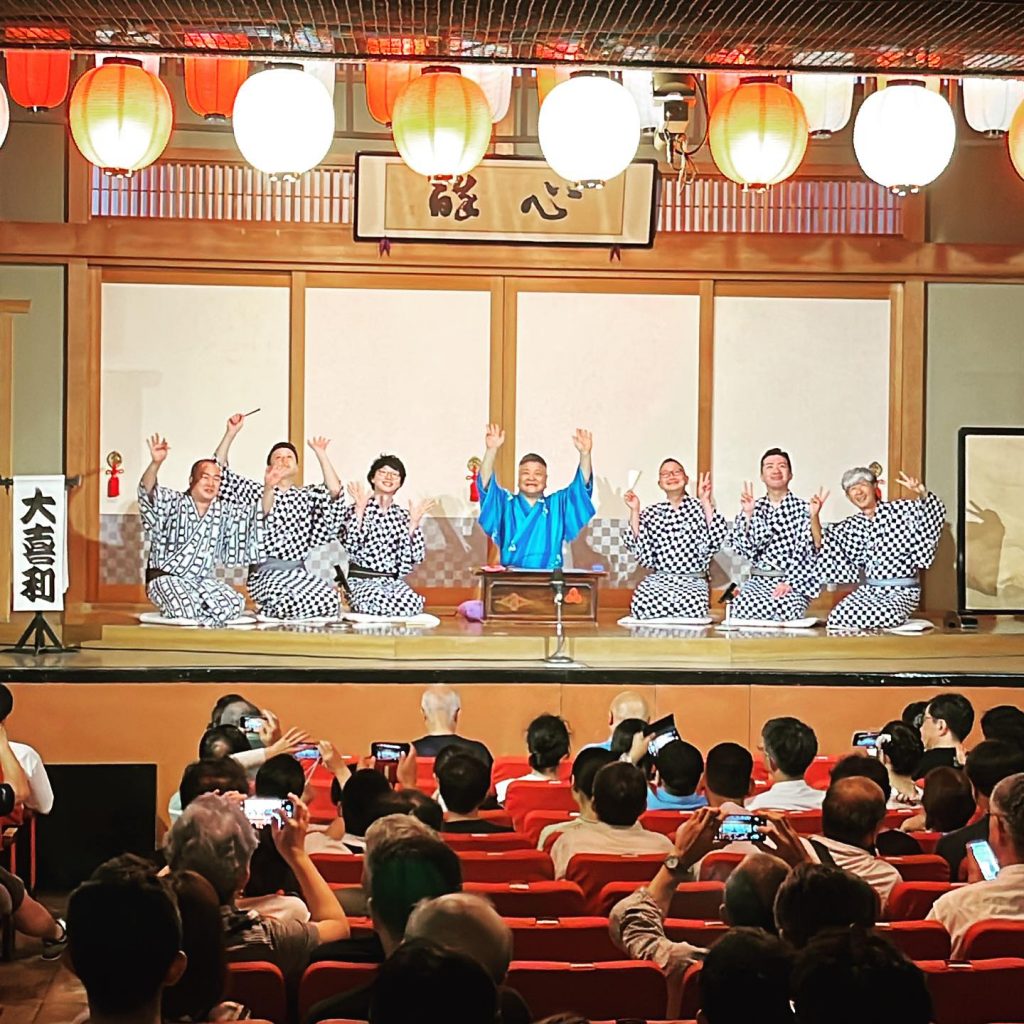 Image source: instagram@asakusaengei
Asakusa Engei Hall was the stage for commoner entertainment in the Showa era and remains the best place to appreciate “Rakugo” (traditional comedic storytelling). Besides Rakugo, performances include Manzai (stand-up comedy), acrobatics, and magic. It’s a place where you can experience both traditional culture and modern performance charm.
**Asakusa Engei Hall Info:**
Hours: 11:30–21:00 (Check official website for daily schedules)
Address: 1-43-12 Asakusa, Taito City, Tokyo
Admission: Adults 3,000–3,500 yen; Students 2,500–3,000 yen; Children (4+) 1,500–2,000 yen. Discounted evening rates available after 18:00.
10. Asakusa ROX
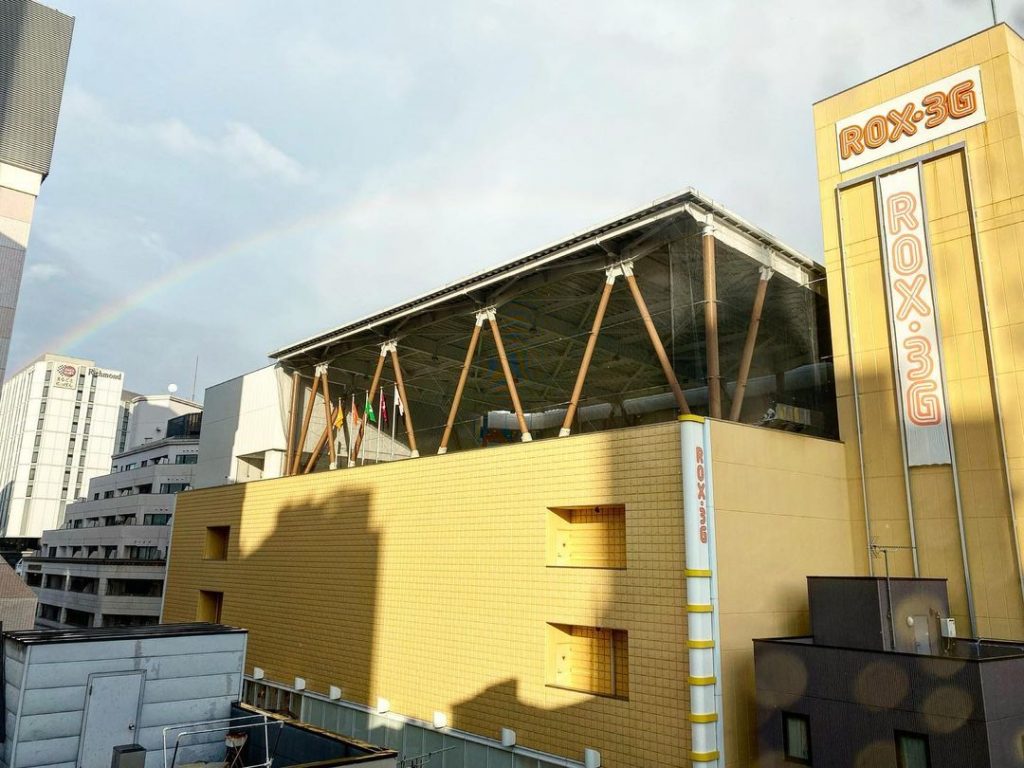 Image source: instagram@asakusa_rox_official
The large shopping complex “Asakusa ROX” brings together restaurants, department stores, a supermarket, amusement facilities, and hot springs. After shopping, you can visit “Asakusa ROX Matsuri-yu,” which offers 11 types of baths and 3 saunas. The open-air bath even offers views of Tokyo Skytree!
**Asakusa ROX Info:**
Hours: 10:30–21:00, Open daily
Address: 1-25-15 Asakusa, Taito City, Tokyo
**Asakusa ROX Matsuri-yu Info:**
Hours: Mon–Sat 10:30–09:00 (next day); Sun 10:00–23:00 (Last entry 30 min before close)
Admission: Weekdays 2,750 yen; Weekends/Holidays 3,080 yen.
Details at Matsuri-yu Official Site.
11. Inner Asakusa: Imado Shrine
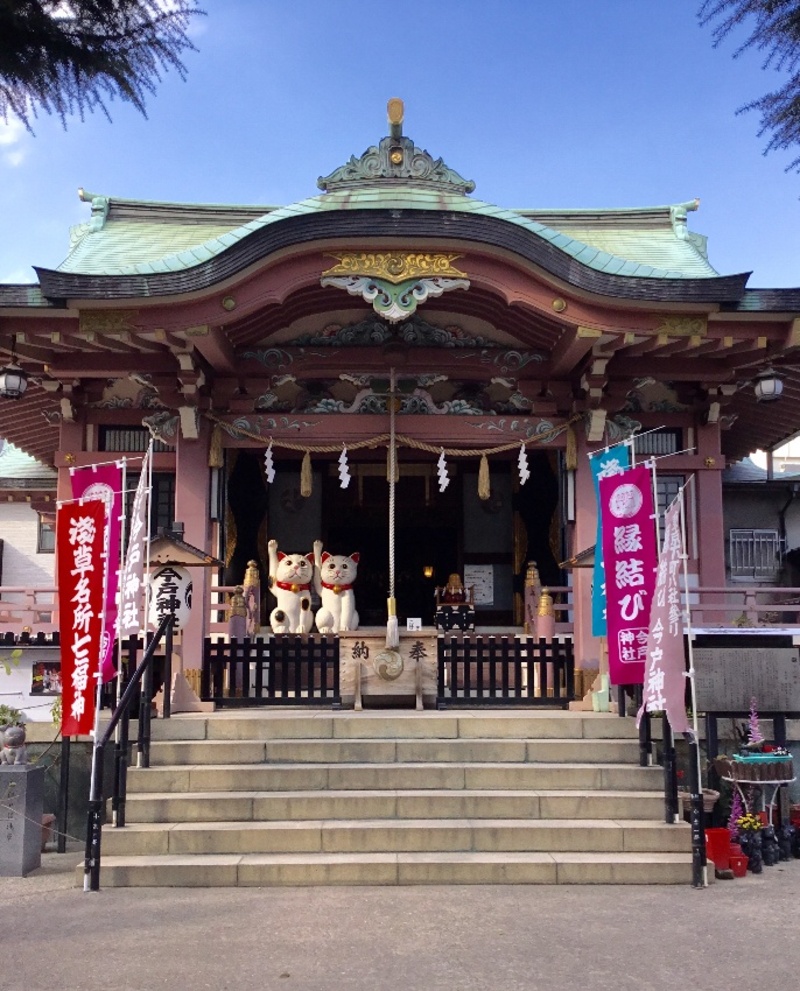 Image source: Imado Shrine Official Website
If you’re already familiar with Asakusa, explore “Inner Asakusa” (Ura-Asakusa) north of the temple! This area retains a strong Shitamachi vibe with many trendy cafes. Nearby Imado Shrine is famous for love and marriage and is the birthplace of the beckoning cat (Maneki-neko). Its cat-themed Ema and amulets are incredibly cute.
**Imado Shrine Info:**
Hours: 9:00–17:00
Address: 1-5-22 Imado, Taito City, Tokyo 111-0024
Asakusa Travel Q&A
Q1: How to plan an Asakusa one-day trip?
 Image source: instagram@tokyoskytree_official
Many visitors rent a Kimono in Asakusa. Popular shops include Asakusa Aiwafuku, Kimono Miyabi, and Asakusa Yae. Once dressed, you’re ready to explore!
**Suggested Itinerary:**
Kaminarimon → Nakamise Shopping Street → Senso-ji & Asakusa Shrine → Lunch: Nakamise snacks or local restaurants
Hanayashiki Amusement Park → Sumida River Walk → Dinner: Tokyo Skytree → View the night city from Skytree decks.
Asakusa Kimono Experience: KKDAY, KLOOK
Q2: When is the best time to visit Asakusa?
 Image source: Japan National Tourism Organization Official Site
Spring and autumn are the best times. Spring offers cherry blossoms around Senso-ji, while autumn features vibrant red maples. If you want to experience the Sanja Matsuri, one of Tokyo’s three major festivals, visit during the third weekend of May to see portable shrines (Mikoshi) and ritual ceremonies.
Q3: What are the recommended must-eat foods in Asakusa?
 Image source: instagram@tokiwado_kaminari_okoshi
Asakusa is famous for traditional snacks. Must-eats include Tempura, Ningyo-yaki, Taiyaki, and Kaminari-okoshi. Grab a few treats to taste authentic Japanese local cuisine.
Agoda Coupon Code
Ready to experience the blend of old and new in Asakusa? Download the travel service app: Funliday now to handle everything from itinerary planning and airport transfers to car rentals and travel insurance in one place!
AloJapan.com