
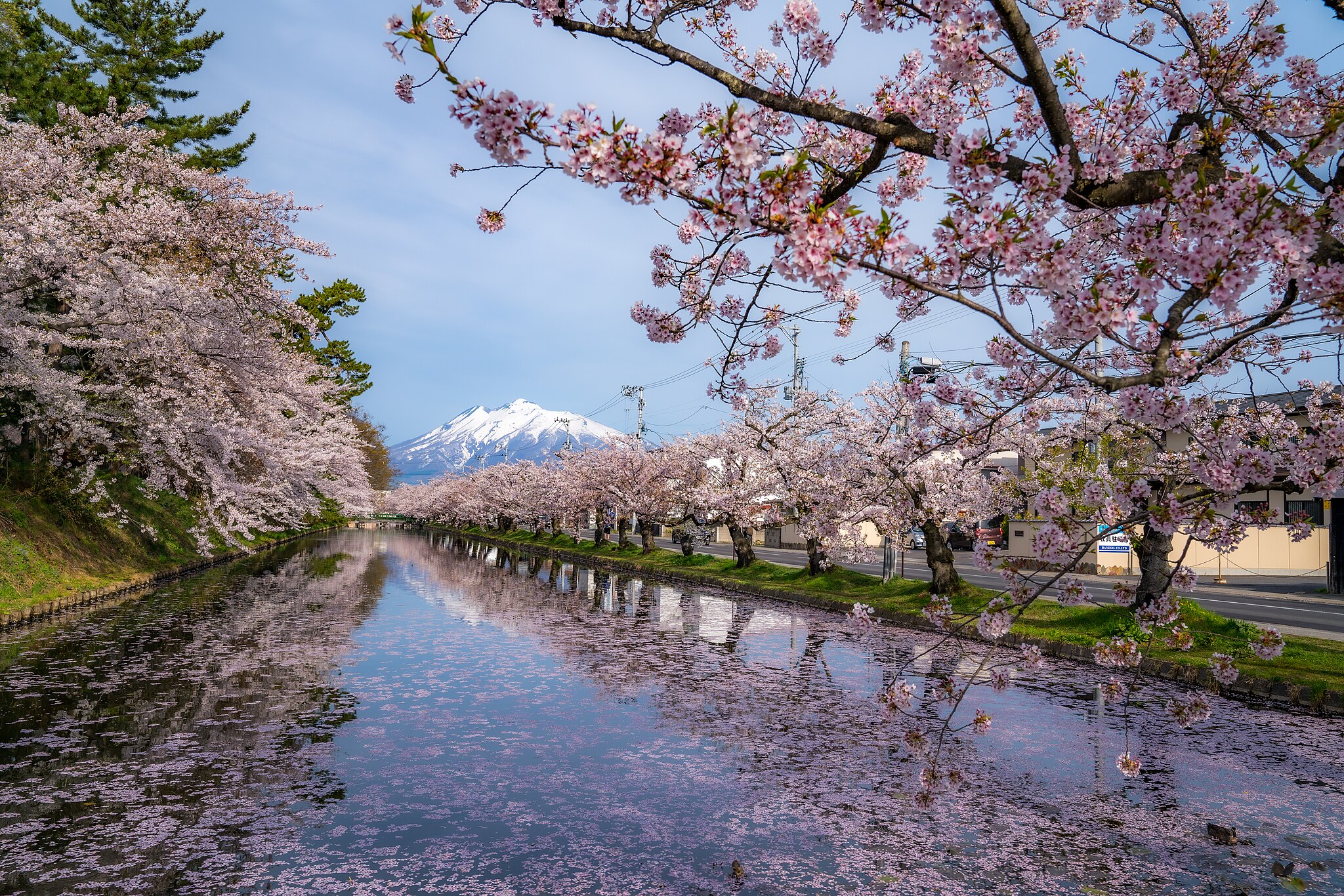
Tourists who are hoping to get a glimpse of the postcard-perfect view of Mount Fuji framed by cherry blossoms will definitely miss out this 2026, after Japanese authorities cancelled the famous spring festival at Arakurayama Sengen Park.
Officials say the decision reflects a growing sense of crisis over how mass tourism has transformed daily life in the small city of Fujiyoshida.
Each spring, tens of thousands of visitors flood the hillside park to capture the iconic scene of the five-tiered Chureito Pagoda set against blooming sakura and Japan’s most recognisable peak. What was once a seasonal celebration has increasingly become quite challenging and a pressure point for residents living beneath the viewing deck.
Local leaders, however, stressed the cancellation is not about rejecting visitors, but about drawing a line after years of disruption, unsafe crowding and behaviour that has tested the limits of the city.
A Festival Overwhelmed by its Own Fame
According to Fujiyoshida City officials, Japan’s Cherry Blossoms Festival 2026 planned for spring of this year was cancelled after repeated warnings that crowd levels were no longer manageable. During peak bloom, narrow streets leading to Arakurayama Sengen Park regularly congest with tour buses, taxis and private cars.
Additionally, residents have reported emergency vehicles struggling to pass, while visitors queue for hours to reach the observation deck. Authorities say congestion has spilled into residential roads that are not designed for tourist traffic.
Local officials described a ‘strong sense of crisis’ as complaints mounted over noise, blocked entrances and visitors wandering into private homes and gardens while searching for the best camera angle and shots, The Guardian noted.
‘For Fujiyoshida City, Mount Fuji is not just a tourist attraction; it is our very way of life’, Mayor Shigeru Horiuchi told local media. ‘However, I feel a strong sense of crisis about the reality’.
When Daily Life Becomes Collateral Damage
For local residents living near the park, the Japan Cherry Blossoms Festival 2026 now brings anxiety more than celebration. Neighbours say they have dealt with strangers looking into homes, climbing fences and leaving litter behind after sunset.
Some residents also expressed they felt their quiet lives were being ‘threatened’ by the scale of tourism, particularly during the short sakura season window when crowds massively peak.
‘Behind the beautiful scenery, the quiet lives and dignity of our residents are being threatened,’ Fujiyoshida City mayor added, as quoted by Euro News.
Even though tourism brings revenue, city officials acknowledged that it also creates burdens that are harder to measure, from constant clean-up efforts to growing resentment among locals who feel ignored in favour of social media-driven travel.
Safety Fears Push Japanese Officials To Act
Apart from disruption, safety concerns played an important role in cancelling Japan’s Cherry Blossoms Festival 2026. Since the hillside paths leading to the Chureito Pagoda are steep and narrow, this reality creates challenges when thousands of tourists arrive at once.
Fujiyoshida City officials warned that overcrowding raises the risk of falls or medical emergencies, especially among elderly visitors. Managing such crowds has required increased police and volunteer visibility, stretching local resources year after year.
Due to these challenges, Japanese local officials concluded the Cherry Blossoms Festival format could no longer continue without risking public safety, especially when the number of tourists continue to climb annually, as per BBC News.
A Wider Warning for Japan’s Tourism Boom
Unfortunately, the Cherry Blossoms Festival 2026 cancellation sends a clearer signal as Japan faces record-breaking tourism. Mount Fuji, a long-standing symbol of national pride, has become the centre of debates over how much access is too much.
Even though Fujiyoshida has not fully rejected future cherry blossoms festivities, officials say bringing the festival back would require stricter controls, improved infrastructure and clearer respect for local residents’ boundaries.
For now, the cancellation of Japan’s Cherry Blossoms Festival 2026 marks not just a pause but a reminder that even the highly anticipated and most cherished Japanese sakura scenic sights have limits.
AloJapan.com