
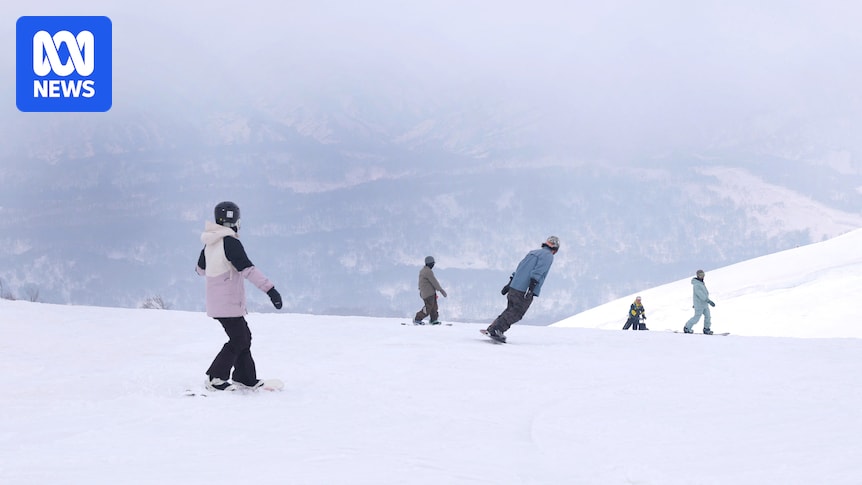
Australians working in Japan’s snowfields have been shaken by a spate of recent tragic deaths, but say the industry is safe.
Three young Australians have died in skiing-related incidents in Japan since the start of this year, including two in the past week.
Australian Matt Guy has lived in Japan for about 10 years and runs ski tours for foreigners.
He also worked as a safety ski patroller rescuing injured visitors and said Japan’s ski slopes could be unpredictable.
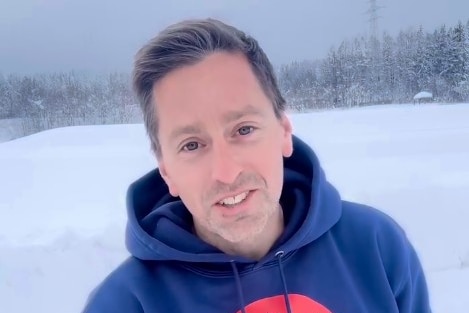
Matt Guy says conditions on snowfields are changeable. (Instagram: Matt Guy)
“Conditions do change on the same day and it doesn’t matter how much you’re prepared with all the best equipment and technology, nature is pretty powerful and anything can happen,” he said.
Seventeen-year-old Australian-Indonesian citizen Rylan Henry Pribadi died while skiing at the Niseko Ski Resort in Kutchan Town, Hokkaido on January 9.
He came into contact with a rope marking the course boundary while on the snow and the cause of death was asphyxiation.
On Monday this week, 27-year-old Melbourne man Michael “Micky” Hurst died after he had a medical episode while skiing with friends in the Hokkaido region.
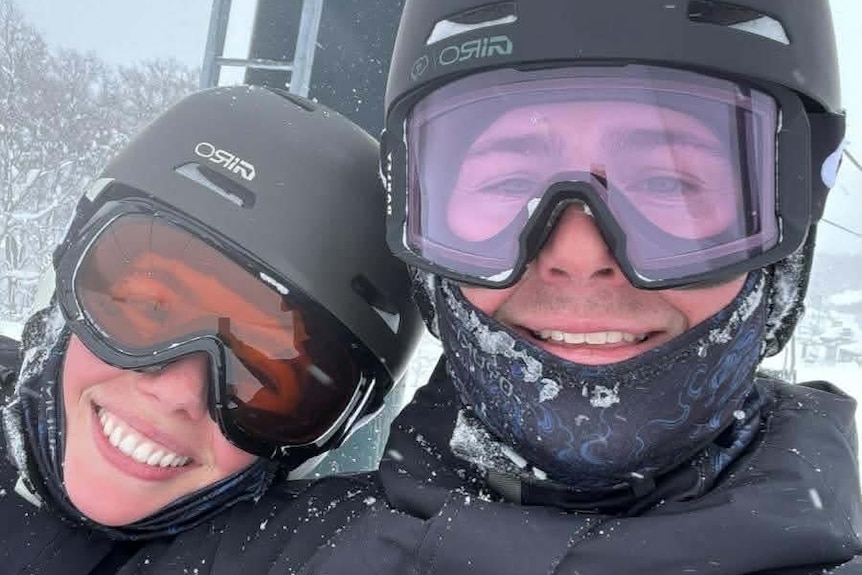
Michael Hurst (right) was at the rear of a group of skiers in Japan’s Hokkaido region when he had a medical episode. (ABC: Supplied)
A day earlier, Sunshine Coast woman Brooke Day, 22, died after riding a ski lift at the Tsugaike Mountain Resort in central Japan when her backpack became caught and she suffered critical injuries.
Japanese media also report another Australian, a 29-year-old man, was seriously injured in late January while back-country skiing in the Hokkaido region.
Foreigners in ‘significant proportion’ of ski accidents
Australian Ben Kerr is on the tourism board for the town of Niseko — where two of the Australians died — and said the community was in shock, but hoped it would not affect visits to the area.
“Obviously with these kind of tragedies, the tourist boards work very hard to put out information to all of the guests, just telling people to really be careful, to make sure they’re skiing together with their friends, they know where they are and that they’re carrying the right items if they’re going back country or if they’re inexperienced, to get a guide,” he said.
“Previously we’ve had Australian guests here who’ve hurt themselves when they’ve gone off a big jump and haven’t landed very well.
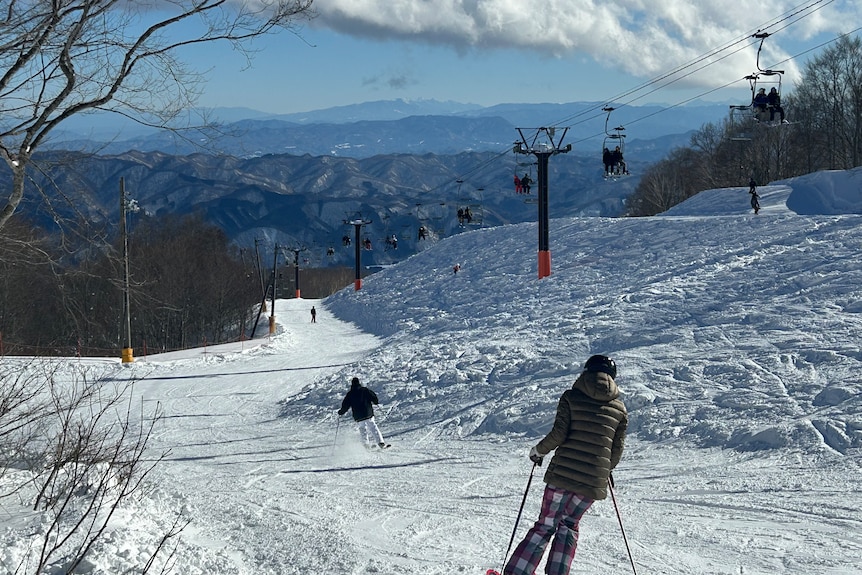
Tsugaike Kogen Mountain Resort is a popular ski spot in Japan. (ABC: Kellie Lazzaro)
“So with skiing, unfortunately comes accidents. We do our best to try to reduce those numbers, but ultimately skiing is a little bit of a dangerous sport, I guess.”
Australia makes up the largest cohort of visitors to Japan’s snowfields each year, with visits usually peaking each January.
The head of Japan’s National Ski Safety Measures Council Makoto Takayanagi said accidents involving foreigners seemed to be on the rise.
“Within Hokkaido alone, there were 58 ski-related accidents [in the back country] between November 1, 2025 and February 2, 2026. Of these, 48 involved foreign nationals,” he said.
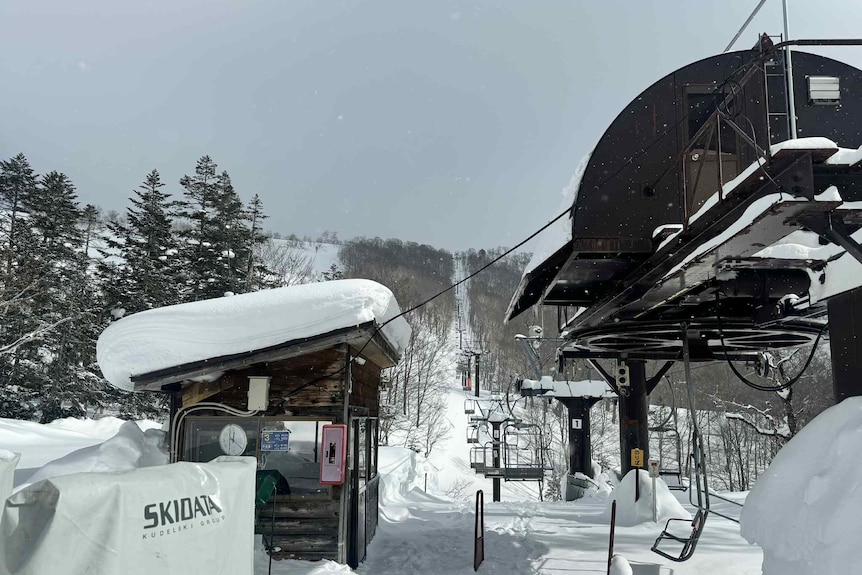
Australian woman Brooke Day died on a ski lift at Tsugaike Kogen Mountain Resort. (Supplied)
“The current situation is that foreigners make up a significant proportion.
“When foreign visitors come to Japan to ski, we ask that they consult the ski resort brochures and aerial maps, and carefully confirm that they remain within the designated managed areas of the resort.”
Mr Guy said while skiing in Japan had unpredictable risks, there were ways to be prepared.
“Just see where you are and gather the information to know that this place is pretty powerful,” he said.
“There’s signage there to talk about how much snow there is.
“And then on top of that, I think it makes a lot of sense to go out with guides, to go with people who know the way around.”
AloJapan.com