
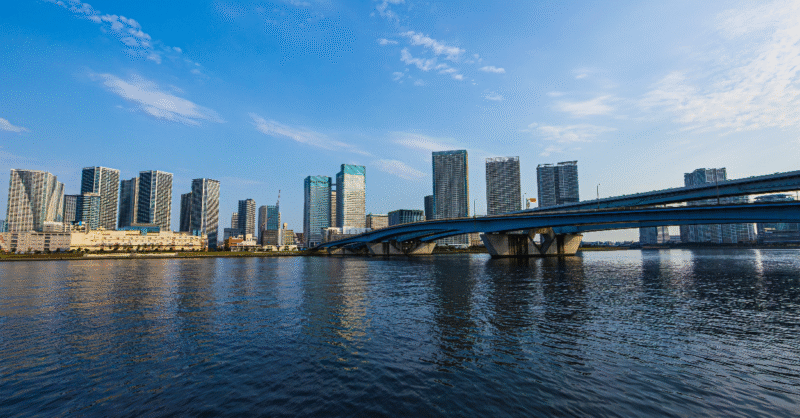
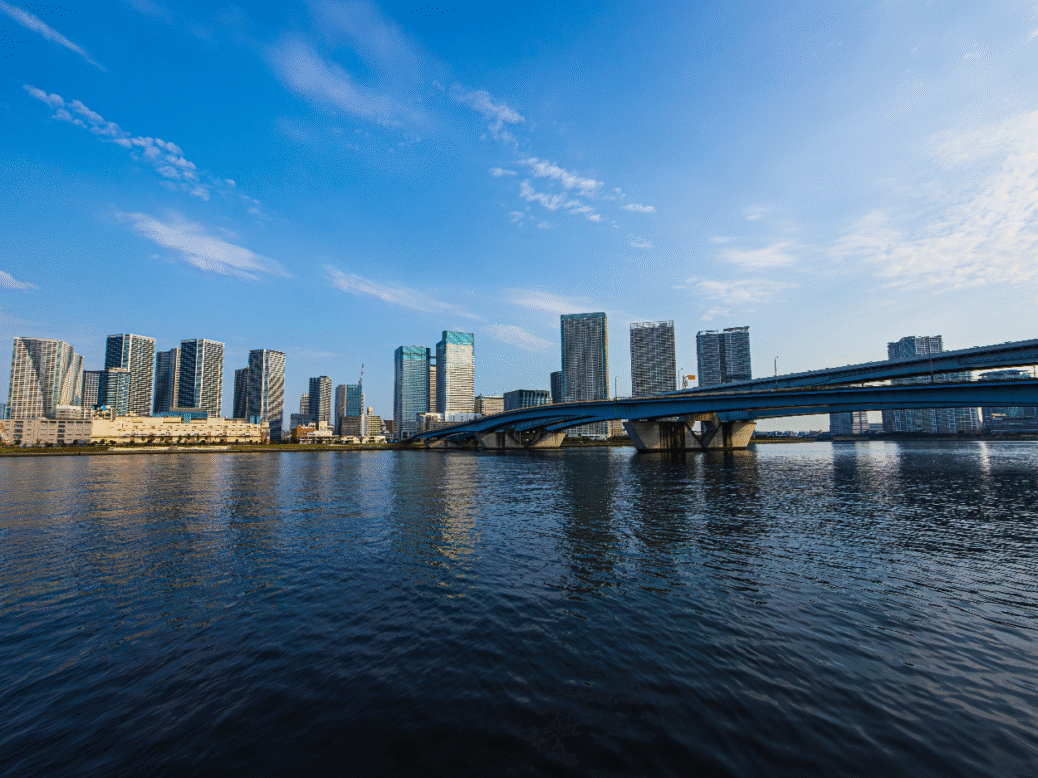
Tokyo has emerged as the world’s strongest prime residential market in 2025, driven by a surge in ultra-luxury developments and record-breaking apartment sales // Image: Shutterstock
Tokyo has topped a global list of 2025’s prime property hotspots, registering a staggering 30 per cent ‘prime capital value growth’ over the previous year.
The data, taken from Savills’ Prime Residential World Cities report, reflects changes in purchase prices for the top 5 per cent of residential properties across 30 key global property markets.
Tokyo was a clear outlier, recording more than double the percentage growth of the second-placed city on the list, Seoul.
[See also: London still top city for HNW lifestyle despite tax concerns]
The result is partly down to a shift in the prime and super-prime residential market in the Japanese capital. Tokyo’s previously small market for super-prime luxury property has been significantly reshaped by a string of new projects, including private residences from hyper-luxury boutique hotel chain Aman, which were unveiled in 2024.
An Aman penthouse reportedly sold for around 20 billion yen (approximately $140 million), setting a new record for Japanese apartment prices.
The Aman scheme comprises 91 fully serviced residences within Tokyo’s tallest residential building – the Mori JP Tower – designed by architects Pelli Clarke & Partners. The tower rises to 1,066 feet and forms part of the Azabudai Hills development.
[See also: The $393 trillion market: real estate remains world’s ultimate store of wealth]
Content from our partners
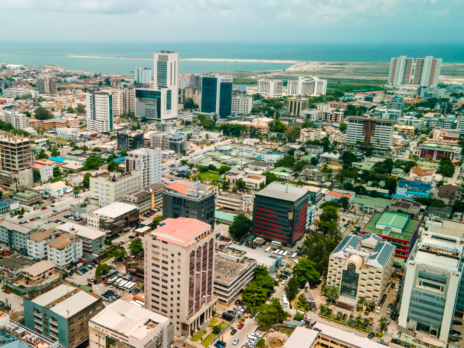


Other recently launched luxury developments in Tokyo include The Kita, where a 5,457 sq ft penthouse with a rooftop infinity pool sold for about $50 million, the Mita Garden Hills development and Toranomon Hills Residential Tower.
‘[Tokyo] combines acute supply scarcity with enduring investor appeal,’ Savills said in a press release accompanying the report’s data. ‘A widening disconnect between new apartment prices and construction costs raises medium-term sustainability questions, yet competition for land – particularly from office developers – continues to restrict residential delivery.’
Commenting more broadly on the report, Kelcie Sellers, associate director of Savills world research, said: ‘Chronic undersupply, cross-border capital flows and sustained demand for global city environments, especially those with strong lifestyle and fiscal pulls, will continue to drive growth in prime residential markets around the world.’
AloJapan.com