
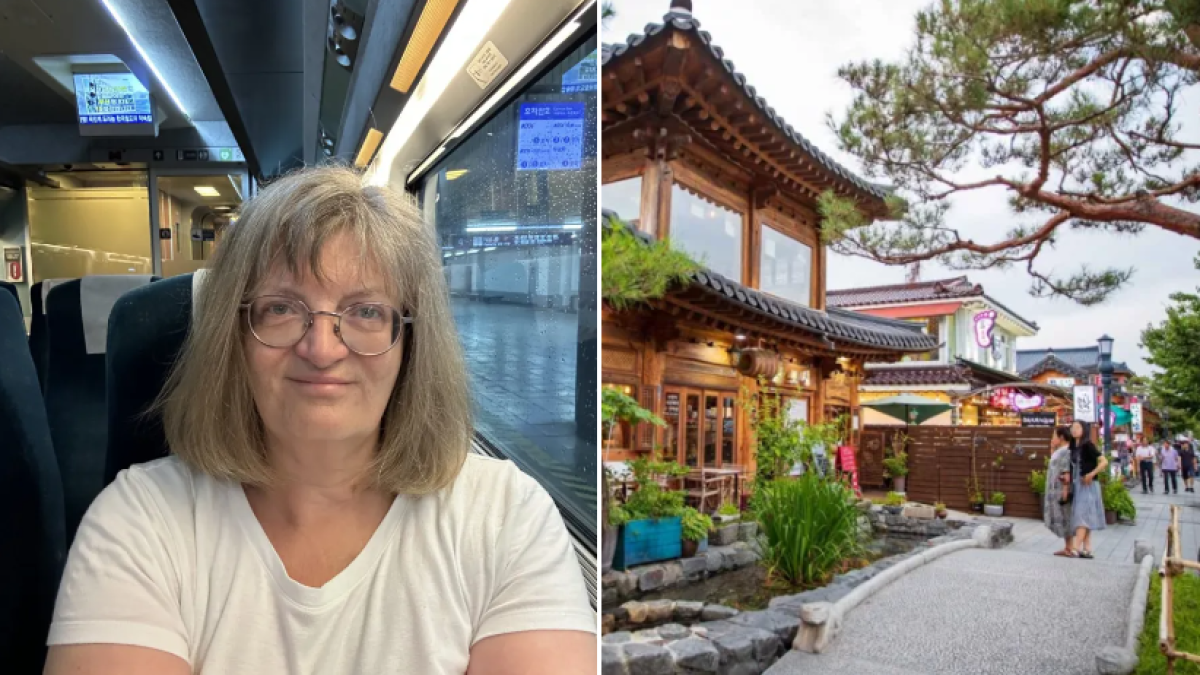
South Korea’s railway network is an efficient and enjoyable way to see the country – and is far less challenging to navigate than imagined
This article includes affiliate links. When you book accommodation or other travel products through these links, we may earn a commission. This does not affect our recommendations or opinions.
Raindrops traced lazy trails down the train’s windows as Korail’s KTX service to Gyeongju freed itself of Seoul’s urban sprawl. With a top speed of about 185 mph, it’s comparable to Japan’s famous Shinkansen but costs a fraction of the price: the two-hour, 350km (220 mile) trip had set me back about £25, less than half than what it would have cost to travel a similar length journey from Tokyo to Kyoto in Japan.
It was the first of a series of trains I’d use to loop South Korea, experiencing centuries-old Gyeongju in the south east, tranquil Suncheon Bay in the south and historic Jeonju in the west before rounding out my trip back up in the lively capital.
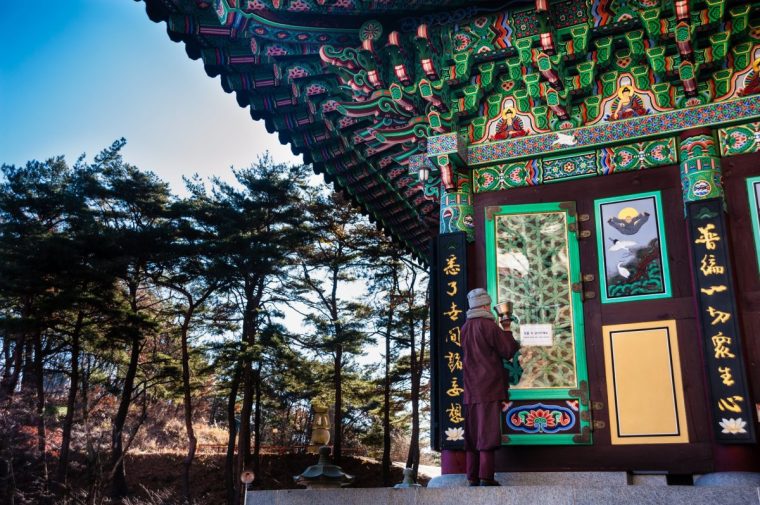 The Golgulsa temple near Gyeongju city (Photo: David Ducoin/Gamma-Rapho via Getty)
Buddhist temples abound in Korea, their weathered timbers often painted in shades of carmine, mint green and hyacinth blue. But it wasn’t just the architecture that brought me to Golgulsa, set on a wooded hillside on the outskirts of Gyeongju.
Through the nationwide Temple Stay initiative (half-day programmes cost about £36), Golgulsa invites visitors to take classes in a Korean Buddhist martial art called seunmodo, which has a history that can be traced back more than a thousand years.
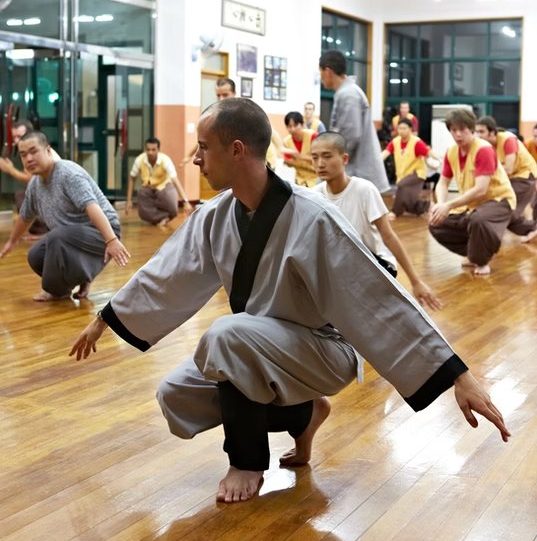 Sunmudo is offered at Golgulsa Temple
Our tutor began by schooling us in sitting meditation, extolling the health benefits of deep breathing and stillness. After lunch, a school group clattered in to join us for a martial arts class. Most of us could master a passable lunge and thrust manoeuvre, but the exercises soon ramped up. By the time the pros were doing the splits in mid-air, the kids and I had given up.
New FeatureIn ShortQuick Stories. Same trusted journalism.
We wrapped things up with 108 prostrations, ritualistic bows that required us to kneel, rest our heads on floor cushions and then stand up again. It was tougher than you’d think. Nursing aching muscles, I hopped in a taxi back to the city for beer, barbecued beef and a comfortable bed.
A few days later I continued my journey with a short but fast hop to Busan, where I bought a ticket for one of only a handful of heritage tourist trains still operating. Half empty and unable to muster more than a trundle, it couldn’t have been more different from the packed KTX.
Its retro vibe was a triumph of clashing colours: mismatched seating with green plastic arms and blue upholstery, orange lino-clad walls, red flowers on the ceiling and a funky purple vestibule.
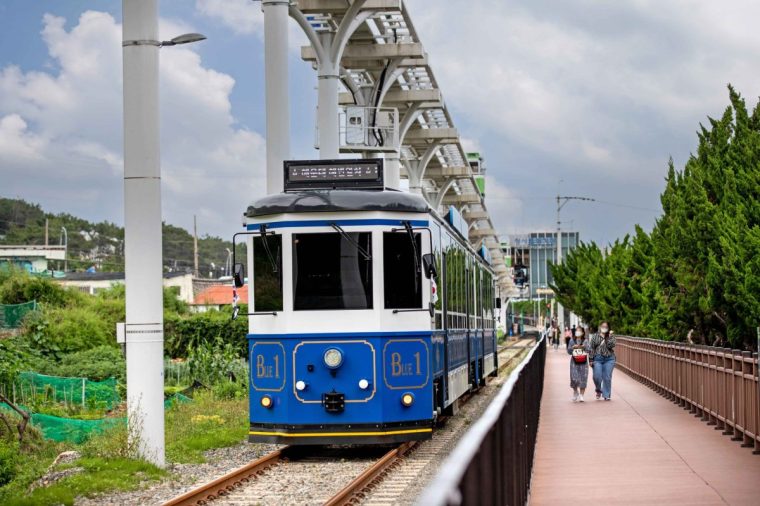 One of the vintage tourist trains in Busan (Photo: Visit Korea)
I slid into a tan faux leather bench and rested my arms on a grubby Formica table. But it seemed uncharitable to label it shabby when I’d paid just £10 for a three-hour ride.
My destination was the tranquil wetland at Suncheon Bay, a Unesco World Heritage Site comprising 28 square kilometres of reed beds and tidal flats. The reserve is an important wintering ground for a variety of birds, among them cranes, spoonbills and sandpipers; the mud conceals crabs and shellfish, which local fishermen harvest using sled-like boats called neol. Lightweight and made of cypress wood, they’re able to glide over the shallows at low tide without becoming mired in the mud.
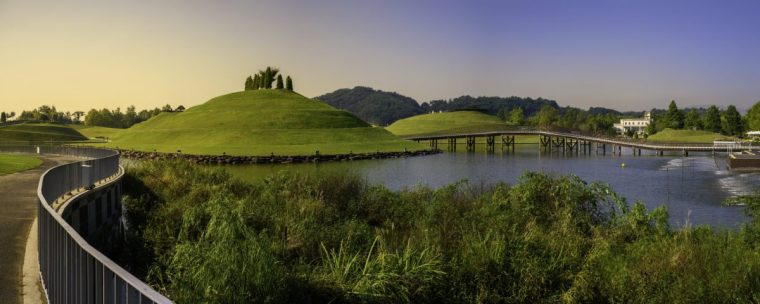 Suncheon Bay National Garden is an important reserve for migratory birds (Photo: Sanghwan Kim/Getty)
Most visitors reach this idyllic spot by riding the futuristic-looking Sky Cube – an unmanned, single-carriage train – direct from Suncheon’s National Garden.
Instead, I’d opted to stay in a simple roadside guesthouse, a steal at £29 per night for a huge room with its own kitchen, which put me within walking distance of the wetland’s boardwalks. It was also convenient for other popular local attractions such as Nagan Eupseong Folk Village, known for its thatched buildings and craft demonstrations.
Using the Naver app (Korea’s answer to Google maps) I found it easy to figure out which bus to catch from the railway station – in this case, route 66. Dropping my bags, I strolled out into a sea of green and brown reeds, relishing the peace and quiet until the setting sun dappled the water and then slipped behind distant hills.
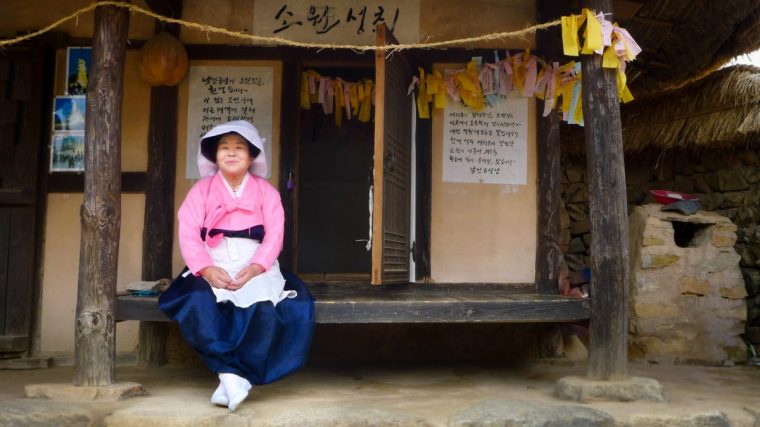 The Nagan Eupseong Folk Village (Photo: Aleksey Gavrikov/Getty)
Nevertheless, when the time came to leave I was excited to dive back into the melee, this time in historic Jeonju where I’d arranged a hanok stay. The earliest of these traditional dwellings date back to the 14th century during the Joseon Dynasty. Easily recognised by their sweeping heavy-tiled roofs and abundance of wood, many have been converted into stylish visitor accommodation.
Your next read
After grabbing the keys to a riverside hanok, I wandered over to the city’s delightful Gyeonggijeon shrine to join a free Hanok Village Alley walking tour. Cheerful guide Mr Chung was keen to share his love of Jeonju and teach us about the city’s cultural heritage. He urged us to rent hanbok, the Korean national costume, comprising a long-sleeved jeogori (top) which women team with a chima (floor-length skirt), while men wear loose-fitting baji (trousers).
I wondered why so many people had dressed up on such a warm day. “Because you get into the temples free,” explained the ever-smiling Mr Chung.
It was a wrench to leave pretty Jeonju but I had a train to catch. The bright lights of Seoul beckoned.
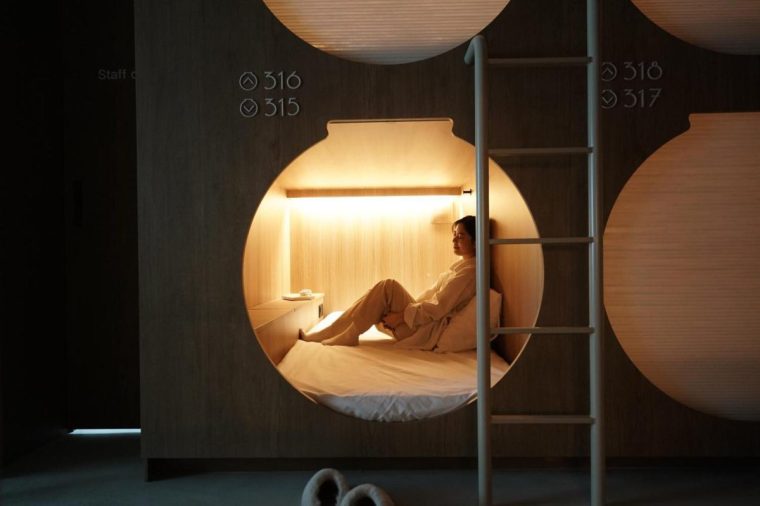 D.A.L Premium Capsule Hotel in Seoul (Photo: Expedia)
Capsule hotels might be synonymous with Japan, but I found one in the Korean capital too. “Please, you leave your shoes on the rack,” said my host, passing me a pair of pink sliders to wear indoors.
For less than £30 a night, I got a spacious cubby kitted out with crisp white linen and use of a spotlessly clean shared bathroom that – had it been ensuite – wouldn’t have looked out of place in an upscale hotel. I’d expected coffin-like claustrophobia but instead I slept like a baby.
Travelling around Korea by train was not only good value, but thanks to plenty of English signage and online bookings, far less challenging than I had imagined. I’m already planning my next trip.
How to get there and around
Asiana Airlines and Korean Air both fly from Heathrow to Seoul.
Virgin Atlantic launches direct flights in March.
Where to stay
Hotel websites tend to be only in Korean, so using a third-party website can be easier for English-speakers.
Hanokstay Mokhwa in Gyeongju has doubles from £88.
Suncheon Bay Healing Pension has doubles with their own kitchen from 60,000 won (£29).
Hanok Village Private House with Jacuzzi Aboy Jeonju (sole use) costs £91 per night.
D A L Premium Capsule Hotel in Seoul offers private capsules from £20 with breakfast.
More information
visitkorea.or.kr
AloJapan.com