

The 2025 film Rental Family introduces audiences to one of Japan’s strangest industries. In the movie, Brendan Fraser plays an out-of-work American actor in Tokyo who stumbles into a job at a rental family agency: a place where people can hire complete strangers to play the role of a family member or loved one. He begins where most outsiders do: disbelief, followed by mild curiosity, followed by the uneasy realization that this service is not only real, but maybe even needed in places. However, while the film does a respectable job of exploring the emotional consequences of rented intimacy, it’s ultimately an uplifting story — and as such, it doesn’t devote much time to the business’ real pitfalls.
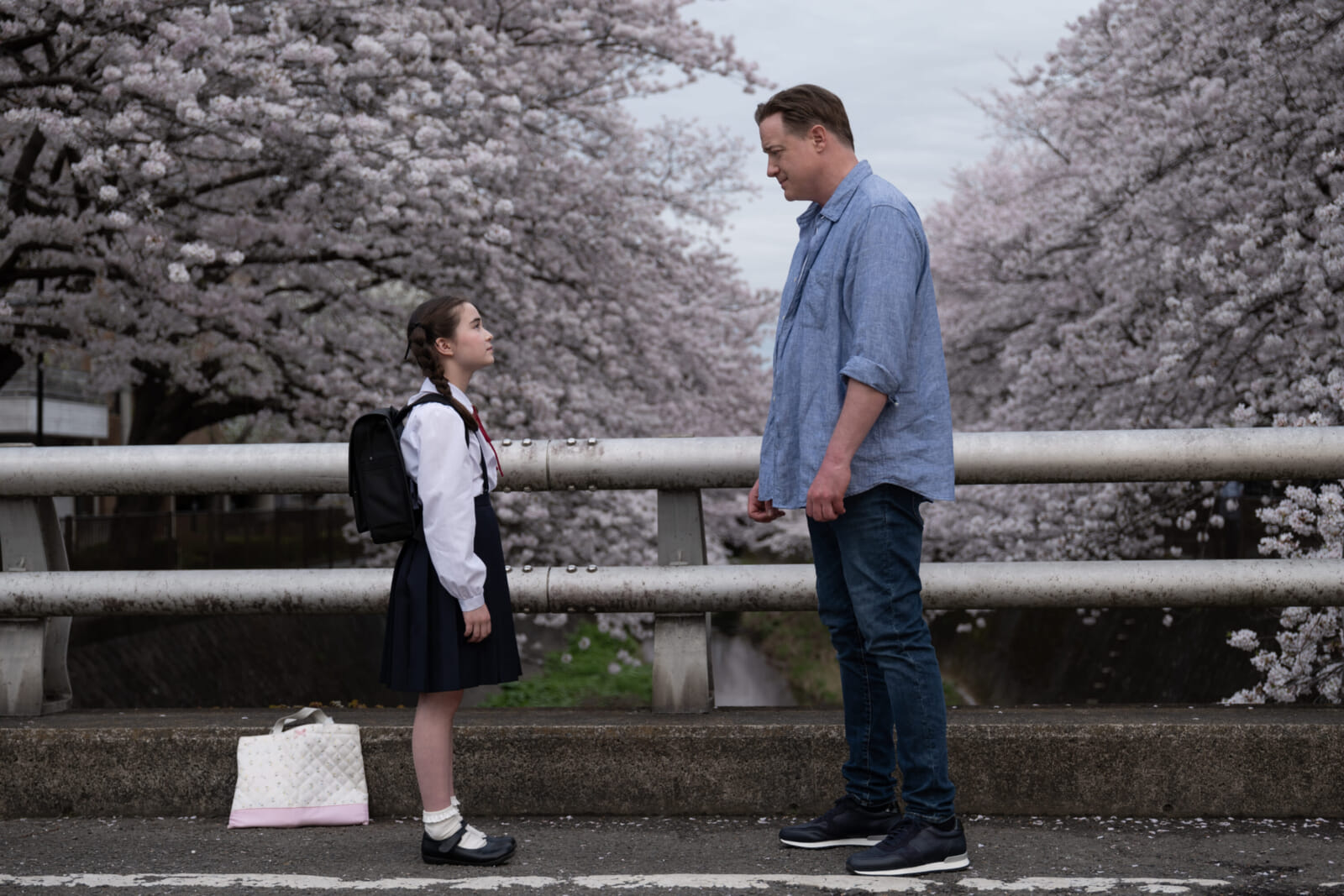
Shannon Gorman and Brendan Fraser in RENTAL FAMILY. Photo by James Lisle/Searchlight Pictures. © 2025 Searchlight Pictures. All Rights Reserved.
From Joke to Job
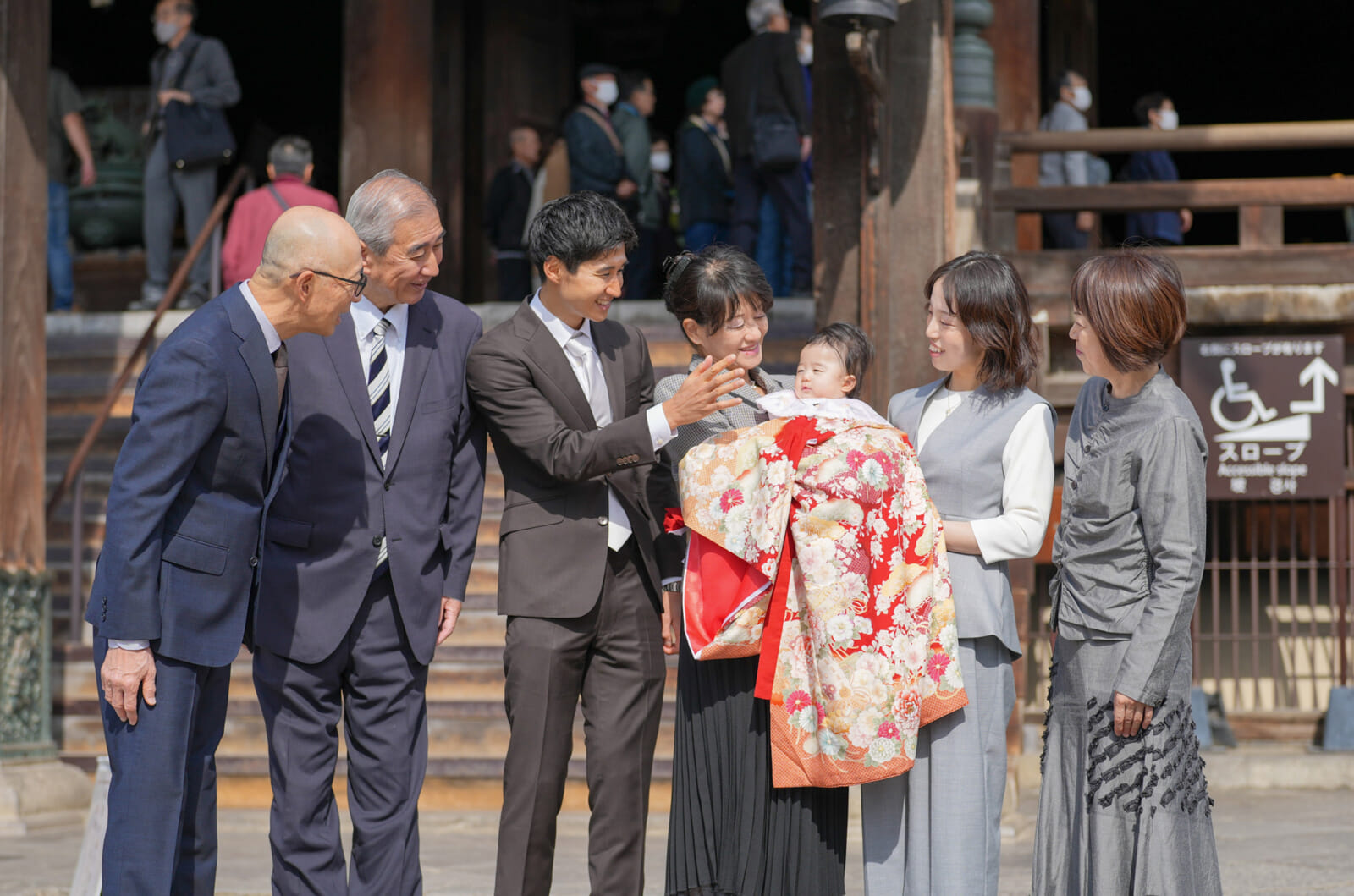
Japanese rental family services provide paid actors to play spouses, parents, children, friends or coworkers. Sometimes it’s for a single event, sometimes it’s for months or even years in the most extreme cases. The concept initially sounds silly but it’s responding to a real demand. The industry emerged in the early 1990s, when a corporate training firm noticed clients voicing dissatisfaction with their personal lives. By the early 2000s, companies were offering rental wedding guests and stand-in relatives for a society where familial relations are everything.
For example, consider that while Japan isn’t actively hostile towards homeless people, there does exist an undercurrent of thought that some of them don’t deserve sympathy because they clearly did something to lose the love and support of their relatives. That’s how much family is valued in Japan. The premium put on the family unit goes so far that it occasionally circles back and becomes problematic instead of admirable.
It’s this kind of environment that initially created the market for rental families. By the 2010s, these services also expanded to photoshoots, social media appearances and long-term companionship, straddling that border between societal good and a symptom of societal illness. Rental Family gets the dual nature of the business mostly right. It doesn’t aim to hurt anyone and, in a country where harmony and appearances matter greatly, the service feels less like deception and more like damage control. Until it doesn’t.
The Economics of Emotional Emptiness
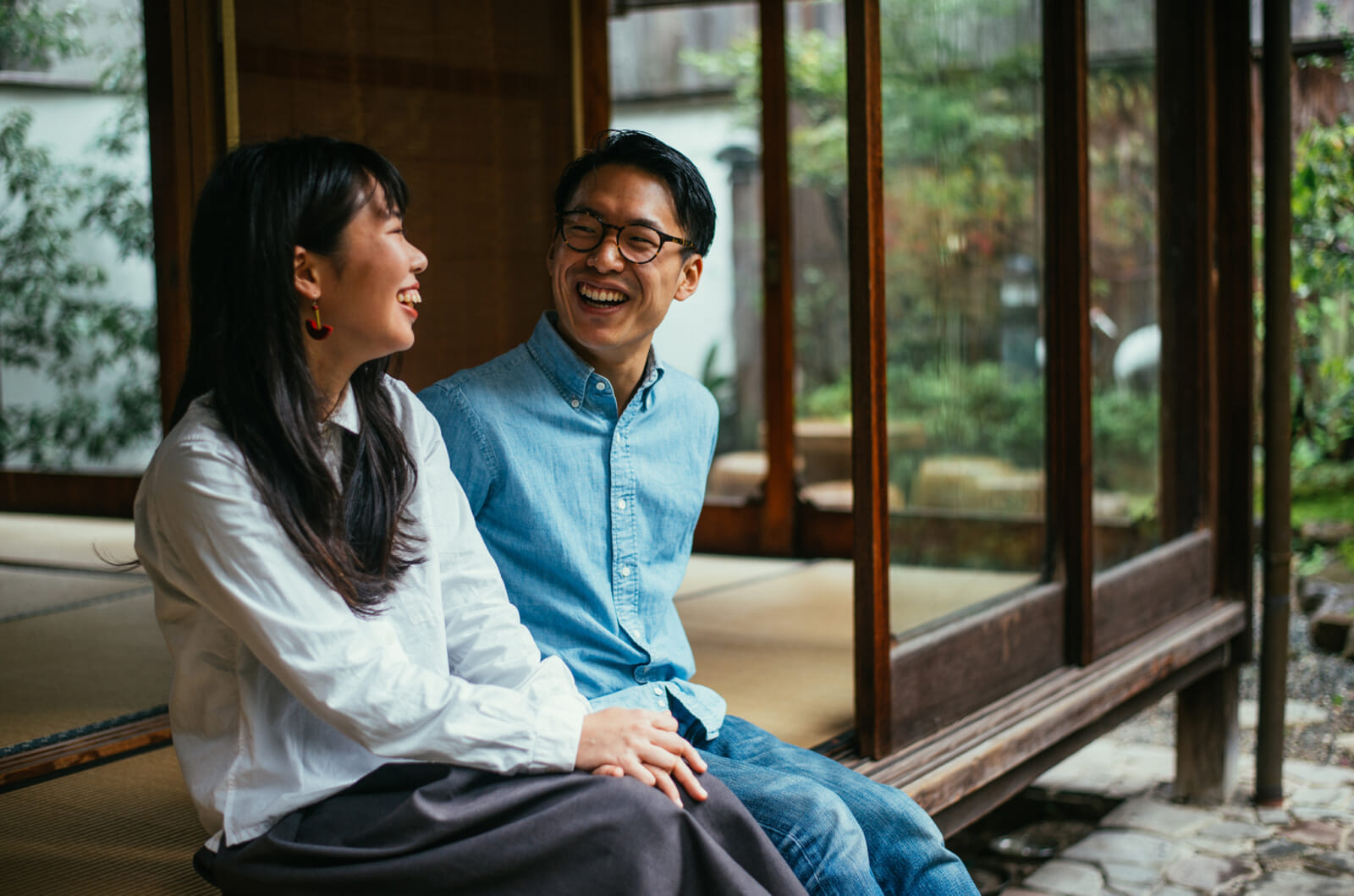
To understand rental families, you have to move past the novelty and look at what’s driving the need for the service: Japan’s loneliness epidemic. When they serve clients like hikikomori shut-ins or lonely elderly clients, rental families fit into the larger “loneliness industry” that offers band-aids instead of long-term solutions. This, it’s arguable, may keep the most vulnerable from seeking actual help. In some cases, rental families may even foster dependency on the paid connections where boundaries and blurred and real community is only simulated.
This is what makes the industry such a divisive issue. Rental families are, fundamentally, the commodification of human bonds. They package, price, and schedule the very thing that ultimately makes life worth living. It’s not inherently evil, at least not eviler than most businesses of a late-stage capitalistic society, but it is a complicated issue.
Ultimately, social bonds between humans aren’t something that you can turn on and off. Job or not, it’s easy for one party to start caring too much. Rental Family acknowledges this fact; Fraser’s character struggles to maintain professional boundaries throughout the film, wanting to connect to his clients as people rather than as clients. Still, it pulls its punches, especially when it comes to highlighting how unregulated the whole system is.
The Overlooked Oversight of Contracted Connections
Today, hundreds of rental family companies operate across Japan, with the service being treated as ordinary personnel contracts. Legally, there’s no real difference between an actor who pretends to be your daughter’s estranged father and, say, a temp secretary at a small-time publishing office. There’s no specific law regulating rented relatives. No standards to help avoid emotional harm. No clear limits to prevent dependency. No guardrails to keep people from getting hurt.
The film ends with a neat resolution: Fraser’s character manages to make amends with the girl whose father he’d been impersonating, and the agency he’s working at institutes small reforms to eliminate some ethical quandaries. It’s a surprisingly happy ending, to say the least. In the real world, the ethical debate around rental families remains unresolved: Should something that meets real emotional needs be more restricted by law? Or monitored? Criminalizing it feels extreme. Ignoring it feels negligent.
Rental families are tools: sometimes comforting, sometimes corrosive. What matters is not whether they exist but how far they should be allowed to go. At this point, we have no answers or solutions. Some politicians should probably look into this industry, though.
Related Posts
Discover Tokyo, Every Week
Get the city’s best stories, under-the-radar spots and exclusive invites delivered straight to your inbox.
AloJapan.com