

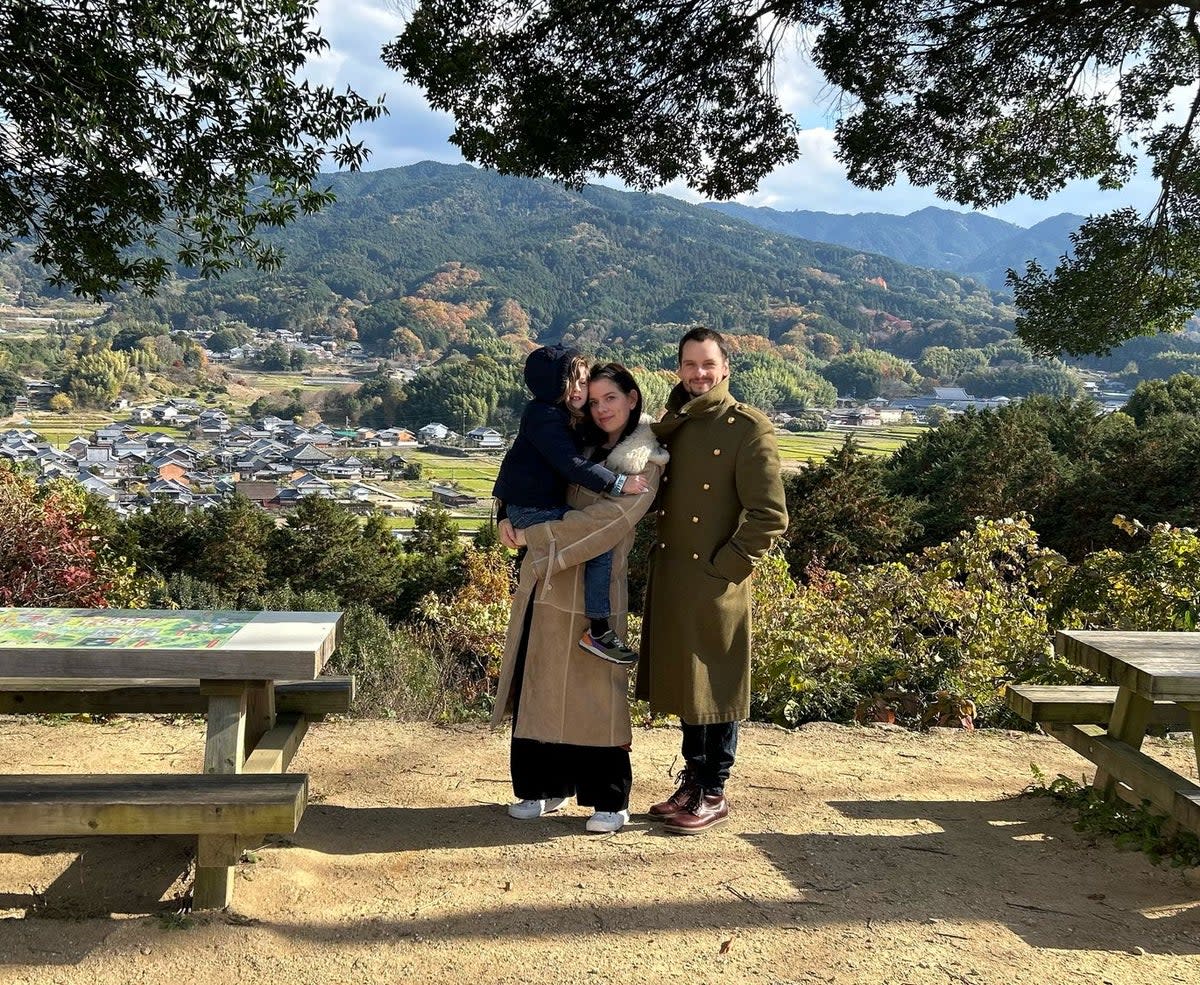
Ruby has travelled the world with her family for years (Ruby Deevoy)
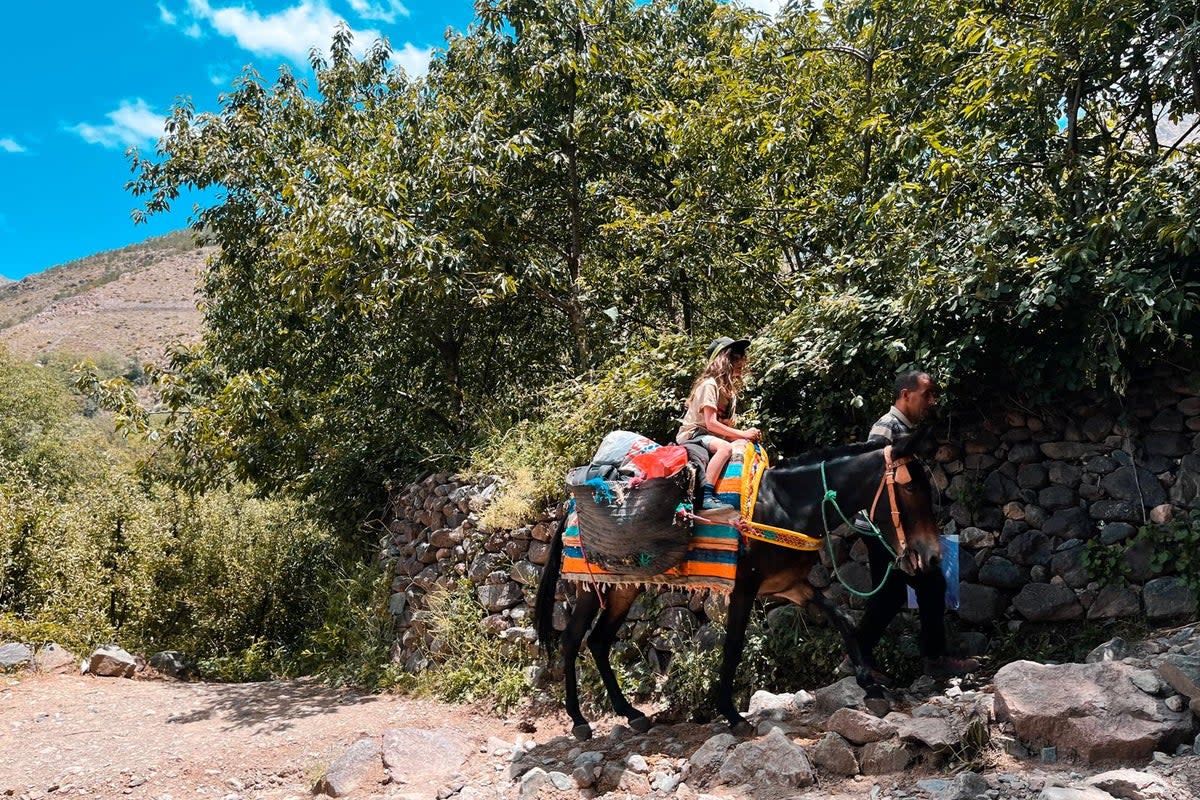
“We should start doing paintings based on how different countries look from above,” I said to my son as we landed in Marrakech. Here, it’s all brown, beige and gold.
Malta was a striking contrast of vivid blue and yellow stone, while Tokyo was a sea of twinkling city lights. My mind is on education, because that’s what all of our travelling is about. I’m “worldschooling” my eight-year-old, a form of home education where the world becomes your classroom.
He nodded before going back to his coding app on my phone, the bumpy landing not phasing him at all. He’s used to that now. Over the past few years, we’ve visited more than 10 different countries, something I think is an incredible life choice.
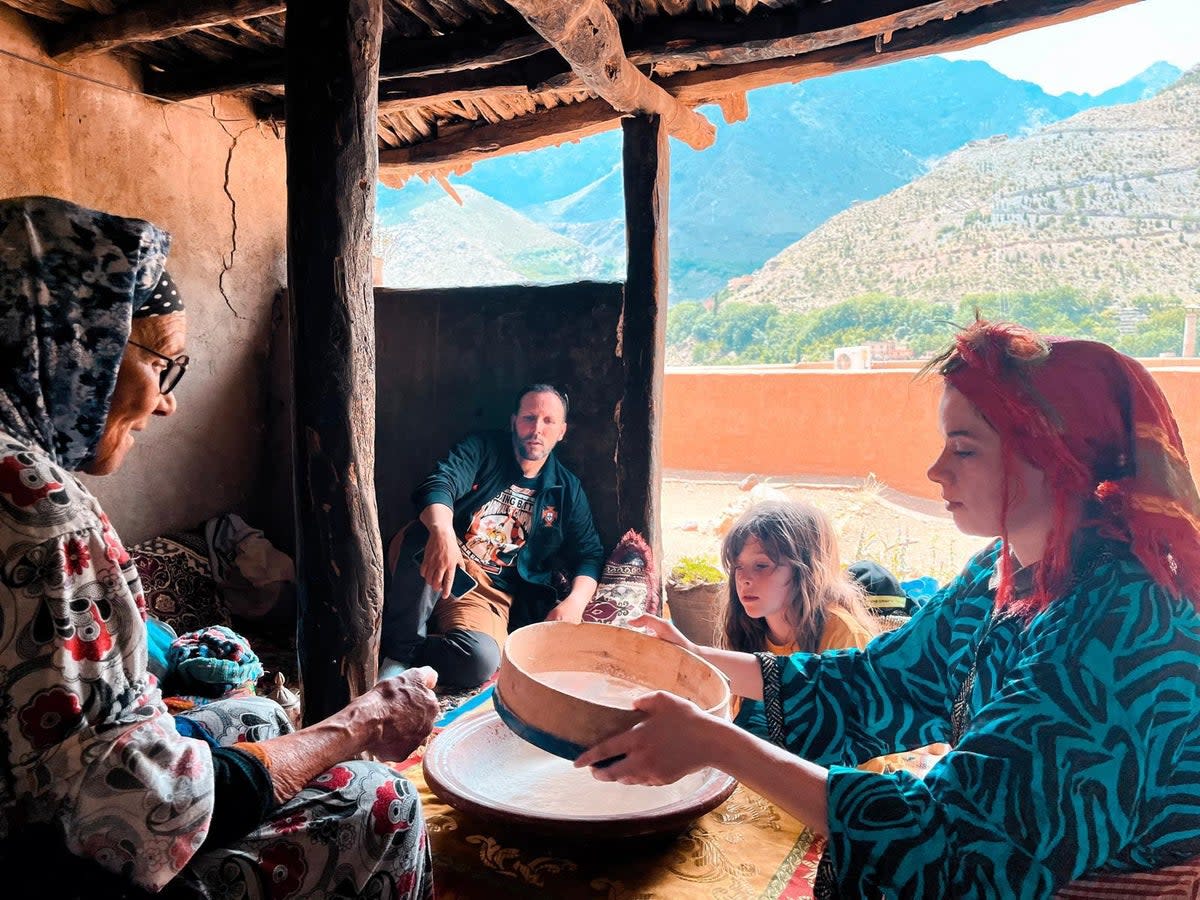
Ruby and her family learnt to make traditional bread in Morocco (Ruby Deevoy)
Read more: The family-friendly oasis that is just an hour’s flight away
We’re having experiences many people can only dream about, and learning in a way that’s just not possible at school, where my son was never a good fit as he struggled with ADHD and social anxiety. Travelling has dramatically increased his confidence and independence.
He has a hard time with some of the more standard subjects, like writing and maths. But he can have meaningful conversations with people from all walks of life, tell you everything there is to know about Greek mythology and is in the process of learning Japanese.
The practicalities
Many people wonder how a life like this can be possible. The truth is that we make sacrifices for it to happen. The time between trips can be tough, financially, as we prepare for the next one. We work constantly, scraping by every month, and rarely spend money on nights out, restaurants or even new clothes.
We take our son on trips around the UK too – most recently to Dorset to look for fossils on the Jurassic Coast.
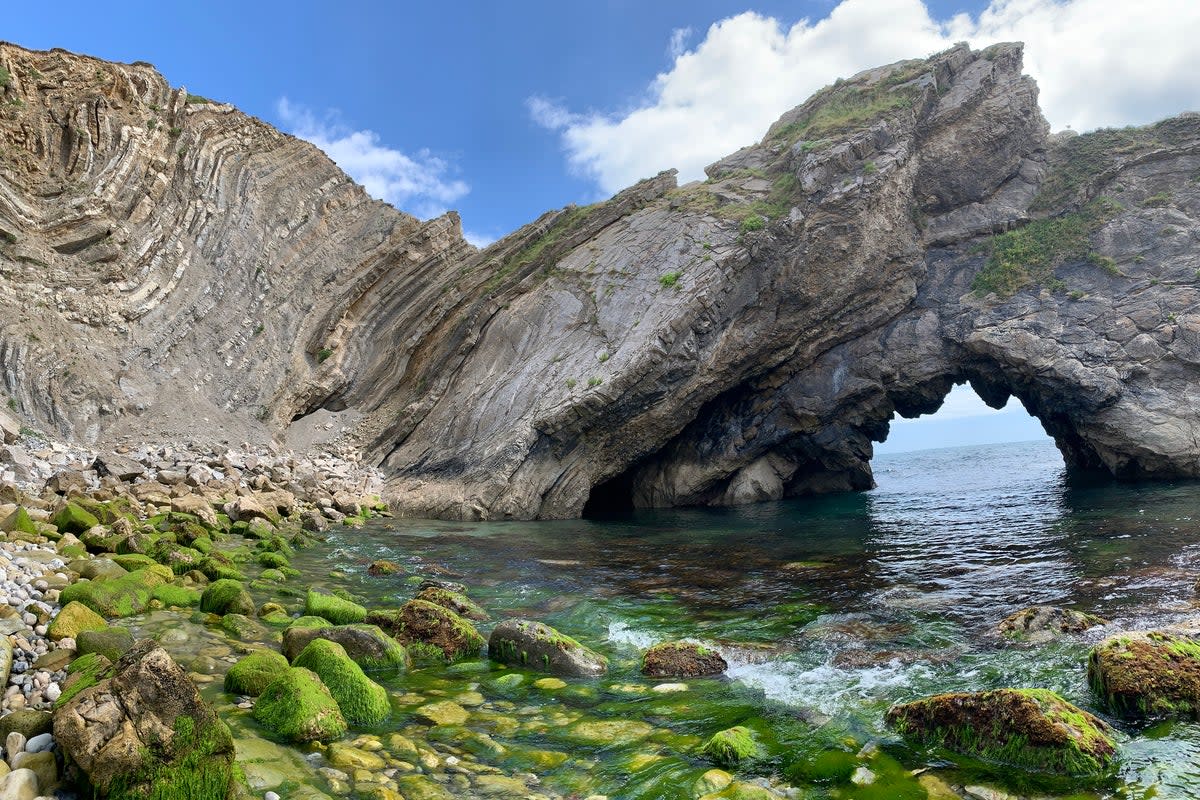
The Jurassic Coast is ideal for learning about the prehistoric era (Getty Images / iStockphoto)
Read more: How digging up the past on an archaeology holiday unearthed real calm
I’m always keen for our next adventure but my son misses home and his friends while we’re away. He often takes the announcement of a new trip in a measured way, rather than feeling really excited as most kids would. Activities such as an excursion to the Palace of Knossos or a journey through one of Europe’s last primeval forests can be met with complaints about it being too hot, too boring or too long of a walk.
I’m hopeful he will appreciate it when he’s older. Although there might be some whinging in the moment, I’m in awe at how being immersed in different cultures is shaping him. When we get home, he usually tells me how much he secretly loved it.
Learning through play
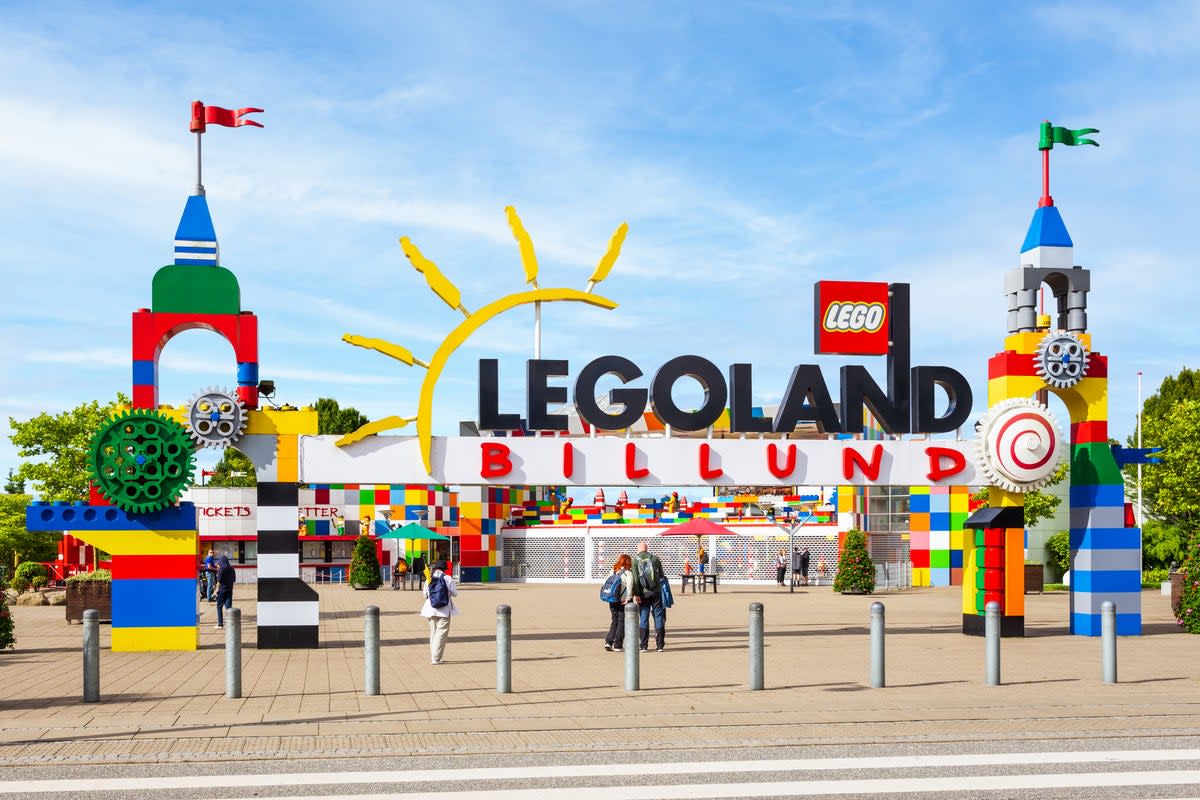
Earlier this year, I took him to Lego House in Billund, Denmark – the town where the bricks were invented. He tried out the “Masters Academy” workshops, which were a real hit. We spent two days learning how to build spheres, coming up with architectural ideas and discovering how Lego is made.
I’ve rarely seen him so focused. The whole trip was a perfect example of how great play-based learning can be and I enjoyed it almost as much as he did.
So far, my son’s favourite trips have been to Iceland, where we trekked across snow-fields, and to Japan, where we attended calligraphy lessons. It might have been the arcades that most grabbed his attention in Tokyo, but the educational experiences had a profound impact on him: putting him in good stead for standard schooling, but also fostering bravery, curiosity, critical thinking and ingenuity.
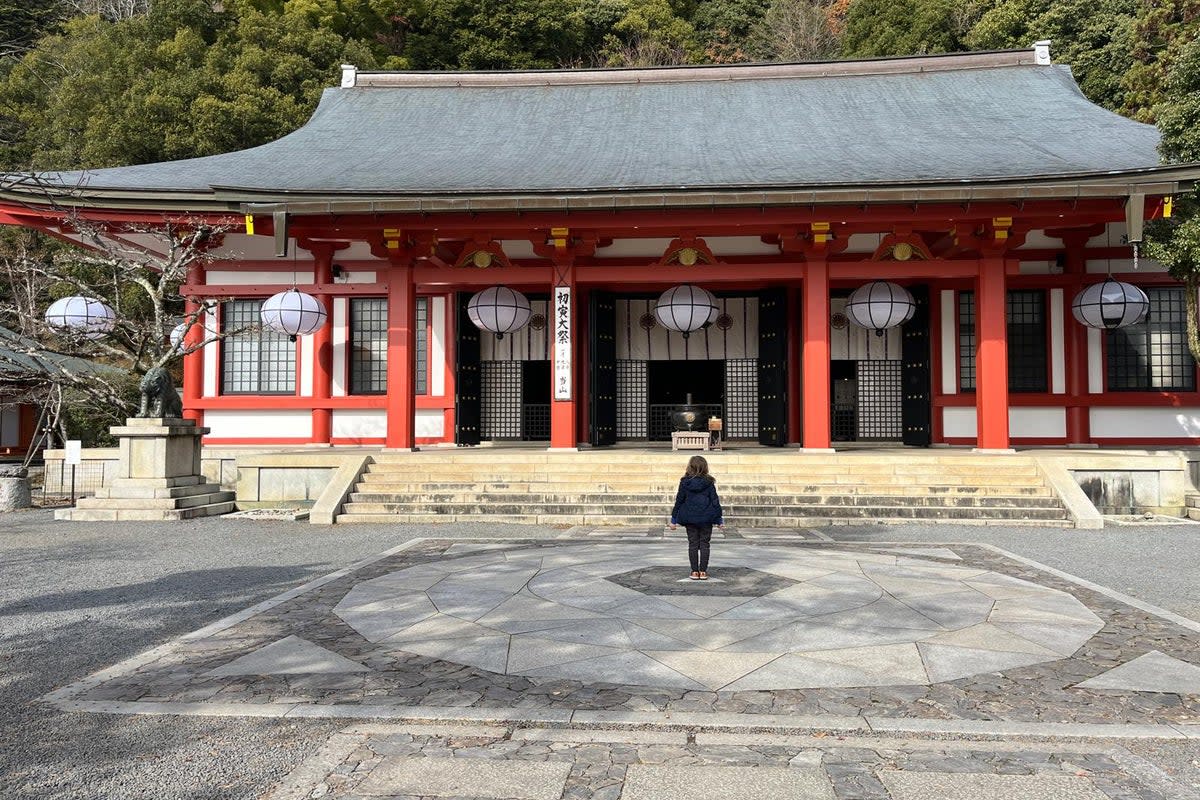
Japan was a hit with the family (Ruby Deevoy)
He says he wants to be an inventor when he’s older, and I have no doubt he’ll be able to achieve it, inspired by the time we have spent together exploring the world.
We’ve already got our next trip booked, to Rome. We’ll be staying at Hassler Roma, which has one of the best panoramic views of the Eternal City and is just a short walk away from the Colosseum, the Pantheon and Vatican City.
My son is very excited about this one. In preparation, we’ve been learning about ancient currencies, sculpting clay busts and cooking Roman-style banquets.
“Will I get stand in the arena and battle like a gladiator?” he keeps asking. And the answer is yes, he will – I’ve already booked an experience that takes visitors onto the Colosseum floor. That’s something that will stay with him for life, unlike most of the things I learnt in school. And that makes it all worthwhile.
Ruby’s son wants to be an inventor when he is older (Ruby Deevoy)
How to visit Ruby’s favourite worldschool destinationsMorocco
Easyjet has direct flights from across the country to Marrakech. Flight time is just under four hours. Prices start from £38.
We stayed at Kasbah Du Toubkel in the Atlas Mountains, known for its positive relationship to the local community. The Kasbah offers excursions to make bread in a traditional Berber village and a selection of trekking packages.
Prices from £175 per night.
Denmark
British Airways has direct flights from London Heathrow to Billund. Flight time is two hours; prices start from £86.
Hotel Legoland is extremely convenient (and extremely fun). We stayed in the “Treasure Room”, which showcased incredible Lego builds and had a separate bunkbed area for kids. Here, you’re easy walking distance from Legoland, Lego House and Scandinavia’s biggest water park, Lalandia.
Prices from £80 per night.
Lego was invented in Billund (where there are now plenty of brick-themed activities) (Getty/iStockphoto)
Montenegro
Ryanair has direct flights from London Stansted to Podgorica. Flight time is just under three hours; prices start at £40.
We booked memorable activities such as home-style cookery classes and visits to bee farms via tour operator Untravelled Paths.
The Heritage Grand Perast by Rixos is only a 10-minute drive (or half an hour by speed boat) from the Bay of Kotor. Prices from £200 per night.
Dorset
South Western and Cross Country run trains from various stations to Poole and Bournemouth. The Jurassic Coast is one of the best places in the world to find an abundance of fossils scattered on the shore.
Stay in one of the Penn Estate Clifftops apartments for contemporary decor, balcony BBQs and easy beach access (from £562 for 3 nights. Or for a taste of country village life, stay in one of the Burton Bradstock Cottages (from £160 per night).

Tokyo proved to be particularly popular (Getty Images / iStockphoto)
Japan
We flew with Air China, which offers flights (with a stopover) from London Heathrow to Tokyo, taking around 17 hours. Prices start at £548. Direct flights with British Airways, Japan Airlines and others are available.
We booked traditional experiences and classes via Wabunka. Activities include making lanterns, knife-making, tea ceremonies and more.
We rented a traditional Japanese apartment, and planned our itinerary, with The Japan Experience. Houses of various sizes and style are available across the country. From £39 per night.
AloJapan.com