
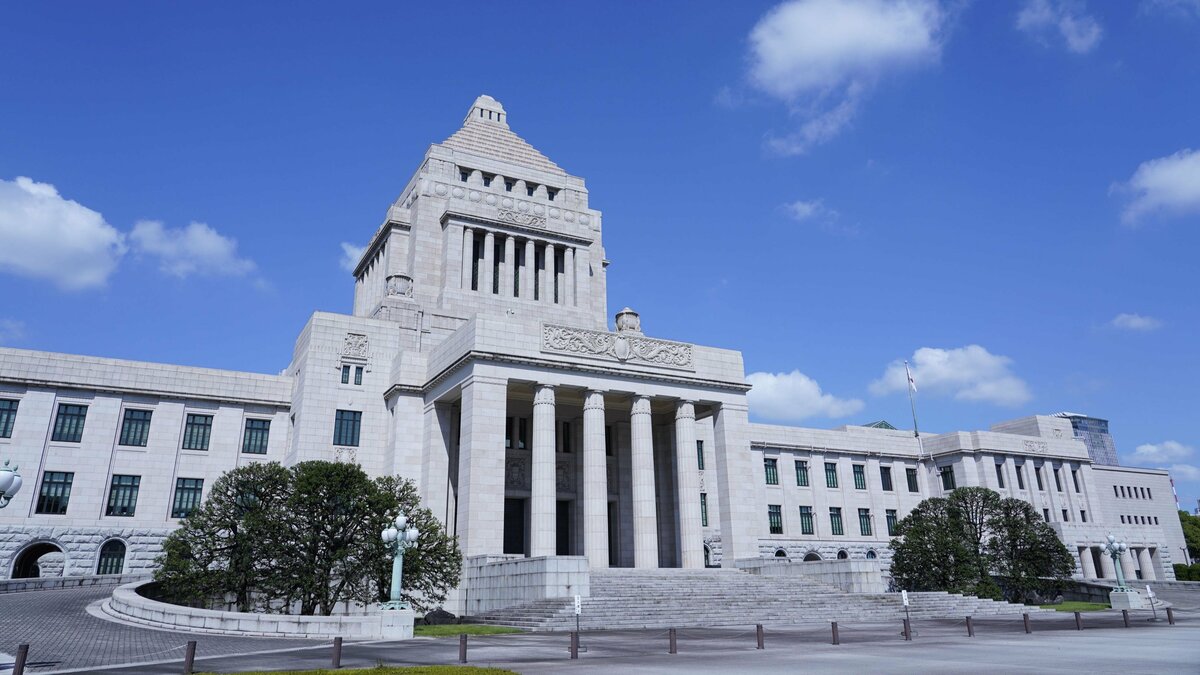
TOKYO – Japanese Prime Minister Sanae Takaichi plans to dissolve the House of Representatives for a snap election at the outset of the regular Diet session to be convened on Jan. 23, a source familiar with the matter said Tuesday.
The decision, which was conveyed to senior ruling Liberal Democratic Party members, comes as Takaichi’s nearly three-month-old Cabinet enjoys a high approval rating, raising hopes that an early poll could improve her fragile political standing, given that the ruling coalition holds only a razor-thin majority in the lower house.
The government on Tuesday notified ruling and opposition parties that the ordinary Diet session will be convened on Jan. 23 during a meeting of senior members of the steering committees of the lower house and the House of Councillors.
The LDP did not provide a proposed timetable for the prime minister’s policy speech, which is usually delivered at the beginning of the regular Diet session, apparently taking into consideration that an election could be called.
If the lower house is dissolved on Jan. 23, official campaigning for a general election may start on either Jan. 27 or Feb. 3, with voting possibly on Feb. 8 or Feb. 15, respectively.

Japanese Prime Minister Sanae Takaichi. (Kyodo)
Takaichi is expected to announce her decision soon, the source said. A flurry of diplomatic events is planned this week, starting with the visit of South Korean President Lee Jae Myung to Japan from Tuesday.
It would be the first general election held under Takaichi’s leadership. She took office in October as Japan’s first female prime minister, forming an alliance with the Japan Innovation Party after the Komeito party ended its 26-year coalition partnership with the LDP due to the latter’s handling of a fundraising scandal.
While more than two years remain before the four-year term of current lower house members expires, Takaichi has apparently decided to take a gamble to win a public mandate for her pledge to build a “robust” economy through expansionary spending as well as for her hawkish security policies.
It could also give Takaichi the backing to confront diplomatic challenges after her remark in parliament indicating Japan’s potential response to a Taiwan emergency led to an increasing souring of Japan-China relations.
But an early snap election would delay the start of Diet deliberations on the fiscal 2026 budget, making it difficult to pass it before the end of the current fiscal year in March at a time when households continue to struggle with the rising cost of living.
While some in the LDP have been hoping for an early election, opposition lawmakers have said calling one would contradict Takaichi’s claim she is putting top priority on measures to tackle rising prices.
Under Takaichi’s predecessor as prime minister and LDP head, Shigeru Ishiba, the LDP-Komeito coalition lost its majority in both chambers in the past two national elections — in the more powerful lower house in October 2024 and in the upper house in July 2025. The setbacks led to his resignation.
The LDP and JIP currently hold 233 seats in the lower house, meaning that losing even a single seat would drop them below a majority in the 465-member chamber.
The ruling coalition remains a minority in the upper house and needs to work with opposition parties to pass bills.
AloJapan.com