
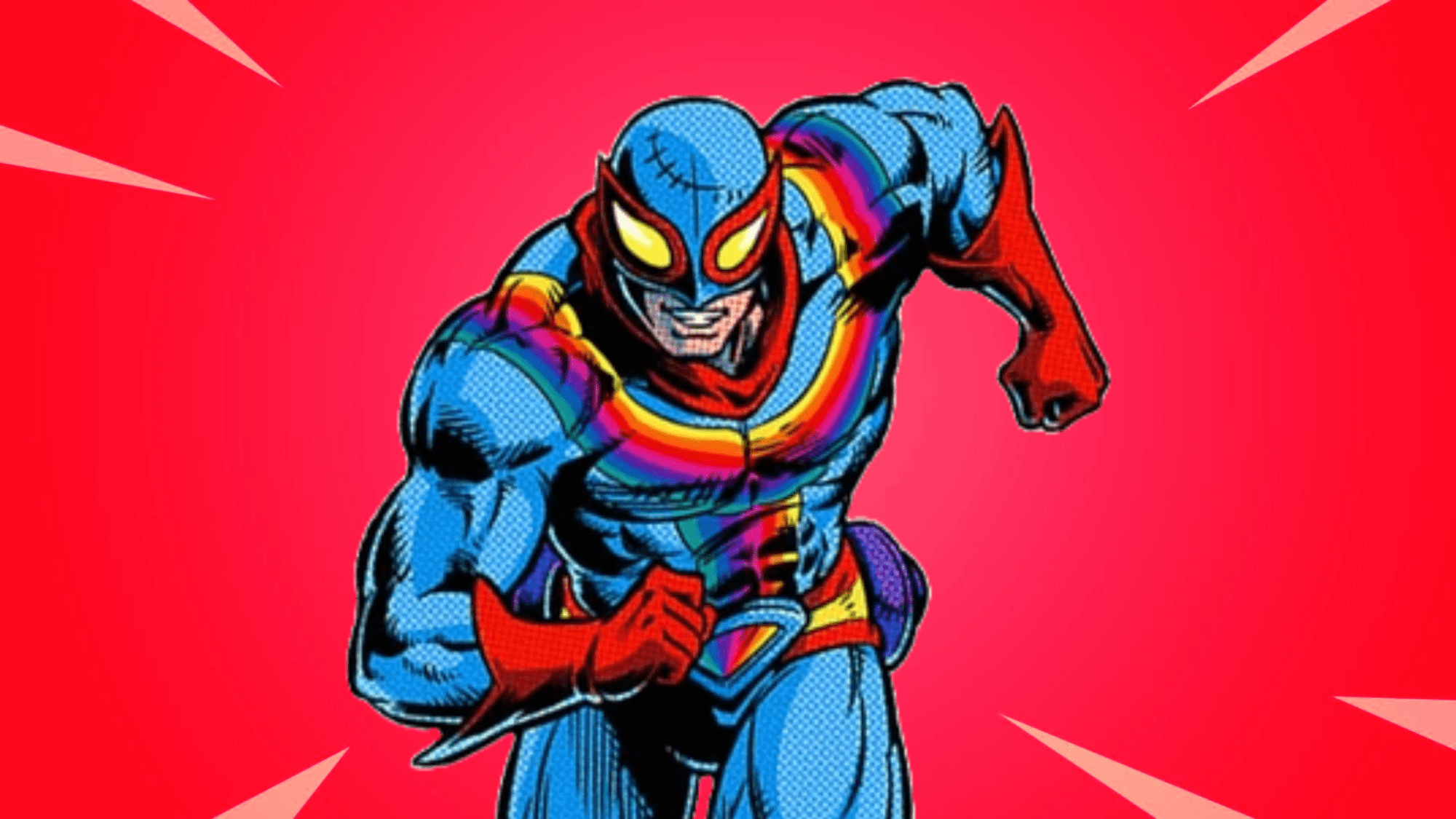
Nintendo has long been one of the most innovative developers, and it is no stranger to experimentation. No one could have seen Splatoon coming, but somehow Nintendo made an ink-based shooter work. Yet this is just one example of the bizarre concepts that Nintendo brings to life. Some are successful, but others are so odd and unconventional and don’t land right. This is the case for a Japan-only Wii game that blends surreal humor, deep cut references, and tonal risks.
Because of these elements, Nintendo never approved Captain Rainbow for global release. This game was deemed inappropriate and too niche for Western audiences, and so Nintendo never released the game outside of Japan. And even there, the game was financially disappointing. Which is surprising considering Captain Rainbow received good reviews and impressed critics with its unique gameplay and tone. I can’t help but wonder what could have been different if Nintendo had given it a chance overseas.
Captain Rainbow Is Bizarre But Great
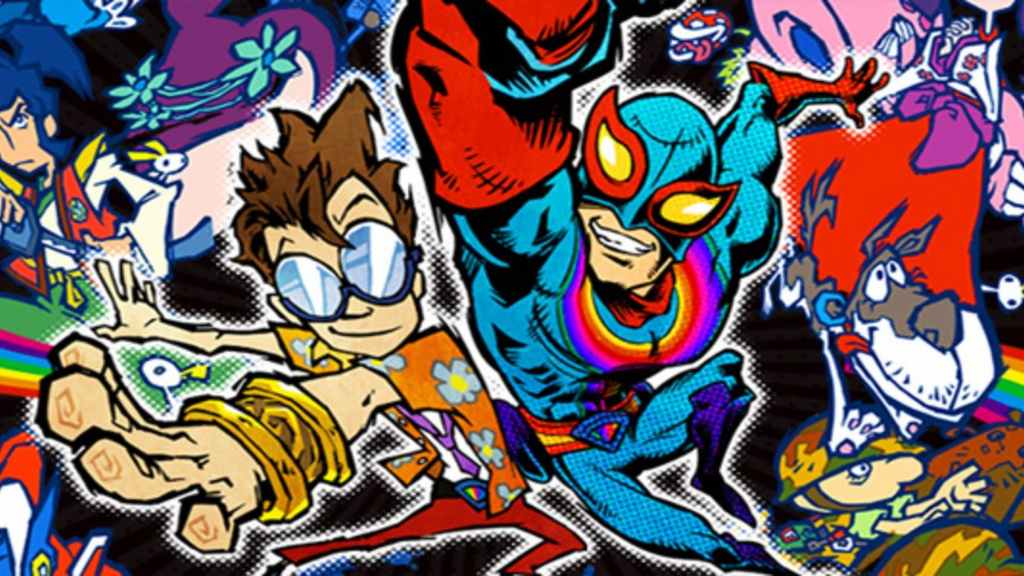 image courtesy of nintendo
Released exclusively in Japan for the Wii, Captain Rainbow is unlike almost anything else Nintendo has ever published. On the surface, it looks like a simple adventure game starring a washed-up superhero trying to reclaim his former glory. In practice, it is a surreal celebration of Nintendo history wrapped in absurd humor and surprisingly heartfelt storytelling. It feels like the little brother of Super Smash Bros. that is misunderstood.
The game takes place on Mimin Island, a strange hub world populated by forgotten or obscure Nintendo characters. These are not the polished mascots players know, but exaggerated and often melancholic versions of them. You encounter figures inspired by Punch Out!!, Ice Climber and Balloon Fight, each dealing with personal problems that are both ridiculous and oddly relatable.
Gameplay revolves around exploration, puzzle solving, and helping these characters resolve their issues. Progress often requires creative thinking rather than strict logic. The tone constantly shifts between slapstick comedy and sincere moments of self-reflection. That balance is what makes Captain Rainbow work. It understands when to be absurd and when to slow down.
What surprised me most when playing it was how confident the writing felt. The game is self-aware without being cynical. It pokes fun at Nintendo’s own legacy while treating it with genuine affection. But the most appealing part is how it gives characters players wouldn’t give a second thought about a chance to shine and does so through genuinely fun mini-games.
Western Players Never Got This Weird Wii Adventure
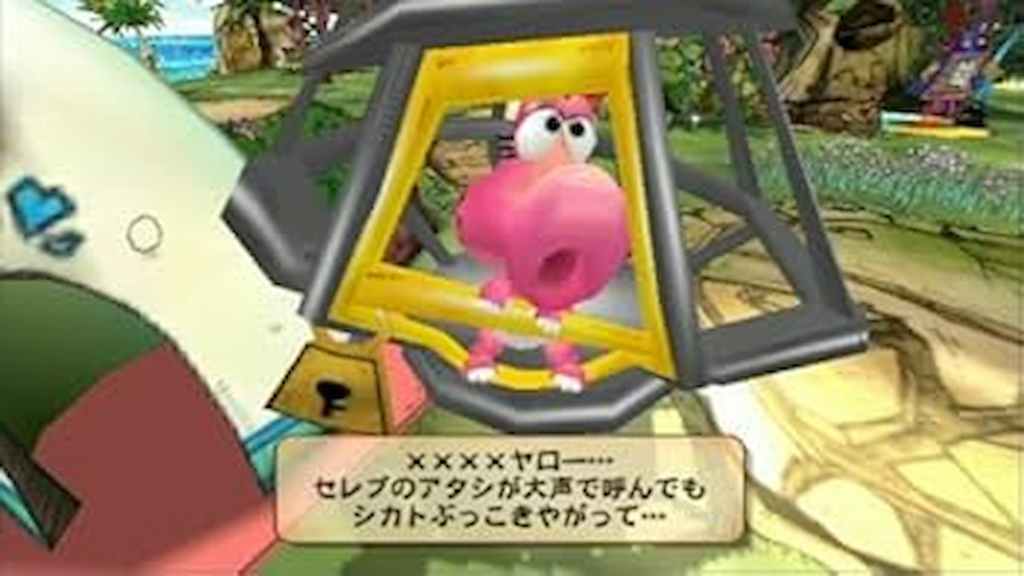 image courtesy of nintendo
Despite scoring well in Japan and earning praise for its originality, Captain Rainbow never received a Western release. The reasons are understandable, even if they are frustrating. Much of the game’s humor relies on Japanese cultural context and obscure Nintendo history that might not resonate overseas. Even in Japan, the game didn’t perform well, and this was the targeted audience.
There were also content concerns, especially with how vulgar the game could be. One of the game’s most infamous moments involves Birdo and an adult novelty item, played for humor but clearly outside Nintendo’s Western comfort zone. Other scenes touch on themes and jokes that would likely require heavy censorship or reworking for a global audience. But by reworking these or censoring them, it would take away from the heart of Captain Rainbow.
Localization would not have been simple. Translating the dialogue alone would require careful adaptation rather than direct translation. References would need context, and some jokes might lose their impact entirely. From a business perspective, Nintendo likely saw too much risk for too little reward. Still, the sad truth is that Western players missed out on a genuinely unique Nintendo experience. It feels like the exact problem that plagues the Mother series, and shows that Nintendo doesn’t trust Western audiences to get these games.
Should Nintendo Give It A Second Chance Today?
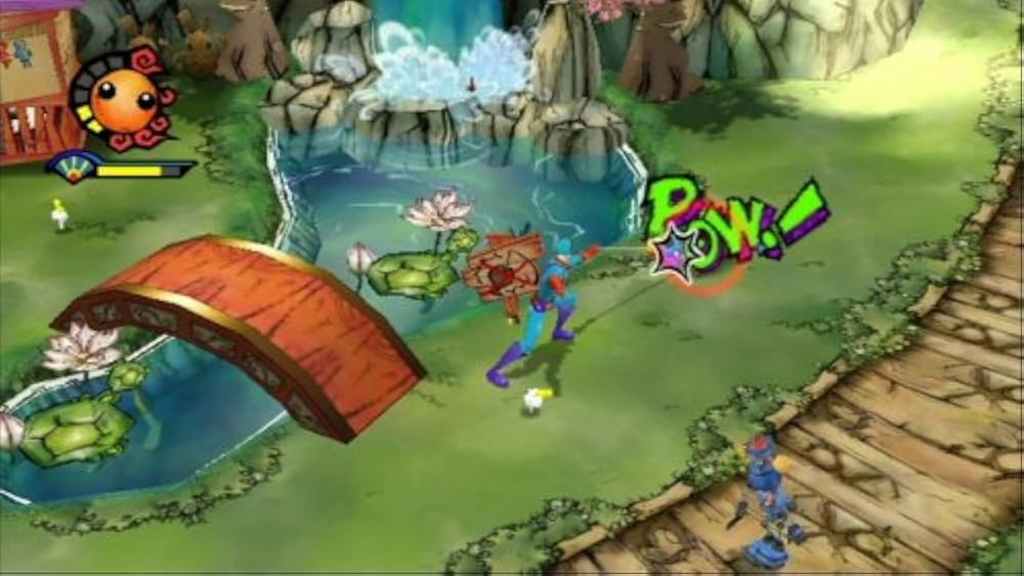 Image courtesy of nintendo
In today’s gaming industry, Captain Rainbow could have a place. Digital storefronts, niche audiences, and a growing appetite for oddball experiences have changed what is viable. Games no longer need mass appeal to succeed. A single moment could be the difference maker, and Captain Rainbow feels like a game that would benefit from streamers and reactions.
A modern re-release or remake could find an appreciative audience, especially among longtime Nintendo fans eager to explore the company’s deeper history. I often think about how different the reception would be today. Players are more open to experimental narratives and unconventional humor. Indie games have proven that weirdness can be a selling point rather than a liability.
Captain Rainbow is not perfect, but it is sincere, imaginative, and unapologetically strange. It represents a side of Nintendo that rarely surfaces outside Japan. Giving it a second chance would revive a forgotten game and share more of Nintendo’s history. Waluigi proves that fans love oddball characters, and this same love could be shared with Captain Rainbow’s eclectic cast.
What do you think? Leave a comment below and join the conversation now in the ComicBook Forum!
AloJapan.com