
Japan’s Forbidden Time Capsule #kyototourism #kyoto
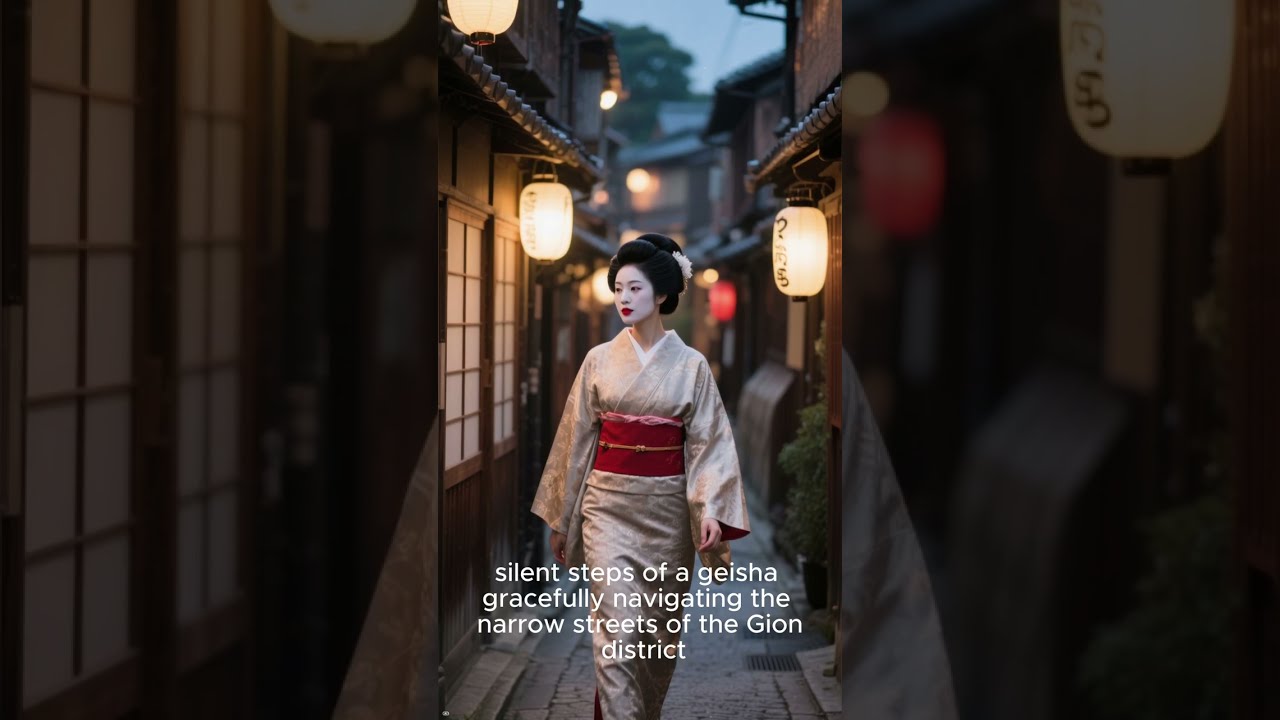
Before Tokyo, before the age of samurai, even before the art of sushi was perfected, there was a place nestled in a basin of misty mountains. A place of ancient scrolls and falling cherry blossoms. A place called Kyoto. The story of Kyoto doesn’t begin with emperors and grand temples, but with a group of pioneers. In the sixth century, the Hada clan, immigrants from the Korean Peninsula, saw promise in the fertile lands between the Kamo and Katsura rivers. They settled this basin, bringing with them revolutionary skills, advanced farming techniques that made the land flourish, and the intricate art of silkweaving, which would become a hallmark of Japanese culture. They didn’t just build homes. They laid the very foundation, planting the seeds of a city that would one day shape the destiny of an entire nation. For two centuries, this settlement grew, nurtured by the rivers and the diligent work of its people. But its true destiny was yet to be realized. In the year 794, a momentous decision was made. Emperor Kanmu, seeking a new center for his empire, chose this very basin for his capital. He named it Han Kio, the capital of peace and tranquility. It was a city built with intention, modeled after the great Chinese Tang Dynasty capital with a grid-like layout that symbolized order and harmony. For over a thousand years, from this very spot, emperors reigned. Poets composed their most famous works, and new forms of art and philosophy bloomed. Kyoto wasn’t just the political center. It was the beating heart of Japan’s culture, religion, and power. The imperial court here was a world of exquisite refinement, where kimonos were works of art, and every gesture was steeped in tradition. Today, walking through Kyoto is like stepping into a living museum. It’s a city that proudly holds 17 UNESCO World Heritage sites, over 1,600 Buddhist temples, and hundreds of Shinto shrines. Every corner, every stone path holds a story. You can feel it in the golden glow of King Kakuji, the golden pavilion, perfectly reflected in its tranquil pond. You can sense it as you walk through the seemingly endless tunnel of vibrant red Tory gates at Fushimi Inari Shrine. each one a prayer or a wish. And you might even catch a glimpse of it in the elegant silent steps of a geisha, gracefully navigating the narrow streets of the Gian district. Here, time doesn’t just pass. It collects layer upon layer in the quiet courtyards and ancient wooden halls. But don’t mistake this reverence for the past as a sign that Kyoto is frozen in time. It is a city of fascinating contrasts. Bullet trains, symbols of Japan’s technological prowess, rush past serene, whispering bamboo groves. Ancient tea houses, where a ceremony has been performed the same way for centuries, now sit beside innovative tech startups. You’ll find students with laptops sitting on traditional tatami mats, sipping matcha lattes. Kyoto isn’t stuck in the past. It uniquely and masterfully carries its history forward, weaving it into the fabric of modern life. Kyoto isn’t just a place you visit. It’s a rhythm you feel, a ritual you partake in, and a profound reminder that the past and present can coexist in beautiful harmony. It’s a city where history breathes with every new day. If you enjoyed this journey through time, please like, subscribe, and follow for more stories from the most fascinating corners of our world. Thank you for watching.
Kyoto defied time itself. For over a thousand years, its temples and traditions stood unbroken, even as empires rose and fell. This cinematic drone Short blends history and resilience, showing how Kyoto continues to inspire today.
Subscribe for more cities that refused to fall — and comment your most unforgettable travel destination!
#Kyoto #DroneCinematic #ResilientCities #TravelShorts #CinematicDrone #JapanTravel #EpicSky #DroneVideography #AltitudeEcho #DimensionDrone
AloJapan.com