
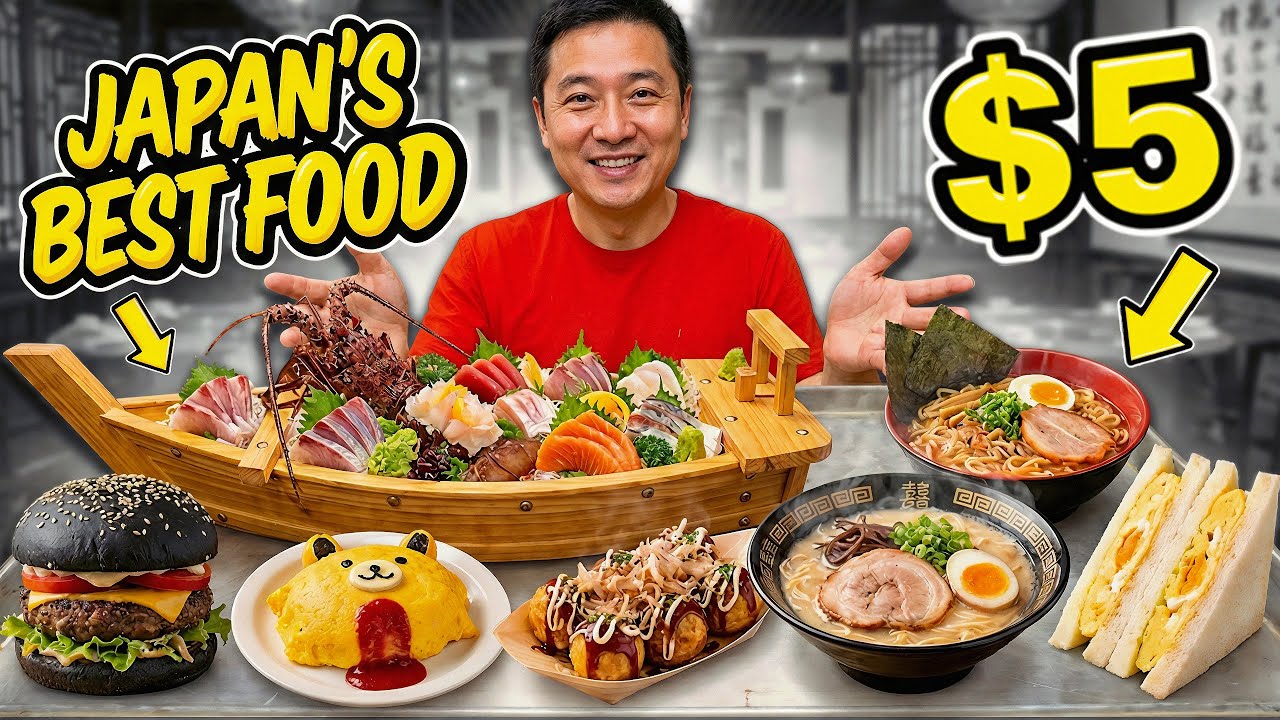
ULTIMATE JAPAN FOOD TOUR! Tokyo Ramen, Oden & Local Eats
[music] [bell] [music] What if I told you that Japan isn’t just a country, it’s an experience you can taste? From sizzling street food in Osaka to Michelin worthy ramen in Tokyo, from bizarre fast food inventions to gourmet meals under $5. This is where tradition meets imagination on every plate. In this video, we’re eating our way through Japan, one bite at a time. So, make sure to hit that like button, subscribe, and turn on notifications because you won’t want to miss what’s waiting at the end. A dish that defines everything Japan stands for. Welcome to the vibrant streets of Osaka, Japan’s culinary capital. Did you know that Osaka is often called the kitchen of Japan? With over 100,000 street food vendors. With so many delicious options, it can be overwhelming to decide what to try. In this video, we’ll count down the top 20 must try street foods in Osaka that will tantalize your taste buds and leave you craving more. Number 20, yaki emo. Kicking off our list at number 20 is yaki emo or roasted sweet potatoes. These are a simple yet delightful treat, especially during the colder months. Vendors sell them from trucks and the sweet aroma fills the air. Try them at Teninoji Park where you can enjoy a warm yaki [music] emo while strolling through the beautiful gardens. Number 19, Bhutaman. At number 19, we have Bhutaman, [music] Osaka’s version of steamed pork buns. These fluffy buns are filled with juicy [music] pork and are perfect for a quick snack. Head to 551 Horai, a famous chain known for its delicious putan located throughout Osaka, including at Namba Station. The combination of the soft dough and savory filling makes it a satisfying bite. Number 18, Niku Man. [music] Coming in at number 18 is niku man. Another type of steamed bun, but this one is filled with seasoned ground meat, often pork or chicken. These buns are popular during the winter months and can be found at various convenience [music] stores and street stalls. For a great experience, try them at Dotan Buri, where you can enjoy them while taking in the lively atmosphere. Number 17, [music] Tayyaki. At number 17, we have tayyaki. A fish shaped cake filled with sweet red bean paste, custard or chocolate. This delightful dessert is crispy on the outside and soft on the inside. For the best tayyaki, visit Nishiki Market, where you can choose your favorite filling and enjoy it fresh. The fun shape and delicious flavors make it a favorite among both locals and [music] tourists. Number 16, Yakaniku. At number 16, we have Yakaniku or grilled meat. While Yakaniku is popular across Japan, Osaka offers a unique street style experience. Visit Tenjinbashi Suji Shopping Street, where vendors serve up tender, flavorful cuts of meat right off the grill, allowing you to savor the smoky aroma. Pair it with a cold drink for the perfect street food experience. Number 15, ikayyaki. Number 15 is ikayyaki. Grilled whole squid brushed with soy sauce. This dish is a must try at the Osaka Street Food Festival, where you can enjoy it fresh off the grill. [music] The squid is tender and flavorful, making it a popular choice for seafood lovers. Watching the vendor skillfully prepare ikayyaki is an experience itself. Number 14, ko. At number 14, we have korok. Japanese croquettes made from mashed potatoes or ground meat breaded and deep fried to perfection. You can find delicious ko at Kuroman Ichiba Market, a bustling spot for sampling various street foods. The crispy exterior and soft interior make it a comforting snack perfect for enjoying while exploring [music] the market. Number 13, Horman. Coming in at number 13 is Horaman. grilled awful that’s both flavorful and tender. For the best experience, visit Huraman Katsu and Namba where they serve it with a variety of dipping sauces. This dish is a favorite among locals and offers a unique taste of Osaka’s culinary diversity. [music] If you’re feeling adventurous, this is definitely a must try. Number 12, Banana Katsu. At number 12, we have Banana Katsu. A unique dessert featuring bananas coated in a crispy batter and deep fried. You can find this sweet treat at Doton Buri where vendors serve it hot and fresh. [music] The combination of the warm banana and crispy coating is simply irresistible making it a fun and tasty snack. Number 11, takoyaki. Taking the 11th spot is takoyaki, Osaka’s iconic street food. These delicious octopus balls are made from a savory batter and filled with diced octopus, green onions, and pickled ginger. You can find the best takoyaki at Toon Buri, where the streets are lined with stalls, offering this beloved snack. Watch as the vendors skillfully flip the balls in their special pans, creating a delicious treat right before your eyes. Number 10, Okono Miyaki. At number 10, we have Okon Miyaki. A savory pancake packed with ingredients like cabbage, meat, and seafood topped with a special sauce and mayonnaise. Head over to Chibon Doon Pori, a popular okonomiyaki restaurant where you can watch the chefs prepare this dish right in front of you. The combination of flavors and textures makes it a must try and you can customize it to your liking. Number nine, Kushi Katsu. Halfway through our list at number nine is Kushi Katsuo. Deep fried skewers filled with anything from meat to vegetables. For an authentic experience, visit Matsua Soonten on the Shin Omea Isoku Dogai Restaurant Street where you can enjoy the crispy delight alongside locals. Remember the golden rule, no double dipping in the sauce. The crunchy exterior and juicy fillings make Kushi Katsu a favorite among locals. Number eight, ramen. At number eight, we have ramen. A beloved dish throughout Japan, Osaka offers unique local flavors that are a must try. Visit Ichiran Ramen in Shinsaiibbashi for a personalized ramen experience. The rich broth, tender noodles, and flavorful toppings make it a comforting meal that you won’t forget. Number seven, Odin. Taking the seventh spot is Odin. A comforting dish perfect for colder days. It consists [music] of various ingredients like boiled eggs, daicon radish, and fishcake simmered in a light soy flavored broth. You can find delicious Odin at Lawson, a popular convenience store chain or at local food stalls in Omea. This hearty dish is perfect for warming up on a chilly day. Number six, [music] Yakuri. At number six, we have Yakuri, skewered and grilled chicken pieces seasoned with salt or tare sauce. For the best yaktori, visit Tori Kazoku, a popular chain with locations throughout Osaka, including In Namba. The smoky flavor and tender meat make it a favorite among locals and tourists alike. Enjoy it with a side of beer for the ultimate experience. Number five, Negiyaki. Coming in at number five is Negiyaki. A variation of okonomiyaki that features green onions as the main ingredient. This savory pancake is lighter than its counterpart and is often filled with a variety of ingredients. For a great [music] negiyaki experience, visit Neiyaki Yamamoto, a local favorite in Dontobururi. The fresh flavor of green onions combined with [music] the savory batter is a delightful experience. Number four, matcha desserts. At number four, we have matcha desserts. Osaka offers a variety of matcha flavored treats from ice creams to cakes. For a truly indulgent experience, visit Gillan Sojiri in Shinsashi, where you can enjoy a range of matcha desserts that highlight the rich, earthy flavor of this beloved green tea. The vibrant color and unique taste make these desserts a must try for any sweet lover. Number three, sushi. Taking the third spot is sushi. While sushi is enjoyed all over Japan, Osaka has its own unique style known as oshi sushi or pressed sushi. Visit Sushiro, a popular chain with locations throughout the city to enjoy this delicious dish. The combination of fresh fish and vinegared rice makes for a delightful culinary experience that you won’t want to miss. Number two, Mitarashi Dango. At number two, we have Mitarashi Dango. Skewered rice dumplings glazed [music] with a sweet soy sauce. This traditional Japanese sweet is a favorite among locals and can be found at Kiyasu Sohono, a charming sweet shop in Yodogawa ward. The combination of the chewy texture and sweet glaze makes it a delightful treat. Number one, Taco Tamago. Finally, at number one, we have Taco Tamago. A unique snack featuring a quail egg stuffed inside a baby octopus glazed with a sweet soy sauce. You can find this intriguing dish at Kurmanan Ichiba Market where it’s a favorite among locals. The combination of flavors and textures makes it a must try for any adventurous eater. And there you have it. Those are the top 20 must try street foods in Osaka. Each dish tells a story and reflects the rich culinary culture of the city. Whether you’re a fan of savory or sweet, Osaka’s street food scene has something for everyone. Did you know that Tokyo has over 160,000 restaurants? With so many choices, it’s easy to get lost in tourist traps. But we are counting down 20 must try local eats that Tokyoites love. Starting with popular dishes and ending with hidden local treasures. Stick around to discover the spots where Tokyo locals really dine. Number 20, Standing Sushi Bar. Yuashi Nihon IIchi. We are starting with a unique Tokyo experience, standing sushi. At Yuashi Nihon Iichi, you get to enjoy top quality sushi without the fancy seating. Perfect [music] for a quick, delicious meal, their sushi is fresh, affordable, and highly rated by locals. Try their tuna or seasonal fish for a true taste of Tokyo’s seafood scene. Locations can be found in Shibuya and Shinjuku. Yogashi Nihanichi is celebrated for its fresh offerings and quick service, making it a favorite among busy locals. Number 19, ramen at Nikkiu. Known for its Michelin starred ramen, Nikiru’s Tentanmen is a must try. It’s a [music] rich sesame based soup with a hint of spice, giving you that warming, bold flavor Tokyo whites love. The noodles are thin and cooked perfectly. Despite its Michelin fame, it’s still affordable and loved by ramen enthusiasts. Located in Otsuka, it’s a bit off the beaten path, but the intense flavors and silky broth make it worth the journey. Be prepared for potential cues during peak hours. Number 18, Tempura at Tenmatsu. For crispy, light tempura, locals [music] head to Tenmatsu in Nihonbashi. They serve perfectly battered seafood and vegetables with a dipping sauce that compliments every bite. This place has a traditional atmosphere, making it a favorite among locals who crave quality tempura. The quiet authentic atmosphere makes it a favorite among Tokyo locals seeking highquality tempura without the tourist crowd. Number 17, Yakitori at Toritaki. For an authentic yakitori experience, Toritaki in Shibuya serves up grilled chicken skewers [music] that capture the smokiness and tenderness of traditional yakitori. From crispy skin to tender thigh, each skewer is seasoned perfectly. The lively izakaya atmosphere [music] adds to the experience, making it a spot where locals come after work to relax and enjoy. It’s popular for its affordable prices and authentic flavors. [music] Number 16, Tonatu at Narikura. Tonkatsu or deep fried pork cutlet is done to perfection at Narikura. This local favorite serves thick, juicy cuts of pork with a crispy exterior. The key is the low temperature frying which keeps the pork tender. Locals flock here for the unbeatable texture and flavor, often pairing it with a bowl of cabbage and miso soup. A must for anyone craving a hearty Japanese meal. Number 15, Udon at Shin Udon. Shin Udon, a cozy gem in Shinjuku, is loved for its chewy, handmade udon noodles served in broths ranging [music] from light soy to rich curry. The standout dish is the tempura udon. Featuring thick noodles topped with crispy tempura shrimp that adds a perfect crunch. This tucked away spot draws in noodle enthusiasts eager for an authentic handcrafted udon experience, [music] making it a must visit for anyone looking to enjoy Tokyo’s finest. Number 14, Guyoza at Harajuku Gyozaro. For Tokyo style guoza, Harajuku Guazaro is a beloved spot for locals and guoza fans alike. Known for its perfectly pan fried dumplings, each guoza is crispy outside and juicy inside paired with a tangy dipping sauce that enhances the flavors. [music] This affordable, bustling spot is especially popular in the evenings, offering a casual, no frrills setting [music] perfect for a quick and satisfying meal. A true gem in Harajuku, it’s ideal for enjoying delicious kyoza without breaking the bank. Number 13, Soba at Kanda Matsuya. Kand Matsuya, a historic soba restaurant established in 1884, is famed for its handmade noodles and traditional approach. This beloved spot serves both hot and cold soba in a light, flavorful broth, with the tempura soba topped with crispy shrimp tempura being especially popular. The rustic wooden interior and time-honored soba making techniques give it an authentic old [music] school charm, making it a must visit for a taste of classic Tokyo. Number 12, Curry at Bondi. Bondi, a hidden gem in Tokyo’s Jimo district, is [music] famed for its rich, velvety Japanese curry. Slowcooked with a secret blend of spices, the curry boasts deep, complex flavors that regulars love to enjoy with cheese topped rice for an additional layer of creaminess. This cozy, inviting spot is a favorite among Tokyoites seeking comforting, satisfying meals, making Bondi a must visit for those looking to savor Japan’s unique take on [music] comfort food. Number 11, Okono Miyaki at Asakusa Okonomyaki Somataro. For an authentic Okonomiyaki experience, Somotaro in Asakusa is a beloved local choice. This savory pancake is cooked at your table on a hot griddle filled with cabbage, pork, [music] and a variety of other ingredients. The friendly staff will even help you cook it if you’re new to Okono Miyaki. It’s a hands-on dining experience with a homestyle feel. The interactive dining [music] and cozy vibe make it a favorite among locals. Number 10, Mjayyaki at Suk Kushima. Mayyaki, a Tokyo specialty similar to okonomiyaki, but with a runnier batter, is cooked directly on the grill and enjoyed for its gooey, savory texture. Sukushima Mja Street [music] hosts numerous spots specializing in this unique dish where locals gather to enjoy Mjayyaki topped with a variety of ingredients like seafood, cheese, and vegetables. The interactive cooking experience combined with the lively, bustling atmosphere makes it a popular destination for those craving an authentic Tokyo treat. Number nine, [music] sashimi donbururi at Nikaya Sukiji. Nikaya insukiji is celebrated for its sashimi donbururi, a rice bowl topped with fresh, expertly sliced sashimi. Locals and visitors flock here for the quality and variety with options like rich salmon, tuna, and creamy sea urchin. Each bowl showcases the natural flavors of the seafood, making it a perfect meal for seafood lovers seeking an authentic taste of Tokyo in a cozy traditional setting. Number eight, tamago sando at 7-Eleven. Believe it or not, convenience store egg sandwiches or tamago sando are a favorite in Japan. Found at every 7-Eleven, these soft, fluffy sandwiches are filled with creamy, savory egg salad and are both affordable and satisfying. Popular as a quick snack or a light breakfast, Tammago Sandos have even gained international fame for their surprisingly high quality and delicious simplicity. Number seven, ramen at Menya Mousashi. Mena Mousashi, located in bustling Shinjjuku, is famous for its bold, rich ramen with a thick, [music] flavorful broth and hearty noodles. Known especially for its signature zucan or dipping noodles, each bowl is packed with intense flavors and unique toppings [music] like tender chassu pork and softboiled eggs. A must visit for serious ramen lovers. This spot [music] delivers a satisfying authentic Tokyo meal that keeps locals coming back for more. Number six, Izzakaya Eats at Yuoshin Noazaka. For a true izakaya experience, Yuoshin Noazaka offers a variety of Japanese tapas style dishes. From fresh sashimi to seasonal vegetables and grilled fish, this bustling izakaya is a favorite for Tokyo locals winding down after work. It’s casual, lively, and filled with small plates that showcase Japanese flavors from savory to yumami rich. All best enjoyed with a glass of saki. [music] Try their seasonal fish dishes and pair them with a drink for an izakaya experience. Number five, tayyaki at Naniwea. Tayyaki is a popular fish-shaped pastry filled with [music] sweet red bean paste, and it’s perfected at Naniwea Soanten, one of Tokyo’s oldest tayyaki shops. Opened since 1909, each [music] tayyaki has a crispy outer layer and a warm, smooth filling that’s lightly sweet and comforting. Loved by locals for over a century, this shop is a great place to enjoy this traditional treat in a historic setting. Number four, Eel at Naiwa. For unagi [music] or grilled eel, Niawa in Azabu Jaban is a hidden gem. This family-owned restaurant serves high quality eel. Grilled and coated [music] with a rich sweet soy glaze. The eel is tender and flavorful with a smoky aroma that highlights the traditional Japanese preparation. Naiwa is renowned for its highquality eel dishes prepared using traditional methods. [music] The restaurant’s rich history and dedication to quality have earned it a Michelin star. Number three, Horammon at Horammanyaki N. Horammon or grilled is a popular delicacy in Japan and Horummanyaki N in Ibisu serves some of the best. Known for its carefully seasoned and perfectly grilled cuts of beef and pork [music] ael, this spot offers a smoky savory experience for adventurous eaters. Paired with a [music] cold beer, the warm and welcoming atmosphere makes it a local favorite. Perfect for anyone looking to explore a unique [music] side of Japanese cuisine in a casual friendly setting. Number two, Gingisukan at Hitsuino Yoko. Hitsuino Yoko in Nakano offers a rare treat in Tokyo with a Hokkaido specialty of Gingisukan, a lamb barbecue dish traditionally grilled with onions and fresh vegetables. Known for its tender, savory lamb and smoky flavors, this dish is a favorite among locals who enjoy it in the relaxed communal atmosphere of Hitsuino Yoko. This spot has gained popularity for its authenticity, making it a must visit for meat lovers seeking a unique and flavorful dining experience [music] that brings the taste of Hokkaido right into Tokyo’s vibrant food scene. Number one, Ochuk at [music] Asakusa Oenomizu. At the top of our list is Ozuk, a comforting dish of rice topped with various ingredients and then soaked in green tea or dashi broth. Asakusa oano mizu serves an authentic selection of ochuk, including toppings like salmon, [music] pickled plum, and seaweed. This dish, simple yet full of umami, is beloved by locals for its homestyle feel and soothing flavors. [music] It’s a warm, satisfying way to end a day of exploring Tokyo’s culinary scene. Tokyo’s food scene is a treasure trove of unique flavors and local favorites, each offering a taste of the city’s rich culture. From classic dishes to hidden gems, there’s always something new to discover. Which dish are you most excited to try? Let us know in the comments. And don’t forget to like, share, and subscribe for more delicious insights into Tokyo’s food culture. Did you know that Japan has over 30,000 ramen shops across the country? But it’s not just about noodles and broth. There are so many unique types, each with its own distinct flavor. From creamy, rich broths to light, clear soups. Stick around to learn about 15 ramen styles you absolutely have to try in Japan, plus where to find them. Number 15, Showy Ramen. Showy ramen, one of Japan’s most classic styles, features a broth seasoned with soy sauce. This gives it a light brown color and a slightly salty umami rich flavor. Harukia, a famous shop in Tokyo’s Oikubo area, has served shoyu ramen for decades. They use a blend of chicken and vegetable stock enhanced with soy sauce and topped with bamboo shoots, green onions, seaweed, and tender pork slices. Showy Ramen’s simplicity makes it an approachable [music] choice for anyone new to Japanese ramen, offering a balanced flavor that’s neither too rich nor too light. Number 14, Tonkatu Ramen. Tonkatu ramen hails from Fukuoka and is beloved for its rich, creamy pork broth achieved by simmering pork bones for hours until they break down into a thick white soup. Ichiron, one of Fukuoka’s [music] most famous ramen chains, allows customers to personalize their bowl with options for broth richness, garlic, and spiciness. Tonkatu is often served with [music] thin, straight noodles that hold up well in the dense broth. And toppings like chassu, green onions, and pickled ginger bring freshness to this hearty dish. Number 13, Shio Ramen. Shio ramen, meaning salt ramen, is one of the oldest types of ramen and is known for its clear, lightly seasoned broth. Ajisai, a well-known shop in Hakodate, Hokkaido, serves an authentic shio ramen made with a chicken and seafood based broth enhanced with a touch of sea salt. Toppings often include chassu, bamboo shoots, green onions, and a slice of lemon or yuzu for a hint of acidity. The flavor is delicate and refreshing, making shio ramen ideal for those who prefer lighter soups without sacrificing taste. Number 12, miso ramen. Miso Ramen is a newer addition to the ramen scene, originating in Saporro, Hokkaido. Sumeir, one of Saporro’s iconic ramen shops, specializes in this style with a rich, nutty broth made from fermented miso paste. The miso provides a deep umami flavor and pairs well with hearty toppings like corn, butter, bean sprouts, and garlic. Sumeire’s version also incorporates a hint of spice, perfect for cutting through the thick, savory broth. Miso ramen is particularly popular during Hokkaido’s cold winters, as its rich, warm flavors make for a satisfying and comforting meal. Number 11, Tentanmen ramen. Tentanmen ramen, inspired by Chinese dandan noodles, is Japan’s spicy [music] sesame flavored ramen. The broth, typically a blend of soy sauce, sesame paste, and chili oil, creates a creamy, mildly spicy soup with a smooth texture. Niruyu, a Michelin starred shop in Tokyo, is known for its tantan, which features a well- balanced broth that’s spicy without overpowering the sesame and soy flavors. Toppings usually include ground pork, green onions, and sometimes bok choy. The richness of the [music] sesame paste and the slight kick from the chili oil make tentenmen a favorite for fans of bold flavors. Number 10, succean ramen. Succean or dipping [music] ramen offers a unique way to enjoy ramen. The noodles and broth are served separately. This allows for thicker, chewier noodles which are dipped into a concentrated broth bite by bite. Roku Rena, located in Tokyo’s ramen street at Tokyo Station, is famous for its sukimmon with a pork and fishbased broth that’s intensely flavorful. The broth is slightly salty and packed with umami, while the noodles are served cold, making sukimon especially refreshing during Japan’s hot summers. Number nine, Tori Pyan Ramen. Tori Pyon ramen is a creamy chicken-based ramen similar in texture to tonkatsu but with a lighter milder taste. Mencho in Kyoto specializes in this style, making the broth by simmering chicken bones, skin, and fat for hours to create a thick velvety soup. The result is a savory white broth with a slightly sweet flavor topped with tender chicken slices, green onions, and sometimes a hint of yuzu, Japanese citrus for [music] freshness. Tori Pitan Ramen is a comforting option that’s full of flavor without the heaviness of pork-based broths. Number eight, Onomi Ramen. Onomichi Ramen from the city of Onomichi in Hiroshima Prefecture features a soy sauce-based broth with a unique twist. Pork back fat is added, creating a slightly richer texture and flavor. Shukayan, one of the original Onamichi ramen shops, serves a version with a light broth infused with pork back fat and dashi, giving it a subtle seafood undertone. The flat chewy noodles absorb the broth beautifully, while toppings like bamboo shoots, green onions, and chassis complent the dish. This ramen has a balance of flavors that appeals to both seafood and pork fans. Number seven, Kitakata Ramen. Kitakata ramen is known for its flat curly noodles and a soybased broth that is mild but full of flavor. Benai Shakudo, a famous ramen shop in Kitakata, Fukushima, serves a version that includes generous slices of chasu, bamboo shoots, and green onions. The broth is typically made with a mix of pork, dried sardines, and soy sauce, resulting in a balanced flavor that’s neither too heavy nor too light. The unique wavy noodles give Kitakata Ramen its signature texture, making each bite satisfying. Number six, Hayashi Chuka Ramen. Hayashi Chuka, or chilled ramen, is a seasonal favorite served cold during Japan’s hot summer months. Well, you can find Hayashi Chuka at many ramen shops from June to August. Chain shops like Iudo serve a refreshing version with light noodles topped with cucumber, egg, ham, and sometimes mustard. The noodles are typically dressed in a light soy or sesame sauce, giving this dish a tangy, slightly sweet flavor. Hayashi chuka is perfect for those looking for a cool, [music] refreshing meal on a hot day. Number five, curry ramen. Curry ramen, a specialty of Muran in Hokkaido, combines Japanese curry with ramen broth for a unique, thick, and mildly spicy soup. Ain no, a popular spot in Muran, serves a rich curry broth filled with savory spices and topped with green onions, chassu, and sometimes corn. The ramen’s curry flavor is bold yet balanced, creating a comforting dish that’s perfect for those who enjoy the rich, aromatic taste of Japanese curry. [music] Number four, Nco Potato Ramen. This specialty ramen from NCO combines a miso based broth with an unusual topping, a whole potato. NCO Ramen Kazahana is famous for its version where the soft potato adds an earthy flavor and a hearty element to the dish. The miso [music] broth is rich and savory, providing a flavorful base that pairs well with the creamy [music] potato. This ramen is especially popular in Hokkaido’s colder months as its hearty ingredients make for a warming, filling meal. Number three, Yamagata Ramen. Yamagatada Ramen offers a unique experience because it’s often served both hot and cold, allowing locals to [music] enjoy it year round. Ryuan Hi, a ramen shop in Yamagata, serves a spicy ramen version, featuring a spicy miso topping that adds a bold flavor to the broth. The soybased soup is light and refreshing with toppings like green onions, bamboo shoots, and tender chassu. During the summer, the noodles are served chilled with a light dressing, creating a refreshing alternative that’s perfect for the warmer months. Number two, Nagoya Taiwan Ramen. Nagoya’s Taiwan ramen is inspired by Taiwanese flavors and features a spicy soybased broth. Misen, a popular ramen shop in Nagoya, serves this ramen with ground pork, garlic, chives, and plenty of chili peppers, giving it a fiery kick. Taiwan ramen has a strong, bold flavor and is perfect for spice lovers. The thin noodles and robust toppings make this ramen satisfying and memorable. Number one, Asahikawa ramen. Asahikiawa ramen from northern Hokkaido has a distinct soybased broth with a layer of melted lard on top. This lard layer helps keep the soup hot in Hokkaido’s cold winters and adds a rich, warming flavor. Aoba, a historic ramen shop in Asahi Kawa, [music] serves a version made with pork, chicken, and seafood, creating a deep, complex broth topped with green onions, bamboo shoots, and slices of chasu. Asahikawa ramen is perfect on a cold winter day. From light, refreshing broths to rich, creamy ones, Japan’s ramen scene offers a flavor for every preference. Which type are you most excited to try? Let us know in the comments. And don’t forget to like, share, and subscribe for more delicious adventures in Japan’s food culture. What if I told you that in Japan, even fast food feels like fine dining? Here, McDonald’s serves samurai burgers dripping in soy glaze. KFC isn’t just lunch. It’s a Christmas tradition. And homegrown chains like MOS Burger and Lia, they’re redefining what fast food can be. Turning simple meals into miniature works of art. From shrimp patties to rice buns and 10 layer cheese towers, Japan takes what the world knows and makes it extraordinary. Because here, flavor isn’t rushed, it’s designed. So, get ready. We’re exploring Japan’s fast food you won’t believe exists. If you love discovering food and culture around the world, make sure to [music] like this video, subscribe, and hit the bell icon because this one’s going to make you hungry. McDonald’s Japan Meudono. McDonald’s in Japan isn’t just a quick stop. It’s a cultural experience. Every burger, dessert, and drink feels carefully crafted, made to surprise you with flavor, presentation, and that distinct Japanese attention to detail. Seasonal releases drop like fashion collections, and every few months, the menu transforms. You still get your Big Macs and fries, but right next to them, you’ll find shrimp burgers, soy glazed Samurai Max, and cherry blossom sodas that look like they belong in a dessert cafe. Samurai Mac. Samurai Matsuku. A burger with attitude. Bold, smoky, and distinctly Japanese. The Samurai Mac takes everything you know about a McDonald’s burger and gives it a hit of soy, garlic, and fire. Two thick 100% beef patties are layered with cheddar cheese, smoky [music] bacon, and a glaze of roasted soy garlic sauce that drips with umami. There are two versions. Roasted soy sauce, double thick beef. Heavy, smoky, rich. Roasted soy sauce, bacon, tomato, thick beef. Tangy, and slightly sweet from the tomato and bacon combo. It’s meaty, salty, and satisfying, but with that subtle Japanese twist that makes it feel both familiar and foreign. Price 550 to 680 yen or about $3.75 to $4.70 USD. Ebie filet o ebihirio. Light, crispy, and uniquely Japanese. Instead of fish, this burger stars a shrimp patty, minced prawns mixed with breadcrumbs, egg, and herbs, fried until golden and crunchy. It’s topped with shrimp flavored mayo, fresh lettuce, and a soft bun that balances texture and sweetness. Every bite feels delicate but flavorful. The crunch of shrimp, the creaminess of mayo, the slight brine that makes it taste unmistakably of the sea. It’s fast food but somehow elegant. Price:450 [music] to 480 yen or about $3.20 USD. Shaka shaka fries. Shiaka shiaka potato. A childhood memory in a paper bag. You get your fries, a small packet of seasoning, and instructions to shake it. The bag puffs up with flavor, seaweed, salt, cheese, or spicy meno pollic row. And suddenly, you’ve turned fries into an experience. It’s interactive, messy, and just plain fun. And that crunch when you first open the bag. Addictive. Price: 250 to 300 yen or around $2 USD. Sakura to Yuzu seasonal specials. Sakura to Yuzuino Nokiken Gente menu. Japan’s love affair with seasons meets McDonald’s creativity. In spring, you’ll find the Sakura McFizz, a fizzy pink soda made with cherry blossom syrup layered with jelly and cream. In summer, there’s the Yuzu Mcshake, tangy and refreshing with citrus grown in Japan’s southern prefectures. Even the desserts change. Matcha custard pies, sweet potato pies, or melon cream sodas that turn the simplest meal into a limited time celebration. Every item feels intentional, small, beautiful, and gone before you know it. Price: 200 to 350 yen or about $1.50 to $2.50 USD. In Japan, even McDonald’s feels thoughtful, like fast food made with pride. But if you think that’s impressive, wait until you see what KFC does next. Where fried chicken becomes a holiday tradition and the world’s only all you can eat KFC buffet takes things to another level. KFC Japan, Kentatski. In Japan, KFC isn’t just fried chicken. It’s a national tradition. While in the West, it’s comfort food. Here, it’s something to look forward to. A ritual celebrated every year and loved by generations. From the world’s only KFC buffet to its legendary Christmas dinner sets, Japan has taken Colonel Sanders recipe and turned it into something uniquely its own. KFC Christmas party set, Kurisuma T setsto Christmas in Japan doesn’t mean turkey. It means KFC. Every December, millions of people across the country reserve their chicken boxes weeks in advance. The Christmas party set includes crispy fried chicken, creamy kleslaw, corn soup, cake, and sometimes sparkling wine. All packed in festive boxes with ribbons and Santa kernel on the lid. It started in the 1970s as a marketing idea for foreigners missing holiday turkey. But today, it’s a national event. It’s family, comfort, and nostalgia, all fried to perfection. Price 3,800 yen to4,500 yen or about 25 to30 US per set. Yuzu pepper chicken yuzu hu jiao chicken, a flavor you won’t find anywhere else. KFC Japan takes its crispy original chicken and brushes it with a glaze made from yuzu, a fragrant Japanese citrus and green chili pepper. The result is bright, [music] spicy, and slightly floral. The perfect balance between heat and zest. The skin crackles with each bite, and the aroma alone could stop you in your tracks. It’s fried chicken, but refined, the kind that makes you pause mid bite just to savor it. Price: 350 yen or around $2.50 USD per piece. Tabasaki style chicken. Tabasaki fu chicken. A sweet sticky twist inspired by Nagoya’s famous wings. These aren’t your regular fried wings. They’re coated in a soy sesame glaze finished with a dusting of chili and sesame seeds. Each one sticks to your fingers in the best possible way. Sweet at first, then spicy, then savory all over again. They’re light, snackable, and dangerously addictive. The kind of thing that pairs perfectly with a cold beer and late night laughter. Price: 500 yen or about $3.50 50 cents USD per box. Chicken katsu sandwich. Crispy, juicy, and classically Japanese. Instead of a plain fried filt, this sandwich uses a panko breaded chicken cutlet. Thick, juicy, and fried until golden brown. It’s topped with shredded cabbage, rich tonkatu sauce, and creamy mayo served on a soft buttered bun. Every bite gives that signature crunch before melting into sweet, savory perfection. It’s fast food that somehow feels like a homemade meal. Price: 550 yen or about $4 USD per sandwich. KFC All you can eat buffet, Kentakibutsu. Yes, Japan has an all you can eat KFC. Located in Osaka’s Expo City, this buffet is heaven for fried chicken lovers. For about 2,300 yen or 15 US, you get 90 minutes to eat as much as you can. The buffet includes original recipe chicken, fries, biscuits with honey maple syrup, Japanese style curry, rice, pasta, salads, soups, and even desserts. It’s fast food re-imagined as a sit-down experience. Warm lighting, unlimited refills, and the [music] aroma of freshly fried chicken wafting through the air. It’s KFC but elevated. In Japan, even fried chicken comes with ceremony. From Christmas dinners to buffets fit for royalty. But what happens when fast food becomes slow, local, and made with care? That’s where we head next to Japan’s pride and joy. Mos Burger, Mosuba. While other fast food chains chase speed, Mos Burger slows things down. Founded in Tokyo in 1972, it’s Japan’s homegrown answer to McDonald’s. Smaller, quieter, and built around one simple idea. Make fast food feel homemade. Every burger is made to order, stacked carefully like a work of art, using fresh local ingredients and sauces that taste like they came from someone’s kitchen, not a factory. Here, fast food isn’t rushed, it’s crafted. The classic MOS burger, Mosuba. The burger that started it all. Rich, saucy, and uniquely Japanese. It begins with a juicy beef patty grilled fresh, then topped with a thick slice of chilled tomato, finely diced onions, and the star of the show, MOS’s signature meat sauce. The sauce is what makes it legendary. A chunky blend of tomatoes, minced beef and pork, garlic, onions, and soy sauce cooked down until it’s sweet, savory, and slightly tangy. It’s spooned generously over the patty until it spills from the sides. Messy, but irresistible. The contrast is perfect. [music] The warmth of the beef, the cool freshness of the tomato, and the richness of that homemade sauce. One bite and you understand why Japan fell in love with it. Price:450 yen or about $3.25 USD. Emos Rice Burger, Riceubaga Yakaniku. Japan’s most creative take on the burger. Instead of buns, this one uses grilled rice patties pressed into shape, lightly toasted until golden and crisp on the outside and chewy inside. Sandwiched between them is yakainiku beef marinated in soy, garlic, and mirin, then stir-fried with onions, and sesame oil. Each bite gives a smoky, sweet, and savory punch. The sauce soaking into the rice, the beef tender and juicy. It tastes more like a home-cooked meal than fast food. And that’s exactly the point. Price: 550 yen or about $4 USD. Teriyaki chicken burger. Joroyaki Chickikimbuga. Juicy, glossy, and unmistakably Japanese. This burger swaps beef for grilled chicken thigh coated in a sticky teriyak glaze made from soy, sugar, and mirin. It’s topped with crisp shredded lettuce and a dollop of rich Japanese mayonnaise, balancing smoky sweetness [music] with cool creaminess. The chicken is slightly charred on the edges, smoky and caramelized, and the glaze clings to your fingers in the best way possible. It’s comfort food at its simplest, and pure umami in every bite. Price:450 yen or about $3 [music] USD, spicy emo cheeseburger, supishi mosuchi zubaga. A fiery twist on their classic burger. It starts with a juicy beef patty and a thick slice of fresh tomato layered with melted cheddar and topped with MOS’s house-made chili sauce. A chunky tomato-based mix of onions, garlic, and Japanese chili paste. The first taste is sweet and smoky. Then the heat creeps in just enough to wake your pallet. It’s bold but balanced like everything MOS does. Price 500 yen or about $3.50 50 cents USD. MOS Green Burger Guri Embiaga. Fast food for the future. Done the Japanese way. Completely plant-based, the Green Burger swaps meat for a soy patty seasoned with comoo seaweed and miso, giving it deep umami. It’s layered with tomato, crisp lettuce, soy mayo, and a drizzle of teriyak glaze, then wrapped in lettuce instead of a bun. The flavor is light but complex. Fresh vegetables balanced with the savory kick of miso and soy. It’s proof that even plant-based food can taste indulgent when made with precision. Price: 600 yen or about $4.25 USD. While MOS Burger redefes fast food as comfort and craft, Japan’s other homegrown giant goes the opposite way. Bigger, bolder, and absolutely outrageous. Welcome to Lia where fast food becomes a spectacle. Lia Rosteria. If MOS Burger is the quiet artist, Lia is the mad scientist of Japan’s fast food world. Founded in Tokyo in 1972, Lauia is famous for pushing limits, stacking burgers sky high, stuffing shrimp into buns, and dreaming up creations that look more like food challenges than menu items. It’s bold, experimental, and just a little unhinged, but that’s exactly why Japan loves it. Ebie Burger, Ebie Baga. A crunchy, creamy icon of Japanese fast food. The Eie Burger features a golden shrimp patty made from minced prawns mixed with breadcrumbs, herbs, and egg. Fried until perfectly crisp outside [music] and tender within. It’s topped with creamy tartar sauce, shredded cabbage, and sandwiched in a lightly toasted butter bun. The flavor is delicate but rich. The sweetness of shrimp balanced by the tang of tartar and the freshness of cabbage. It’s lighter than beef, cleaner than chicken, and uniquely Japanese in its simplicity. Price:480 yen or about $3.30 USD. Cheese Tower Burger, Chisut Tawa Baga, a monument to excess, and social media gold. This outrageous creation stacks multiple fried cheese patties between beef patties and soft buns, sometimes up to 10 layers tall. Each patty oozes molten cheddar and mozzarella, forming a tower of golden, gooey chaos. You can order it mild with three layers, or go full insanity with the 10 stack tower. Either way, it’s not a meal. It’s a dare. A cheesy, melty, glorious dare. Price:1,000 to1,400 yen or about 7 to10 US depending on stack size. Sukimi Burger, Sukimi Baga. A seasonal favorite celebrating Japan’s moon viewing festival. Sukimi means moon, and this burger honors it with a perfectly fried egg. The golden yolk glowing like a harvest moon. Beneath it sits a grilled beef patty, crispy bacon, creamy mayo, and a sweet soy glaze that ties it all together. It’s rich and comforting, sweet and salty. The kind of flavor balance Japan does best. Available only in autumn, it’s one of those fleeting experiences that locals wait all year for. Price: 550 yen or about $3.80 USD. Zesty Zeppin Cheeseburger. Zeppini Zubaga Lia’s serious burger. Proof they can do gourmet, too. It starts with a thick pepper seasoned beef patty, seared until juicy, then layered with two slices of cheddar, grilled onions, and a buttered bio bun. The sauce is a rich garlic and black pepper mayo that gives it a steakhouse punch in a fast food wrapper. The flavor is deep, smoky, and perfectly balanced. A grown-up burger that still delivers that Lauia indulgence. Price: 680 yen or about $4.70 USD. In Japan, fast food isn’t just about speed. It’s about care. Every burger, every bun, every sauce is treated like something worth perfecting. From McDonald’s soy glazed samurai burgers to KFC’s Christmas feasts, from MOS Burgers rice buns to Lia’s over-the-top cheese towers, each one tells a story of culture, creativity, and pride. It’s not about eating fast. It’s about how far you can take something simple when you make it with precision, passion, and a little imagination. Because here in Japan, even the everyday feels special. Even fast food tastes like art. If you enjoyed this journey through Japan’s fast food scene, don’t forget to like, comment, and subscribe, and tell us [music] which one you’d try first. The samurai burger, the shrimp patty, or the cheese tower that defies gravity. What if I told you that some of Tokyo’s best food isn’t found in high-end restaurants, but hidden inside its convenience stores? In Japan, Kambini, Lawson, Family Mart, and 7-Eleven aren’t just shops. They’re a part of daily life. Open 24 hours, always stocked and filled with everything from steaming noodles to creamy desserts and crispy fried chicken. For less than $5, you can eat like a local anytime, anywhere. Whether it’s breakfast on the go, a midnight snack, or just a craving for something comforting, these stores deliver flavor, freshness, and a glimpse into Japan’s everyday food culture. [music] If you love discovering real local food, hit like, subscribe, and let’s jump straight in. Now, let’s explore some of the best convenient store foods in Tokyo, all under $5. Ongiri. It’s simple, it’s iconic, and it’s pure Japan. Ongiri or rice balls are the soul of convenience food here. Each one is handshaped, wrapped in perfectly crisp nori and filled with treasures like grilled salmon, tuna mayo, pickled plum or spicy cod row. The texture is what makes it magic. Soft, fluffy rice with that satisfying seaweed crunch. You can grab one for around 150 to 180 yen or roughly $1 to $130 US. Cheap, portable, and perfectly crafted egg sandwich. The famous tomago sando looks humble but tastes heavenly. Made with Japanese milk bread so soft it feels like a pillow filled with whipped egg salad that’s both creamy and slightly sweet. It’s breakfast, lunch, and dessert all in one bite. At about 270 yen or $180 US, it’s proof that perfection sometimes hides behind plastic wrap. Famichiki. The undisputed champion of Japanese convenience food. Hot, crispy, and dangerously good. Famichiki is fried right at the counter. The outside is crunchy and peppery, while the inside stays juicy and tender. Locals grab it during lunch breaks. Students grab it after class, and travelers grab it just because it smells too good to walk past. Each piece costs 220 yen or about $1.50 US. Kajkun. Think of these as Japan’s answer to popcorn chicken, but better. Lawson’s Kajkun nuggets are small, perfectly seasoned, and dangerously snackable. They come in flavors like original spicy red, and even limited edition varieties like curry or lemon pepper. Crispy on the outside, juicy inside, and served in a bright paper cup. It’s the kind of snack that disappears before you realize you finished it. A box costs 238 yen or around $160 US. Odin. Step into a 7-Eleven on a cool Tokyo night and you’ll notice it. The warm, comforting smell of Odin. It’s [music] a bubbling pot of soybased broth filled with daicon radish, fishcakes, tofu, and softboiled eggs. You pick what you want. The clerk scoops [music] it out and hands you a steaming cup that warms your hands and your soul. Each ingredient costs between 100 and 400 yen, about.70 cents to $3 depending on what you choose. Yakuri grilled chicken skewers brushed with sweet soy glaze charred just enough to give that smoky flavor. Each skewer, thigh, meatball, or chicken skin is perfectly balanced between savory and sweet. They cost between 100 and 150 yen or roughly $1 each, making them the best one-hand meal on a busy street. Katsu sandwich. A thick slice of crispy pork cutlet coated in breadcrumbs and drenched in tangy tonkatu sauce sandwiched between two soft slices of crustless white bread. It’s crunchy, juicy, and slightly sweet. The ultimate quick comfort food. Each one costs 398 yen or about $2.70 US. Curry bread. A golden deep fried bun stuffed with aromatic Japanese curry. Crispy outside, soft and steamy inside. The mix of textures and spices hits perfectly. The crunch, the mild heat, and that warm [music] savory filling that feels like home. It sells for 180 yen or around $120 US. cold soba or udon bowls, chewy noodles, light dipping sauce, and fresh toppings like seaweed and green onions. These are chilled and perfectly portioned. Ideal for Tokyo’s humid summer nights. Each bowl costs $450 yen or about $3 and tastes as refreshing as it looks. Lawson Premium Roll Cake. This dessert has a cult following and for good reason. A soft vanilla sponge wrapped around a swirl of whipped cream so light it almost floats. It’s delicate, perfectly sweet, and feels way too fancy for a convenience store treat. Each roll costs 220 yen or about $1.50 US. Famima Cafe Latte and Bakery combo. Morning in Tokyo often starts here. A freshly brewed latte made from real beans paired with a flaky croissant or sweet red bean bun. Smooth, creamy, and just strong enough to get you through a busy day. Together, they cost about400 to450 yen or roughly $3. Instant ramen cup and hot water corner. It’s simple, satisfying, and iconic. Grab your favorite cup ramen, spicy miso, tonkatu pork, or seafood, and add boiling water right at the counter. 3 minutes later, the noodles are springy, the broth rich, and you’re reminded why Japan does instant food better than anyone else. Each cup costs between 250 and 350 yen or 2 to3 US. Spaghetti Napolitan, a Japanese twist on Italian pasta, sweet tomato sauce, sauteed onions, and smoky ham tossed with noodles. It’s nostalgic, hearty, and somehow tastes like home cooking even though you just grabbed it from a fridge. Each serving costs $430 yen or around $3. Lawson bento boxes. From teriyak chicken and rice to creamy curry or fried fish, these bento boxes deliver real meals in compact form. They’re freshly made daily and can be microwaved right in store for a steaming hot lunch or dinner. Each box costs 398 to499 yen [music] or roughly $260 to $340 US. Japanese custard pudding, smooth, creamy, and topped with a glossy caramel layer. Japan’s custard pudding or purin is light and silky. A perfect dessert after something savory. Each one costs about 200 yen or $130 US. Uchi Cafe desserts. Lawson’s Uchi Cafe line feels like a mini French bakery hiding inside a convenience store. From tiramisu and cheesecake to chocolate mousse and fruit tarts, each dessert looks beautiful and tastes indulgent. They’re priced between 250 and 350 yen or $2 to3. Seven premium curry rice pack. This microwave meal is surprisingly luxurious. Rich, savory curry poured over warm rice with tender beef or vegetables. It’s [music] filling, flavorful, and costs just $450 yen or about $3. One of the best hot meals you can find for the price. Famima dessert jars. A dessert that looks too elegant for a convenience store. Layers of whipped cream, sponge cake, and fruit or chocolate stacked in a glass jar. They’re refreshing, perfectly portioned, and cost around 400 yen or $280 US. Freshly brewed coffee. Each store has a self-s served coffee machine near the register. Choose hot or iced. Press a button and watch fresh espresso drip into your cup. It smells incredible and tastes like something from a cafe. Yet, it costs just 100 to 150 yen or around $1. Famichiki and roll cake combo. The perfect kini power combo. A crispy, savory famichiki from Family Mart paired with a soft, creamy roll cake from Lawson, Japan’s ultimate $5 indulgence. Together, they cost about450 to480 yen or $3 to $3.50 US. It’s sweet meets salty, crunchy meets soft, and pure Tokyo in every bite. In Tokyo, convenience stores aren’t just convenient. They’re cultural icons. For under $5, you can experience the taste of everyday Japan. Hot meals, cold desserts, and perfectly brewed coffee, all waiting behind those bright sliding doors. So, next time you’re in Japan, skip the fancy spots for a night. Step inside a Lawson, Family Mart, or 7-Eleven and taste what locals eat everyday. Because here, even the simplest snacks tell a story. And sometimes the best meals come wrapped in plastic. What if I told you that Japan’s food isn’t just about flavor, it’s about feeling? From the sizzling streets of Osaka to the quiet ramen counters of Tokyo, every bite here tells a story of passion, creativity, and tradition passed down through generations. We’ve eaten our way through neon lit alleys, midnight ramen bars, futuristic fast food, and humble $5 conini meals. Each one revealing a different side of Japan’s heart. Food here isn’t just served, it’s performed. It’s cherished. It’s lived. And that’s what makes Japan unforgettable. So, if you enjoyed this journey, make sure to hit that like button, subscribe, and turn on the bell because the next adventure is already cooking. And trust me, you won’t want to miss what’s coming next.
Japan is a paradise for food lovers — and this is the ultimate Japan food tour you don’t want to miss! 🇯🇵🍜 In this video, we dive deep into Tokyo’s legendary ramen shops, comforting bowls of oden, and authentic local eats loved by locals.
From rich broths simmered for hours to cozy street-side food stalls and hidden neighborhood gems, this journey captures the real flavors of Japan beyond the tourist spots. Whether you’re planning a trip to Japan or simply obsessed with Japanese cuisine, this food tour will give you a true taste of Tokyo’s vibrant food culture. Get ready to eat like a local!
=================================
🔗 Stay Connected With Me.
🔔𝐃𝐨𝐧’𝐭 𝐟𝐨𝐫𝐠𝐞𝐭 𝐭𝐨 𝐬𝐮𝐛𝐬𝐜𝐫𝐢𝐛𝐞 𝐭𝐨 𝐦𝐲 𝐜𝐡𝐚𝐧𝐧𝐞𝐥 𝐟𝐨𝐫 𝐦𝐨𝐫𝐞 𝐮𝐩𝐝𝐚𝐭𝐞𝐬.
https://www.youtube.com/@NomadJournal/?sub_confirmation=1
📩 For business inquiries: nomadtraveleats@gmail.com
=============================
🎬Suggested videos for you:
▶️ https://www.youtube.com/watch?v=Fsdb_c9S8gY
▶️ https://www.youtube.com/watch?v=fmu9XYHjabU
▶️ https://www.youtube.com/watch?v=XwEh-DVYHxQ
▶️ https://www.youtube.com/watch?v=i5unlKrFVDQ
▶️ https://www.youtube.com/watch?v=sV-B3hA1aV4
▶️ https://www.youtube.com/watch?v=Sa66n3jwuKM
▶️ https://www.youtube.com/watch?v=i9SWzt7bSeA
▶️ https://www.youtube.com/watch?v=IINGKv2dlTQ
▶️ https://www.youtube.com/watch?v=EIumsf3LwKU
▶️ https://www.youtube.com/watch?v=VbEeXZrupaY
▶️ https://www.youtube.com/watch?v=qrK1EnHMc1Y
▶️ https://www.youtube.com/watch?v=vVG5lSSWFhc
▶️ https://www.youtube.com/watch?v=Yt6ybVGH0j4
▶️ https://www.youtube.com/watch?v=ZoEKoeaeHT8
▶️ https://www.youtube.com/watch?v=2-A1HoTyljc
=================================
✅ About Nomad Journal.
Welcome to Nomad Journal – Your Guide to Food, Travel & Adventure! I take you on a journey to explore the world’s hidden gems, top destinations, and luxury escapes. Whether you’re a solo traveler, foodie, or adventure seeker, I bring you the latest travel news, must-visit places, and expert tips to make your trips unforgettable.
From top 5 lists and travel guides to insider hacks and luxury experiences, I share everything you need to travel smarter and experience more. I’ll show you the best food spots, breathtaking locations, and unique cultures across the globe. If you’re passionate about travel, food adventure, and discovering new places, join me. Let’s explore the world together!
For inquiries, please use the contact information below:
📩 Email: nomadtraveleats@gmail.com
🔔 If you love travel and food adventure, hit subscribe! Stay tuned for hidden gems, best food spots, top destinations, & luxury travel guidance. https://www.youtube.com/@NomadJournal/?sub_confirmation=1
=================================
🔎 Related Phrases:
Japan Food Tour Experience, Tokyo Ramen Guide, Best Local Eats In Tokyo, Japanese Street Food Tour, Authentic Food In Japan, Oden Food Japan, Tokyo Food Culture, Must Eat Foods In Japan, Japan Local Food Guide, Hidden Food Spots Tokyo, Traditional Japanese Dishes, Tokyo Night Food Tour, Japanese Comfort Foods, Eat Like A Local In Japan, Tokyo Food Exploration, Japan Culinary Journey, Famous Foods Of Tokyo, Japan Travel Food Guide, Real Japanese Cuisine, Top Food Experiences Japan
=================================
❓ Related FAQs:
✔️ What foods should I try on a Japan food tour?
✔️ Why is Tokyo famous for ramen?
✔️ What is oden, and why is it popular in Japan?
✔️ Where can I find authentic local eats in Tokyo?
✔️ Is street food popular in Japan?
✔️ What is the best ramen style in Tokyo?
✔️ Are Tokyo food tours worth it?
✔️ ULTIMATE JAPAN FOOD TOUR! Tokyo Ramen, Oden & Local Eats?
✔️ What Japanese foods do locals eat daily?
✔️ How expensive is food in Tokyo?
✔️ Can tourists eat like locals in Japan?
✔️ What are must-try comfort foods in Japan?
✔️ Where do locals eat in Tokyo at night?
✔️ Is Japanese street food safe to eat?
✔️ What’s the difference between tourist food and local food in Japan?
✔️ Which areas in Tokyo are best for food?
✔️ Can you find oden year-round in Japan?
✔️ What time do food stalls open in Tokyo?
✔️ Are ramen shops in Tokyo open late?
✔️ What foods represent Japanese food culture best?
✔️ How can I plan my own Japan food tour?
=================================
#️⃣ Hashtags:
#JapanFoodTour #TokyoFood #TokyoRamen #JapaneseFood #LocalEatsJapan #OdenJapan #JapanStreetFood #JapanTravel #TokyoEats #FoodTour #JapanFoodVlog #JapaneseCuisine #EatLikeALocal #TokyoStreetFood #JapanFoodGuide #FoodieJapan #AuthenticJapaneseFood #JapanAdventure #TokyoFoodTour #MustTryJapan
AloJapan.com