
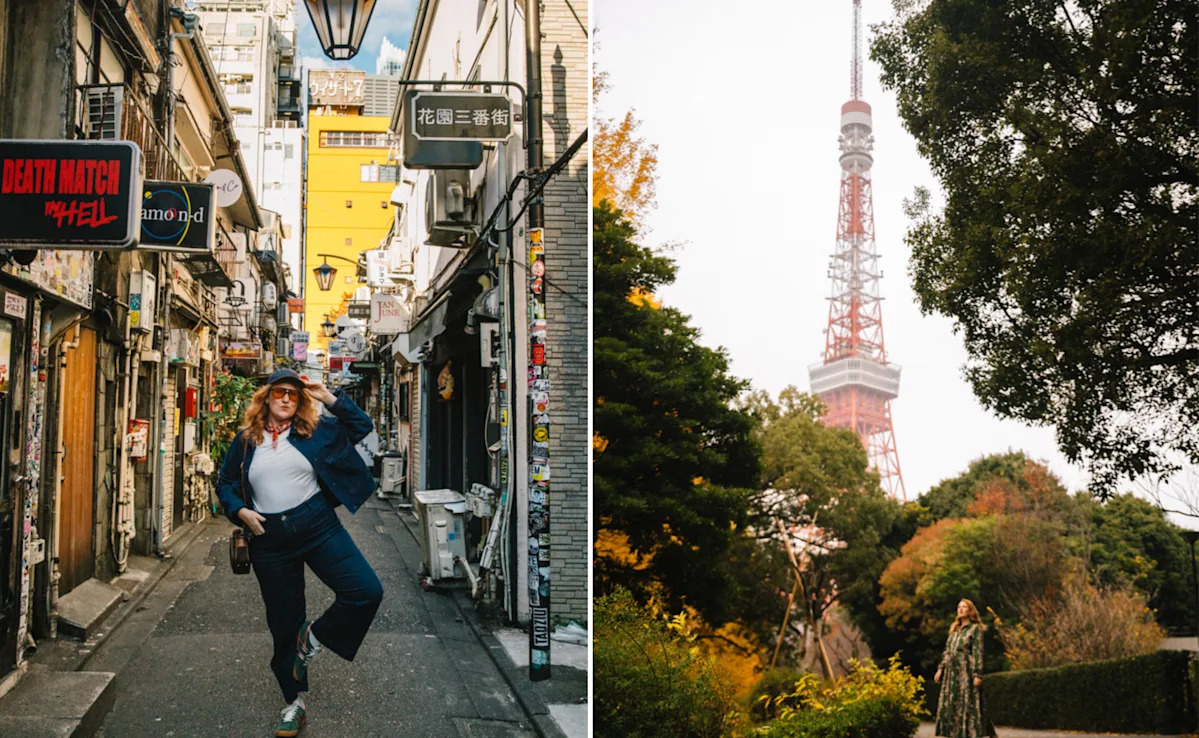
Planning my first Japan trip honestly felt a little unhinged. My TikTok feed was full of “must-do neighborhoods,” all delivered with the same urgency, and the more I watched, the more stressed I got. Everything just blurred together. Eventually, I stopped saving videos and started closing the app whenever I saw anything Japan-related pop up on my feed.
Once I arrived, though, that anxiety faded fast. Tokyo isn’t chaotic. It’s actually logical. The city runs on rhythm and systems, and once you learn a few basics and stop fighting them, everything gets easier. Trains will make sense. Neighborhoods have flow. Even the busy parts feel manageable.
This is the brass-tacks version of Tokyo. Not the algorithm-approved highlights reel, but what actually helped me enjoy my first trip.
_(4).png)
photo by Whimsy Soul
Where I Stayed and Why It Worked
Since we flew in and out of Narita, we planned time in Tokyo at the start and end of the trip. I recommend you do the same so you aren’t rushing back to the airport.
First stay: Shinjuku
Shinjuku is ideal for first-timers. Trains go everywhere, food stays open late, and you’re never far from a 7-Eleven or Lawson, which matters when jet lag hits. Rooms are small, but location makes up for it. I could walk to Golden Gai at night, grab canned coffee in the morning, and get on a train without thinking too hard.
Second stay: Shiba Park
After weeks of moving around Japan, I stayed at The Prince Park Tower Tokyo near Tokyo Tower, and it felt like a reset and a calm way to close out my trip. The rooms are spacious, the area is quieter, and morning walks through Shiba Park were genuinely calming. If your trip has multiple legs, I recommend starting in Shinjuku and ending here to slow down.
Understand Tokyo Is a Night City
This took me a few days to realize. Mornings are quiet, like really really dead,and many shops don’t even open until around 11 a.m. The city really comes alive after 5 p.m., when lights flip on and neighborhoods fill up.
Once I leaned into late dinners and evening exploration, everything felt more natural. Plan calm activities for the morning and save energy for the night.
_(5).png)
Photo by Whimsy Soul
Bring Your Debit Card and Always Carry Cash
Bring your debit card and assume you’ll need cash daily. I used 7-Eleven ATMs almost exclusively and never had issues.
Markets, shrines, small restaurants, and places like Golden Gai are often cash-only. For transit, I used a digital Suica card on my iPhone for trains, buses, and even vending machines, but my husband, who has an Android, has to use cash to top off his physical card. Google Maps handled the rest and told me which platform, train car, and exit to use.
One thing people don’t mention enough: trains and stations get hot, even in cold weather. Layers help so you aren’t boiling on your way to the Pokémon Center.
Handy Japanese Phrases for Beginners
You don’t need to speak Japanese, but a few phrases go a long way.
Arigatō gozaimasu – Thank you, you’ll say this at least 10 times a day
Sumimasen – Excuse me / Sorry
Effort matters more than perfect pronunciation.
_(6).png)
Photo by Whimsy Soul
Neighborhoods and Spots That Stuck With Me
Golden Gai (Shinjuku)
Not overrated, just tiny. Most bars fit five or six people, many are cash-only, and some charge a cover. We met people from all over the world simply because there was nowhere else to stand. Kabukicho is louder and brighter. Golden Gai feels personal.
Tsukiji Outer Market
A long snack crawl. Tuna nigiri flights, egg on a stick, croquettes, mochi. Most stalls are cash-only. Plan to wander and eat as you go.
Meiji Shrine
My favorite quiet moment in Tokyo. Walking through the trees felt grounding, and watching a wedding procession pass by was unexpectedly special. Bring cash so you can make a wish inside the shrine.
Shibuya
Busy and vertical. See the crossing once, then explore side streets, bars, and shops away from the main chaos. Chris Abroad’s “Lost Bar” is worth the hype if you want fun cocktails.
Ueno Park
A pause button. Huge, green, and easy to wander, especially around Shinobazu Pond. It’s also next to Ameyoko Market and several museums.
Sunshine City
Pure fun. Pokémon Center, Bandai Namco stores, anime shops, and themed cafés. If you grew up on Pokémon or video games, this place delivers. Get there early to have breakfast at Yellow, an omurice joint near the mall.
_(7).png)
Photo by Whimsy Soul
Top Foods to Try in Tokyo
You can eat incredibly well in Japan. These are the top meals I recommend you chase.
Convenience store egg sandwiches
Ramen from vending-machine ordering spots
Yakitori and grilled skewers
Karaage (Japanese fried chicken)
Convenience store food isn’t a backup here. It’s genuinely good.
Where to Eat in Tokyo (An Easy Starting Point)
If this is your first trip and you don’t want to overthink food, start here.
Sushiro
A reliable conveyor-belt sushi chain that’s fast, affordable, and everywhere. Great for an easy lunch or when you want sushi without planning ahead.
I’m Donut ?
Famous for a reason. Soft, rich, almost brioche-like donuts with playful flavors. We loved their Pokémon-themed donut.
7-Eleven
Shockingly good and incredibly consistent. Egg sandwiches, onigiri, fried chicken, yogurt drinks, and pastries made this my go-to for breakfast and late-night snacks.
Sushi Matsumoto
Michelin-starred omakase that felt special but still relaxed. Reserve ahead, and plan this as a splurge meal.
Kyushu Jangara
Comforting, flavorful ramen that’s approachable for first-timers and perfect after a long day of exploring.
If you eat nothing else, these five will give you a really solid sense of Tokyo’s food scene without stress.
_(8).png)
Photo by Whimsy Soul
Shopping in Tokyo Without Regret
Save most shopping for the end of your trip. Hauling souvenirs across Japan gets old fast.
Don Quijote is chaotic but worth it for skincare, sunscreen, and themed Kit Kats. Go in with a loose list.
For meaningful souvenirs, look for smaller shops selling chopsticks, matcha bowls, ceramics, tea, incense, and kitchen goods.
Pokemon Centers for fueling your inner child, and to get special release card packs.
If you like fragrance, Le Labo has a Tokyo-exclusive scent that makes a great souvenir.
What to Wear in Tokyo (And What I’d Pack Again)
I went to Japan in autumn and was surprised by how cold it felt, especially in the mornings and at night. I expected mild weather similar to here in San Francisco, and ended up very grateful for layers. If you’re visiting in fall, pack sweaters, light jackets, and something warm enough for evening walks.
Summer is the opposite. My friends who have gone in the summer months report it gets extremely hot and humid, and a handheld fan makes a real difference. You’ll see locals using them everywhere, and it’s worth copying.
Comfortable walking shoes are non-negotiable. I walked miles every day. My Merrells and Gola sneakers were perfect for fall, and if I were visiting in summer, I’d wear Twoobs for breathability and long days on my feet.
Style-wise, Japan leans more conservative. You don’t need to dress formally, but ultra-revealing tops or outfits will make you stand out. Think covered shoulders, longer hemlines, and polished casual pieces that still feel comfortable.
One final must-pack item: an external phone charger. Between Google Maps, transit apps, photos, and translations, your phone will drain faster than you expect. I wouldn’t leave the hotel without one.
_(9).png)
Photos by Whimsy Soul
Things I Wish I’d Known Before Visiting Tokyo
Public trash cans are rare. Carry a small bag for wrappers and bottles. Pack jackets with large pockets to tuck trash.
Tokyo is generally safe for a large city, even at night. I felt comfortable walking around after dark.
Don’t eat while walking. Step aside or sit down.
The city is vertical. Some of the best restaurants are above street level.
Trains come often. If you miss one or get turned around, don’t panic.
Station staff are helpful, even with limited English. Ask them for help.
Convenience stores are genuinely good, not a backup option.
Lines usually mean something is worth waiting for.
You don’t need to see everything. Tokyo rewards slowing down.
Just Plan The Japan Trip Already
By the end of my trip, Tokyo felt intuitive instead of intimidating. Once you understand the rhythm and let go of trying to do everything, it becomes easy to enjoy. Some of my favorite moments came from wandering without a plan, eating whatever looked good, and letting nights stretch longer than expected.
Tokyo rewards curiosity, flexibility, and slowing down just enough to notice it.
AloJapan.com