
Courtesy Tilray Brands
Tilray Brands is looking to push deeper into global markets, and its latest move, they tell Brewer Mag, puts its craft beer portfolio in front of one of the most discerning beer cultures in the world.
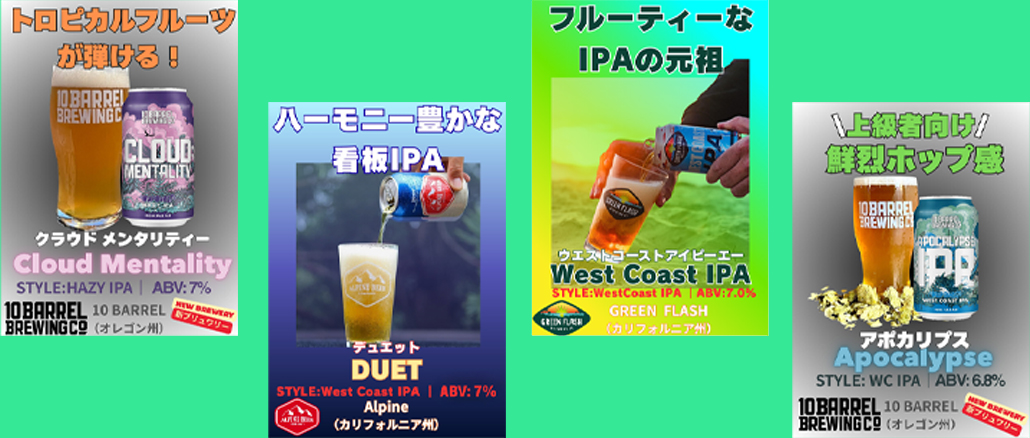
At November’s American Craft Beer Experience Festival in Tokyo — Asia’s largest showcase of US craft beer — the company showcased 10 Barrel, Green Flash, and Alpine Beer.
A spokesperson for Tilray said the activation is the company’s first major step into Asia and a deliberate part of its plan to extend its beverage presence worldwide. They said Japan’s maturing craft beer scene signaled that the timing was right.
While many US breweries still treat Asia as a monolithic market or assume only extreme, hop-heavy beers will resonate, Tilray pointed to a more nuanced reality. They explained in an email after the event that Japan has “a mature craft culture and educated consumers who value balance and clarity as much as boldness.”
Longstanding demand for American styles — especially a classic like a West Coast IPA — has helped create that environment.
Green Flash and Alpine have been available in Japan since 2007, which Tilray explained demonstrates stability rather than fleeting hype. With rising consumer interest in coastal lifestyle brands and retailers specifically asking for consistent US supply, Tilray saw a clear opening for broader portfolio exposure.
As a result, 10 Barrel Brewing’s Cloud Mentality and Apocalypse IPA joined Green Flash West Coast IPA and Alpine Duet IPA on the festival taps. But the launch wasn’t simply about pouring beer, it was about pressure-testing strategy.
American breweries often stumble, they said, by assuming Japan or Asia broadly wants bigger, louder expressions of craft. Tilray’s approach instead leans on market-specific research and feedback from Japanese partners.
“We avoid assumptions by using local insights and leading with proven brands,” they said.
That means anchoring themselves with labels Japanese consumers already trust, while carefully introducing approachable, lifestyle-driven brands from the US portfolio.
Japan isn’t just another export target for Tilray, it’s the gateway to the broader Asia-Pacific region. They described Japan as “Asia’s most influential craft beer market,” making it the most logical point of entry. Any future expansion, they said, depends on a combination of strong distribution partnerships, clear consumer pull for American craft styles, and infrastructure that can support consistent premium imports.
Their partnership with Nagano Trading provides a critical foothold for both regulatory compliance and market execution.

And compliance is no small consideration. Japan’s requirements differ sharply from the US, and that affects everything from packaging language to the placement of mandatory information to taxation categories.
Tilray frames adaptation as an exercise in precision rather than compromise.
“Our goal is to meet all regulations without compromising brand identity,” they said, noting that close collaboration with their importer allows them to keep the core look and feel of the brands intact while aligning with local rules.
While IPAs form the spearhead of Tilray’s entry, the company isn’t locking itself into a hop-heavy future. They said beers that balance flavor with drinkability — styles gaining traction in the US — could become strong secondary pillars in Japan.
Brands like Montauk Surf Beer Golden Ale, Blue Point Toasted Lager, 10 Barrel Pub Beer, and Shock Top Belgian White already perform well stateside and, in Tilray’s view, represent the types of approachable, lifestyle-forward beers that could broaden the market once the initial excitement around IPAs translates into deeper consumer curiosity.
The strategy for growth hinges on more than retail shelves. Tilray said they expect to blend off-premise visibility with on-premise trial and cultural activations that match the brands’ US identity.
Concerts, outdoor events, and sports tie-ins have defined how these breweries build community domestically; they intend to replicate that energy in Japan but shape it for local preferences. Storytelling will also remain consistent. Rather than rewriting brand narratives, the spokesperson said authenticity is central: Japanese consumers want transparency about regional identity, lifestyle roots, and production culture, and Tilray believes the existing stories resonate as they are.
READ MORE: The Logistics it Takes Ommegang to Bring Back This Festival
If your brand is considering an international push — especially into Asia — Tilray’s approach offers several ideas: do not lump markets together, do not assume intensity equals appeal, and do not underestimate how much packaging, compliance, and logistics guide success. Start with brands or styles that already have credibility, build with local partners who understand regulatory nuance, and let consumers opt into authenticity rather than reinvention.
Tilray views this latest expansion as the first step in a long-term strategy. The debut in Tokyo was a test of brand fit, operational readiness, and cultural resonance, and early signals suggest the region is primed for more.
“IPAs open the door, but sessionable and lifestyle-led American styles have huge potential here,” they said.
AloJapan.com