
Shizuoka Japan Travel Guide: Inside an 8th-Generation Soy Sauce Brewery in Japan
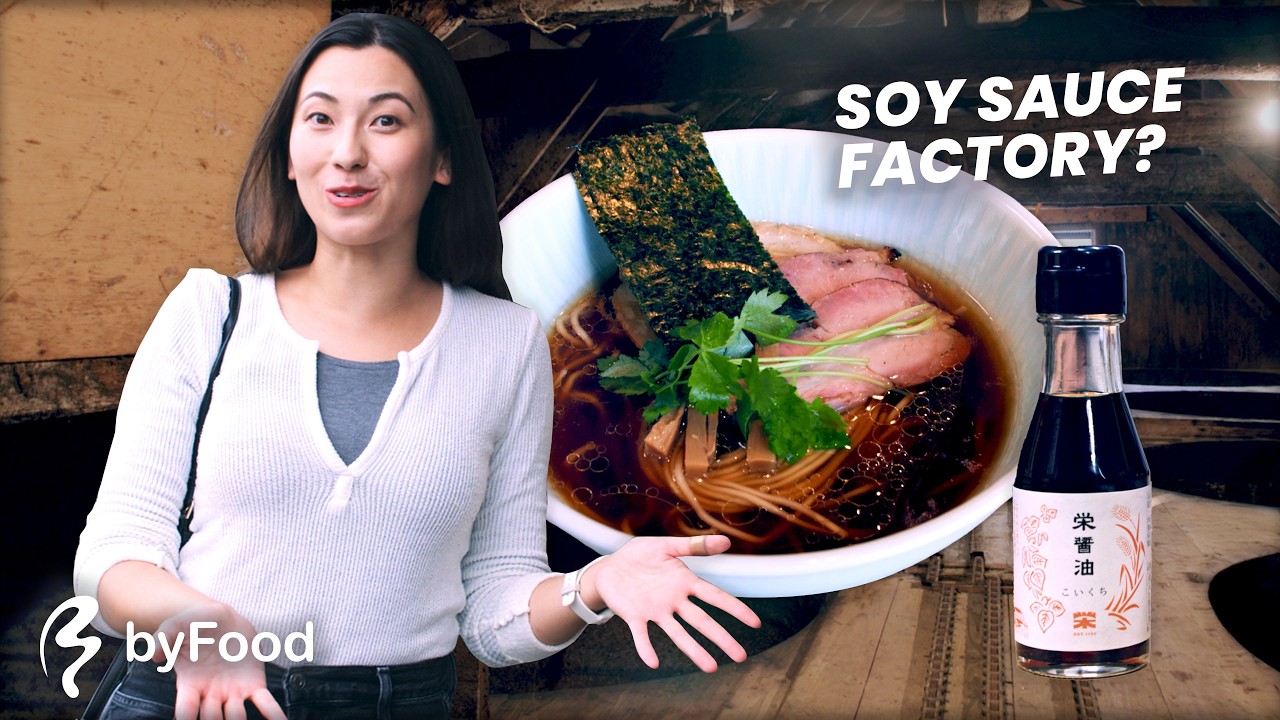
Welcome back to beautiful and windy Shizoka Prefecture. This is the second episode in our Shizoka series. Today I’m going to be exploring a local food in Shizoka Prefecture that not that many people actually come to try. Do you have any guesses what that could be? I’ll give you a hint. It is a salty Japanese cooking staple. Wondering what it could be? And if you’re curious, make sure to stick around to find out what it is. Okay, we’re going to put the whole bottle in. I’m definitely going to try that. Before we go, don’t forget to subscribe for more Japan adventures like this one. And don’t forget that all of the experiences that we feature in our Shizoka series will be bookable on byfood.com. So, make sure to check out the description down below for more details. All right, let’s go explore Shizoka Prefecture and have some delicious food here. Let’s go. This is the city of Kakeawa. It is a beautiful town that’s also very historic because it was once a post town along the famous Tokaido road. So, this was a stop along the way. It has a lot of tea fields. So, it’s really well known for its tea production, but it’s also known for this one thing that’s actually been made here for over two centuries, and that is soy sauce. And I’m going to be learning how to make soy sauce at this really ancient soy sauce brewery in this area. But before we go do that, I thought I would try a local soy sauce ramen that uses the soy sauce from that soy sauce brewery and just kind of get a taste for what this unique local soy sauce is all about. All right, so to start off the day, I am here in front of Maya Saskuke, which is a ramen shop close to Kakawa station. And apparently the owner is a huge fan of ramen. So he opened this restaurant about 13 years ago. And he also is a huge fan of soy sauce, I hear. So, he actually traveled widely across Japan to try different soy sauces at different soy sauce breweries. But still, he kind of ended up back home in his local soy sauce brewery and decided to go with this one. So, I’m going to try the soy sauce based ramen or show you ramen that they have here and see what the flavor of the local soy sauce is like. And then we’re going to go check out the brewery. So, that’s what we’re going to do today. Okay, I think I’m going to go with the jidori sobba, which is the local chicken sobba, which actually sometimes means buckwheat noodles, sometimes it means ramen noodles, just so you know. Let’s get the soy sauce one of those. This looks so beautiful. Really simple presentation, but just stunning. It’s very balanced. And there’s two different types of chashu pork, ni seaweed, and there’s also a garnish on here, which is apparently called hime nitsubak. Looks really tasty. And of course, the color of the soy sauce is really deep and rich. So, I can’t wait to give it a try. M. That is really, really tasty. Wow. It is so rich. There’s just so much flavor in it. It’s hard to express soy sauce flavors to be honest. It really has a right amount of saltiness. It has kind of like a deep umami to it and almost like a a rich wine like after taste. So good. I could drink the soup on its own. All right, let’s try the noodles. Oh, that’s really good. The noodles are really thin, but they have a really good amount of chew to it. There’s some bounce. It really absorbs the flavor of the soup. It just kind of carries the soup up as you slip the noodles. All right, let’s try one of the chashu. M. Oh, that’s very tasty. It’s um juicy, but still firm. It has a little bit of bite to it, but still really, really tender meat that’s super flavorful. And I think the simplicity of this bowl of ramen works really well because the soy sauce really shines and it really has a great flavor. So after this, I’m actually going to go check out a local brewery to try the real stuff and then we’ll see how it kind of compares and I’m really really excited for that. So let’s go explore a little bit and I’ll see you guys over there. We are here now. This is the Sakai Soy Sauce Brewery. It’s a family-run business that’s been running since the year 1795, which is incredible. And it’s one of only 28 soy sauce breweries in all of Japan that still use wooden barrels to make their soy sauce. They have about 40 barrels here that are all over around 100 years old. So, that’s really incredible. And we’ll have a really unique chance to see the traditional method of how soy sauce has been made over generations. and I’m going to be getting a little bit of a tour of this soy sauce factory. So, I can’t wait to learn a little more about it. Let’s go inside. Nice to meet you. Hello, I’m Shizuka. My name is Makotokaya. I am eighth generation owner of Kai Brewery. Thank you for coming. Oh, thank you for having me today. Wow, beautiful brewery. So, we can do a tour here today. Yes, let’s go to Biri. Yes. All right, let’s go. Oh, what’s this? It looks like a little bit of a tasting setup in here. I was not expecting this. All right, so we’re going to be doing a little bit of an experience here. But before we start, I thought we actually have two setups. So, I thought I’d invite our producer Anika to come join. Come on in. Some of you may remember Anika from some of our past videos, especially the spicy food challenge that we did. All right, let’s do it. Wow. Okay. So, this is a bit of a makeshift experience. Okay. So, we’re going to scoop the motoi, which is kind of the pre-strained soy sauce, into here. This is so exciting. It does look like miso. You can see the beans in it. Ooh. Wow. It’s already soy sauce coming out. That’s so cool. Okay, so we’re seeing how it works in a little bit of a science experiment, but let’s see it in the factory. Oh, it looks so traditional. It smells like soy sauce. The soy sauce brewing process begins with soybeans and wheat sprinkled with this fermentation starter and left for about 3 days in a warm temperature controlled space to create a special kji. the base of soy sauce’s deep complex flavor. The cooji is then mixed with salt water made from local soft underground spring water to form moto, the fermented mash. This mash is transferred to wooden barrels and aged for about 18 months with occasional kay stirring to introduce air and support fermentation. This is the fresh one that they just spilled up. So, it looks totally different from this. This looks a lot muddier. And this one, you can still see the yellow of the the koji. Once aged, the mash is pressed in a fet, which is named after the Japanese word for boat due to its shape. Soy sauce first drips out naturally. Then the mash is pressed to extract the rest, creating fresh nama or raw soy sauce. That’s amazing. So, we found where the soy sauce for that lmen chop comes from, and it’s the fresh unheated one. And that’s very rare to find apparently cuz it needs to be kept cold. Finally, the raw soy sauce is heated, a step that deepens its color and aroma, then left to rest overnight, filtered, bottled, and ready to enjoy. This is such a unique opportunity. It’s a very very rare opportunity to take a look at how soy sauce is made up close in such a historic brewery. And honestly, this is the way that it’s been made for generations. And the knowledge of how to make good soy sauce has been passed down for generations, too. So, it’s been about an hour and a half that we were in there. So, this is how much soy sauce has come out. Fore! Foreign! Foreign! It’s That’s really cool. So, we’re going to make this traditional Japanese condiment called soy sauce koji today. Okay, I’m really curious. This is my first time scooping koji. It’s all really stuck together. It is kind of like crushing oats that have kind of stuck together. It’s so crazy that you can eat rice mold. I mean, not just any rice mold, by the way. You can’t eat rice that has gone bad in your house. That’s not how it works. Do not do that. But you can eat koji. Doing it with you. I’m going to try a piece of this. The texture is kind of like rice. Basically, rice. Sweet. The aftertaste is a little sweet for me. It takes It took a second to get the taste, though. It’s not bad. Yeah, this could be a snack. So, now we have our two containers of ki Oh, speech speech. like wine tasting. Okay, so now we’re going to do soy sauce tasting. And we’ll start with the middle one, which is the most common, the rich tasting soy sauce. Oh, that’s really good. There’s a lot of flavor. I would definitely cook with that. Okay, here we go. That’s salty. Oh, but it’s really good. Yeah, it’s salty, but it’s flavorful. Yeah, but it’s clearly different. It’s good, but like you don’t need much of it. That’s kind of my how I would distinguish though. That’s actually so interesting cuz the amount of salt is the same, but this one tastes saltier. Wo, that is a powerful taste that like hits you instantly. I think really really heavy on the umami flavor. It just kind of like blasts your tongue the moment you put it in your mouth. I think we both had the same reaction. We were both like, it’s so rich. Okay. So, now we have to choose which soy sauce we’re going to use to make our showy koshi. Which one do you think you’re going to go with? I think I’m going to go with the Oh, the light color. It’s very hard to choose because they’re all really good in different ways, but I don’t know. I don’t want to be basic, but I swear my favorite is just like the classic dark or rich taste. It just has the right balance for me. So, I think I’m going to go with this one. Let’s do that. I’ll go with Qui and you will take. Okay. That’s a lot of soy sauce. Okay. We’re going to put the whole bottle in. You take the whole bottle. It reminds me of like curry and rice. You need to send me a photo when it’s done two weeks from now. It’ll probably look totally different. I’m definitely going to try that. That sounds really good. We have so much more now. Who gets to bottle our own soy sauce? So, here we go. We learned how to make our very own soy sauce and bottle our own soy sauce. We didn’t get to make the whole process, obviously, but we got to blow drip our own soy sauce. It’s my favorite content, like I said. So, I’m really excited. And when can you ever do anything like this? Exactly. This is a super, super unique experience. I’m so glad. Thank you so much for showing us how to do everything. We learned so much. All right. Well, there you have it. That was the Soy sauce brewery tour experience that I just got to do today. And I didn’t expect to be able to do so much. I never expected to be able to see a soy sauce brewery that’s over 200 years old and get such an in-depth tour and just see the whole making process. It was so much fun and just so interactive. So, if any of you guys are interested as well, this is your lucky day because you also can join this very tour and soy sauce making experience. So, if you’re interested in that, please check the link down in the description or I think there’ll be a QR code on the screen here somewhere. So, make sure to click that and then you can do the exact same thing that I did. Yeah. So, it’s a lot of fun. I definitely super recommend this and I feel like I learned a lot and I hope you guys did, too. So, if you enjoyed this video, please make sure to give us a thumbs up, leave a comment, and let me know if there was anything that actually surprised you about the soy sauce making process that you didn’t know before. And also, we are having one more final installment in our Shizoka Prefecture video series. So, look forward to the next one coming next week. All right, see you guys in the next video. Bye. I’m gonna go enjoy some soy sauce now. If you enjoyed this video, click the photos on the left for more fun Japan adventures, and click the one on the right to join the tour I tried today. See you next time.
Japan by Food and Shizuka are back with Part 2 of their journey through Shizuoka Prefecture — one of the best day-trip destinations from Tokyo, known for its vibrant gastronomy scene filled with traditional dishes and unique regional specialties!
In this episode, we visit an 8th-generation soy sauce brewery, where one of Japan’s most beloved condiments is still crafted in massive wooden barrels using time-honored methods passed down since the brewery’s founding.
Shizuka also gets hands-on with a soy sauce–making and bottling experience — something you can try for yourself when you visit Japan!
*About byFood*
ByFood is a platform that connects foodies with food experiences in Japan, from bustling food markets to serene countryside tastings. Besides exploring Japanese food culture in an authentic way, your booking fuels positive change! For every booking, we donate 10 meals to children in need through our Food for Happiness program. Ready for your next food adventure?
Browse trending restaurants and award-winning menus ➡️ https://bit.ly/3IBQ7Et
Find and book food experiences in Tokyo, Kyoto, Osaka and beyond ➡️ https://bit.ly/4agznyx
Want a tailor-made Japan experience? Let our travel experts craft culinary experiences just for you ➡️ https://bit.ly/48NU6dm
*Follow byFood online for more food and travel tips from Japan!*
Japan byFood on Facebook: https://www.facebook.com/japanbyfood
Japan byFood on Instagram: https://www.instagram.com/japanbyfood
Japan byFood on X: https://twitter.com/japanbyfood
4 Comments
First ❤❤
😍❤️
I literally just finished watching your Machiya district video and I get a notification for this 😂
I love Shizuoka,I love Japan.