
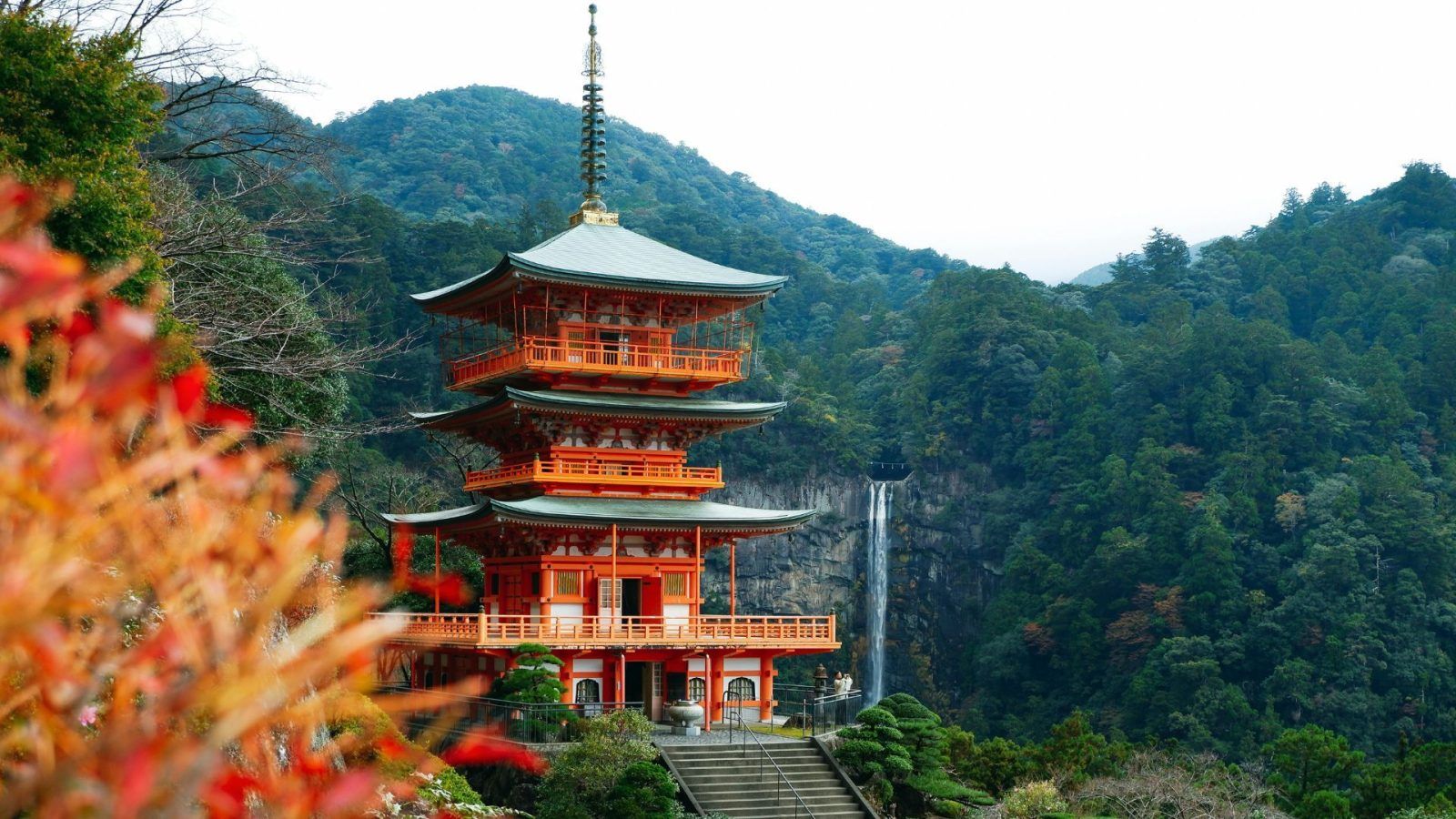
Nachiyama Pagoda, Wakayama | Image credit: Susann Schuster/Unsplash
Just a short distance from Osaka, Wakayama blends spiritual sites, nature, beaches, and hot springs. Its historic landmarks, markets, temples, and scenic coastlines make it perfect for culture lovers, foodies, and weekend travellers.
Wakayama is an underrated travel destination in Japan worth the trip if you’re seeking spiritual alignment, a deeper connection with nature, and fresh local delicacies. Aside from its historical sites, it’s also famous for its white, sandy beaches and soothing hot springs. Only 1.5 hours away by car from Osaka, the city makes for a perfect weekend trip. If you’re planning a visit soon, here are a few iconic Wakayama attractions you don’t want to miss out on.
Also check out this 10-day Japan itinerary packed with fun and adventure.
Best time to visit Wakayama
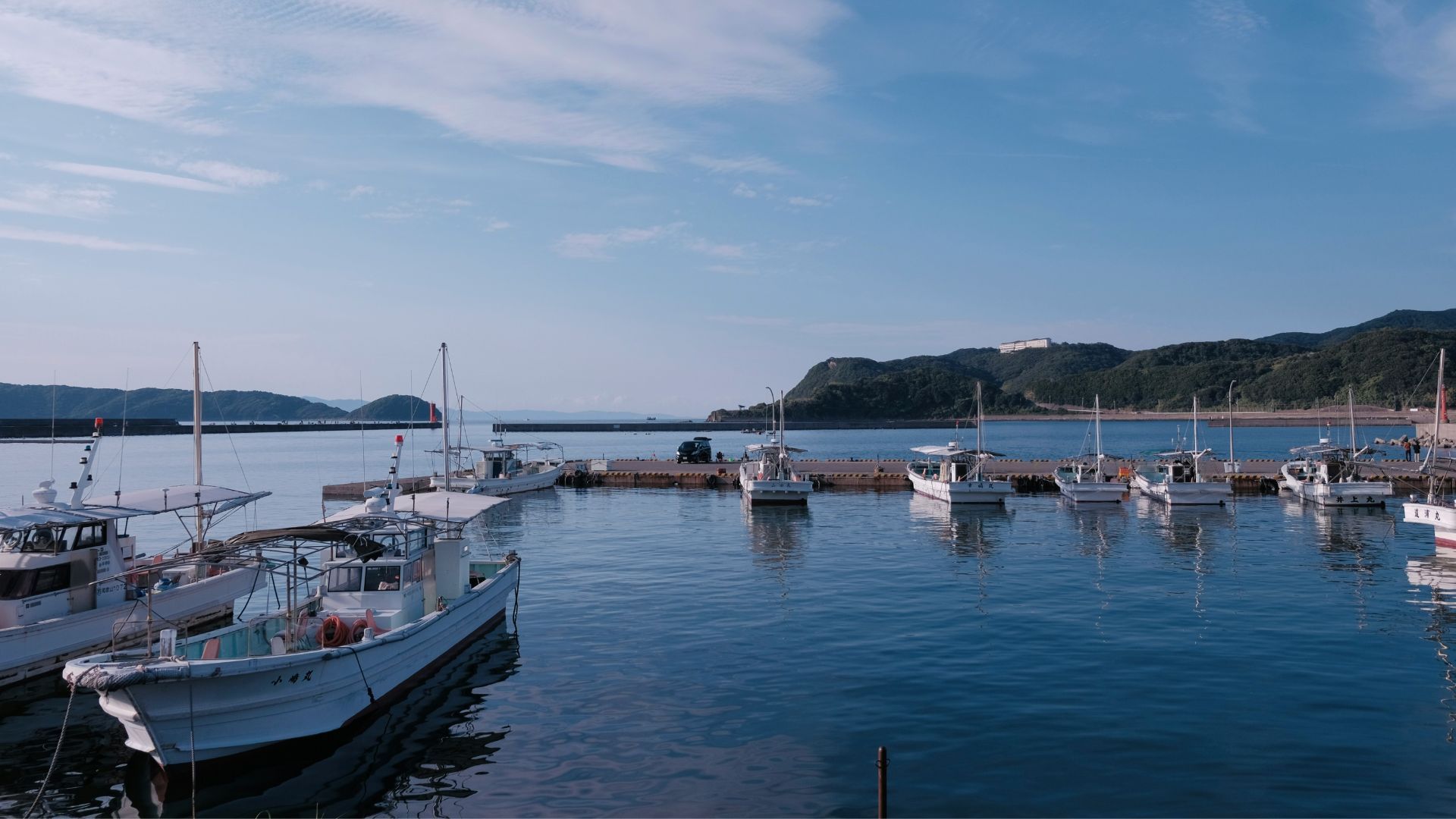 Wakayama | Image credit: WANG Tianfang/Unsplash
The best time to visit Wakayama depends on what you want to see and do. Visit during spring to admire cherry blossoms and in autumn to watch the fall foliage. For those who enjoy beach activities and warm weather, visiting Wakayama in summer is a good choice. For those who enjoy hot springs, Wakayama is best visited in the cooler months of autumn and winter.
T+L tip
Traditional Onsen Ryokan: Natural hot spring stays like Shirahama Onsen Kisyu Hanto, and Kada Onsen are unmissable winter experiences in Wakayama. These soothing hot springs will warm your body and calm your mind.
How to reach Wakayama
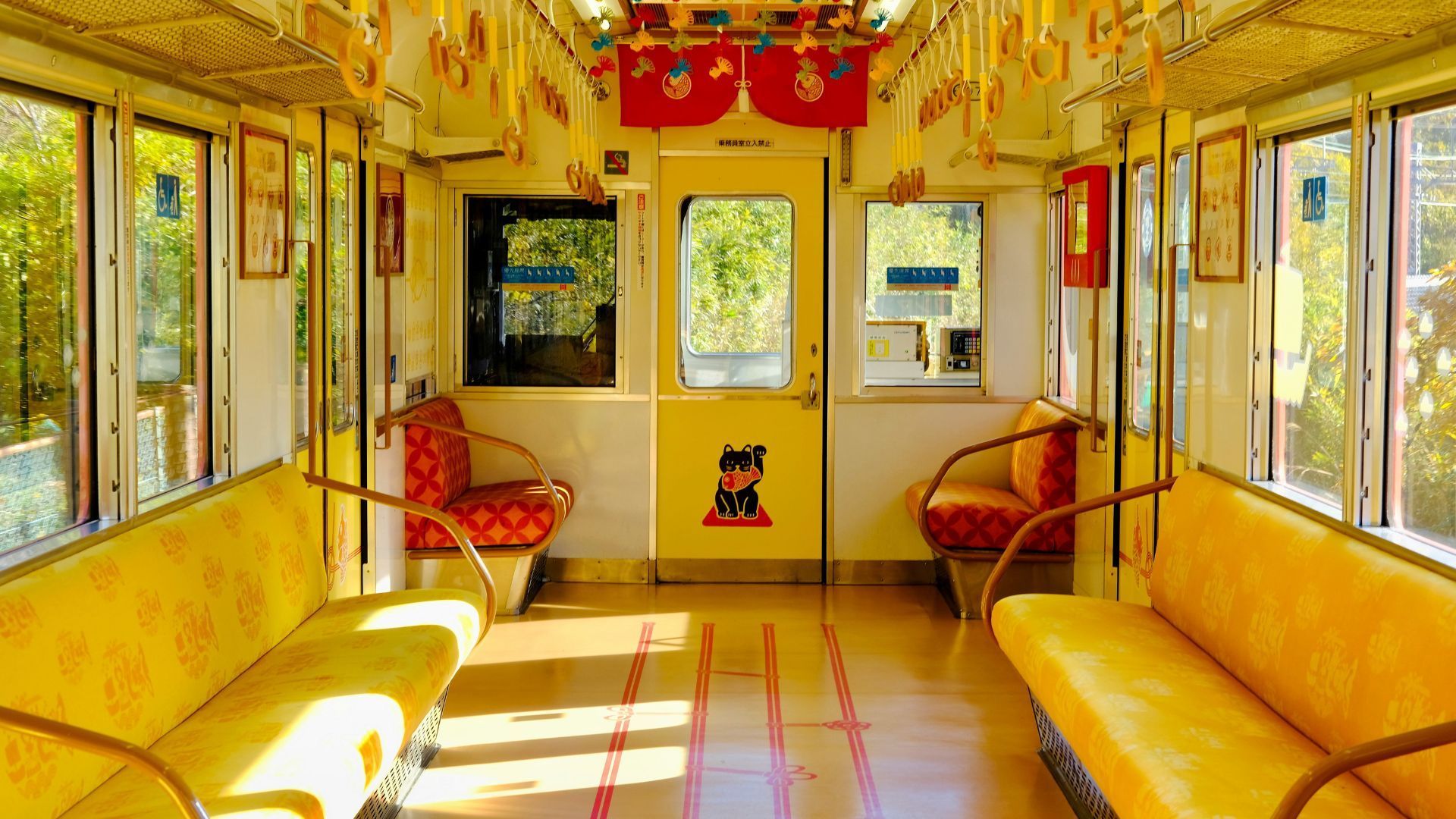 Train to Wakayama | Image credit: Chean Ang Heng/Unsplash
Rather than travelling to Wakayama from Tokyo, start your journey from Osaka, as it is closer. From Osaka Station, use the JR Hanwa Line and get off at Wakayama Station. You should arrive in 1.5 hours. You can also take the highway bus from the Osaka Station Bus Terminal to either Wakayama City or Shirahama. You can purchase the tickets at the terminal or online. There are also direct buses from Kansai Airport in Osaka.
Also, check out the 25 most beautiful places in Japan.
Tourist attractions of Wakayama
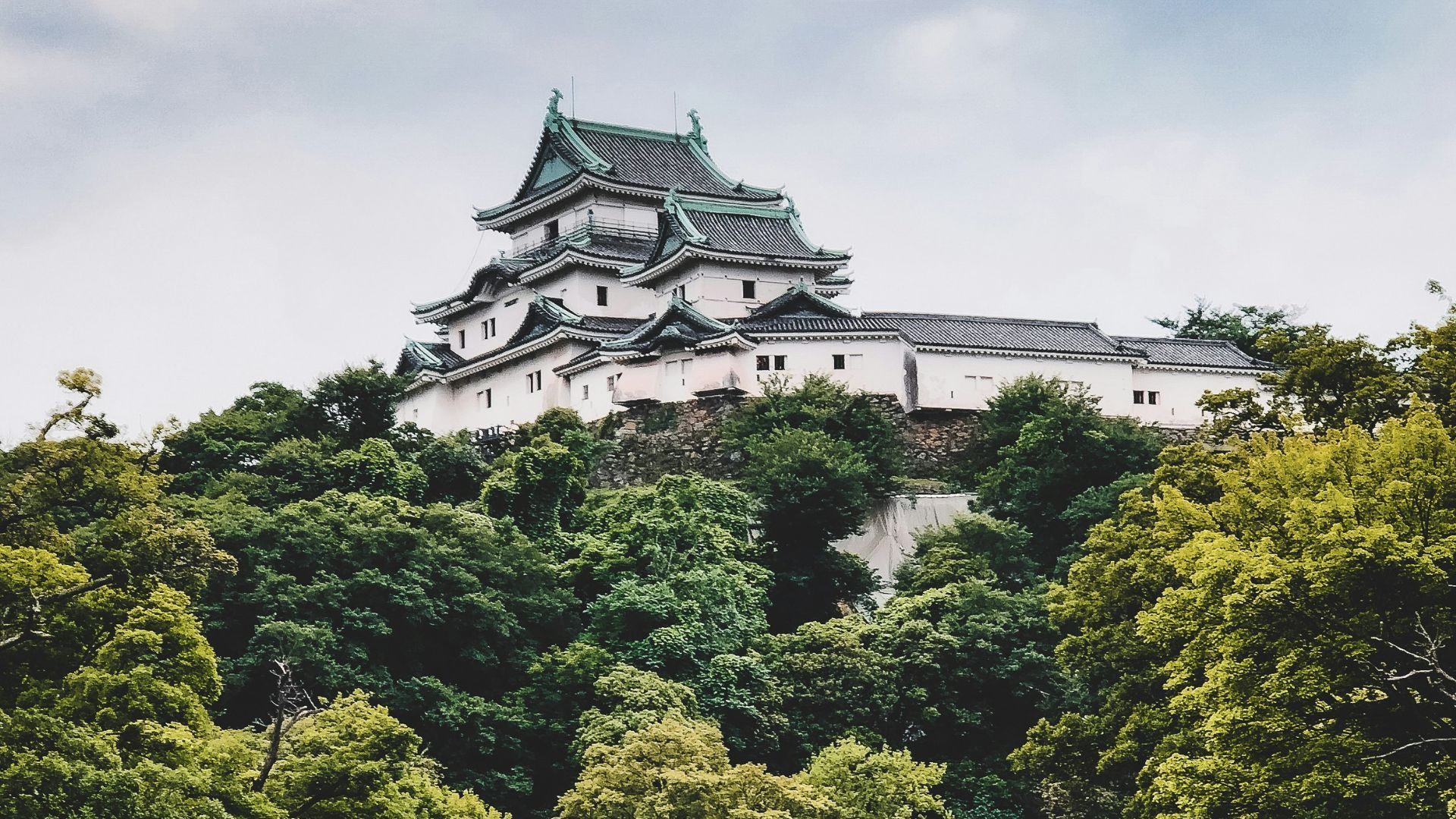 Wakayama Castle | Image credit: Andrea De Santis/Unsplash
Here are some iconic Wakayama attractions you don’t want to miss!
Wakayama Castle: It was built by warlord Toyotomi Hidenaga in 1585 and serves as a historic landmark, boasting a rich samurai heritage. Visit in spring to see cherry blossoms and in autumn to watch the fall foliage.
Shirahama Beach: A popular beach resort that attracts crowds from mid-July to August. Tourists flock here because of the white sandy beaches, dreamy coastal scenery, and natural rock formations.
Kimidera Temple: This Wakayama attraction is over 1,200 years old, and pilgrims from all over the world come here to pray for healing and compassion to Kannon, the Goddess of mercy. Not to mention, at the temple, one can also enjoy panoramic views of Wakaura Bay and Wakayama City.
Kamayama Shrine: This Shinto Shrine tells the tale of Japan’s imperial and mythical mythology. Locals also believe that the shrine wards off misfortune and offers visitors protection and safety from evil spirits.
Wakayama Zoo: Located within Wakayama Castle Park, this admission-free zoo offers a unique opportunity to enjoy animals and a historical atmosphere simultaneously.
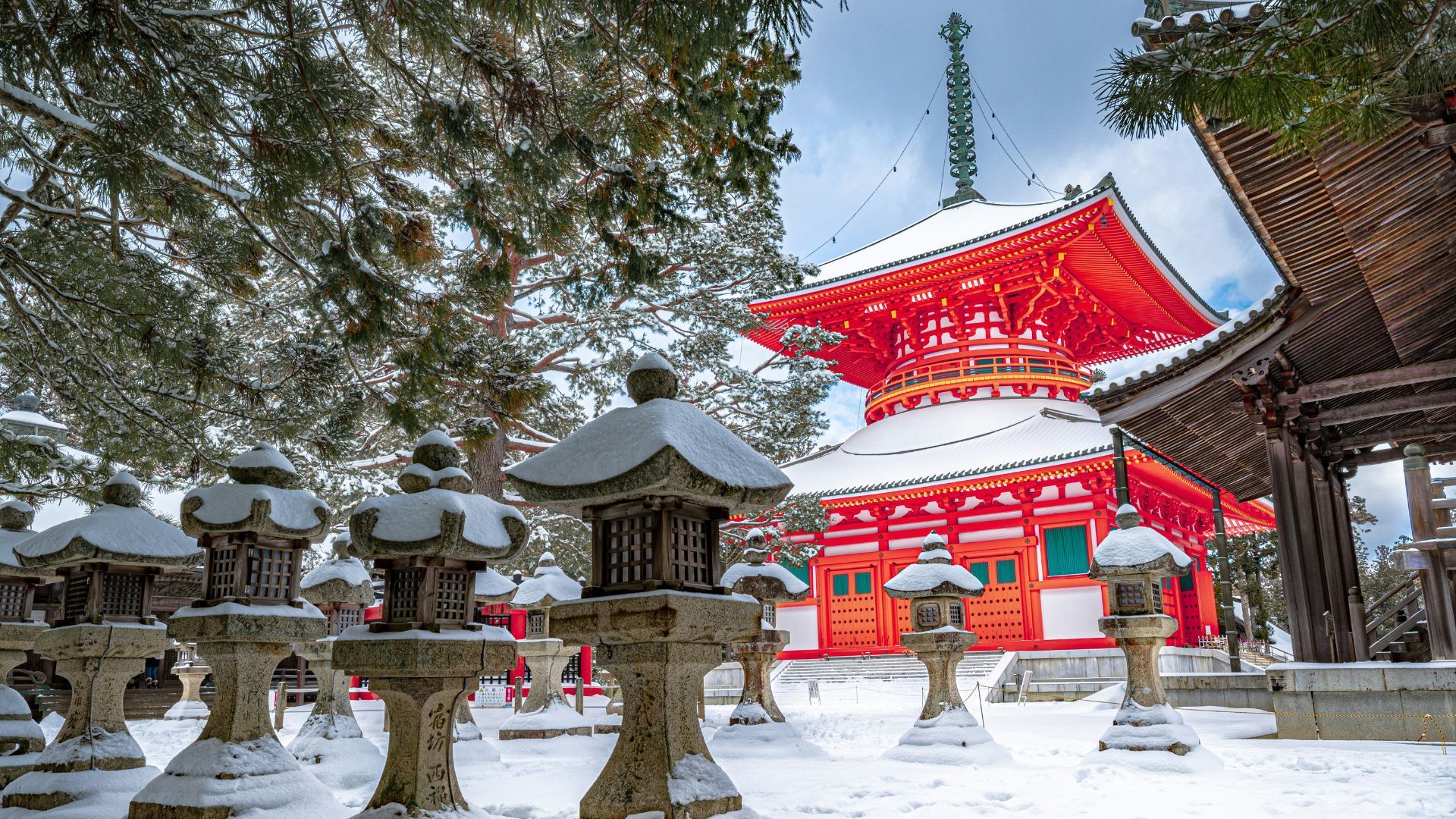 Winter in Mount Koya, Wakayama, Japan | Image credit: Samuel Burner/Unsplash
Mount Koya: Another UNESCO World Heritage Site that’s a must-see Wakayama attraction. There are about 100 temples here, and some of them also offer shukubo (temple lodging) experience.
Adventure World: Not only does this park have a zoo, but it also has a safari, aquarium, amusement rides, and marine shows all in one location. There are plenty of activities to enjoy here, so it might be worth dedicating a whole day to exploring the park.
Kumano Kodo: A UNESCO World Heritage Site, this pilgrimage trail offers spiritual awareness and cultural learning about Japan’s heritage.
Wakayama Marina City: It’s a resort island that is 40 minutes away by car/bus from Kansai Airport. It’s famous for its hot springs, sea-facing hotels, outdoor activities, fishing parks, and a Mediterranean-themed amusement park.
Engetsu Island: Since it’s shaped like a circular arch, this Wakayama attraction has become a famous spot for photography and enjoying the sunset. You can do a day trip here when exploring Shirahama Beach and Adventure Island.
Also, learn about this city in Japan with the largest number of hidden gems.
Where to go shopping
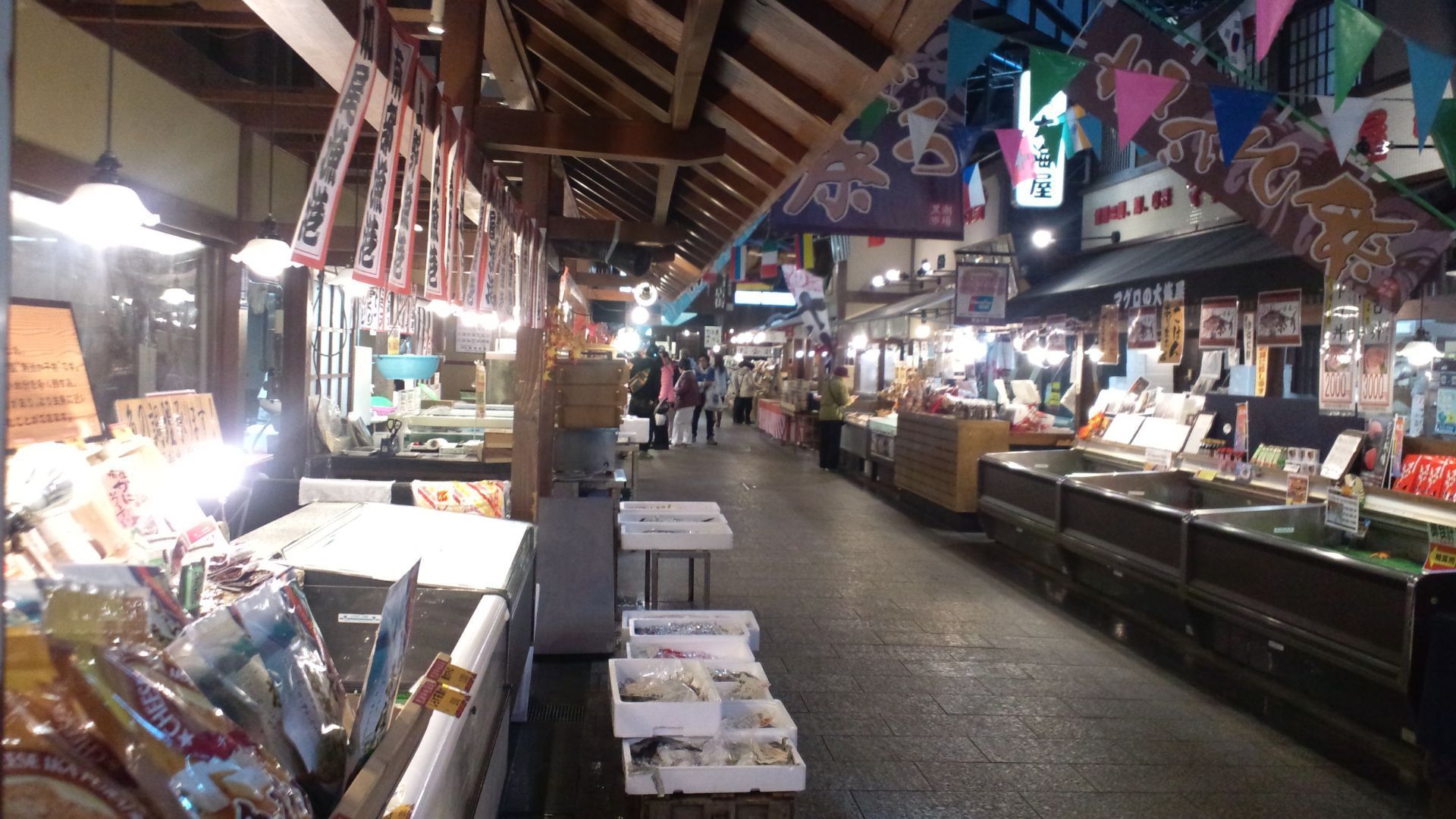 Kuroshio Market | Image credit: Yanajin33, CC BY-SA 3.0, via Wikimedia Commons
Some of the most recommended souvenirs to bring home from Wakayama are food and drinks. Keep an eye out for local specialities like umeshu (a sweet plum liquor), mikan jams (mandarin oranges), persimmon rice crackers, and otaki mochi (red bean rice cakes). You can also buy beautiful handicraft goods, such as Kishu lacquerware, Nokaji knives, and Kishu fishing rods, all of which are crafted by local artisans.
The best places to go shopping in Wakayama:
Wakayama Marina City: Visit the Fisherman’s Wharf Market to sample fresh seafood and buy food and drink souvenirs.
Kuroshio Market: It’s another seafood market that specialises in seasonal seafood items and drinks.
ToreTore Market Nanki Shirahama: A semi-wet seafood market where you can eat seafood and try local drinks.
Kintetsu Department Store: This department store, near Wakayama JR Station, specialises in lifestyle and fashion items.
Aeon Mall: The largest shopping mall in Wakayama that sells lifestyle, beauty, and fashion goods from local and international brands.
What to eat in Wakayama
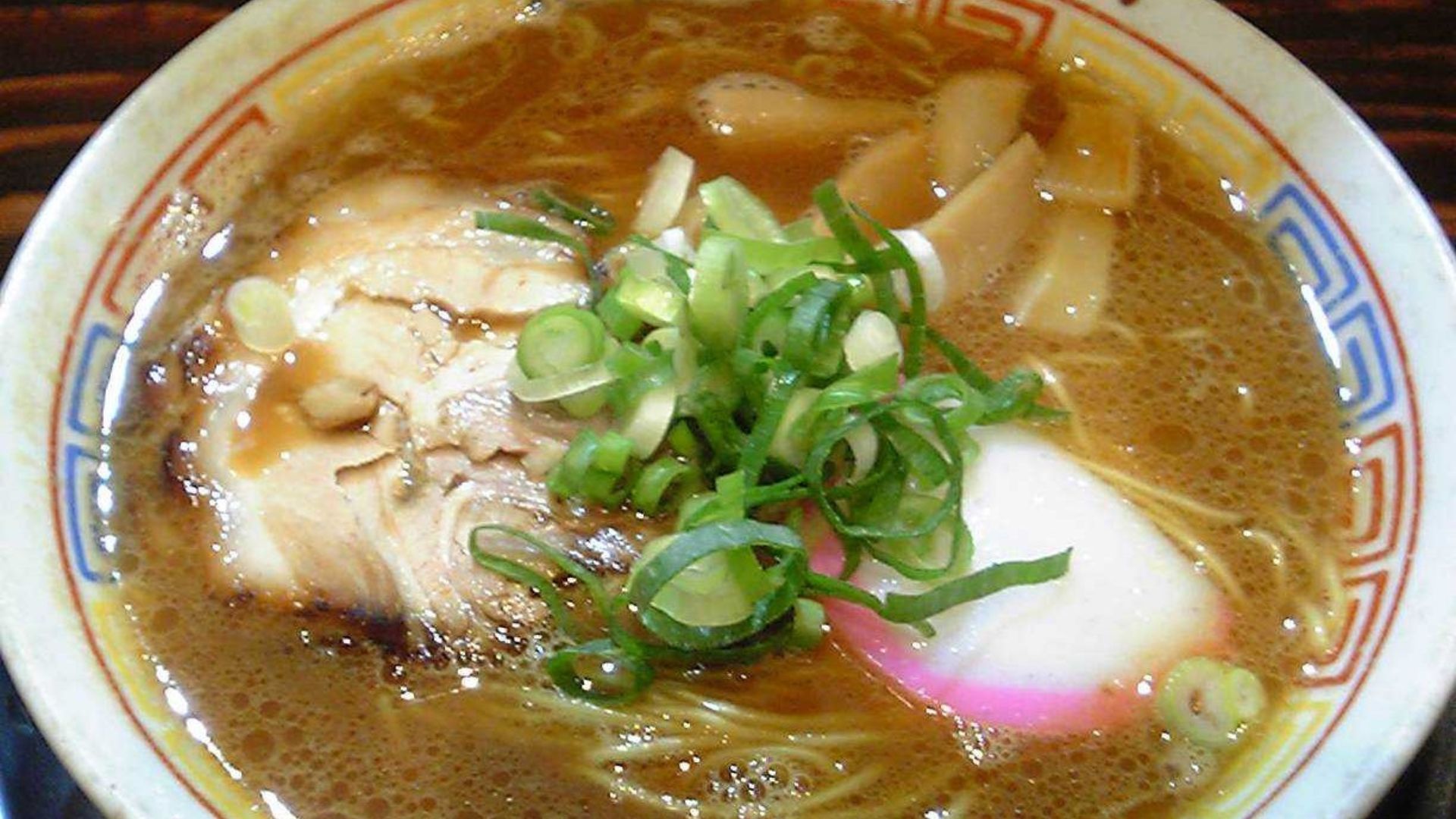 Wakayama Ramen | Image credit: Hykw-a4, CC BY-SA 3.0, via Wikimedia Commons
When in Wakayama, eat what the locals love!
Meharizushi at Mehari Sushi Nidaime: It’s like a vegetarian version of sushi made by wrapping vinegared rice balls in takana (mustard) leaves. Sometimes they have as pickled vegetables as fillings inside of them. You can either order them as a separate dish or as part of a set meal that includes fresh sashimi, soup, and deep-fried skewers.
Wakayama Ramen at Ide Shoten: What sets Wakayama ramen different from other types of ramen is that it combines pork broth (tonkotsu) with soy sauce (shoyu), resulting in a rich umami flavour. The noodles used are thin and firm, and the ramen is often topped with bamboo shoots, green onions, boiled eggs, fish cake, and chashu (pork).
Umeboshi at Kishu Umeboshi Kan: Wakayama is one of Japan’s top ume (plum) producing areas. Umeboshi is a salt-pickled plum that has a sour, sweet, and salty flavour. It’s often served upon a bed of white sticky rice or included inside a rice ball.
Shojin Ryori at Eko-in Temple: This is a type of traditional vegetarian Buddhist cuisine served at temple lodgings on Mount Koya in Wakayama. This humble meal consists of lightly-seasoned rice, steamed vegetables, tofu, a light soup made with vegetable broth, and pickled vegetables.
Kue Nabe at Anchin: A hot pot dish made with kue (longtooth grouper) fish, along with tofu, leek, mushrooms, cabbage, and konnyaku (yam cake). The broth is a light dashi-based soup with hints of miso or sake flavour. The best season to enjoy this dish is in winter.
Insider tips for travellers
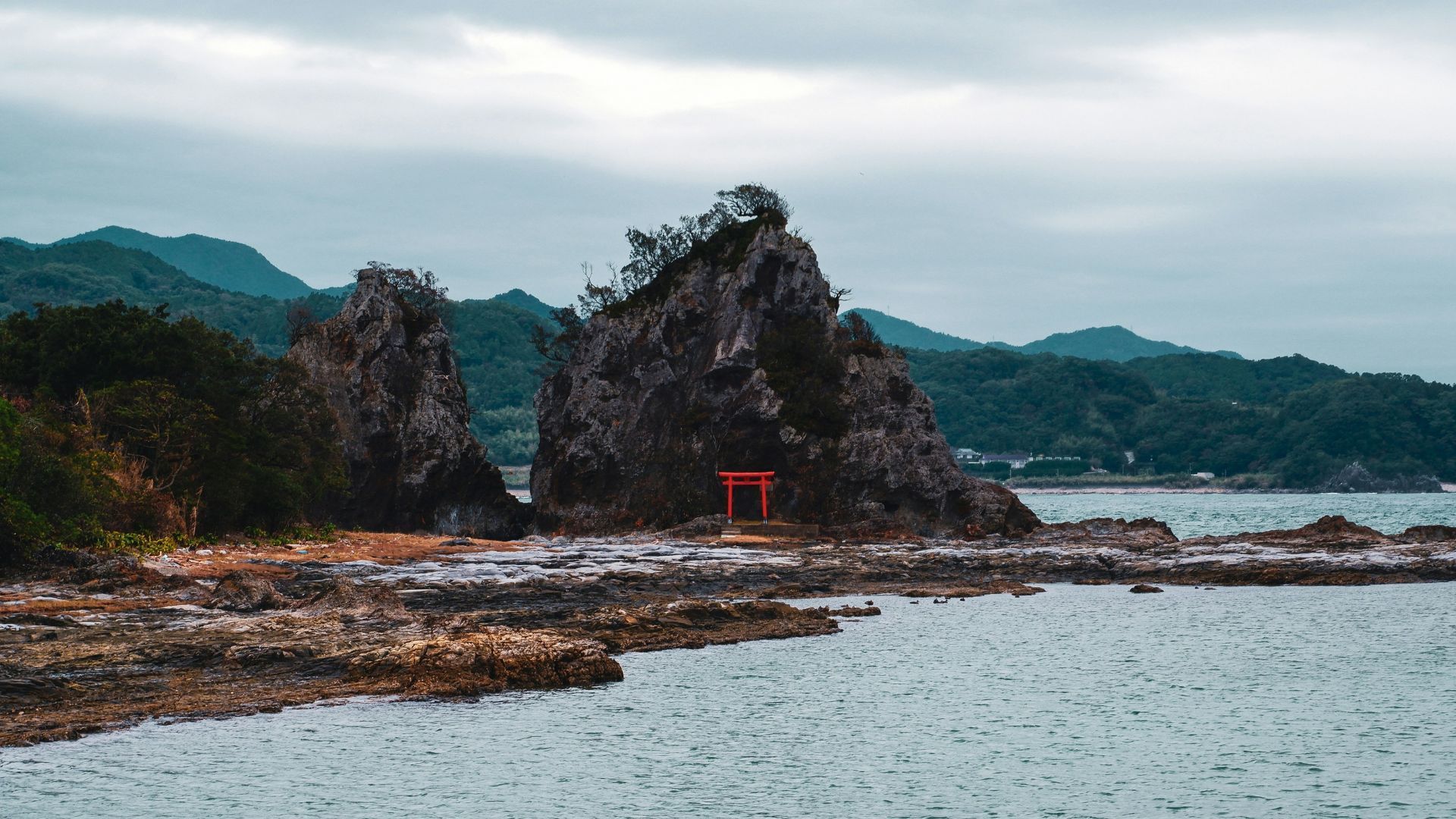 Wakayama | Image credit: Susann Schuster/Unsplash
Since not all tourist attractions are accessible by trains or buses, we recommend renting a car to explore Wakayama.
July to August is the best time to visit Wakayama’s beaches. The beaches can get terribly hot during the afternoon. Try to visit either in the morning or late afternoon after 3:30 pm.
October to February is the best time to visit the hot springs in Wakayama.
Always carry cash, as some rural cafes and shops do not accept cards and digital payments.
Most temples and tourist attractions shut by 5 pm, so plan your day early.
Stay at a temple in Mount Koya to learn the ways and diets of the monks.
Visit Kuroshio Market early in the morning to sample fresh seafood.
(Feature image credit: Susann Schuster/Unsplash)
Related | Here’s How To Unpack Authentic Japan Through The Joys Of Slow Travel
Note:
The information in this article is accurate as of the date of publication.
We may earn an affiliate commission when you shop through links on our site.
FAQs (Frequently Asked Questions)
What is Wakayama Castle known for?
The Wakayama Castle is an iconic landmark of Wakayama Prefecture. It’s also a popular spot to admire cherry blossoms, the Kinokawa River, Nishinomaru Garden, and Wakayama City.
Are there any famous temples or shrines in Wakayama?
Yes, Wakayama is home to several famous temples and shrines, including Kimiidera Temple, Awashima Shrine, and Kamayama Shrine.
What is there to see in Shirahama?
Shirahama is a resort town in the South of Wakayama and is home to white sandy beaches, caves, hot springs, and rare rock formations.
Can I visit Mount Koya (Koyasan) from Wakayama City?
Yes, you can do a day trip to Mount Koya from Wakayama City.
What are the best scenic spots in Wakayama?
Mount Koya, Hashigui-iwa Rocks, Nachi Waterfall, Wakayama Castle Grounds, Shirahama, and Kimiidera Temple are some scenic spots in Wakayama worth visiting.
Are there any UNESCO World Heritage Sites in Wakayama?
Mount Koya and Kumano Shrines are UNESCO World Heritage Sites in Wakayama.
What are the best beaches to visit in Wakayama?
The best beaches to visit in Wakayama are Shirahama Beach, Nishihama Beach, Isonoura Beach, and Kataonami Beach.
What is unique about Wakayama’s hot springs (onsen)?
Most of Wakayama’s hot springs are sea and mountain-facing and are rich in minerals like sodium chloride, sulfur, iron, calcium, and alkaline. These minerals help relax muscles, soften the skin, and offer relief to stiff bones and joints.
What family-friendly attractions are there in Wakayama?
Wakayama Zoo, Adventure World, Shirahama Beach, and Wakayama Castle are some family-friendly Wakayama attractions.
Share:

Written By

Sharon Alphonso
Sharon is from Mumbai and currently lives in Tokyo with her Japanese husband. Before moving to Japan, ..Read Moreshe worked with POPxo, Grazia and MTV India. She now writes for several English magazines in Japan, including Savvy Tokyo, Tokyo Weekender, and GoConnect Japan. Her favourite way to unwind is to listen to lo-fi music while reading a book and sipping on a matcha latte. Read Less
AloJapan.com