
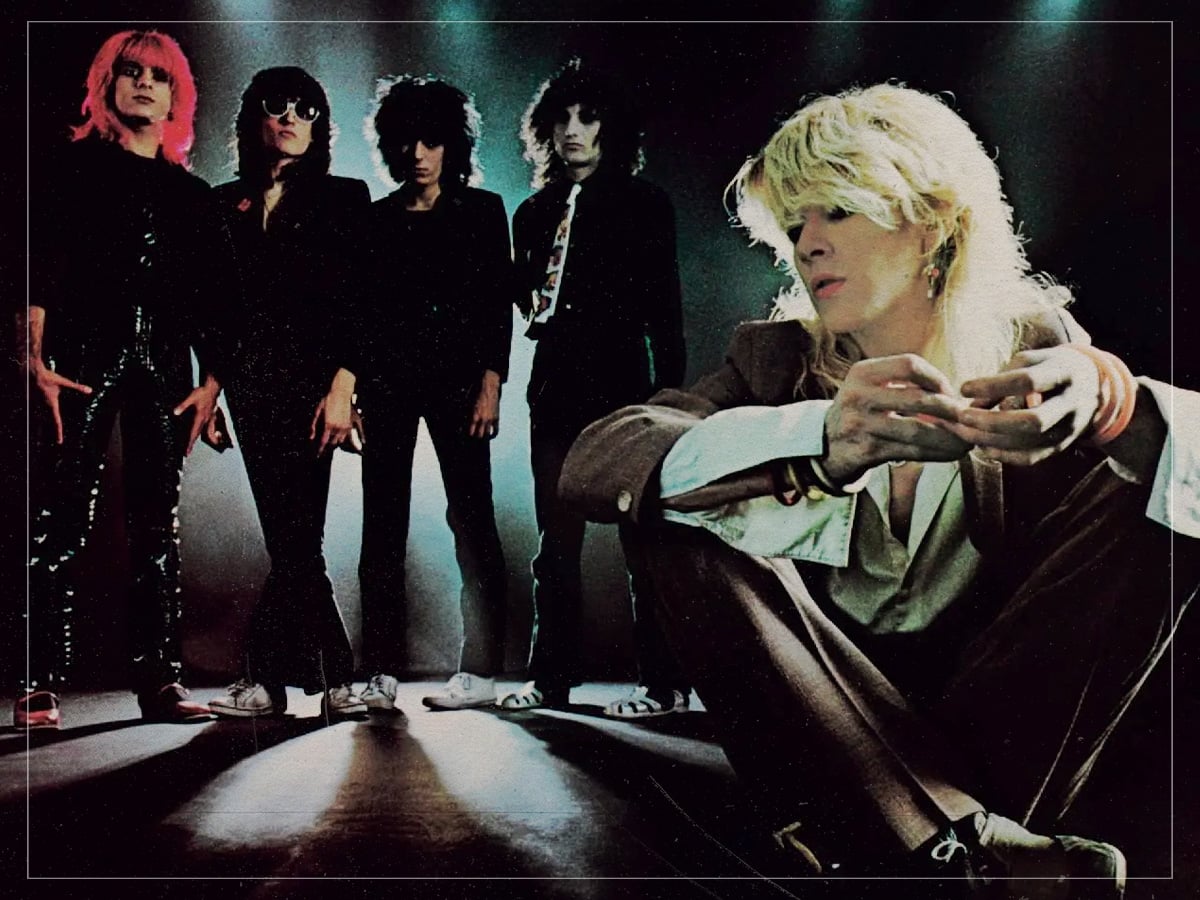
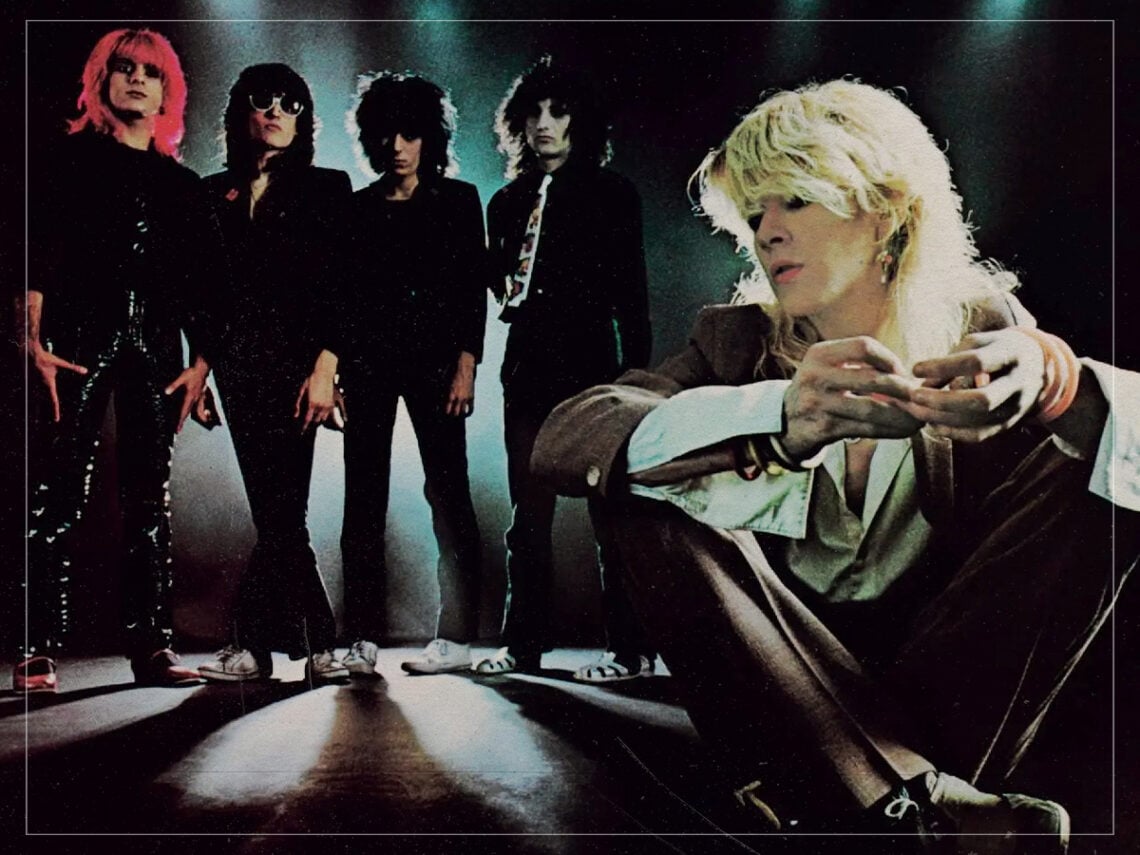
(Credits: Far Out / Album Cover)
Sat 6 December 2025 9:00, UK
They formed in London just a few months ahead of the Sex Pistols and The Clash, but Japan were clearly carrying the torch for a different segment of the 1970s – the fading glam rock glory of David Bowie, Lou Reed, the New York Dolls, and T Rex. Punk was comparatively as foreign to them as, well, Japanese.
Nonetheless, as Japan (the band) were finding their identity and developing a following in the mid-1970s, they didn’t always have much control over the sorts of gigs they booked or the venues they played. Under the management of former T Rex handler Simon Napier-Bell, the goal was mass exposure.
“Simon went the hardcore route of appealing to the worst taste you could imagine and just getting attention,” former Japan drummer Steve Jansen told Prog in 2019. “We were too young to think, ‘Is this the right thing or the wrong thing?’ We were just trying to leave it to him. But we felt it turned the press against us; we spent the years that followed trying to turn around the damage he’d done.”
During this period, Japan did a Beatles-style residency in Hamburg and then, to their own surprise, struck a chord in Japan (the country), connecting them with Japanese artists who would influence their sound going forward.
In the meantime, though, the band was still misunderstood and miscast in its home country for years. There was a fairly disastrous opening slot with Blue Öyster Cult, during which bassist Mick Karn took a brick to the head at one show at St Albans. “I missed a few bars because I was a bit stunned,” he recalled in a 1980 Smash Hits article.
Worse than that, though, was the band’s ill-advised booking as a support act for The Damned, one of the most visceral bands of punk’s first wave. “It was one of the worst environments, because of people spitting and being really crude,” Jansen recalled. “Someone upset Mick [Karn], so he pushed a monitor on top of them, and we needed a police escort to get out of there. I just didn’t like the whole vibe. Just a noise, as Alan Partridge would say.”
Despite repeated efforts by record labels, managers, and the press to contort the band into one trendy category or another, Japan remained true to its core pursuits over their eight year run, ultimately peaking with the commercial success of their final album, 1981’s Tin Drum, which saw them infusing more elements of electronic music and influences from their newly adopted stomping grounds in the Far East. Japan had finally found themselves, and thus, they promptly pulled the plug and went their separate ways.
“I enjoy the struggle much more than the success,” frontman David Sylvian said in 1980. “I enjoy building things; I think if I was successful overall I’d break everything down and start all over again.”
He was a man of his word.
Related Topics
AloJapan.com