
Demand for Combi Ovens in Japan Forecast and Outlook 2025 to 2035
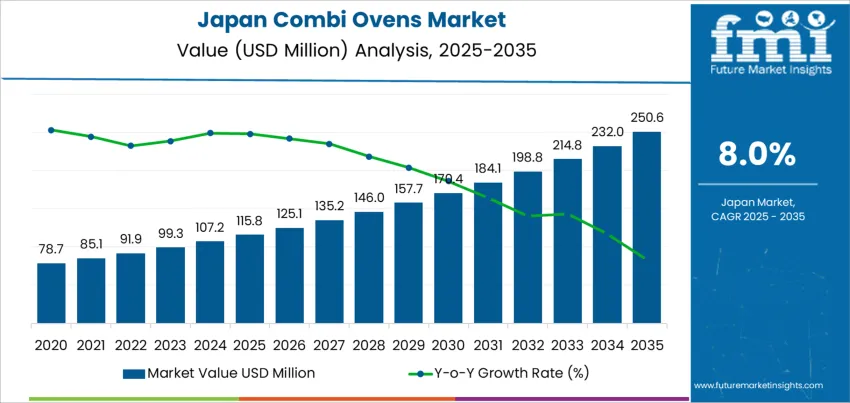
The demand for combi ovens in Japan is expected to grow from USD 115.8 million in 2025 to USD 250.6 million by 2035, reflecting a compound annual growth rate (CAGR) of 8.0%. Combi ovens, which combine the functions of a convection oven, steam oven, and a combination of both, are increasingly sought after in commercial kitchens, particularly in the foodservice, hospitality, and industrial food processing sectors. The ability to cook with moisture, dry heat, or a combination of both, makes combi ovens highly versatile and efficient, leading to their growing adoption across a variety of cooking environments. The increasing emphasis on energy efficiency, space-saving, and precise cooking methods will continue to drive demand for these ovens.
The overall growth in demand for combi ovens will also be supported by innovations in oven technology, such as improved temperature control, faster cooking times, and enhanced energy efficiency. Manufacturers will continue to focus on developing advanced features, such as touch-screen interfaces, self-cleaning systems, and cooking presets for various menu items, to further improve user experience and operational efficiency. With the growing trend towards convenience and precision in food preparation, the demand for combi ovens in Japan’s commercial foodservice sector will continue to rise, ensuring strong industry growth throughout the forecast period.
Quick Stats of the Demand for Combi Ovens in Japan
Demand for Combi Ovens in Japan Value (2025): USD 115.8 million
Demand for Combi Ovens in Japan Forecast Value (2035): USD 250.6 million
Demand for Combi Ovens in Japan Forecast CAGR (2025-2035): 8.0%
Demand for Combi Ovens in Japan Leading Product Type: Steam Generated
Demand for Combi Ovens in Japan Key Growth Regions: Kyushu & Okinawa, Kanto, Kansai, Chubu, Tohoku, Rest of Japan
Demand for Combi Ovens in Japan Top Players: HÜBNER GmbH & Co. KG, Dellner Couplers, Narita Mfg. Co, Jai Dadi Group, KTK Group
What is the Growth Forecast for the Demand for Combi Ovens in Japan through 2035?
From 2025 to 2030, demand for combi ovens is expected to grow from USD 115.8 million to USD 157.7 million, adding USD 41.9 million in value. This growth will be primarily driven by the expansion of Japan’s foodservice industry, including restaurants, hotels, and catering services, where speed, consistency, and versatility are key. As businesses in the hospitality sector focus on improving operational efficiency, the demand for high-performance cooking equipment such as combi ovens will continue to rise. The increasing preference for smart kitchen technology and automated cooking solutions will contribute to the growth of the combi oven industry, as more manufacturers develop smart, connected ovens that offer remote monitoring and cooking optimization.
From 2030 to 2035, the demand for combi ovens will continue to rise from USD 157.7 million to USD 250.6 million, contributing USD 92.9 million in value. The growing demand for high-efficiency, space-saving kitchen appliances in the commercial sector will drive this steady growth. As more businesses look to streamline operations and reduce energy consumption, combi ovens, with their ability to cook quickly and with less energy compared to traditional ovens, will become a preferred option. The increasing focus on food quality and consistency will also contribute to the adoption of combi ovens in high-end restaurants and food production facilities.
Demand for Combi Ovens in Japan Key Takeaways
Metric
Value
Demand for Combi Ovens in Japan Value (2025)
USD 115.8 million
Demand for Combi Ovens in Japan Forecast Value (2035)
USD 250.6 million
Demand for Combi Ovens in Japan Forecast CAGR (2025-2035)
8.0%
Why is the Demand for Combi Ovens in Japan Growing?
The demand for combi ovens in Japan is increasing due to the growing need for efficient and versatile cooking solutions in the foodservice industry. Combi ovens, which combine steam, convection, and a combination of both, are becoming increasingly popular in commercial kitchens for their ability to prepare a wide variety of dishes with enhanced precision and speed. These ovens are particularly valuable in high-volume settings, such as restaurants, hotels, and catering services, where efficiency and consistent quality are critical.
A key driver behind this growth is the rise of the foodservice industry’s emphasis on quality and speed. As customer expectations for high-quality food, faster service, and more varied menu options increase, the need for advanced cooking equipment like combi ovens has surged. These ovens not only reduce cooking times but also improve food consistency, making them an attractive choice for businesses looking to meet growing consumer demands while maintaining operational efficiency.
The trend towards energy-efficient and sustainable cooking practices is contributing to the adoption of combi ovens. As commercial kitchens focus on reducing energy consumption and waste, combi ovens offer a more sustainable solution due to their ability to cook food using less energy and water compared to traditional ovens. As demand for more efficient, high-performance cooking equipment rises, the demand for combi ovens in Japan is expected to grow significantly through 2035.
What is the Segment-Wise Analysis of Demand for Combi Ovens in Japan?
Demand for combi ovens in Japan is segmented by product type, end-use, power, capacity, and region. By product type, demand is divided into steam-generated and boilerless. The demand is also segmented by end-use, including hotels & restaurants, bakery stores, retail outlets, domestic & institutional, and commercial kitchens. In terms of power, demand is spread across gas and electric-powered combi ovens, with both options widely used in the industry. By capacity, demand is divided into low, medium, and heavy, with medium capacity being the most popular. Regionally, demand is distributed across Kyushu & Okinawa, Kanto, Kansai, Chubu, Tohoku, and the rest of Japan.
Why Do Steam-Generated Combi Ovens Lead the Demand in Japan?

Steam-generated combi ovens account for 56% of the demand for combi ovens in Japan, primarily due to their versatility and efficiency in cooking. These ovens use both steam and dry heat, allowing for precise control over the cooking process and ensuring optimal results for a wide variety of dishes. The ability to generate steam is essential for cooking delicate foods, such as fish, vegetables, and baked goods, while the dry heat function is ideal for roasting and grilling. The demand for steam-generated combi ovens is driven by the foodservice industry’s need for equipment that can handle diverse cooking tasks, save space, and reduce energy consumption. Given the high standards for food quality and efficiency in Japan’s hotel and restaurant sector, steam-generated combi ovens are highly favored for their adaptability and superior cooking performance.
Why Do Hotels & Restaurants Lead the Demand for Combi Ovens in Japan?
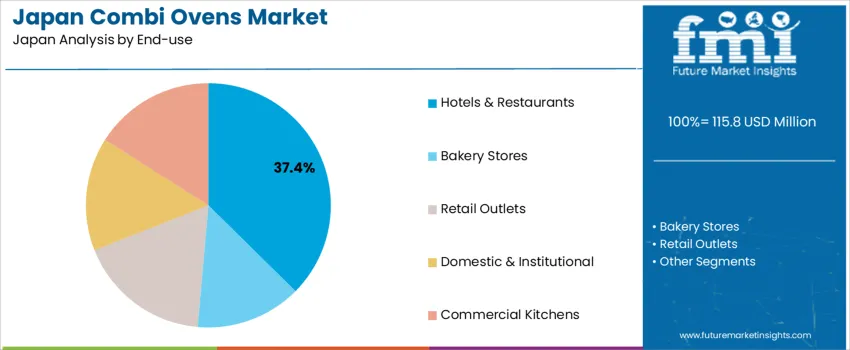
Hotels & restaurants account for 37% of the demand for combi ovens in Japan, driven by the need for high-quality, efficient cooking solutions in the foodservice industry. The versatility of combi ovens, which can handle a variety of cooking methods such as steaming, baking, roasting, and grilling, makes them a valuable asset in professional kitchens. Hotels and restaurants require equipment that can accommodate high volumes of food while maintaining consistent quality, and combi ovens excel at providing both speed and precision. As Japan’s culinary scene continues to thrive, especially in its hospitality and restaurant sectors, the demand for advanced kitchen equipment like combi ovens remains strong. Their ability to meet diverse cooking needs, save space, and reduce cooking times makes combi ovens the preferred choice for commercial kitchens in hotels and restaurants across Japan.
What are the Key Trends, Drivers, and Restraints in Demand for Combi Ovens in Japan?
Combi ovens combine convection, steam, and hybrid cooking modes, allowing versatile cooking (baking, roasting, steaming, reheating) with consistent results, which is valuable in busy commercial kitchens. Rising demand for energy efficient, space saving, and multipurpose cooking equipment supports this trend. Increased adoption of Western style cuisine, baked goods, and ready to eat meals pushes foodservice providers to use reliable, flexible ovens to meet diverse menu requirements. Growth is restrained by high upfront cost of advanced combi ovens and maintenance, which may deter smaller or budget constrained establishments.
Why is Demand for Combi Ovens Growing in Japan?
Demand grows because Japanese restaurants, bakeries, hotels, and institutional kitchens increasingly require efficient and flexible cooking solutions to serve varied menus with quality and speed. As food culture diversifies and Western style dishes, baked goods, and quick service formats become more common, combi ovens offer the ability to prepare multiple types of dishes with a single appliance. Efficiency in operations, consistent cooking quality, and the ability to handle various cooking tasks make combi ovens attractive. The broader growth of the food service industry, rise in dining out and takeout culture, and increasing standards for food hygiene and consistency boost their adoption. Compact, energy efficient models suit urban kitchens where space and energy costs matter.
How are Technological & Industry Innovations Driving Combi Oven Demand in Japan?
Technological advances make modern combi ovens more appealing to Japanese foodservice providers. Newer oven models offer programmable controls, smart cooking presets, better temperature and humidity management, and improved energy efficiency. These innovations help maintain consistent cooking quality and optimize utility usage, important in energy conscious Japan. Compact and space efficient designs suit smaller kitchens common in Japanese urban areas. As kitchen automation and digital kitchen management gain traction, combi ovens become central to modern professional kitchens. The versatility of these ovens helps restaurants and bakeries reduce equipment footprint while supporting varied menus from steamed dishes to baked goods.
What are the Key Challenges and Risks That Could Limit Combi Oven Demand in Japan?
Despite growing interest, demand could be limited by several factors. High initial investment cost and maintenance expenses make advanced combi ovens less accessible for small or low margin establishments. Some kitchens may prefer cheaper traditional ovens or cooking methods to avoid heavy investment. The complexity of using and maintaining combi ovens, including training staff and meeting hygiene standards, may deter adoption. Also, competition from other cooking technologies or simpler ovens could reduce uptake, especially where the full versatility of combi ovens is not needed. Finally, the cost and space constraints in smaller kitchens or rural settings may restrict widespread deployment.
What is the Regional Demand Outlook for Combi Ovens in Japan?
Region
CAGR (%)
Kyushu & Okinawa
10.0%
Kanto
9.2%
Kansai
8.1%
Chubu
7.1%
Tohoku
6.3%
Rest of Japan
5.9%
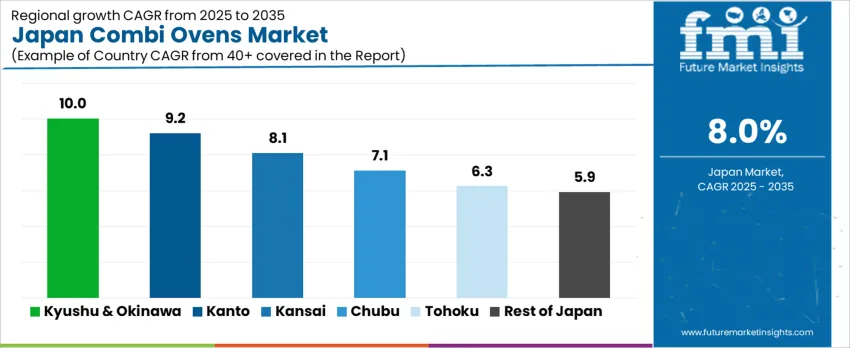
Demand for combi ovens in Japan is growing across all regions, with Kyushu & Okinawa leading at a 10.0% CAGR, driven by tourism and hospitality. Kanto follows with a 9.2% CAGR, supported by its high population density and restaurant sector. Kansai shows an 8.1% CAGR, driven by culinary innovation and sustainable foodservice practices. Chubu has a 7.1% CAGR, supported by industrial growth and energy-efficient kitchen needs. Tohoku and the Rest of Japan see moderate growth at 6.3% and 5.9%, respectively, reflecting regional advancements in foodservice and kitchen infrastructure.
How is Demand for Combi Ovens Growing in Kyushu & Okinawa?
Kyushu & Okinawa leads the demand for combi ovens, growing at a 10.0% CAGR. The region’s expanding hospitality and foodservice industries contribute significantly to this growth. With Okinawa being a key tourist destination, hotels, resorts, and restaurants require multifunctional, high-efficiency kitchen equipment to meet the growing foodservice demand. Combi ovens are ideal for these establishments, as they allow operators to prepare a variety of dishes using a single appliance, saving both space and energy. As local businesses increasingly prioritize sustainability, the demand for energy-efficient and multifunctional cooking solutions continues to rise. Kyushu & Okinawa’s growing urbanization, combined with the focus on modernizing kitchens to cater to diverse and health-conscious menus, ensures that the demand for combi ovens will remain strong in the region.
Why is Demand for Combi Ovens Rising in Kanto?
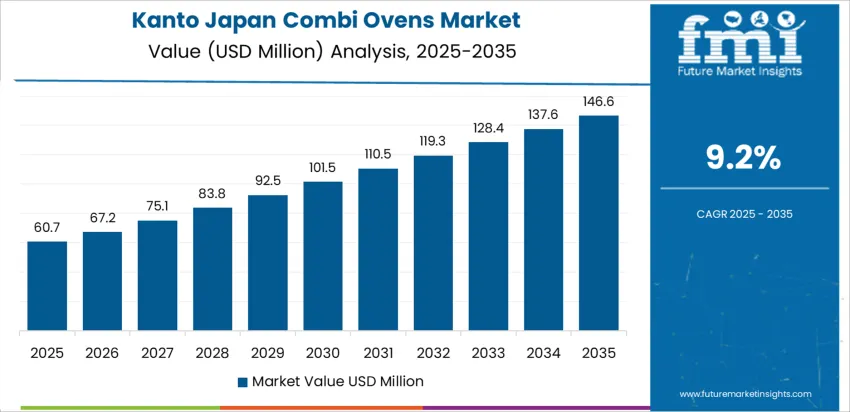
Kanto is experiencing strong demand for combi ovens, with a 9.2% CAGR. The region’s large urban population, particularly in Tokyo, drives the need for versatile and efficient kitchen equipment. The foodservice industry in Kanto, especially in restaurants, cafés, and quick-service outlets, requires equipment that can handle diverse cooking methods in a compact space. Combi ovens offer space-saving solutions while delivering high-quality food with speed and efficiency, making them a preferred choice. The growing trend toward healthier, sustainable food options has increased the demand for ovens capable of multi-functional cooking techniques. The continuous demand for restaurant modernization, along with rising labor costs, further boosts the adoption of combi ovens in Kanto. As Kanto remains a hub for culinary innovation and high foodservice standards, demand for these appliances is expected to grow steadily.
How is Demand for Combi Ovens Expanding in Kansai?
Kansai shows steady demand for combi ovens, with an 8.1% CAGR. The region’s rich culinary heritage and large foodservice sector, particularly in Osaka and Kyoto, create a strong industry for kitchen equipment that combines efficiency and versatility. As Kansai’s foodservice industry continues to innovate, especially with a focus on fusion cuisine and health-conscious dining, the need for multifunctional cooking equipment like combi ovens grows. These ovens allow chefs to prepare a wide variety of dishes with consistent quality, making them a popular choice in the region. Kansai’s increasing focus on sustainability, coupled with a growing number of establishments embracing energy-efficient technologies, drives the adoption of combi ovens. The region’s tourism sector further contributes to the demand, as hotels and restaurants require equipment that can handle large volumes and diverse menus while maintaining high standards.
Why is Demand for Combi Ovens Growing in Chubu?
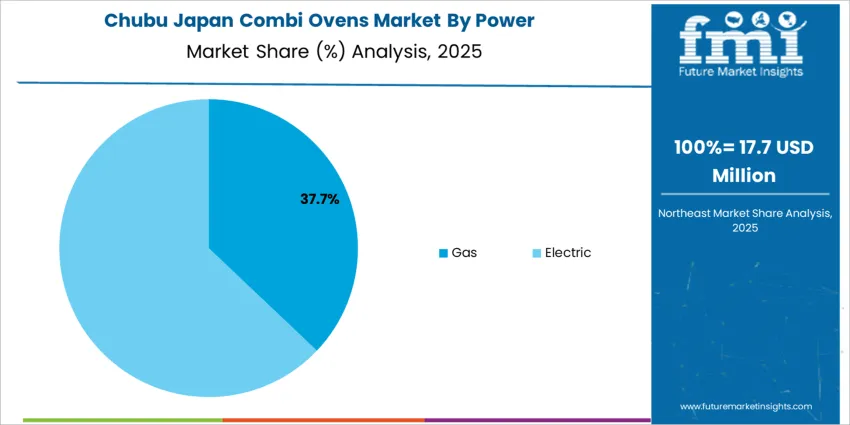
Chubu is experiencing steady demand for combi ovens, growing at a 7.1% CAGR. The region’s industrial strength, particularly in Nagoya, has led to the growth of the foodservice sector, where combi ovens are in high demand. These versatile ovens are ideal for large-scale production, allowing hotels, restaurants, and corporate cafeterias to streamline operations while maintaining food quality. The growing interest in energy-efficient, multifunctional kitchen solutions supports this trend, as businesses seek to reduce energy costs and improve operational efficiency. Chubu’s foodservice operators, particularly in industrial and commercial settings, increasingly choose combi ovens for their ability to cook, bake, steam, and roast in a single unit, saving both space and time. As the region continues to expand its foodservice infrastructure, demand for combi ovens is expected to grow steadily.
How is Demand for Combi Ovens Expanding in Tohoku?
Tohoku is seeing moderate demand for combi ovens, with a 6.3% CAGR. While the industry for combi ovens in Tohoku is smaller compared to major urban centers, there is steady growth driven by regional modernization and rising demand in the hospitality sector. As local businesses upgrade their kitchens to cater to a growing number of tourists and locals seeking better dining experiences, the adoption of combi ovens increases. These ovens are particularly valued in smaller establishments, including inns and restaurants, for their versatility and space-saving features. Tohoku’s foodservice industry is gradually embracing modern cooking technologies, with a rising emphasis on efficiency, energy savings, and the ability to prepare a variety of dishes. As the region’s infrastructure continues to improve and consumer dining preferences evolve, demand for combi ovens will continue to rise steadily.
Why is Demand for Combi Ovens Steady in the Rest of Japan?
The Rest of Japan is experiencing steady demand for combi ovens, with a 5.9% CAGR. While the demand is lower than in urban regions, smaller cities and rural areas are gradually embracing these modern cooking solutions. Combi ovens are becoming popular in local hotels, inns, and restaurants that need flexible cooking equipment but have limited kitchen space. These ovens are ideal for foodservice operators looking for ways to streamline operations while maintaining food quality. As rural areas modernize their foodservice operations and upgrade kitchen equipment to meet growing consumer expectations, the demand for combi ovens steadily increases. The Rest of Japan’s increasing focus on energy-efficient appliances, combined with the rise in local tourism and foodservice, contributes to the steady adoption of combi ovens in these regions.
What is Driving the Demand for Combi Ovens in Japan and Who Are the Key Players Shaping the Industry?
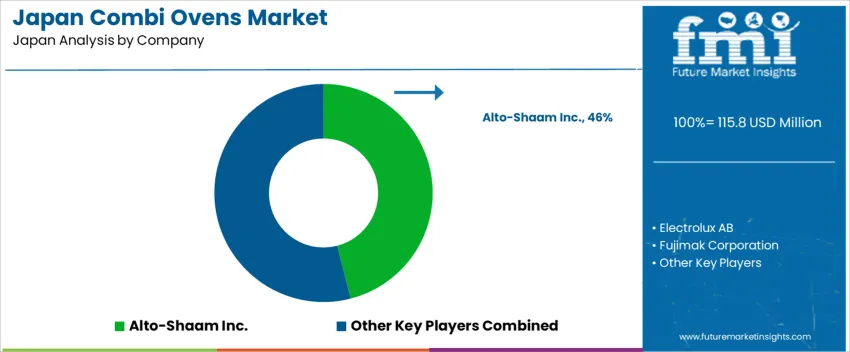
The demand for combi ovens in Japan is increasing due to the growing trend in the foodservice and hospitality industries for versatile, energy-efficient cooking equipment that offers high-quality results. Combi ovens combine multiple cooking methods-such as convection, steam, and combination cooking in a single unit, allowing operators to prepare a wide range of dishes with greater efficiency. In Japan, where precision and high culinary standards are essential, combi ovens are gaining popularity for their ability to produce consistent and high-quality food. The increasing demand for energy-efficient and space-saving equipment in commercial kitchens is further driving the adoption of combi ovens, as they help businesses optimize kitchen space and reduce energy consumption.
Key players shaping the combi ovens industry in Japan include Alto-Shaam Inc., Electrolux AB, Fujimak Corporation, Giorik SpA, and The Middleby Corporation. Alto-Shaam Inc. leads the industry with a significant share of 46.0%, thanks to its reputation for high-quality, reliable, and innovative cooking solutions. These companies provide advanced combi ovens that meet the needs of Japan’s diverse foodservice sector, offering flexibility, speed, and ease of use. They also focus on energy efficiency and the integration of smart technologies that allow for better control and monitoring of cooking processes, making them essential players in the industry.
The growth of the combi oven industry in Japan is supported by the expanding foodservice industry, driven by increased demand for high-quality prepared meals in restaurants, hotels, and catering services. As Japanese culinary traditions evolve and the focus on innovation in food preparation intensifies, combi ovens will continue to play a critical role in shaping the future of commercial kitchens. With the ongoing push for more efficient, space-saving, and versatile equipment, the demand for combi ovens is expected to continue to grow.
Key Players in Japan Combi Ovens Demand
HÜBNER GmbH & Co. KG
Dellner Couplers
Narita Mfg. Co
Jai Dadi Group
KTK Group
Scope of Report
Items
Values
Quantitative Units (2025)
USD million
Product Type
Steam Generated, Boilerless
Power
Gas, Electric
Capacity
Low, Medium, Heavy
End-use
Hotels & Restaurants, Bakery Stores, Retail Outlets, Domestic & Institutional, Commercial Kitchens
Region
Kyushu & Okinawa, Kanto, Kansai, Chubu, Tohoku, Rest of Japan
Countries Covered
Japan
Key Companies Profiled
HÜBNER GmbH & Co. KG, Dellner Couplers, Narita Mfg. Co, Jai Dadi Group, KTK Group
Additional Attributes
Dollar sales by product type and power source; regional CAGR and growth outlook; trends in oven capacity preference; growth of commercial kitchen demand; innovations in energy-efficient combi ovens.
Japan Combi Ovens Demand by Key Segments Product Type
Steam Generated
Boilerless
Power
Capacity
End-use
Hotels & Restaurants
Bakery Stores
Retail Outlets
Domestic & Institutional
Commercial Kitchens
Region
Kyushu & Okinawa
Kanto
Kansai
Chubu
Tohoku
Rest of Japan
Frequently Asked Questions
How big is the demand for combi ovens in Japan in 2025?
The demand for combi ovens in Japan is estimated to be valued at USD 115.8 million in 2025.
What will be the size of combi ovens in Japan in 2035?
The market size for the combi ovens in Japan is projected to reach USD 250.6 million by 2035.
How much will be the demand for combi ovens in Japan growth between 2025 and 2035?
The demand for combi ovens in Japan is expected to grow at a 8.0% CAGR between 2025 and 2035.
What are the key product types in the combi ovens in Japan?
The key product types in combi ovens in Japan are steam generated and boilerless.
Which power segment is expected to contribute significant share in the combi ovens in Japan in 2025?
In terms of power, gas segment is expected to command 36.0% share in the combi ovens in Japan in 2025.
AloJapan.com