
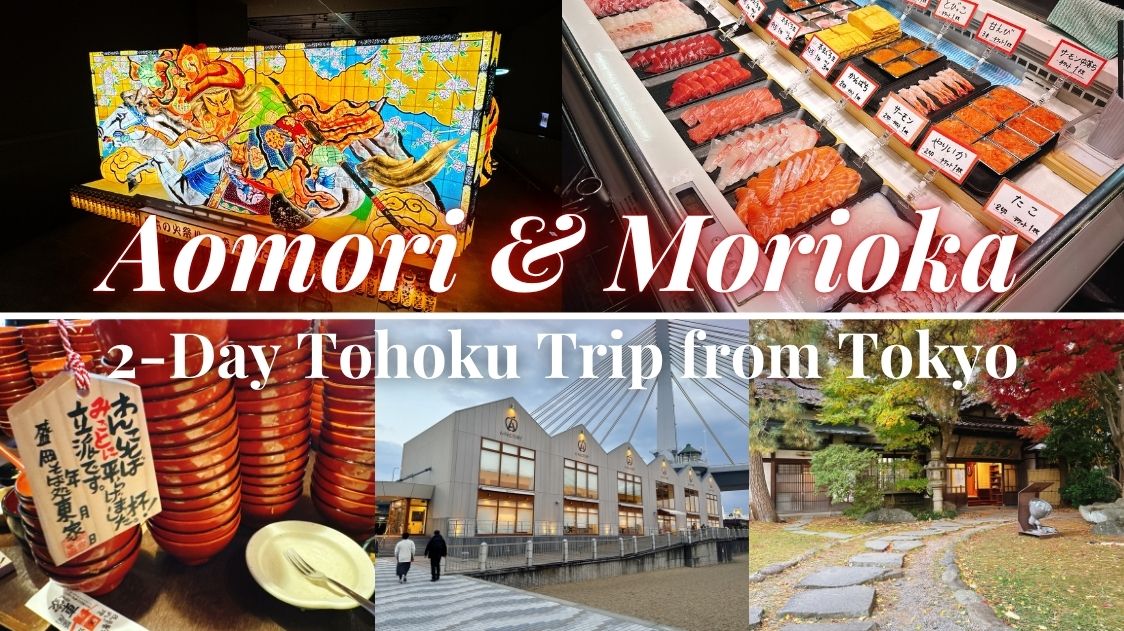
This time, I took a two-day trip from Tokyo to Aomori and Morioka, two major cities located in the northernmost part of the Tohoku region. I traveled by Shinkansen and chose the highest class of seating, the luxurious GranClass, so I would like to share that experience with you as well.
For many first-time visitors to Japan, Tohoku is not usually the first destination that comes to mind. Yet it is a true hidden gem filled with uniquely Japanese charm, all without the usual crowds. In recent years, the region has started to attract more seasoned and trend-sensitive travelers who want to explore beyond the typical routes.
The itinerary I followed, and the one I will introduce here, focuses mainly on sightseeing around the Shinkansen stations. This makes the trip incredibly easy to navigate, allowing anyone to enjoy the journey without complicated planning or long transfers.
About getting around:
Transportation is simple. Taking taxis for short hops keeps both travel time and cost relatively low. Many spots can also be reached on foot or by local buses if needed. For the purposes of this itinerary, there is no need to rent a car.
Day 1: Aomori Itinerary
8:37 AM – Departing Tokyo Station for Shin-Aomori
The journey begins at Tokyo Station, where I boarded the Shinkansen bound for Shin-Aomori. Passengers traveling in GranClass have access to a special space inside the station called the View Gold Lounge (ビューゴールドラウンジ). In the middle of the always-crowded Tokyo Station, this lounge offers a calm, refreshing environment with comfortable seating options and complimentary drinks, giving you a moment to breathe before boarding.
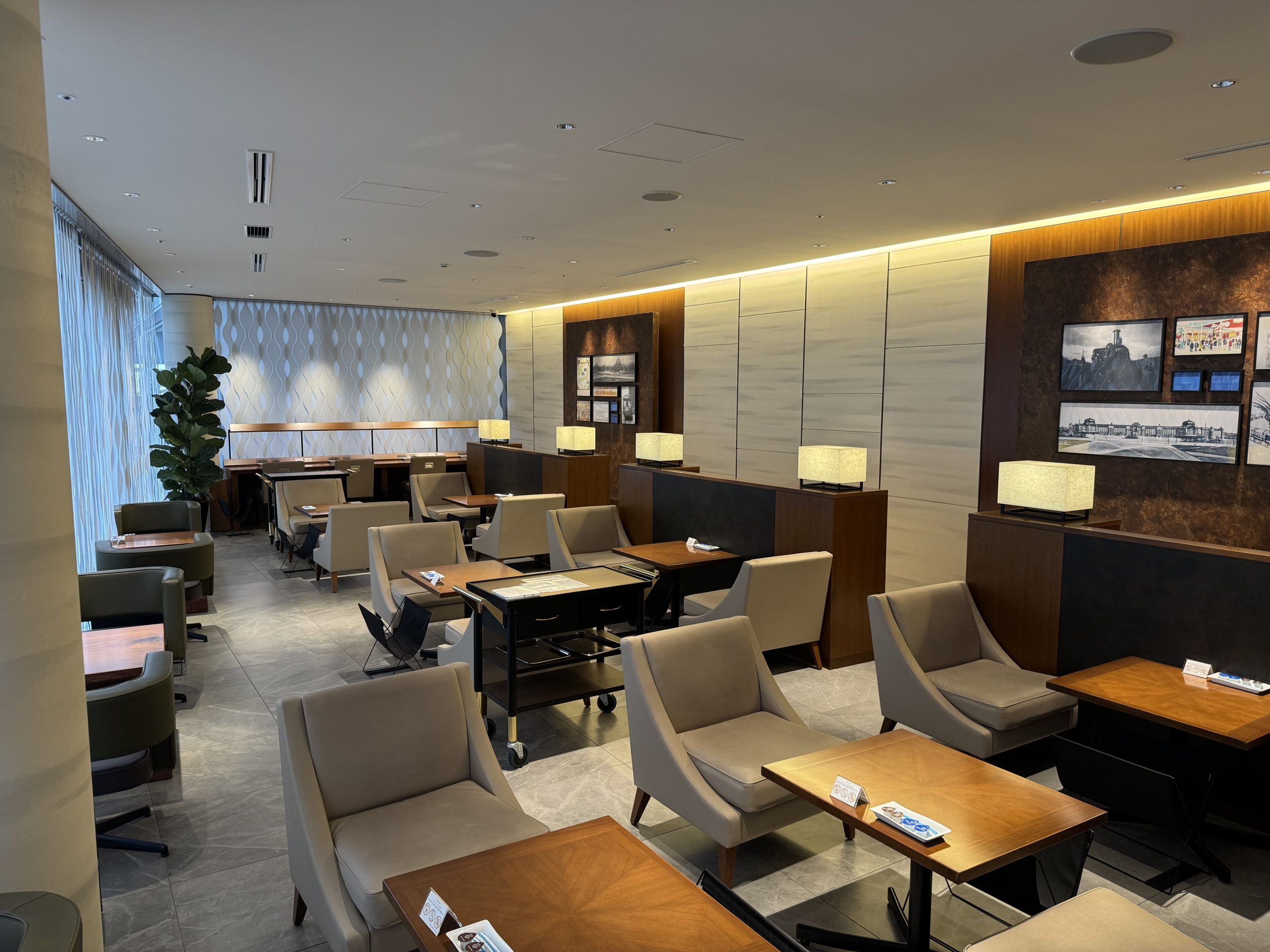 The View Gold Lounge in Tokyo Station
I took the 8:37 AM Hayabusa, part of the Tohoku Shinkansen line. The ride to Shin-Aomori takes a little over three hours.
GranClass features just 18 seats, and stepping into the cabin, the spaciousness is immediately noticeable. While standard cars have around 100 seats, GranClass is designed for a much more exclusive experience. Sitting in the oversized seat feels almost like being in a first-class cabin on a long-haul flight.
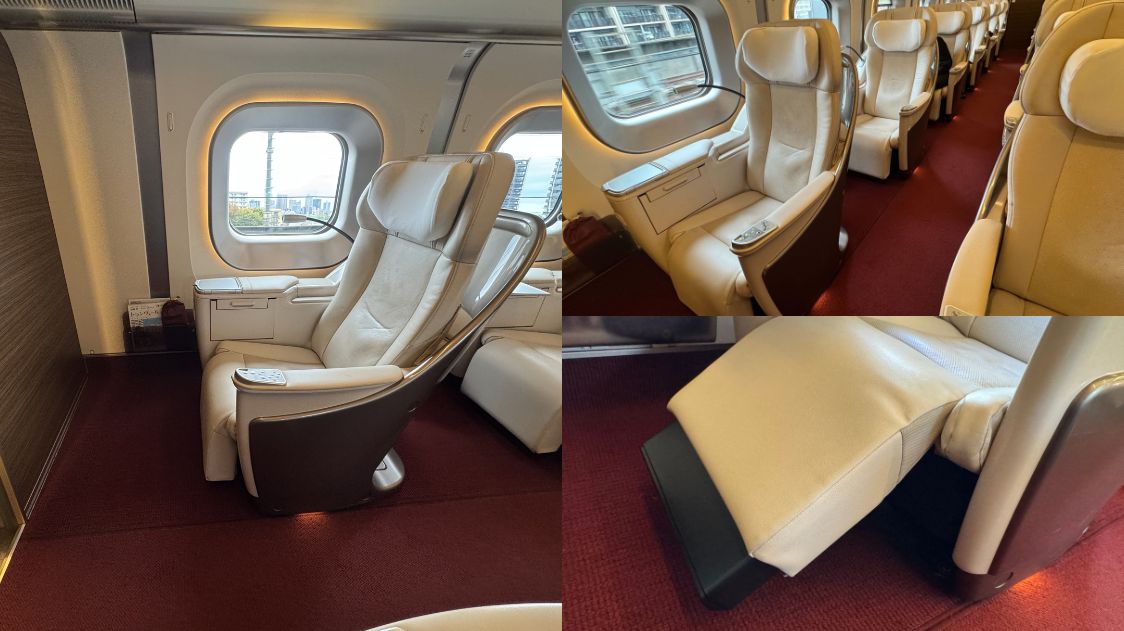 The GranClass seat was truly exceptional. I was particularly impressed by the amount of legroom and the two-way adjustable footrest.
The ergonomically designed seats have wide armrests, generous legroom, and a reclining system that can be adjusted in three separate sections. Even the footrest can be fine-tuned to your preferred length. Once you lean back, it is the kind of comfort that makes you want to fall asleep. Yet the ride itself feels too special to simply sleep through.
A dedicated attendant is assigned exclusively to the GranClass cabin, serving light meals and drinks throughout the journey. You can choose between a Western-style or Japanese-style meal, each thoughtfully prepared with seasonal ingredients that highlight the region the train is traveling through. The drink selection ranges from sake and wine to a variety of soft drinks.
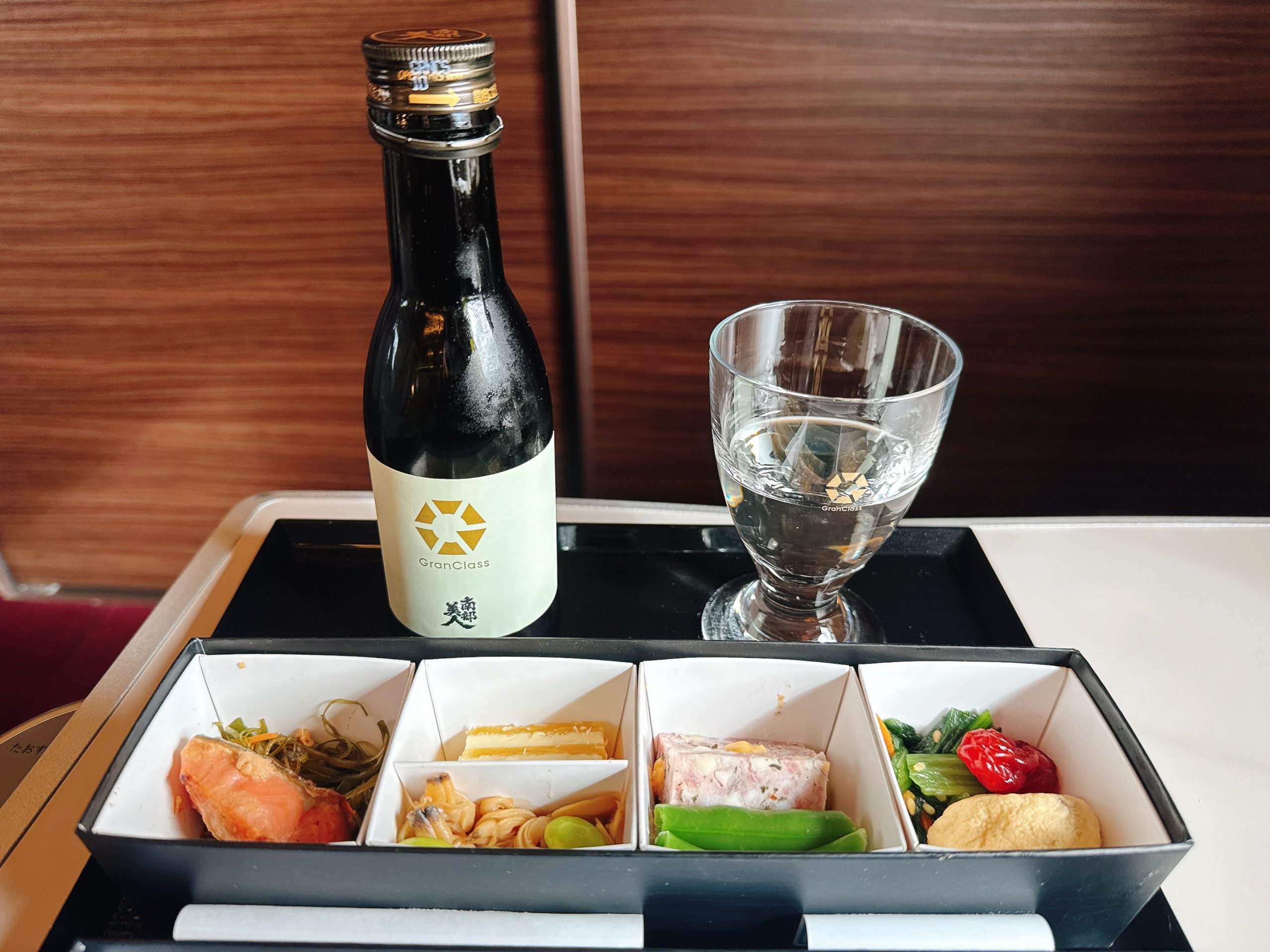 The combination of the GranClass Japanese light meal and the sake “Nanbu Bijin” was absolutely perfect.
I chose the Japanese meal, and it paired perfectly with the sake offered on this route—Nanbu Bijin, a renowned label from Iwate, which happened to be one of my destinations on this trip. I highly recommend this combination.
As I enjoyed the meal, sipped my drink, and gazed out the window at the passing scenery, three hours went by in an instant. I never once felt that the journey was long or tiring. Arriving at a destination three hours away without any sense of fatigue was genuinely surprising to me.
<>
The answer depends on your travel style. But if you are the kind of traveler who doesn’t mind paying an additional fee to turn a long Shinkansen ride into a special experience, then GranClass is without a doubt worth considering. For me, the added value felt more than sufficient. The quiet cabin, the spacious seat, the meal and drink service, and the reassuring presence of a dedicated attendant.
It is worth noting that depending on the Shinkansen model, some GranClass cars do not include meal or attendant service. I have summarized these details in this separate article for your reference: Shinkansen GranClass Guide: Is It Worth It? Routes, Prices, Services & Real Reviews.
11:51 AM – Arriving at Shin-Aomori Station and Heading to Lunch
12:30 PM – Create Your Own Seafood Bowl at Furukawa Fish Market
After arriving at Shin-Aomori Station (新青森駅), I headed straight to Furukawa Fish Market (青森魚菜センター) for lunch. It takes a little over 10 minutes by taxi, or you can take a local train to Aomori Station and walk from there, which in total takes less than 15 minutes.
Aomori is famous for its seafood, but enjoying fresh fish doesn’t always mean eating sushi.
Furukawa Fish Market is known for its Nokke Don, a build-your-own seafood rice bowl. Here, you choose your favorite toppings and create a completely original bowl filled with whatever you like.
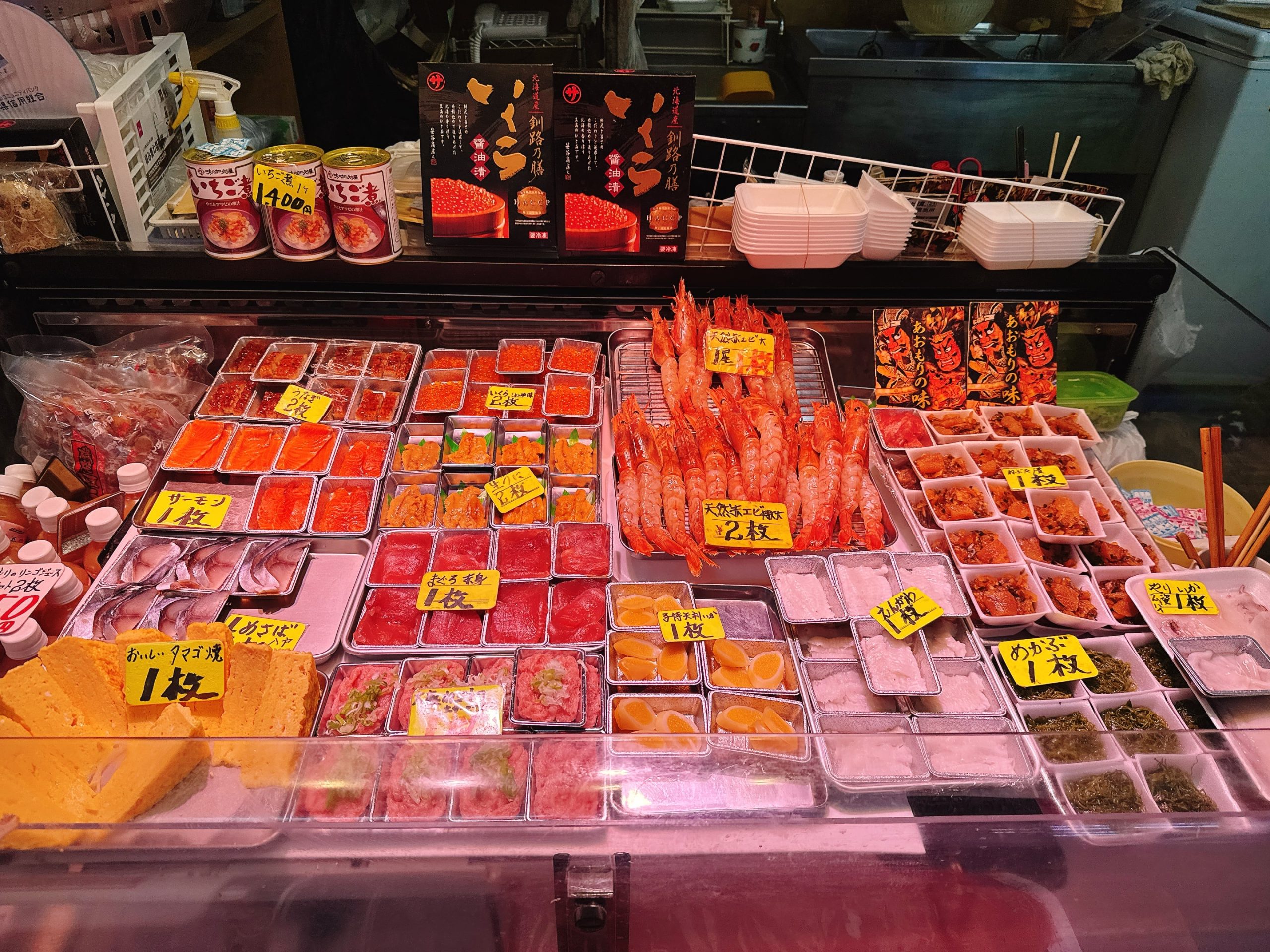 As you can see, the fresh ingredients are beautifully displayed right in front of each shop.
You begin by purchasing a set of 12 food tickets for 2,200 yen. After receiving your bowl and rice, you walk through the energetic market area where more than 20 vendors offer fresh seafood. Most toppings cost one ticket, though premium items may require two or three. From popular choices like tuna and shrimp to luxury ingredients such as sea urchin and nodoguro, the selection is incredibly diverse.
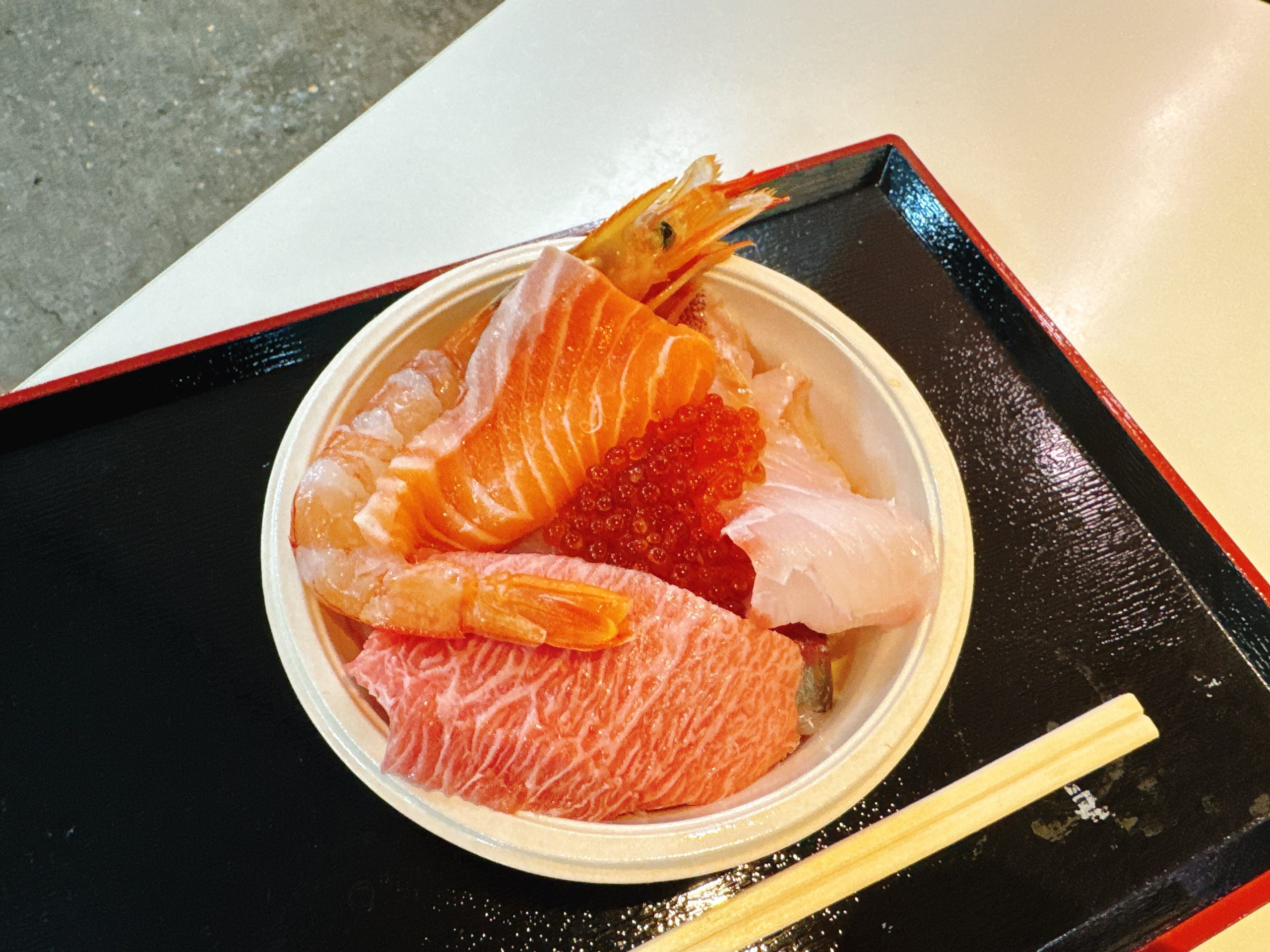 I selected the most premium seafood available to create my perfect Nokke Don.
The experience of assembling your own seafood bowl with such fresh ingredients, following this unique process, is truly one of a kind.
2:00 PM – Explore the Ancient World at the Sannai Maruyama Site
After lunch, I visited one of Aomori’s most significant cultural sites: the Sannai Maruyama Site (三内丸山遺跡).
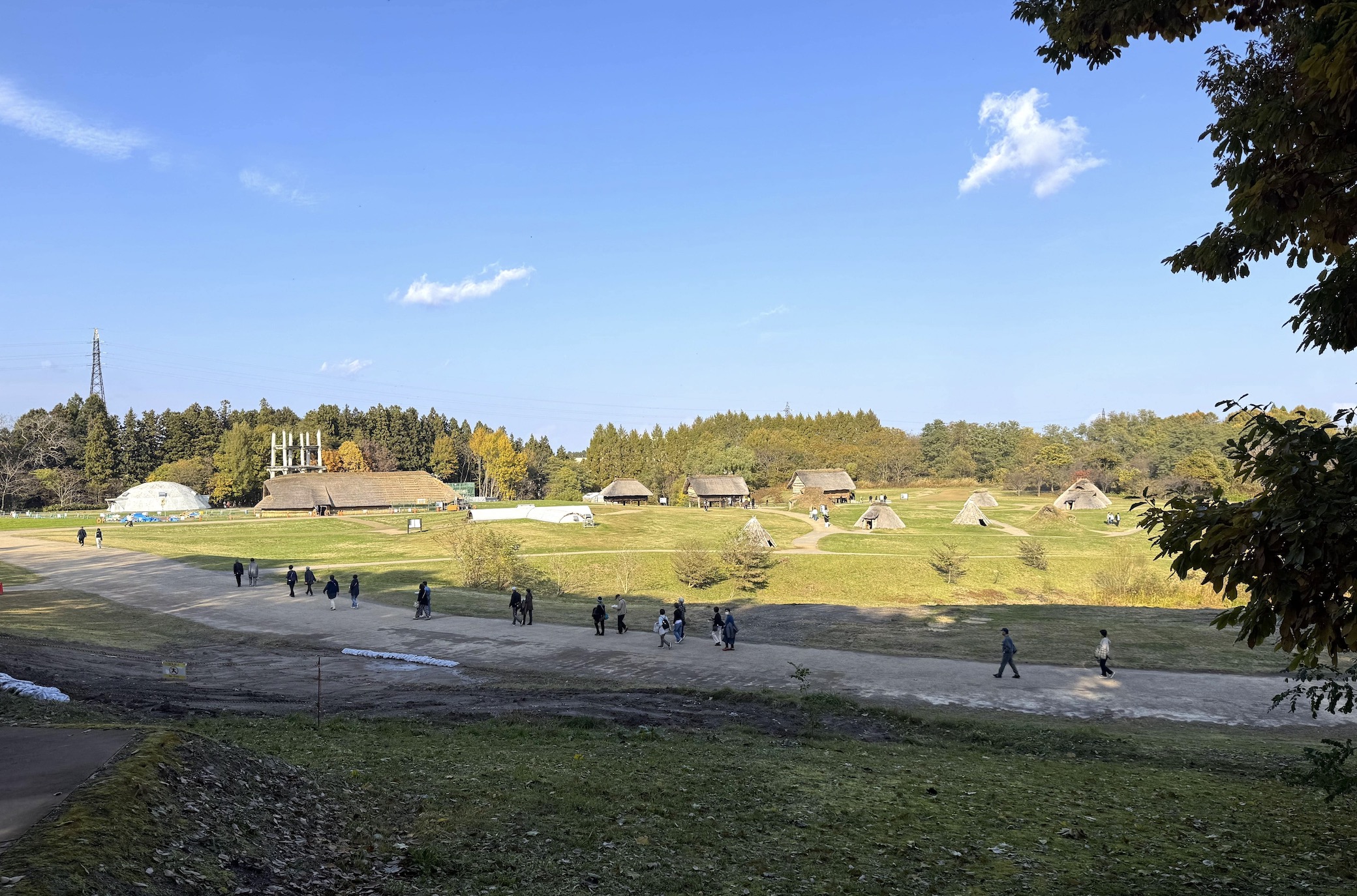 The site is designed to recreate what the actual settlement would have looked like at the time.
Sannai Maruyama is a large-scale archaeological site where traces of everyday life from the Jomon period—stretching back more than 10,000 years—were uncovered. The site reveals approximately 1,700 years of settlement history from the early to middle Jomon period.
Several pit dwellings and raised-floor structures have been reconstructed directly on the areas where they were originally discovered, and the scale is truly impressive. Beyond simply seeing the structures, you can step inside and feel the atmosphere of how people lived thousands of years ago. Artifacts such as pottery, jade, and amber found at the site also offer clues about the environment and culture of the time, which I found fascinating.
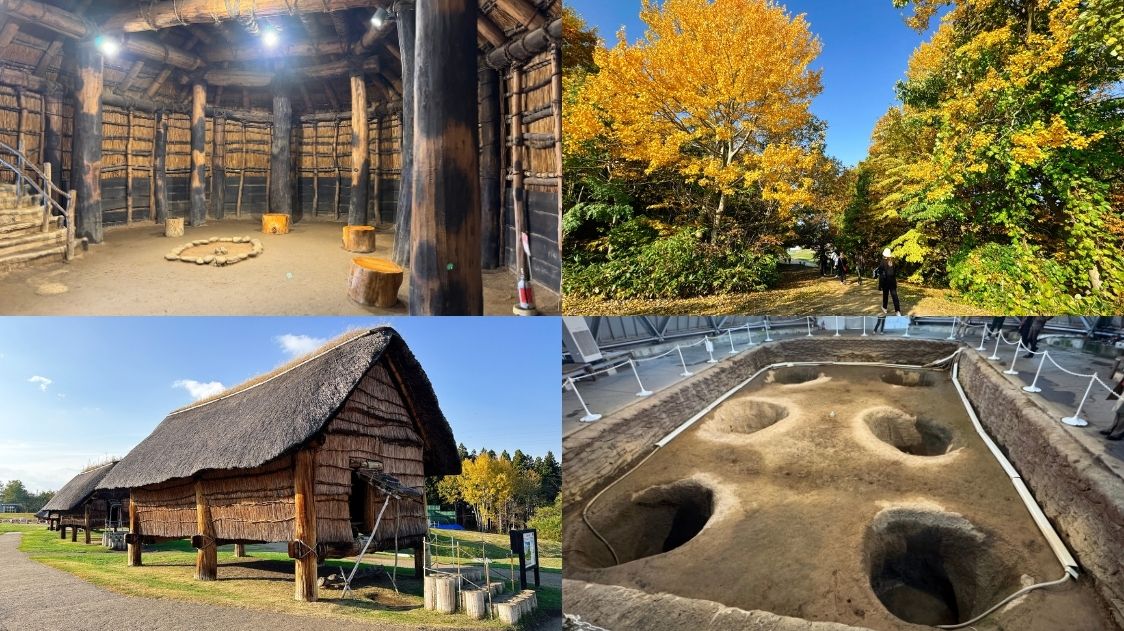 The leaves had just turned a golden color for the autumn season.
What intrigued me the most was a large pillar-supported structure that resembles a watchtower. Its exact purpose remains unknown, but the symmetry and consistency of its construction demonstrate that some form of standardized measurement existed even in that era. Standing before the massive post holes where the original pillars once stood gave me a strange yet inspiring sense of connection between the distant past and the present.
There is also an indoor museum and a souvenir shop on-site.
3:30 PM – Experience Aomori’s Iconic Nebuta Culture at Wa Rasse
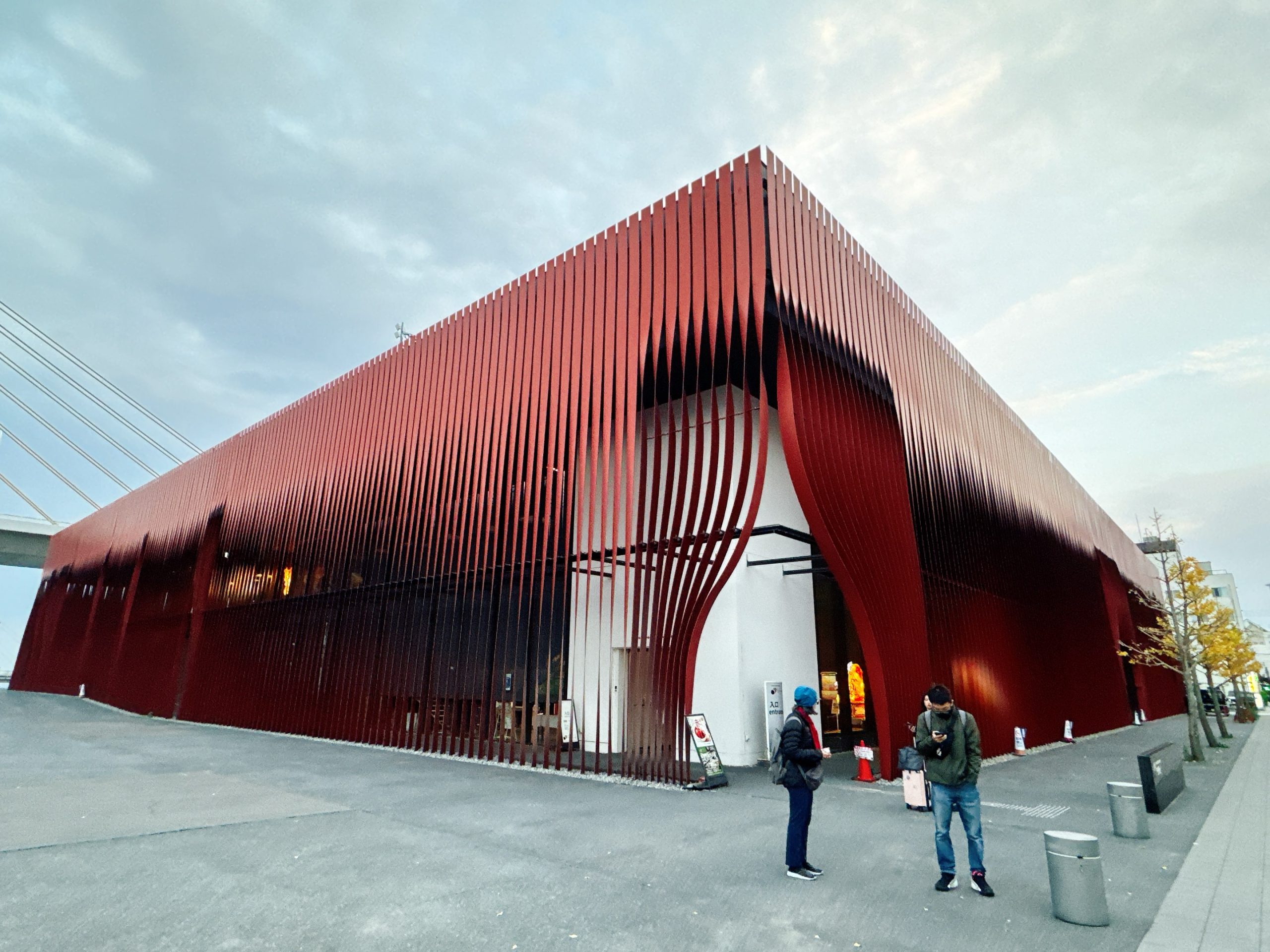 The exterior of the building features a very unique design.
Next, I visited one of the major sightseeing highlights in central Aomori: the Nebuta Museum Wa Rasse (ねぶたの家 ワ・ラッセ). When people think of Aomori, one of the first images that comes to mind is the Nebuta Festival, held every August and attracting more than one million participants each year. At this museum, you can see the massive illuminated floats, nebuta, even outside of festival season.
Although the festival takes place for less than a week in early August, new nebuta are crafted throughout the entire year. After the festival ends, a select few of these remarkable floats are put on display in the museum, while the others are dismantled.
Nebuta floats are inspired by mythology and historical stories, constructed by layering tens of thousands of small, shoji-like paper panels over intricately shaped frames. Even as a Japanese person, I found their designs incredibly unique, and seeing them up close was truly overwhelming.
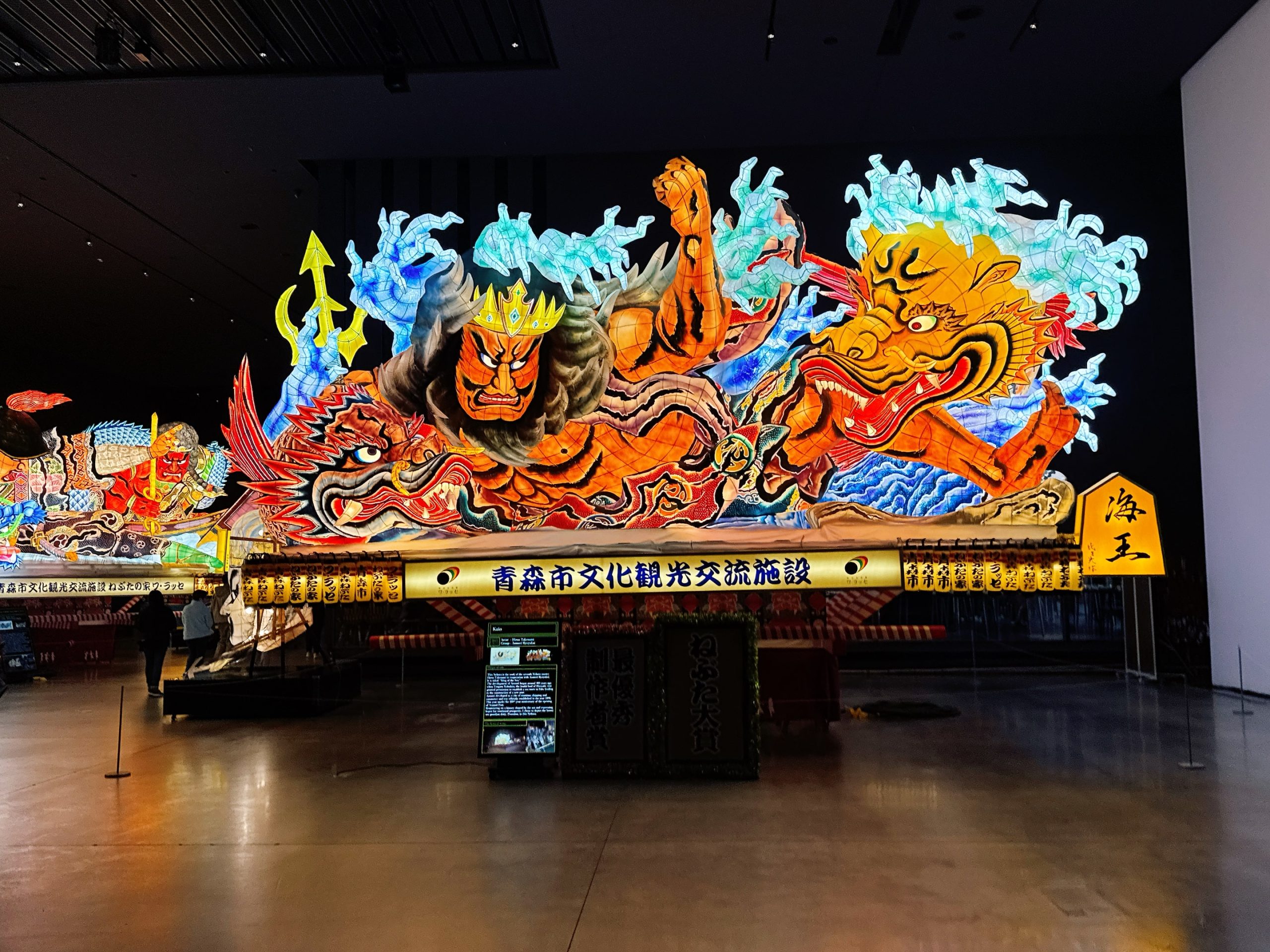 This was awarded Best Nebuta of 2025.
If you visit Japan in early August, I highly recommend experiencing the Nebuta Festival in person. But even at Nebuta Museum Wa Rasse, you can fully appreciate the energy and atmosphere of this iconic event.
4:30 PM – Enjoy Aomori’s Waterfront Flavors and Local Shopping at A-FACTORY
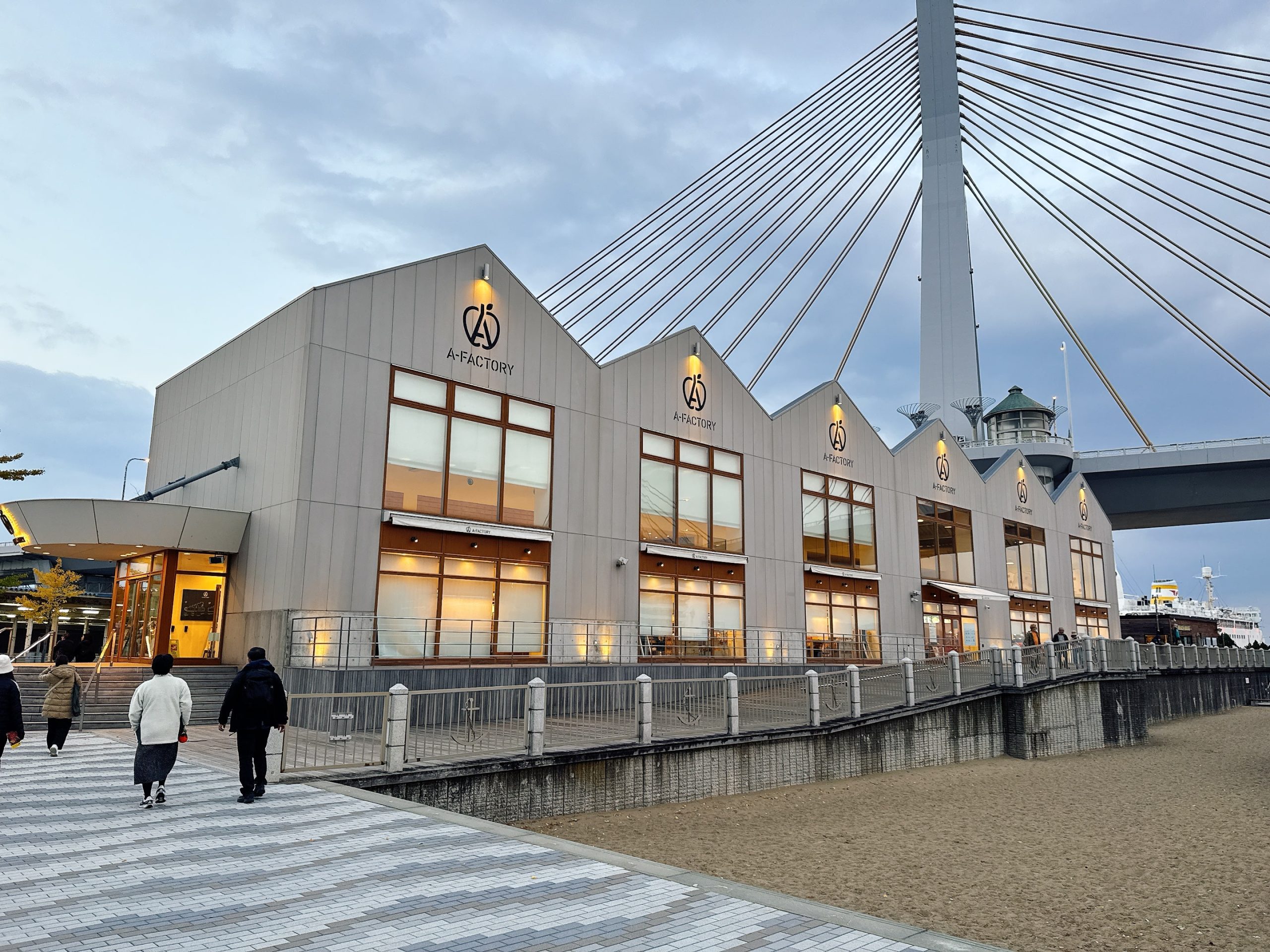 Inside this stylish building, you’ll find souvenir shops and a café.
Just a short walk from the Nebuta Museum Wa Rasse is A-FACTORY, a market-style complex that combines local shops with a casual food court. Set along the waterfront, it is a great place to enjoy Aomori-made snacks and pick up locally sourced souvenirs.
Here you can find cider made directly from Aomori’s famous apples, produced right inside the facility. The market also carries a wide variety of apple-related products and other regional specialties. I stopped by the cafe shop Skip Egg and tried their apple pie and juice, which turned out to be exceptional.
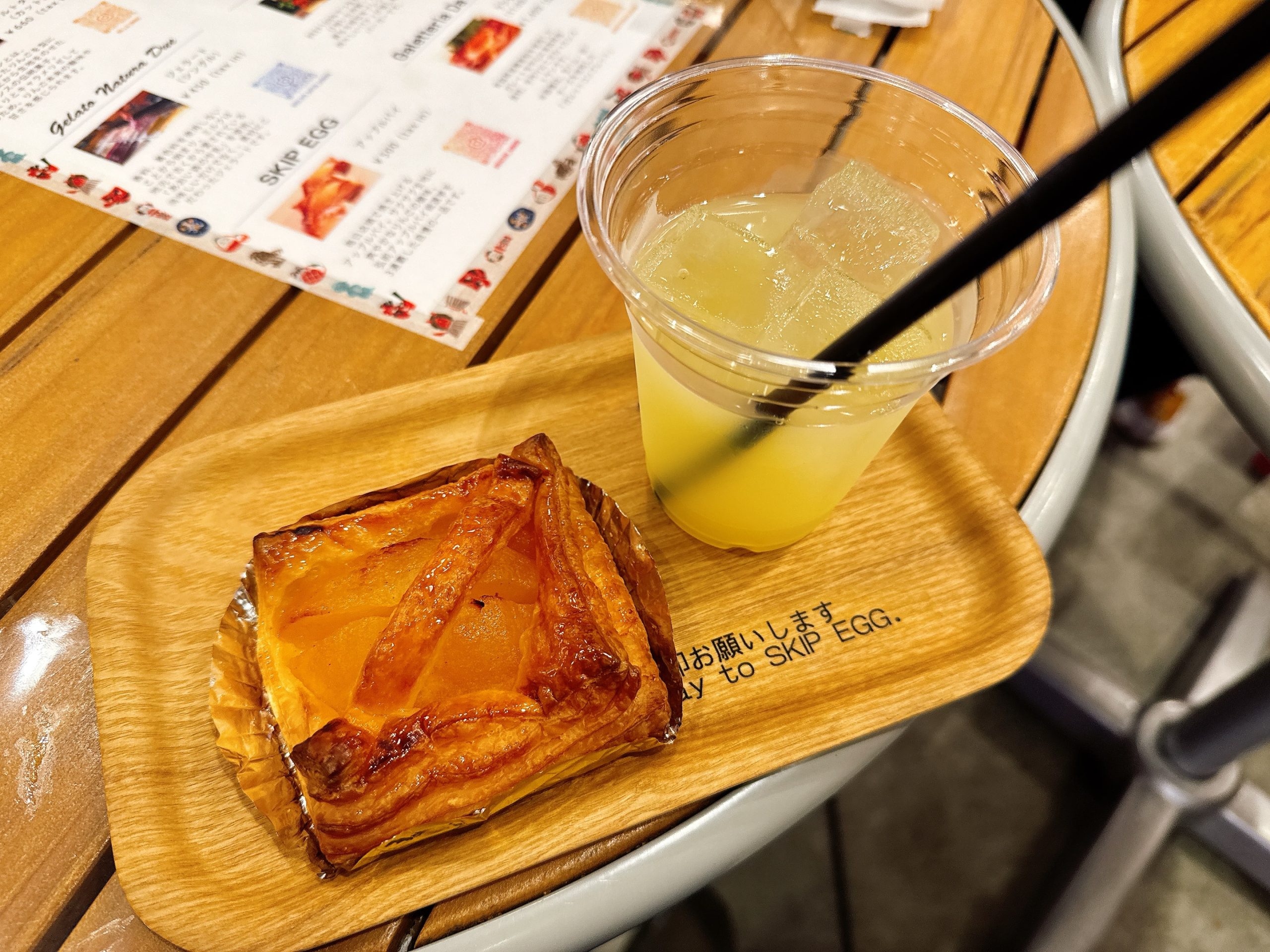 Skip Egg’s apple pie and juice
For souvenirs, I ended up buying plenty of apple-based treats, including apple pies and dried fruits. Visitors from overseas can also take advantage of tax-free shopping at this market.
6:00 PM – Hotel Check-In
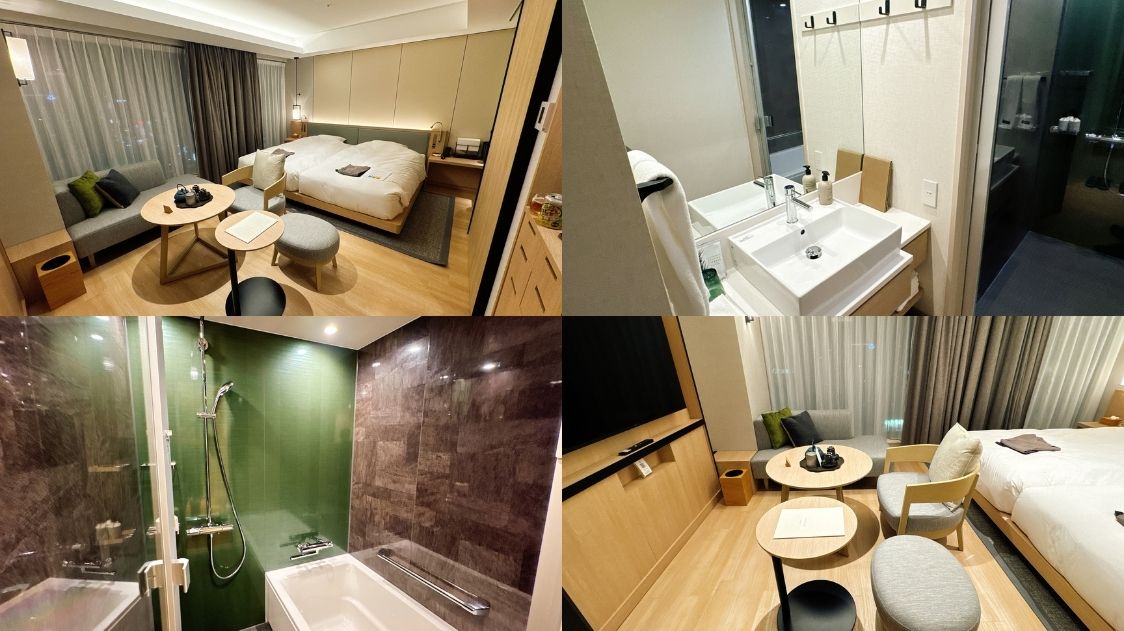 This is the actual room I stayed in at ReLabo MedicalSpa & Stay.
For this trip, I stayed at ReLabo MedicalSpa & Stay, located just a few minutes’ walk from both the Nebuta Museum Wa Rasse and A-FACTORY, right along the same bayfront area. The hotel is directly connected to Aomori Station, making access extremely convenient. It opened in July 2024, so the facilities are new, and the service felt polished and attentive.
What makes this hotel particularly unique is its strong focus on wellness. The property includes a clinic offering wellness counseling by medical professionals, as well as a fitness gym, yoga studio, spa, and onsen hot spring facilities.
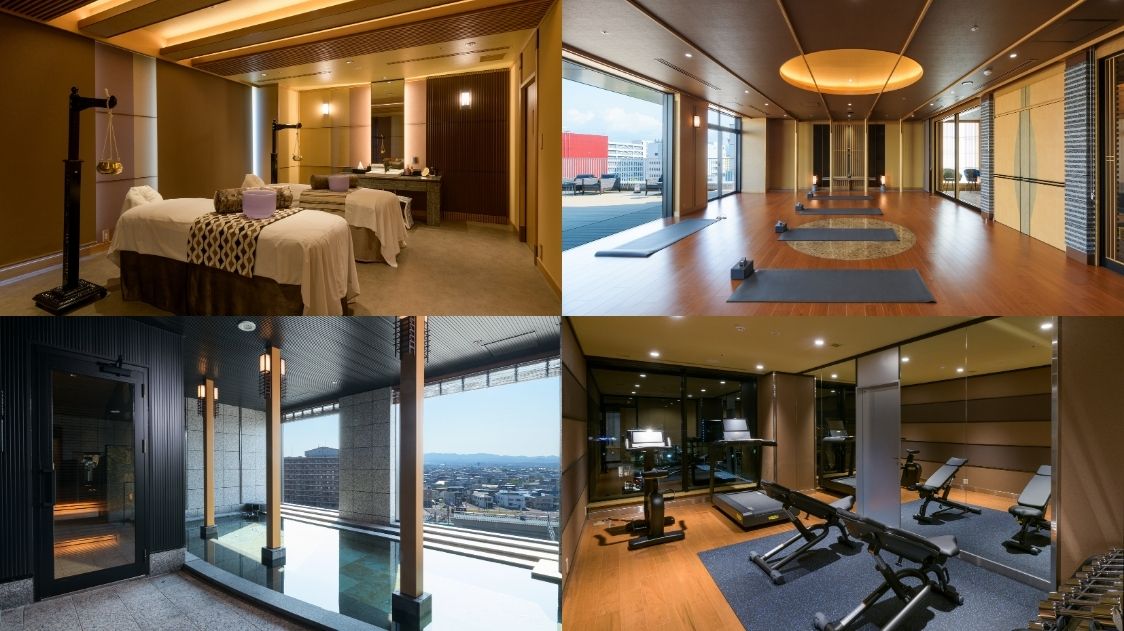 The wellness facilities were exceptionally well-equipped.
Some guests even stay four or five nights to focus on improving both physical and mental well-being.
The room I stayed in was spacious and comfortable, suitable for couples, families, and a wide range of traveler types. The hotel’s hot spring uses 100 percent natural onsen water, and private baths are also available for reservation.
7:30 PM – A Wellness Gastronomy French Dinner at En, the Hotel’s Signature Restaurant
For dinner, I visited En, a French restaurant that specializes in wellness gastronomy. The menu showcases fresh, seasonal ingredients from Aomori, combined with cutting-edge culinary techniques to create an exceptional dining experience. After finishing the full course, I felt that not a single dish was ordinary. Each plate offered a new way to appreciate Aomori’s flavors while delivering a completely fresh gastronomic experience.
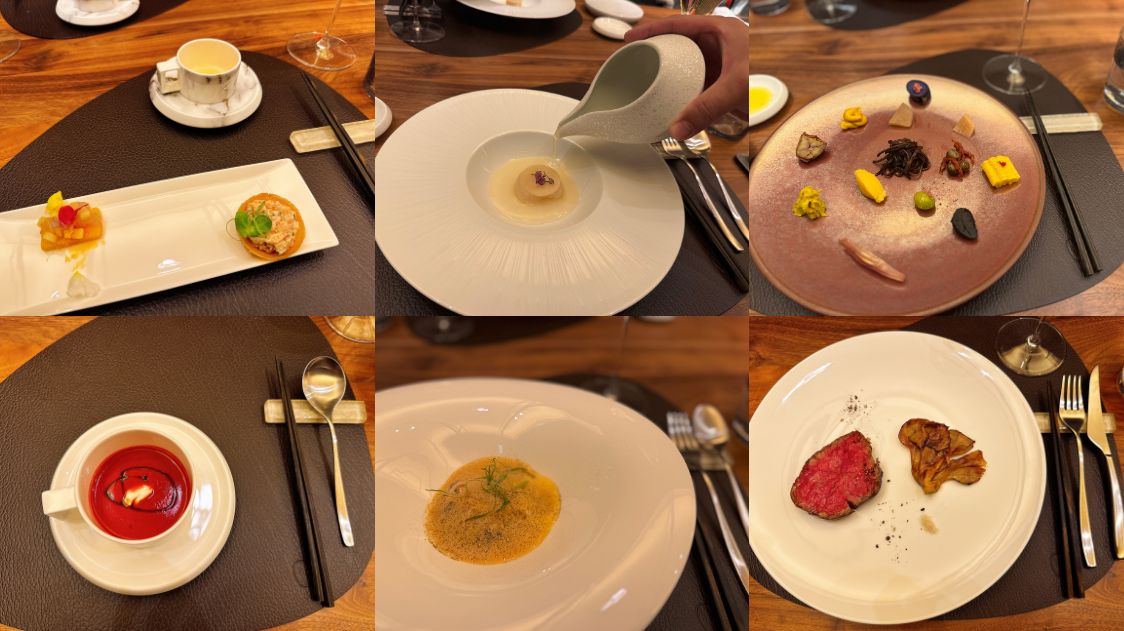 Dishes from the Wellness Gastronomy French course at En
Dinner began with a glass of champagne, followed by appetizers featuring ito, a rare and delicate fish, whose deep umami instantly awakened my appetite. Next came a dish incorporating local scallops and fermented water, as well as a vibrant soup made from Aomori-grown beets.
One of the highlights of the evening was the Nature Plate, a signature course featuring thirteen different vegetables, each prepared using unique cooking methods that brought out their natural character.
But the highlights didn’t stop there. The crab dish was unforgettable, combining the natural sweetness of snow crab with a bisque-like foam that added another layer of rich flavor. The main meat course featured exquisitely temperature-controlled, low-temperature cooked Kuraishi Beef, a premium wagyu from the Kuraishi area.
Despite the advanced culinary techniques behind each dish, everything was crafted to appeal to a wide range of palates, which I found truly impressive. It was an incredibly satisfying meal, and experiencing gastronomy of this quality within the hotel itself felt like a real luxury.
I ended the night by relaxing in the natural hot spring, the perfect way to unwind after a full day of exploring.
Day 2: Morioka Itinerary
7:30 AM – Morning Yoga
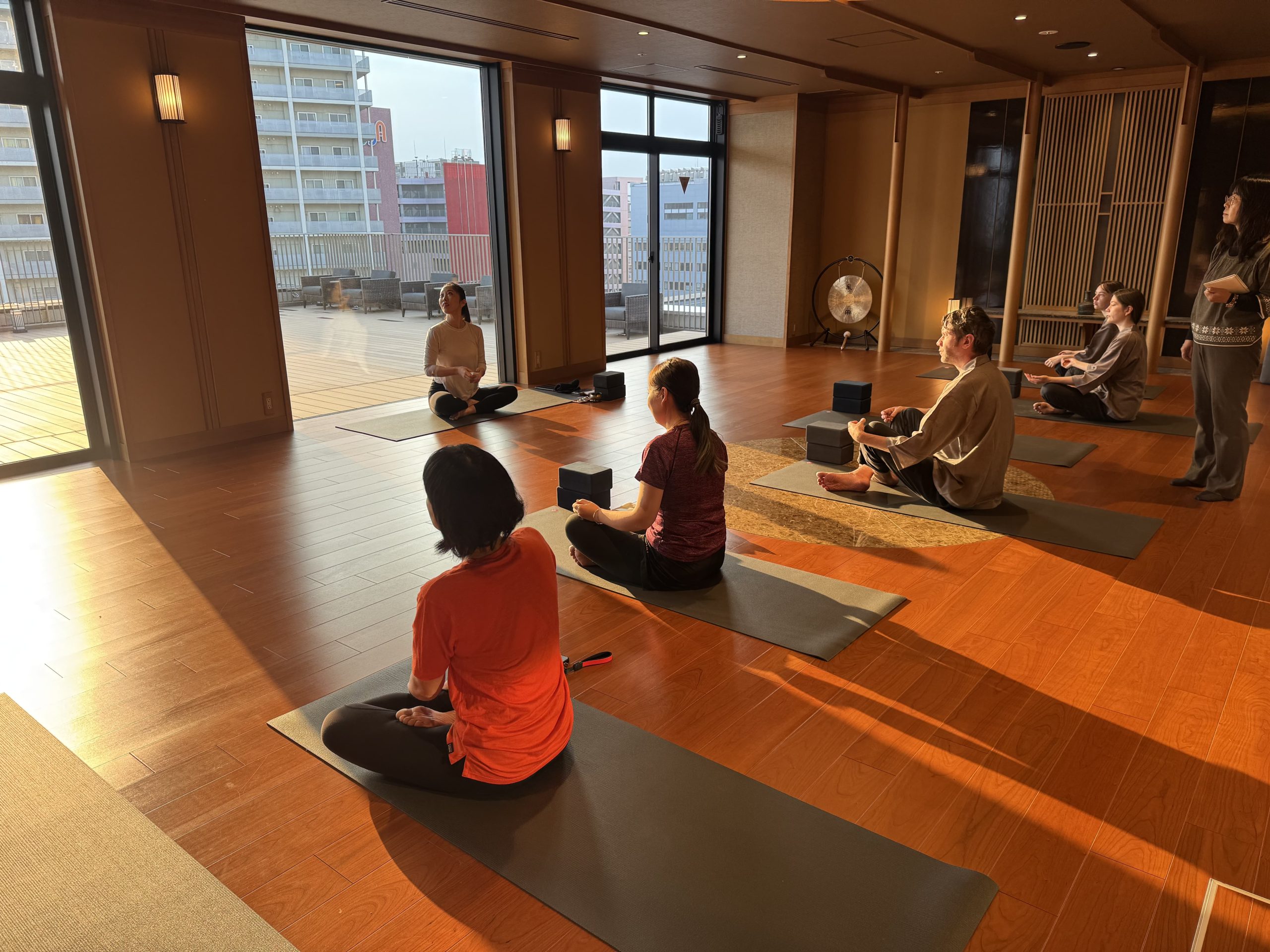 I felt that there was hardly any language barrier.
On the second day, before breakfast, I joined the hotel’s yoga program to align with its wellness theme and start the morning by resetting my body. Even as a beginner, I was able to follow the instructor’s guidance comfortably and enjoy the session with confidence.
8:30 AM – Breakfast
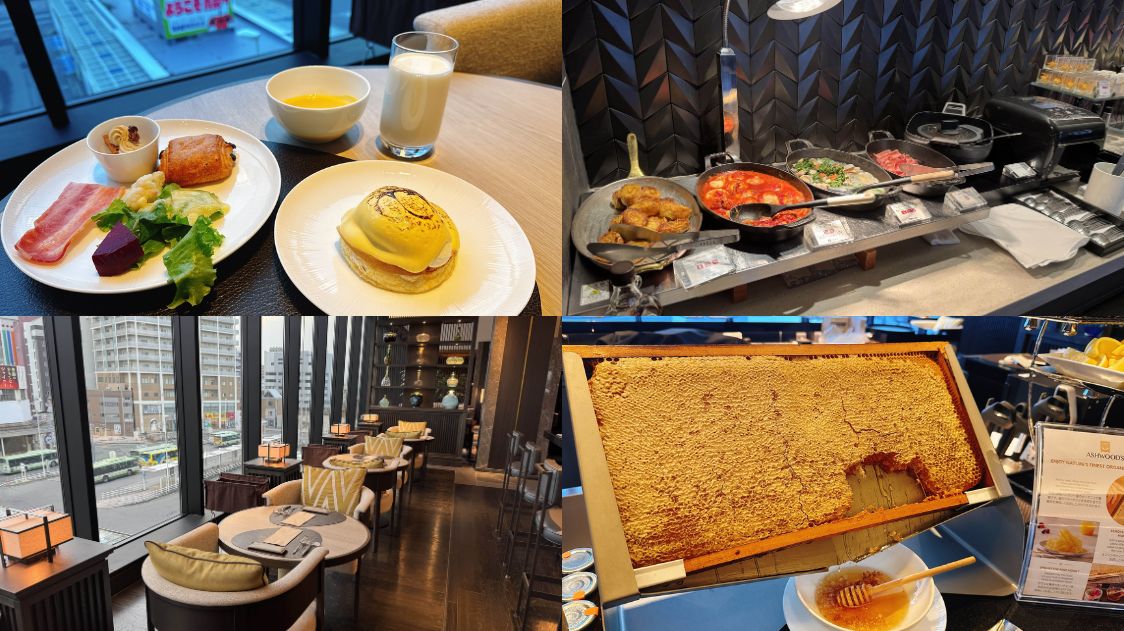 I felt that the breakfast was designed with a focus on both taste and health.
Breakfast is served in a buffet style under the concept of “enjoying delicious food while supporting your health.” The selection is quite diverse, with a strong focus on Western dishes. I was especially surprised that four different egg dishes were cooked to order right in front of guests. I chose the eggs Benedict, which seemed to be particularly popular, and it was a wonderful way to delight my palate early in the morning.
There was also honey served with the honeycomb, along with an impressive variety of Aomori fruits and fresh juices. The breakfast menu includes options for both organic and vegan diets as well.
9:30 AM – Check-Out
10:10 AM–11:11 AM – Shinkansen from Shin-Aomori to Morioka
The main destination for the second day was Morioka, the central city of Iwate Prefecture, located just south of Aomori. Since the hotel is directly connected to Aomori Station, it took only about five minutes on a local line to reach Shin-Aomori Station, where I boarded the Shinkansen. The ride from Shin-Aomori to Morioka Station (盛岡駅) takes roughly one hour.
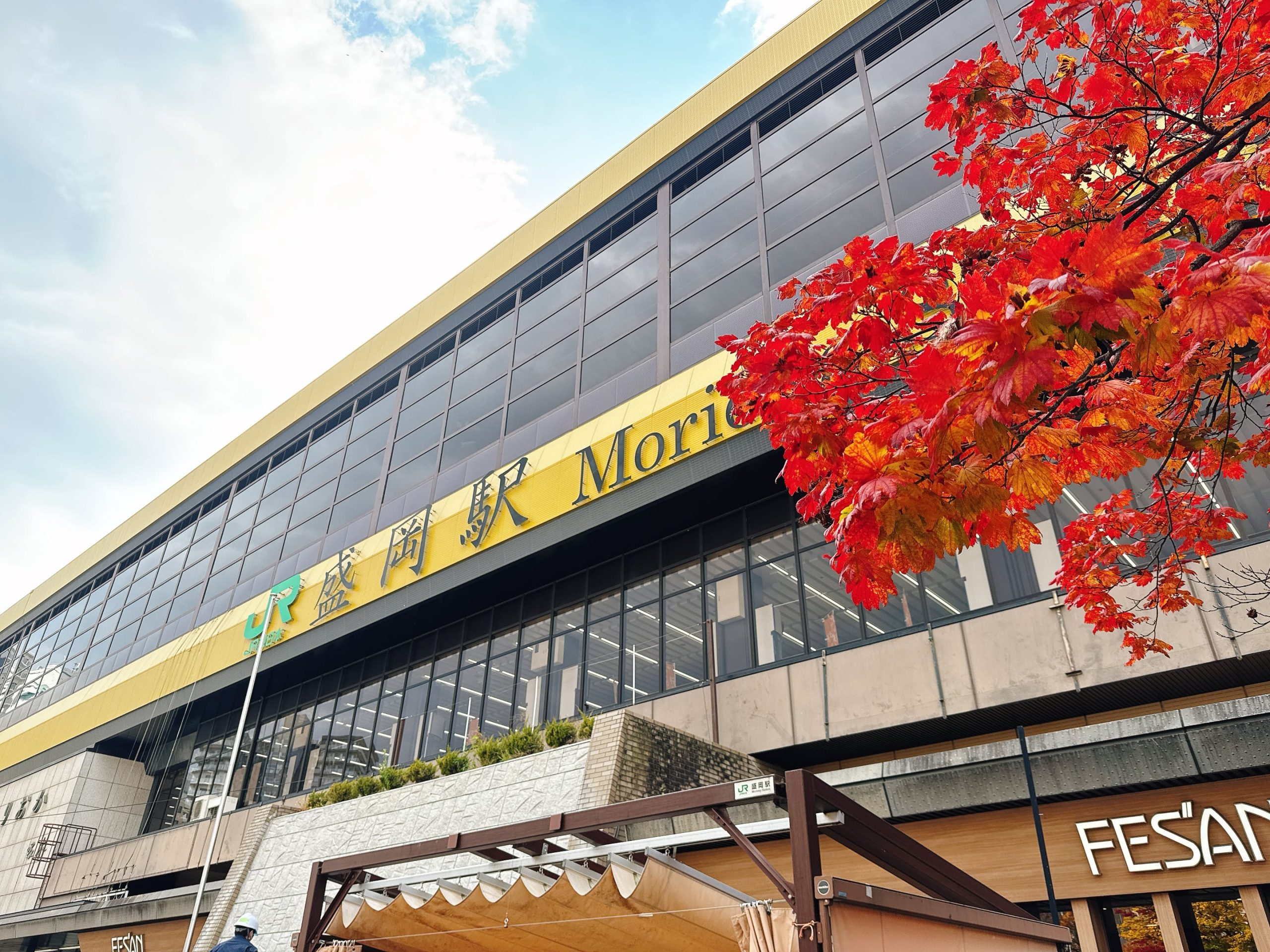 Morioka Station with autumn leaves.
In Morioka, the first soba restaurant of the day is about a 10-minute taxi ride away, but the rest of the itinerary can be enjoyed entirely on foot.
I was also able to see the coupling of the Hayabusa and Komachi Shinkansen trains, which was a fun moment for any train enthusiast.
12:30 PM – Experience Morioka’s Iconic Wanko Soba at Azumaya
The first place I headed after arriving in Morioka was Azumaya (東家本店), a long-established soba restaurant where I planned to try wanko soba for lunch. Founded in 1907, Azumaya is one of the best places to experience this iconic local tradition. Wanko soba is not just a meal; it is more like a culinary activity. The idea is to see how many small servings of soba you can eat as servers continuously refill your bowl.
The soba is continuously served into your bowl, and you keep eating it one after another. Watching dozens of empty bowls gradually stack up in front of you is quite an entertaining sight as well.
The servers stand beside your table, energetically calling out “Don-don!” and “Jan-jan!” as they drop fresh portions of soba into your bowl one after another. I kept eating until I was completely full, and the refills didn’t stop until I finally placed a lid over my bowl. I managed to finish a little over 50 bowls, though some visitors reached more than 100. You receive a certificate showing your final count, and those who surpass 100 bowls are awarded a special wooden token Tegata. The all-time record is said to be over 500 bowls, which is almost unbelievable.
The soba itself is genuinely delicious, and a variety of condiments and toppings are available so you can enjoy different flavors as you go. It is an experience I would recommend to any traveler, from solo visitors to families.
1:40 PM – Nanbu Senbei Shopping
With my appetite completely satisfied, I continued exploring Morioka on foot and headed to Shirasawa Senbei Shop (白沢せんべい店) to pick up some souvenirs.
Nanbu senbei originally comes from Aomori and later spread throughout the region, becoming a well-known specialty of Tohoku. There are two main styles: a light, cracker-like version and a thicker, cookie-style version. The flavors are quite diverse, but personally, I recommend the popular peanut and pumpkin varieties.
Each flavor is sold individually, so it’s easy to try different varieties. This is what the senbei-making process looks like in the shop’s back area.
I also had the chance to try making senbei myself. The baking process only takes a few minutes, and eating the freshly baked, piping-hot senbei was a special treat. This hands-on senbei-making experience requires a reservation in advance.
2:20 PM – Visiting a Nanbu Tekki Ironware Workshop
Next, I visited a workshop dedicated to Nanbu Tekki, a traditional craft that represents the heritage of Morioka. At Kamasada (釜定), you can purchase authentic pieces crafted with true artisan spirit. The workshop, established around 1920, still produces every item entirely by hand, one piece at a time. Popular items include Nanbu Tekki iron kettles and ashtrays.
During the visit, I had the chance to see the clay used in the production process and hear directly from the craftsman about their deep passion for Nanbu Tekki. It was clear that the current artisan genuinely love the craft, which has been passed down from his grandparents’ generation.
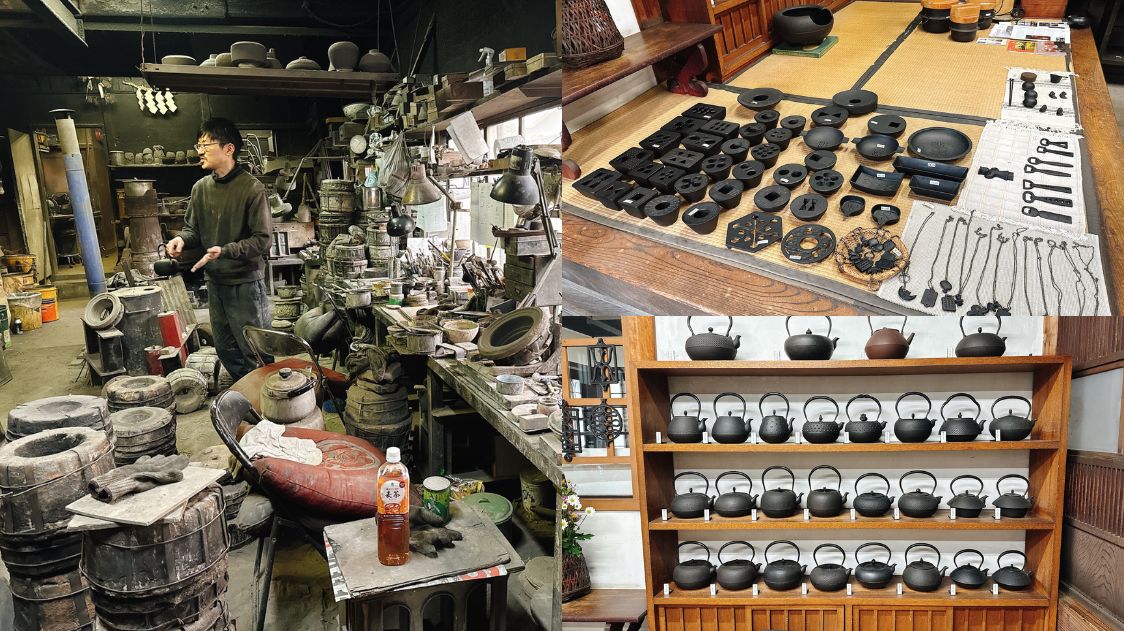 As you can see, Nanbu Tekki ironware offers a truly one-of-a-kind production process and design, doesn’t it?
Nanbu Tekki is not hammered or welded at any stage, which is why it maintains such a clean and simple form. The pieces are surprisingly heavy when you hold them, but if you appreciate their elegant jet-black design, I highly recommend considering Nanbu Tekki as a stylish addition to your kitchen.
3:00 PM – Iwate Bank Red Brick Building
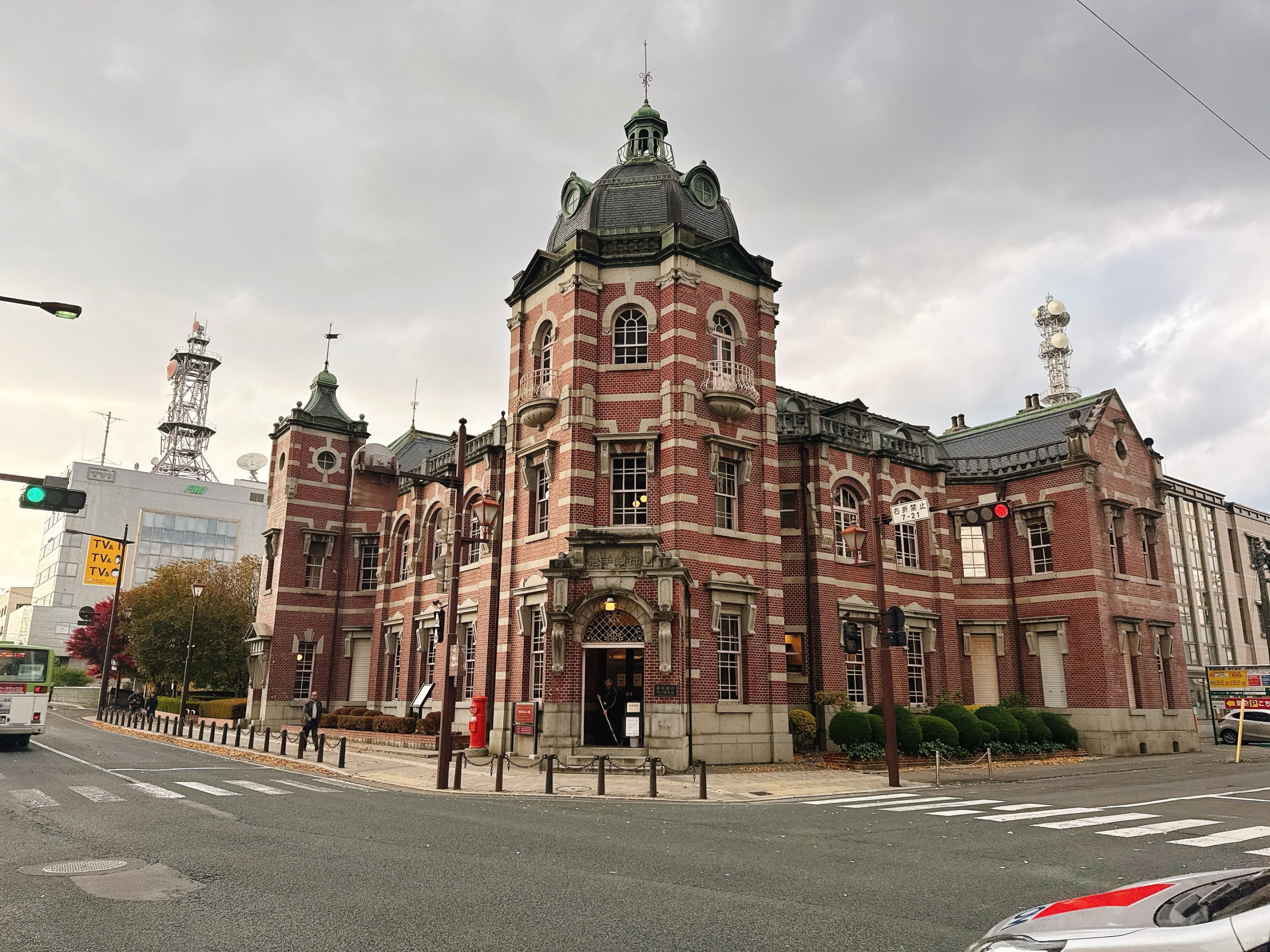 Iwate Bank Red Brick Building
A short walk from the Nanbu Tekki workshop brought me to one of Morioka’s most recognizable landmarks, the Iwate Bank Red Brick Building (岩手銀行赤レンガ館). Some people may find the building’s appearance familiar, and with good reason. It was designed by the same architectural firm, Tatsuno and Kasai Architects, which designed Tokyo Station.
The exterior is strikingly beautiful, and visitors are welcome to step inside as well. When I visited, the autumn foliage was near its peak, creating a stunning scene with the red leaves, the flowing river at its base, and the elegant brick architecture all coming together.
3:30 PM – A Serene Finale at the Historic Nanshoso Residence and Garden
And now, the journey was nearing its end. The final stop was Nanshoso (南昌荘), a traditional residence and garden tucked quietly within what feels like an ordinary residential neighborhood.
Nanshoso was originally built around 140 years ago by a local entrepreneur, and today both the historic house and its garden are open to the public. Inside the building, there is a raised-floor room with smooth, polished wooden floors that subtly reflected the light and the colors of the trees outside. Since it was autumn, the reddish hues of the foliage cast a beautiful glow across the room.
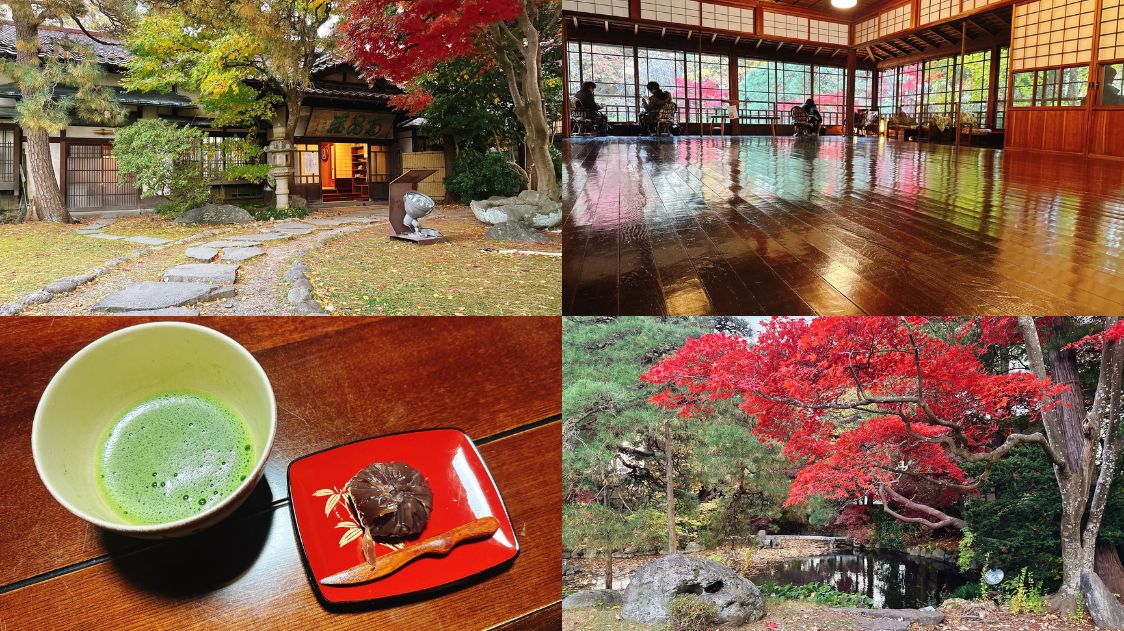 Nanshoso is a hidden spot where you can quietly experience traditional Japanese culture.
Visitors can also enjoy matcha and traditional Japanese sweets here. When stepping into the garden, I found the autumn leaves beginning to show their colors, and I imagine each season would reveal a completely different atmosphere. Walking around the large pond left me with a deep sense of tranquility and appreciation for the space.
4:50 PM–7:04 PM – Returning to Tokyo on Shinkansen
This trip began with a Shinkansen ride and unfolded into a journey filled with a rich variety of culinary experiences, from fresh seafood to wanko soba and matcha. I was also able to enjoy iconic elements of Japanese culture such as the Nebuta Festival, Nanbu Tekki ironware, and traditional Japanese gardens. At the Sannai Maruyama Site, I connected with Japan’s ancient past, and the wellness-focused hotel stay added another meaningful layer to the trip.
It is rare to find a region where you can experience such a dense and diverse cross-section of Japanese culture within just two days. This itinerary also challenged the stereotype that rural travel in Japan is inconvenient, since most of the journey was easily manageable on foot or with minimal taxi use.
If you are based in Tokyo and want to explore Tohoku within a limited amount of time, I highly recommend using this two-day itinerary as a guide for your own visit.
Why You Should Travel to Tohoku by Shinkansen
Tohoku sits far to the north of Tokyo and is a countryside region where untouched nature and unique local culture still thrive. One of its biggest advantages is how easily accessible it is by Shinkansen, without relying on domestic flights. This two-day trip proves that you can leave Tokyo, explore deeply, and return within a short timeframe.
If you are looking for a new style of travel in Japan, I encourage you to consider Tohoku as your next option.
For ticket information on the Tohoku Shinkansen, including GranClass, you can find details here. Reservations can be made easily online and in English. ▶︎ Check Shinkansen tickets to Shin-Aomori and Morioka via Japan Bullet Train [Ads]

▽Related Articles▽
Written by
Hi! I’m a writer and editor at Japan Web Magazine. Since 2017, I’ve written over 500 articles covering a wide range of Japan-related topics—must-visit travel spots, local food culture, helpful travel tips, seasonal events, anime, manga, and more.
I travel all over Japan, from the snowy landscapes of Hokkaido to the tropical beaches of Okinawa. My hobbies, such as hunting for the best ramen shops and keeping up with the latest anime every season, help me share the magic of Japan with people from all over the world. Whether you’re a first-time visitor or a Japan fan planning your dream trip, I want to help you experience the best of what this country has to offer.
After traveling to many countries around the world, I still love Japan the most, and I continue to share information while making the most of my perspective as someone who was born and raised here.
[Connect with me]
▷You can find more of my writing and follow my latest thoughts on Japan over on Medium.
A bit more about me:
[Traveler at heart]
▷Most unforgettable trip: Chichijima Island, a remote island that takes over 23 hours to reach by ferry from Tokyo!
▷Favorite neighborhood in Tokyo: Kagurazaka
[Foodie life]
▷Obsessed with sushi and ramen
▷Proud foodie moment: Scored a seat at the legendary Sukiyabashi Jiro
[Passionate otaku]
▷Favorite anime: March Comes in Like a Lion and Attack on Titan ▷My Best Anime
▷Manga I live by: One Piece and Slam Dunk ▷My Best Manga
AloJapan.com