
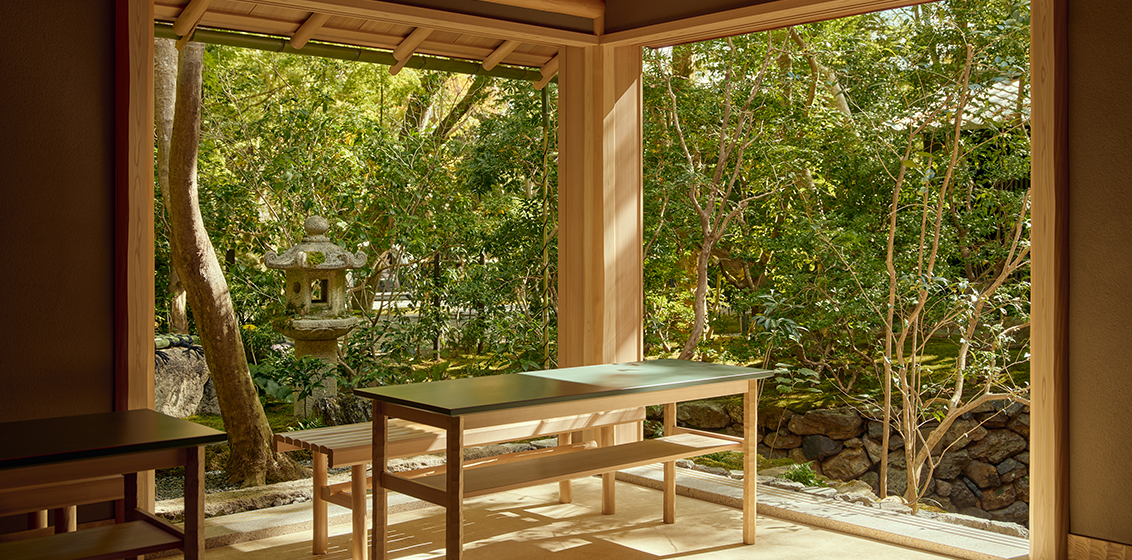
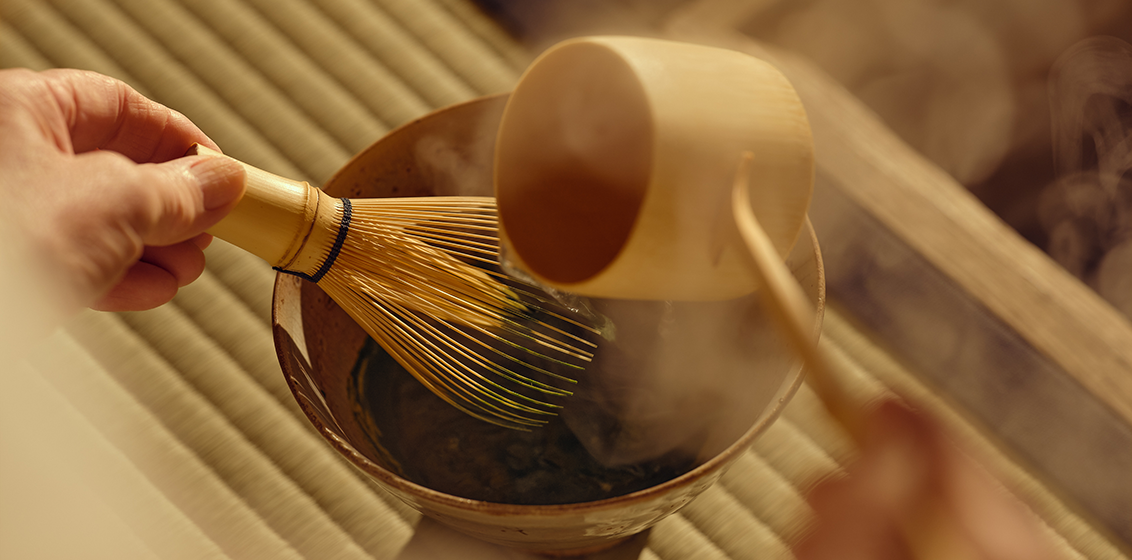
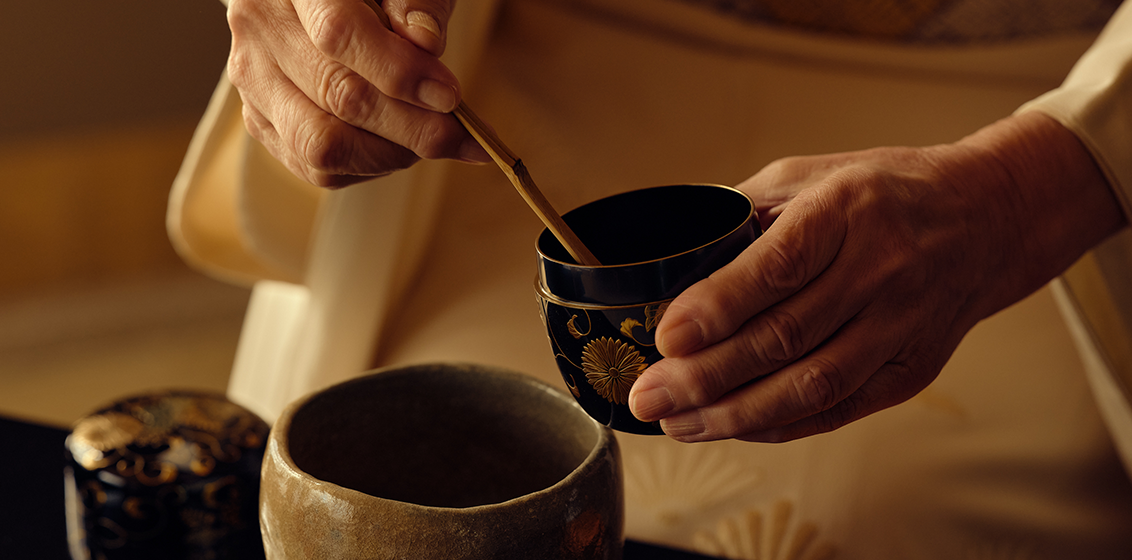
The launch of a new tea house within the grounds of Aman Kyoto aims to offer guests an immersive encounter with the sacred ceremony of chanoyu in an environment shaped by centuries of tradition.
Tea House Senkutsu overlooks a tranquil pond, blending with the resort’s natural and architectural surroundings. Inside, hosts uphold the spirit of omotenashi, the Japanese art of hospitality, performing a ritual which has been “carefully choreographed”.
“Aman has always held a deep respect for local culture and tradition,” Aman Kyoto General Manager Yasuo Mizobuchi said. “With the arrival of Tea House Senkutsu we hope to offer guests a timeless encounter with Japanese aesthetics and the spirit of the tea ceremony.”

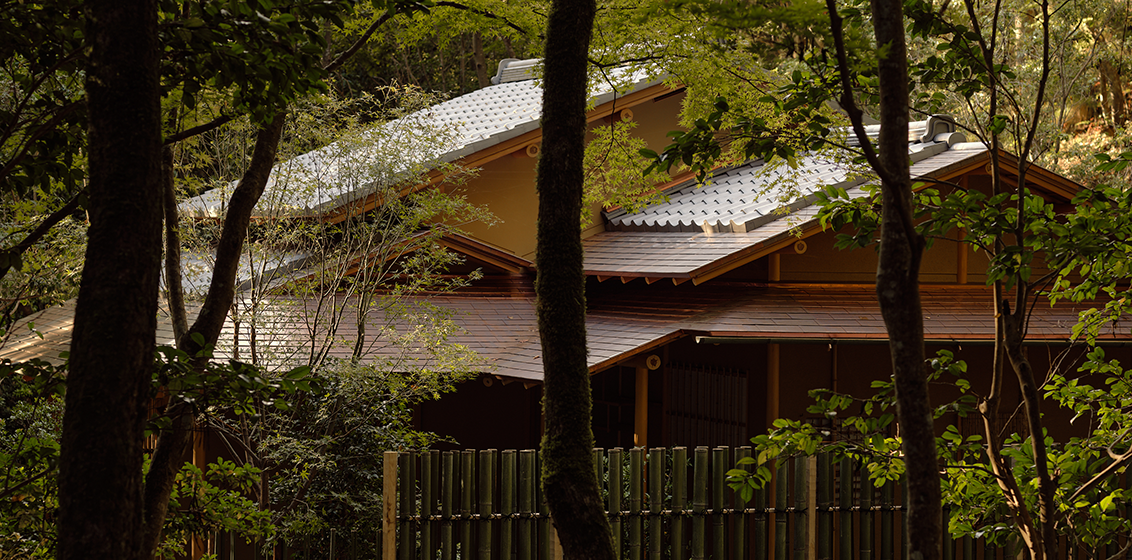
The tea house was designed by SEN ART STUDIO, specialists in sukiya architecture – the minimalist tea house style with origins in the 16th century. The studio crafted the structure to honor the Urasenke school of tea ceremony, one of Japan’s most influential lineages.
Construction was carried out by Nakamura Sotoji Komuten, master carpenters renowned for traditional wooden architecture. Materials were sourced with intention: the team used local Kitayama cedar and soil from Takagamine – Aman Kyoto’s home – to form the earthen walls.
Tea House Senkutsu features two distinct spaces. The traditional koma room is accessed through a nijiriguchi, a low crawl-through entrance that “symbolically emphasises humility and respect.” Inside, the four-tatami room offers a minimalist setting.
The second space, a ryu-rei-style room, allows guests to participate in tea ceremony while seated on chairs, making the experience more accessible for newcomers. Adjacent is the mizuya preparation area, which will also host cultural activities including wagashi making, calligraphy and ikebana.
AloJapan.com