
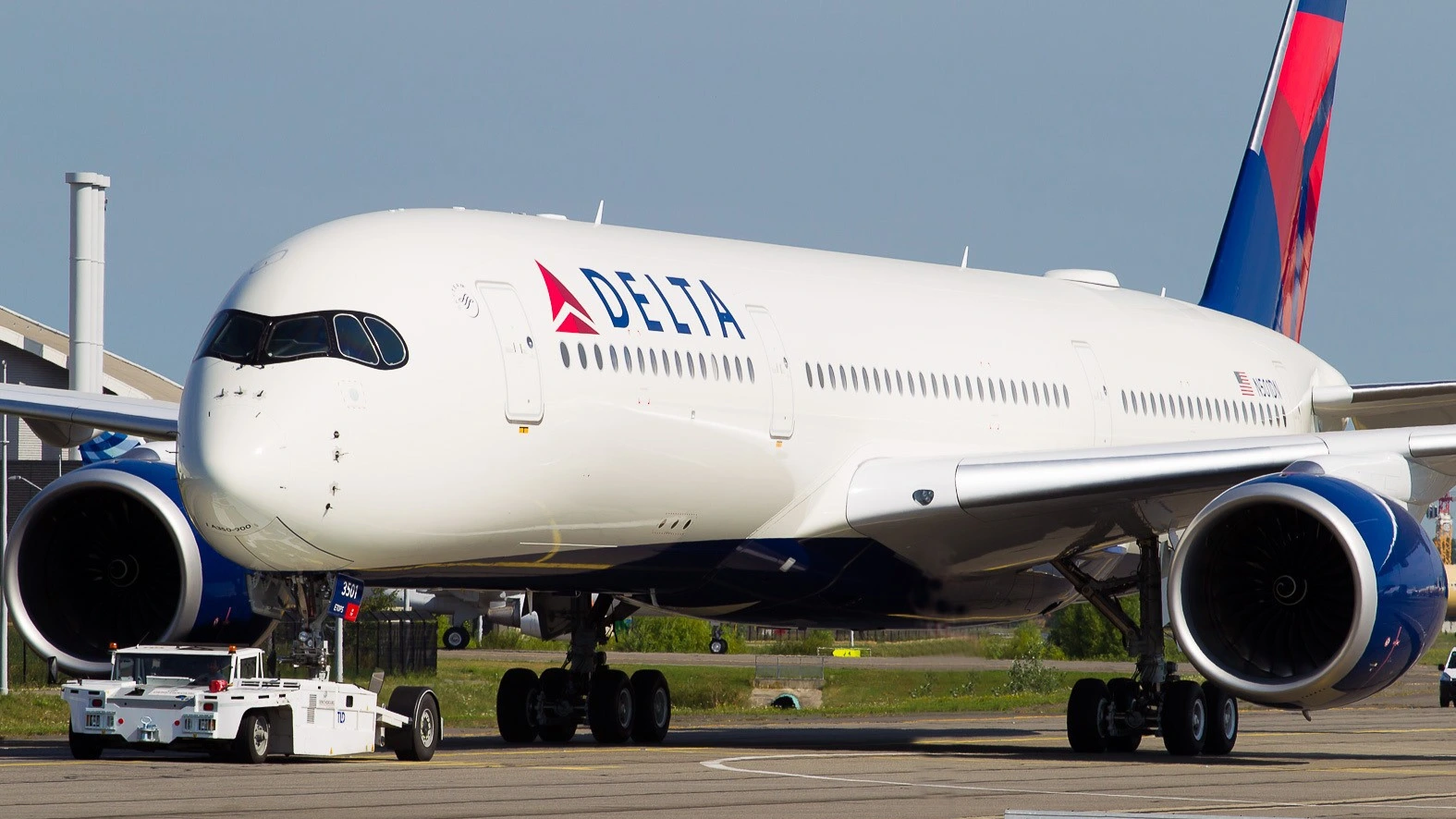
TOKYO— Passengers on a long-haul service operated by Delta Air Lines (DL) faced an unexpected diversion to Tokyo Haneda Airport (HND) after the carrier’s Airbus A350-900 experienced a suspected hydraulic issue.
The flight had departed from Shanghai Pudong International Airport (PVG) for Detroit Metropolitan Wayne County Airport (DTW) when the crew detected the abnormal indication. Following established safety protocols, the aircraft diverted to Japan, where emergency units prepared for its arrival.
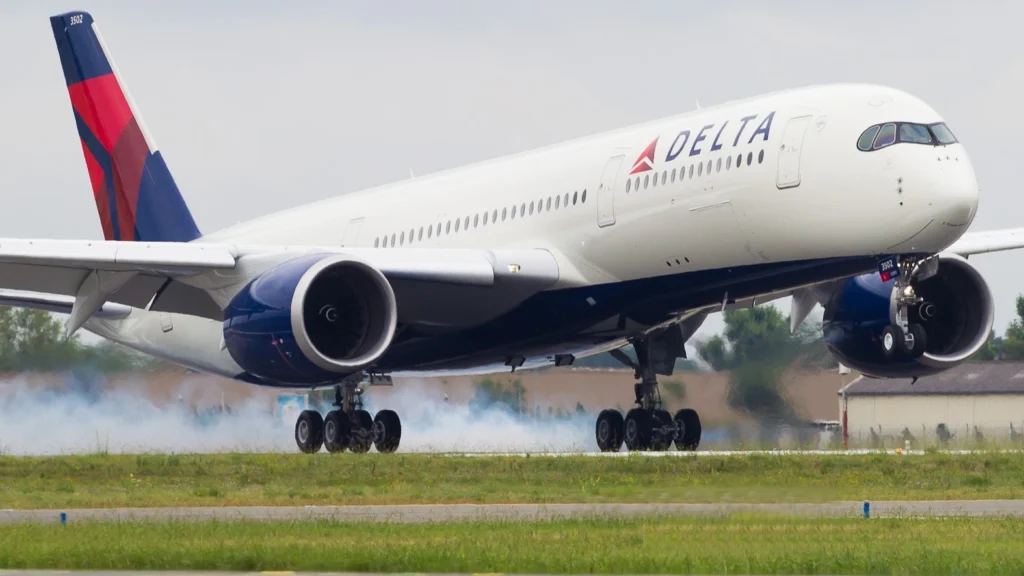 Photo: Clément Alloing
Delta A350 Emergency Landing at Tokyo
The crew informed passengers of the developing situation as the aircraft approached Japanese airspace. According to operational details, the flight was approximately 140 nautical miles from Tokyo when the hydraulic warning prompted action.
The jet landed safely on Runway 34R, where emergency teams conducted initial checks before escorting the aircraft to a designated stand for further inspection.
The hydraulic warning appeared shortly after the aircraft began its long transpacific climb toward the United States. Crew members evaluated system readings and determined that an immediate diversion to the nearest major airport was necessary.
Tokyo Haneda offered both operational capability and proximity, enabling a swift and controlled landing. Runway operations were temporarily adjusted to accommodate the incoming aircraft and safety vehicles.
Airport personnel reported a brief closure of about 30 minutes while the aircraft was secured. The remainder of the flight was subsequently canceled to allow for maintenance examination and passenger management.
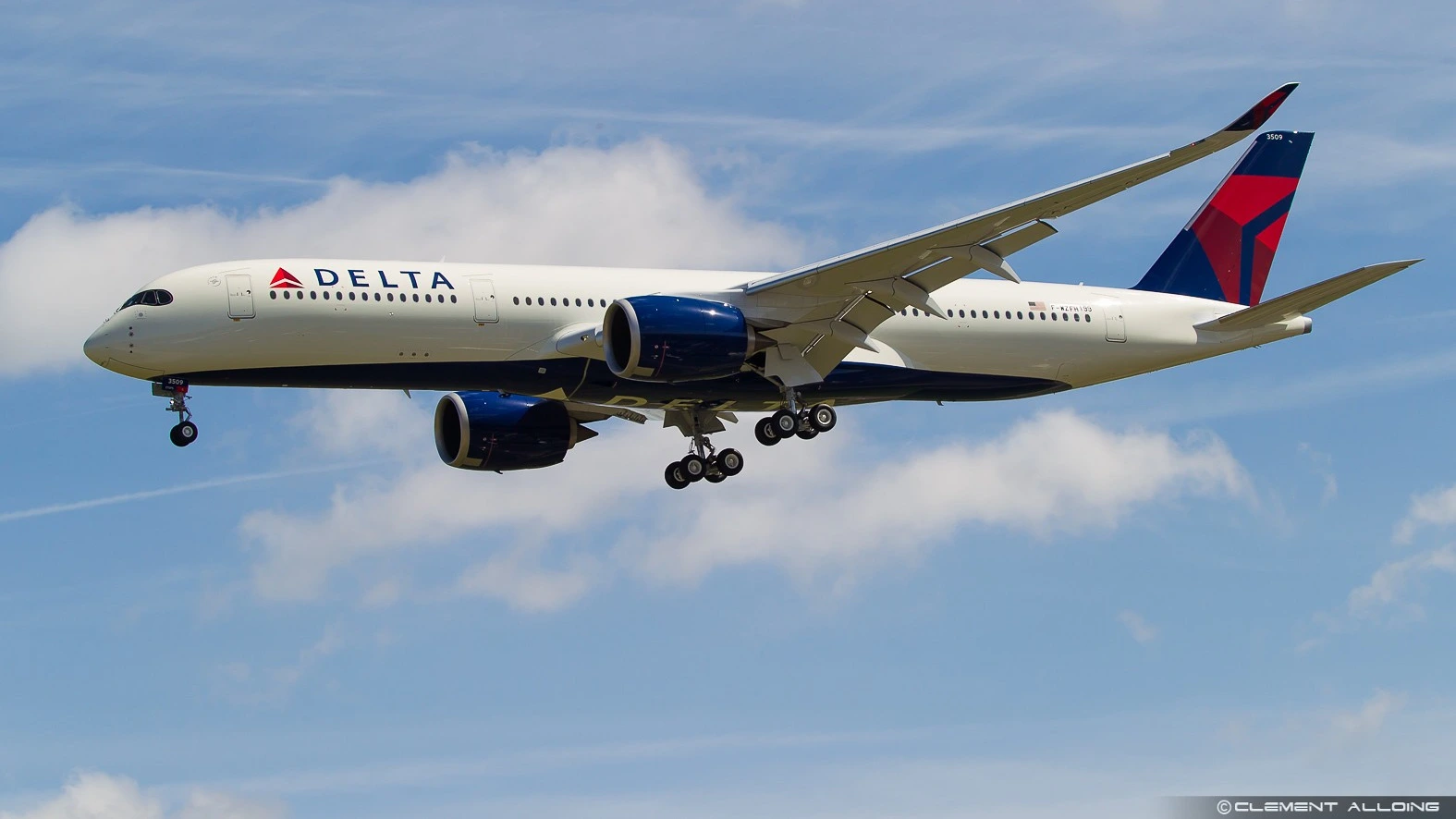 Photo: Clément Alloing
Aircraft Details
The Airbus A350-900 involved is nearly seven years old and configured with business, premium economy, and economy cabins. It first flew in December 2018 under its French test registration before joining the airline the following month.
Powered by Rolls-Royce Trent XWB-84 engines, the aircraft forms part of a 38-frame fleet, with additional units and the larger A350-1000 set to join in the coming years.
Hydraulic irregularities on this aircraft type are rare, but operators treat system warnings with maximum caution. In some cases, hydraulic faults can affect flight control behavior, making a diversion the safest course of action.
The aircraft, identified as registration N512DN, remained on the Haneda apron overnight. Maintenance teams later repositioned it to Seattle for deeper evaluation before the jet returned to scheduled service.
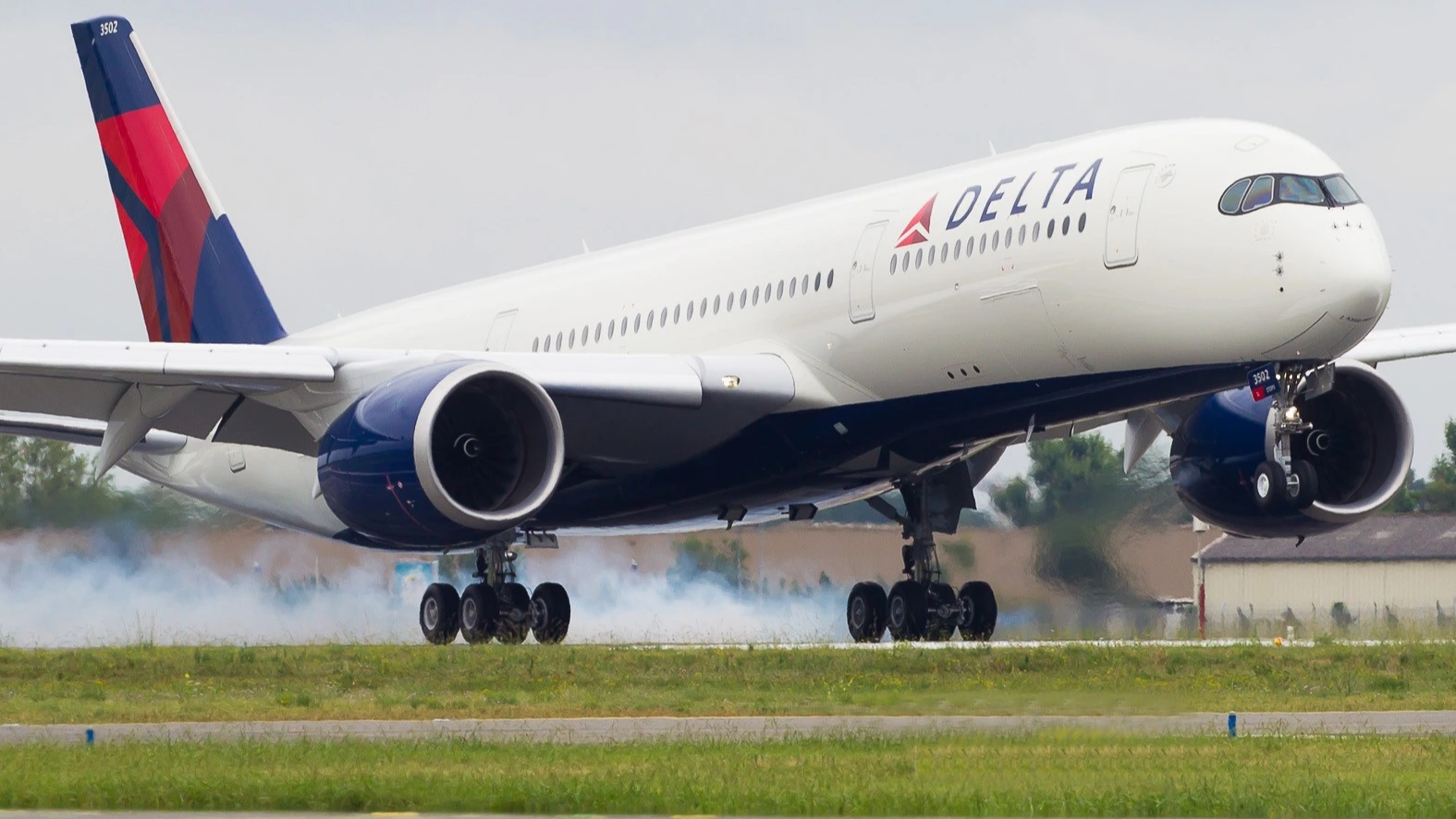 Photo: Clément Alloing
Bottom Line
The emergency landing at Tokyo Haneda underscored the importance of rapid decision-making and strict adherence to safety procedures.
Passengers faced delays, but the aircraft landed safely and received prompt technical attention.
The situation ultimately demonstrated the crew’s professionalism and the effectiveness of established aviation safety protocols.
Stay tuned with us. Further, follow us on social media for the latest updates.
Join us on Telegram Group for the Latest Aviation Updates. Subsequently, follow us on Google News
AloJapan.com