
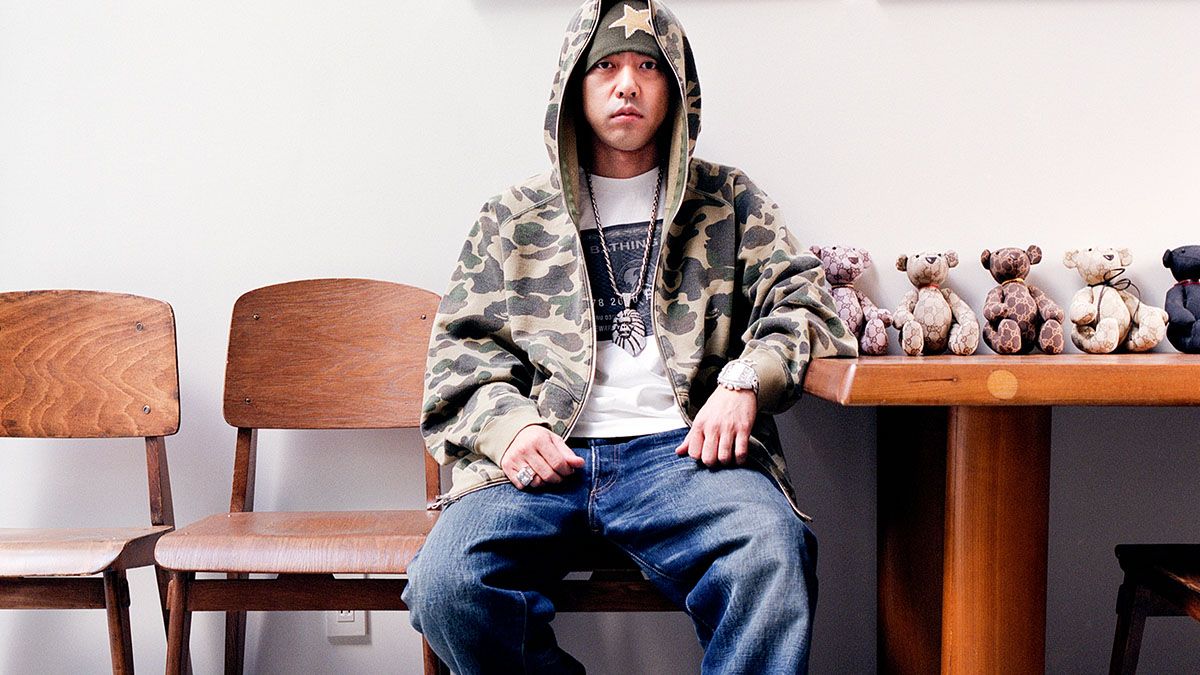
“Nigo has got real credibility and deep tissue connections with overseas players,” says Michael Causton, co-founder of JapanConsuming and an expert in the Japanese retail and consumer markets. The move to go public burnishes the designer’s position as a global industry heavyweight even further, cementing his place on streetwear’s Mount Rushmore alongside Abloh, Hiroshi Fujiwara, James Jebbia and Shawn Stussy.
“As the Nigo brand continues to grow in terms of global influence, Human Made reaps the benefits as well,” says Tyler Watamanuk, author of Bigger Than Fashion: How “Streetwear” Conquered Fashion Culture, published in November. The brand, which already makes two-thirds of its revenue from overseas sales but has a limited standalone retail presence, is primed for a global takeover. A 700-square-meter, three-story flagship store is planned in Harajuku for next year, followed by stores in Shanghai and the US. Human Made reported operating margins of 28% in the year ended January 2025 — in line with successful fashion brands — plus a 100% sell-through rate.
This stability, bolstered by executive hires including Rei Matsunuma (who was previously a director at Uniqlo) as CEO, sets the brand up for further success. “It’s a really impressive and incredibly disciplined machine,” says Causton. He predicts the IPO is only the start. “In future, we might even end up seeing something like a Human Made holdings group.”
Experts also say that Nigo’s ironclad reputation, and the buzz of Human Made’s success, will create a halo effect for Japanese labels who follow suit. Pierre-Yves Donzé, professor of global business history at the University of Osaka, believes the IPO will inspire a new wave of local brands to be more ambitious, and compares the move to what many European labels did in the ’90s and 2000s when looking to expand globally. “[The success of the IPO] shows fashion brands that they have the potential to grow outside of Japan,” he says. “Now is the time for them to do it.”
Japan is fertile ground for streetwear
There are plenty of cautionary tales about building streetwear giants and conglomerates in the West, from Supreme’s aforementioned decline post-acquisition under VF Corp to the slow unraveling of streetwear conglomerate New Guards Group’s brand portfolio. But the Japanese market still holds potential for big-name streetwear brands to thrive. According to Deleon, the subcultural clout that helped propel early streetwear brands into the mainstream doesn’t seem to matter as much to the Asian consumer. A brand doesn’t need to be underground, provided it maintains its “aura” and supply remains scarce.
AloJapan.com