Kokura Castle//EP 26//
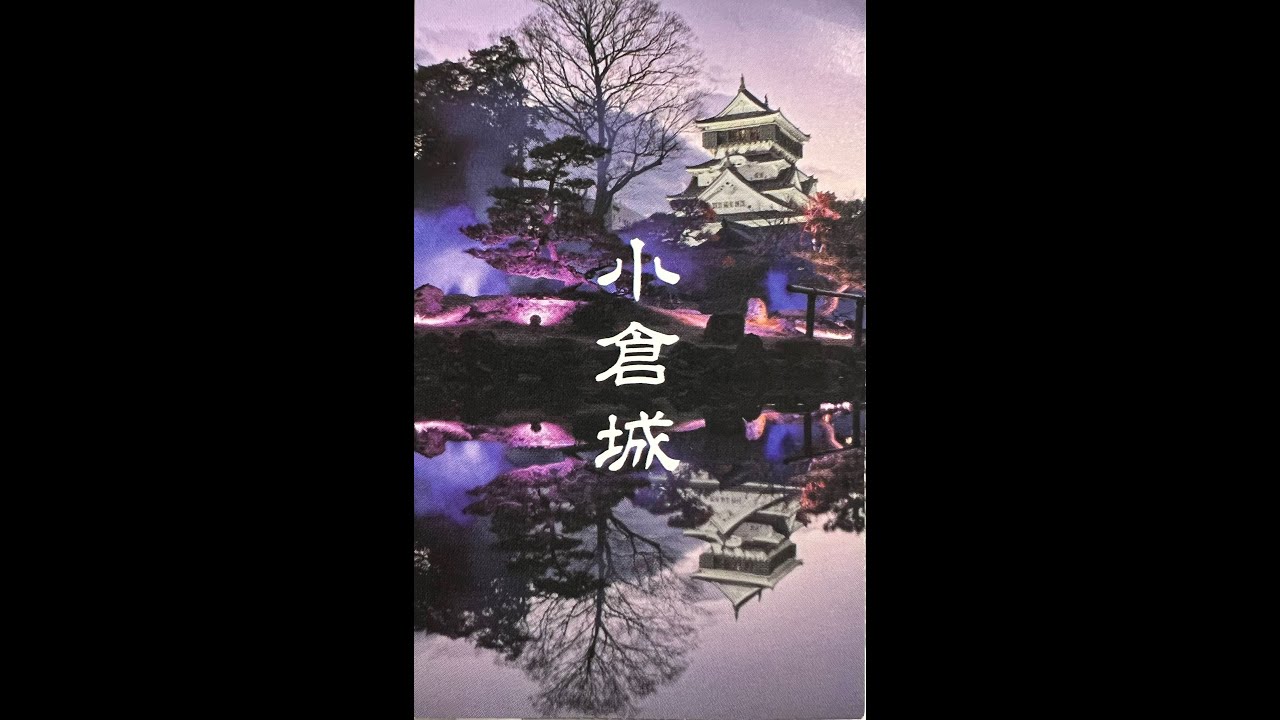
Well, welcome back to the channel. You’ll probably not guess where we’re at today, but we’ve got a special thing for you. We’re in a place in the island, lower island of Kyushu called Pukura. I’ve included this map so that you can get a bearing on where we’re talking about. So, there’s Japan. And as we zoom in, it’s going to be the lower island here where Kyushu is located. It’s on this island where Kokoda is located. Now, this second map that I’ve included here is a little bit more zoomed in and it’s going to take us from Fukuoka airport right out to Koka Station via the train. There are other ways you can get there, but I put up the map for the train because it’s easiest for people who are coming in who may not be renting a car. You’ll note that at the end there from the train station over to the castle, it’s got walking there. You can take a taxi. We did so, but if you do, keep an eye on the taxi driver because sometimes they’ll take you the long way. And in Kokura, they have a thing called Kokura Joe or Oshidito. Joe is used when you’re using the location name and it’s oshidto when you’re referring just to the item itself. This is Copa Castle and I hope you enjoy this short tour that we’re going to do here and let’s go learn something and enjoy this. Thanks for following along. If you haven’t done so yet, like, subscribe, and comment. Share this video with others so we can grow the channel. Let’s get started. Okay, a little bit of history. Kokura Castle is on the island of Kyushu, the lower island in Japan. Uh some refer to it as the slower, calmer, more relaxed part of Japan. Um it’s also located in the city of Kitakushu, Japan, but on the which is located at the northern top of Kyushu itself. The castle was built by Hosokawa Tada starting in6002 with construction completed in6008. Now for today’s purposes, this castle has specific interest to me because I read a book over 30 years ago about a specific samurai that I’d like to introduce to you. The castle grounds has a temple on it here too. A ginger or a noteta. I’m not sure what you would call this one, but you come and pray and do your thing. That one we can’t sneak into. That’s not allowed. You sure do get a sense of walking back in time. Yeah. This way. There’s no Oh, here’s the castle wall and the moat. Look at that. Castle wall and mo. Yeah, it’s supposed to be water, but it’s not. Look at the ivy growing up on that. We have some water on the other side, though. Here. See? Heat. Heat. So, in just a minute, we’re going to come up on uh statues, two statues of two samurai facing off. And uh the the one on the right that you’re going to see is the one that I really want to introduce you to. But the one on the left was his opponent. And I’m going to introduce you to both of them. There it is. That’s the main keep of the castle. So, a little history. This compound is not the entirety of what the castle is. This castle used to be as large as the whole city. It rivaled Himeiji Castle in size. So these statues are of Kojiro Sasaki and Miiamoto Musashi. This set of the statues represents the final battle between these two. They were opponents of each other. Uh and uh at that time it was pretty common practice for masters of martial arts to seek out other masters of different styles. And uh well these two came across each other and of course they had encounters but they had a final battle and this map depicts the location where that battle was and you can see how close that was to Kokojo or Kokura Castle. Uh and on this island uh they encountered and Mousashi was victorious. So on the left we have Kojito Sasaki. He was the opponent of Miamote Mousashi. both masters in their own right of their own styles but his sword was extremely long as I’m pointing out to you there on the screen and if you look in the upper right hand corner you see the two uh Cojito’s sword was much longer than any normal sword it was called the drawing pole he also had longer arms which gave him a longer reach and a taller stance which gave him an height advantage over things but the one thing he didn’t have was what Mousashi had created created. He created the two- sorted fighting technique. He was the first to develop it. He was a Ronin. He tr which means he traveled the country as a masterless samurai and he did what he wanted. Basically, he sought out opportunities to develop his skills in martial arts. But this particular battle, he did not use his two swords. He arrived early on the island and carved a sword out of a piece of driftwood. He fought and won with a piece of driftwood. So you might wonder why the significance of this statue is here at Kokura Castle. Well, as I mentioned, Mousashi traveled all over, all over the country. uh but this particular location he spent his longest period of time seven years and it happened to be the time when he met up with Sasaki Kojito for their final battle. Therefore, this site became significant. We’re walking in the footsteps of Miamoto Masashi. What an amazing experience. This castle’s amazing looking. I’ve seen many castles in Japan, but this one here is kind of got a special feeling to it. Okay, here we go. Let’s go on in. The current price today is 350 yen. [Music] in the show. So, we have No, I just want to do [Music] Okay, so this castle has, I think, four or five floors to it, something like that. So, we’re going to get going. I put a picture of the ticket, the entrance ticket up on the screen there so you can get a better idea of what it looked like. It was pretty cool looking. So this first room has some diaramas. Basically this whole left wall is covered in small images of how life would have looked like in that day in this castle. So we’ll kind of skim down through this and give you a a little bit of an opportunity to see what’s look what it looks like here. [Music] Heat. Heat. [Music] So, the inside of the Kokura Castle is not in its normal state. It’s been transitioned into more of a museum with some artifacts, but I think it’s important to kind of walk through and kind of see some of the stuff that’s in there. So, I hope that uh you enjoy what you see from here on up. [Music] [Music] We can catch it from there. I can carry you. Your fuel is left in my neighbor and you Bye-bye. That’s Oh, ninja. Chib cheap in it. Yeah. Watery Jordan. That’s still right. Well, I hope you’ve enjoyed this episode. I’ve enjoyed doing it and I look forward to doing more adventures with you. Until next time, John Day. Come here.
This is a short tour of Kokura castle. Also includes a brief introduction to Miyamoto Musashi & Sasaki Kojiro, famous ronins (samurai without a master). Enjoy!

1 Comment
I do not think I have been there. but the castle looks so interesting. I am glad that you made this video for us!