
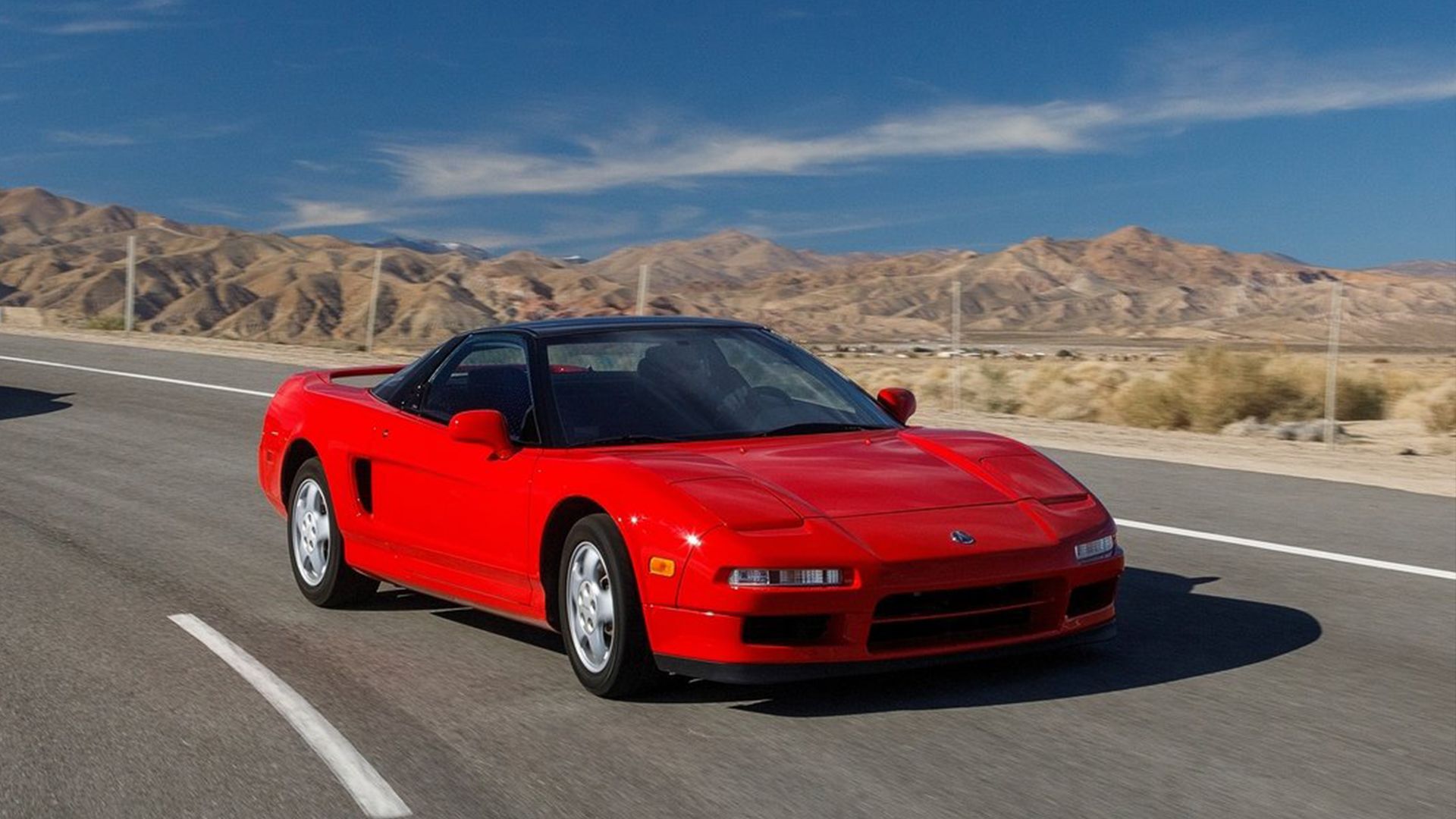
In the 1990s and early 2000s, Japanese cars didn’t just compete—they dominated. While American manufacturers leaned into muscle and European brands chased refinement, Japanese automakers quietly reshaped the global auto industry with a mix of bulletproof reliability, performance, and forward-thinking design. Brands like Toyota, Honda, Nissan, Mazda, Mitsubishi, and Subaru built their reputations on cars that were affordable, efficient, and—most importantly—built to last. From dependable daily drivers like the Toyota Corolla and Honda Civic to sports car icons like the Toyota Supra, Mazda RX-7, and Acura NSX, Japanese cars offered something for everyone.
This golden era wasn’t just about smart engineering—it was a cultural movement. Japan introduced the world to the concept of Kaizen (continuous improvement), opened the floodgates to car customization with robust aftermarket support, and delivered performance that rivaled exotic brands at a fraction of the cost. With unbeatable value and low ownership costs, Japanese vehicles filled driveways across the globe, especially in North America. More than machines, they became icons—symbols of practicality, innovation, and fun. Here’s why Japanese cars ruled the roads during this era and left an automotive legacy that still resonates today.
To give you the most up-to-date and accurate information possible, the data used to compile this article was sourced from various manufacturers and other authoritative sources.

Related
10 Legendary Japanese Cars That Cemented Their Legacy Thanks To The U.S. Market
These iconic Japanese models still retain a massive influence stateside.
Bulletproof Reliability: The Benchmark That Changed Consumer Expectations
At the heart of Japan’s automotive dominance in the ’90s and early 2000s was reliability. Long before terms like “planned obsolescence” plagued other automakers, brands like Toyota and Honda were setting new standards for mechanical dependability. This wasn’t marketing fluff—owners reported hundreds of thousands of miles on their vehicles with minimal issues. Whether it was the indestructible Toyota 4Runner or the humble Honda Accord, Japanese cars earned a reputation for going the distance without draining wallets.
Japanese manufacturers achieved this by embracing a philosophy of engineering simplicity and long-term testing. Unlike some European luxury brands, which often pushed boundaries at the cost of durability, Japanese automakers prioritized proven components and refined them continuously. Engines like Toyota’s 2JZ, Honda’s B-series, and Nissan’s SR20 became legends not only for their performance potential but for their ability to endure years of abuse without failing. This dependability fundamentally shifted how consumers viewed car ownership—less as a gamble, and more as a smart investment.
Reliability Permeated The Entire Japanese Auto Scene
The reputation for reliability wasn’t limited to sedans or commuter cars. Even performance vehicles like the Acura NSX or Mazda Miata delivered exceptional longevity. This allowed Japanese brands to dominate in resale value and customer loyalty, reshaping the global industry’s standards. By the time other automakers caught up, Japan had already rewritten the playbook on what it meant to build a trustworthy car.
How Japanese Brands Made Speed Accessible To The Masses
Bring-A-Trailer
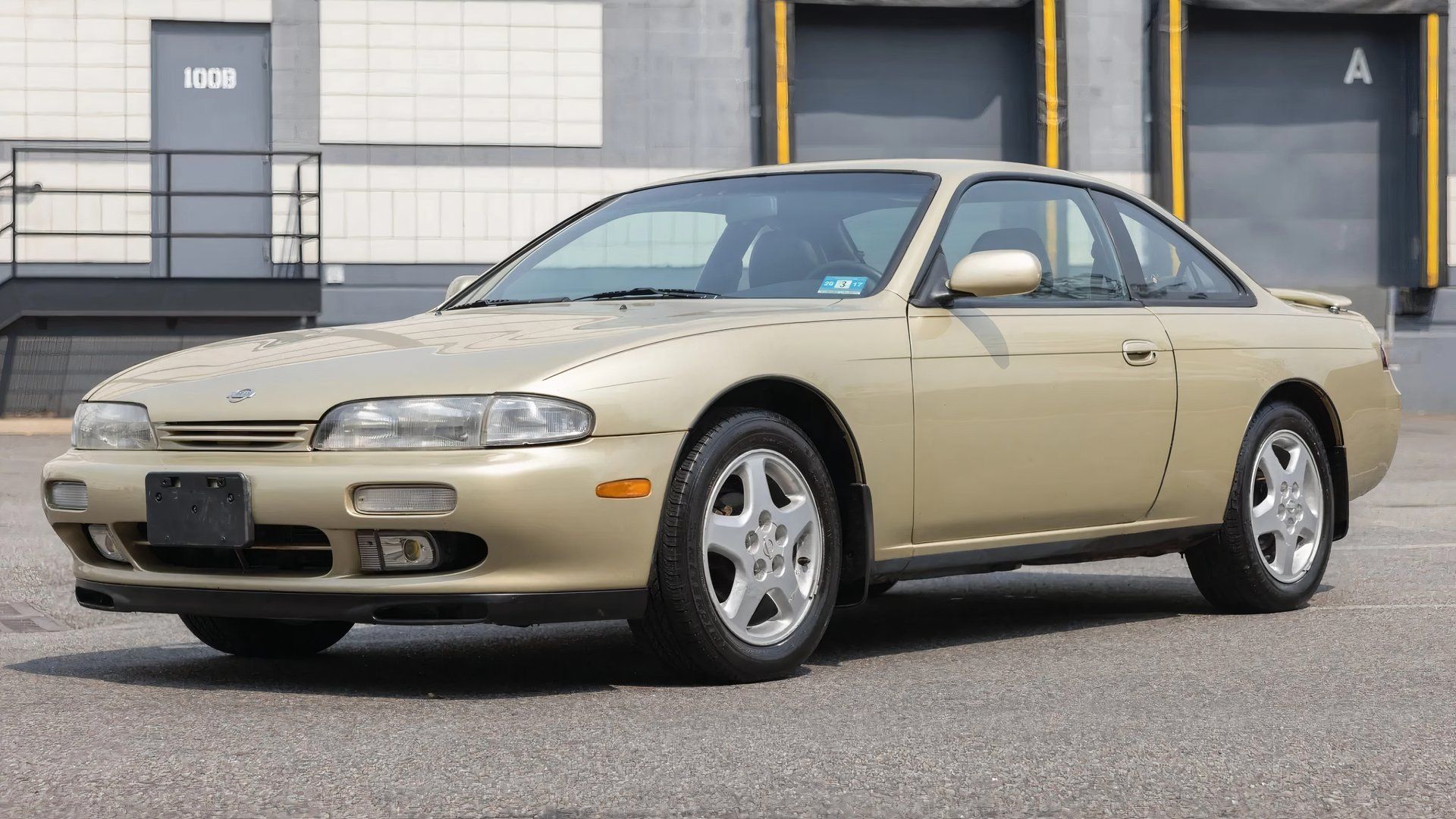
The 1990s were an inflection point for performance cars, and Japan played a crucial role in democratizing speed. Previously, going fast meant shelling out for European exotics or American muscle. Japanese brands disrupted this by offering sports cars that were both affordable and incredibly capable. Cars like the Mitsubishi Eclipse GSX, Nissan 240SX, and Subaru WRX GT turned the concept of attainable performance into a reality for everyday drivers.
One of the key elements in this revolution was turbocharging. Brands like Mitsubishi and Subaru brought turbocharged all-wheel-drive platforms to the streets, allowing for thrilling acceleration and grip in all conditions. The Mazda RX-7 and Toyota Supra proved that Japanese engineering could challenge, and in many cases, outperform, established European sports cars for a fraction of the cost. Meanwhile, cars like the Honda Prelude and Acura Integra GS-R offered high-revving engines and sharp handling without breaking the bank.
Crucially, Japan’s performance cars weren’t just fast in a straight line—they handled beautifully. Lightweight chassis designs, precise steering, and clever suspension tuning gave these cars agility that rivaled more expensive rivals. This accessible performance created a loyal following and a booming tuner scene that helped fuel even more enthusiasm for Japanese cars worldwide.
Related
The Most Underrated Luxury Cars Of The Last Decade
Below is a roundup of the most underrated luxury cars from the past ten years.
Kaizen – The Pursuit Of Continuous Improvement
Bring a Trailer
Behind Japan’s automotive success was a deeply ingrained cultural philosophy known as Kaizen, or continuous improvement. This principle permeated every level of vehicle development, from initial design to production and after-sales service. Rather than resting on their laurels after a successful model release, Japanese automakers continually refined their vehicles—sometimes even mid-generation—to make them incrementally better.
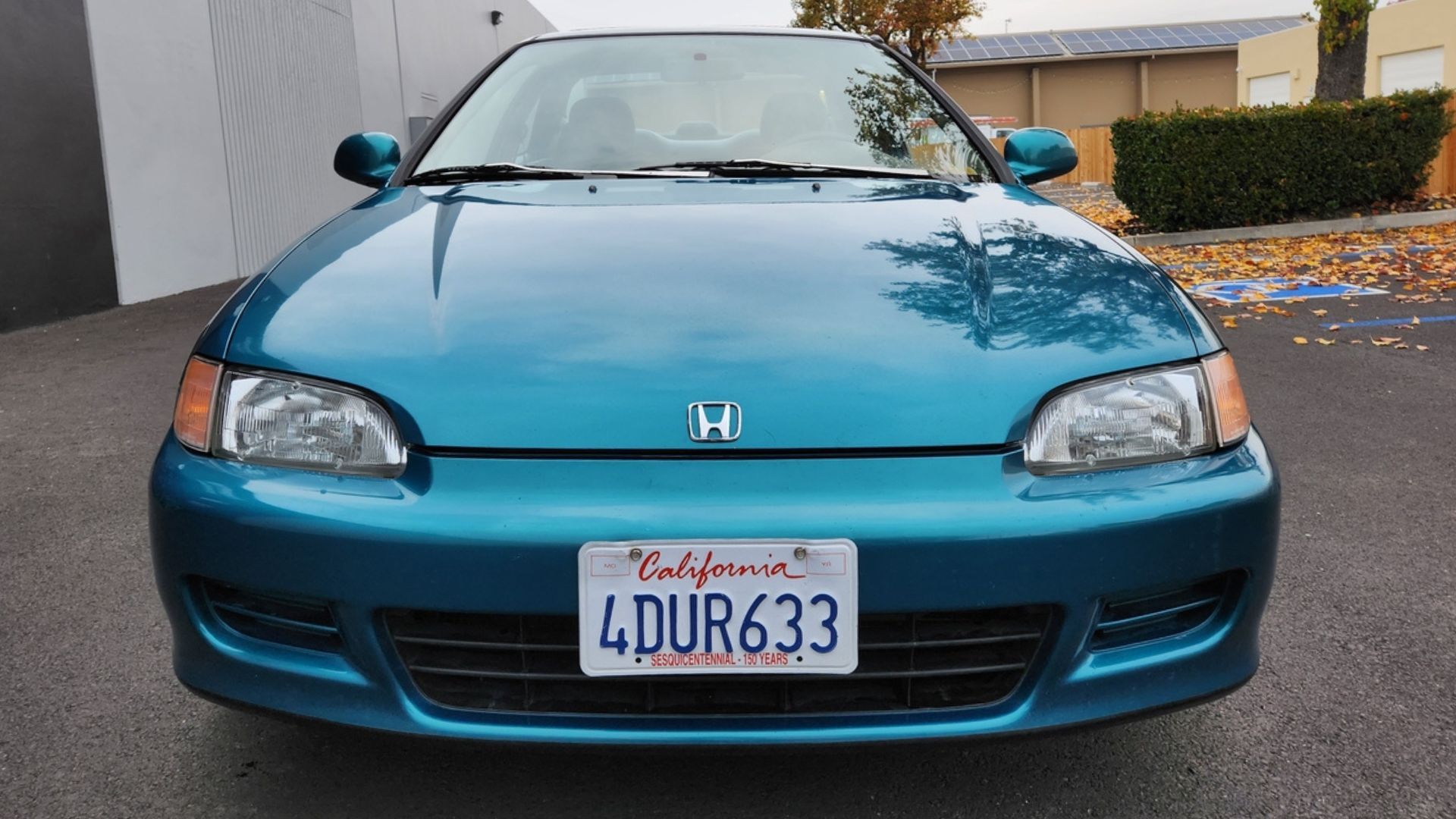
This commitment to evolution meant Japanese cars often aged better than competitors. Suspension tweaks, updated electronics, refined interiors, and revised gear ratios were commonly introduced in response to customer feedback and engineering insight. For example, the Honda Civic evolved dramatically within each generation, becoming increasingly refined and capable without significant price hikes. Similarly, Toyota continuously improved its engines to extract more efficiency and power while reducing emissions.
Kaizen also impacted how factories operated. Japanese production lines became models of efficiency and quality control, with just-in-time inventory systems and continuous employee training ensuring fewer defects and better-built vehicles. This manufacturing superiority wasn’t just theoretical—it showed up in global quality rankings year after year, reinforcing the trust buyers placed in Japanese brands.
The Rise of Legends Like the Supra, NSX, and RX-7
While the economy cars built the brand reputation, the ‘90s also saw the rise of halo models that defined Japanese performance. The Toyota Supra Mk4, Honda NSX, and Mazda RX-7 FD weren’t just great cars—they were proof that Japan could play in the same league as Ferrari, Porsche, and Corvette, and sometimes win.
The Toyota Supra Mk4, with its legendary 2JZ-GTE inline-six engine and twin turbos, became a tuning icon capable of producing over 1,000 horsepower with the right modifications. The NSX was a revolution in itself—a mid-engine supercar developed with input from Ayrton Senna, blending Honda’s noteworthy reliability with supercar performance. It forced brands like Ferrari to rethink their ergonomics and usability. The RX-7, meanwhile, showcased the exotic potential of the rotary engine, combining lightness, balance, and power into a timeless sports car package.
Toyota Supra Mk4 Performance Specifications
Engine
3.0-liter inline six-cylinder
3.0-liter turbocharged inline six-cylinder
Horsepower
220 HP @ 5800 RPM
326 HP @ 5600 RPM
Torque
210 LB-FT @ 4800 RPM
315 LB-FT @ 4000 RPM
Transmission
6-Speed Manual
6-Speed Manual
Fuel Economy (CMB)
18 MPG
18 MPG
0-60 MPH
6.3 Seconds
4.9 Seconds
These cars weren’t just great in their era—they’ve become cultural artifacts. The Supra’s role in The Fast and the Furious franchise and the NSX’s revered status among collectors today are testaments to their enduring impact. They proved that Japanese engineering wasn’t just about efficiency—it could also be emotional, dramatic, and downright thrilling.
Related
10 Japanese Cars That Are Now Classics
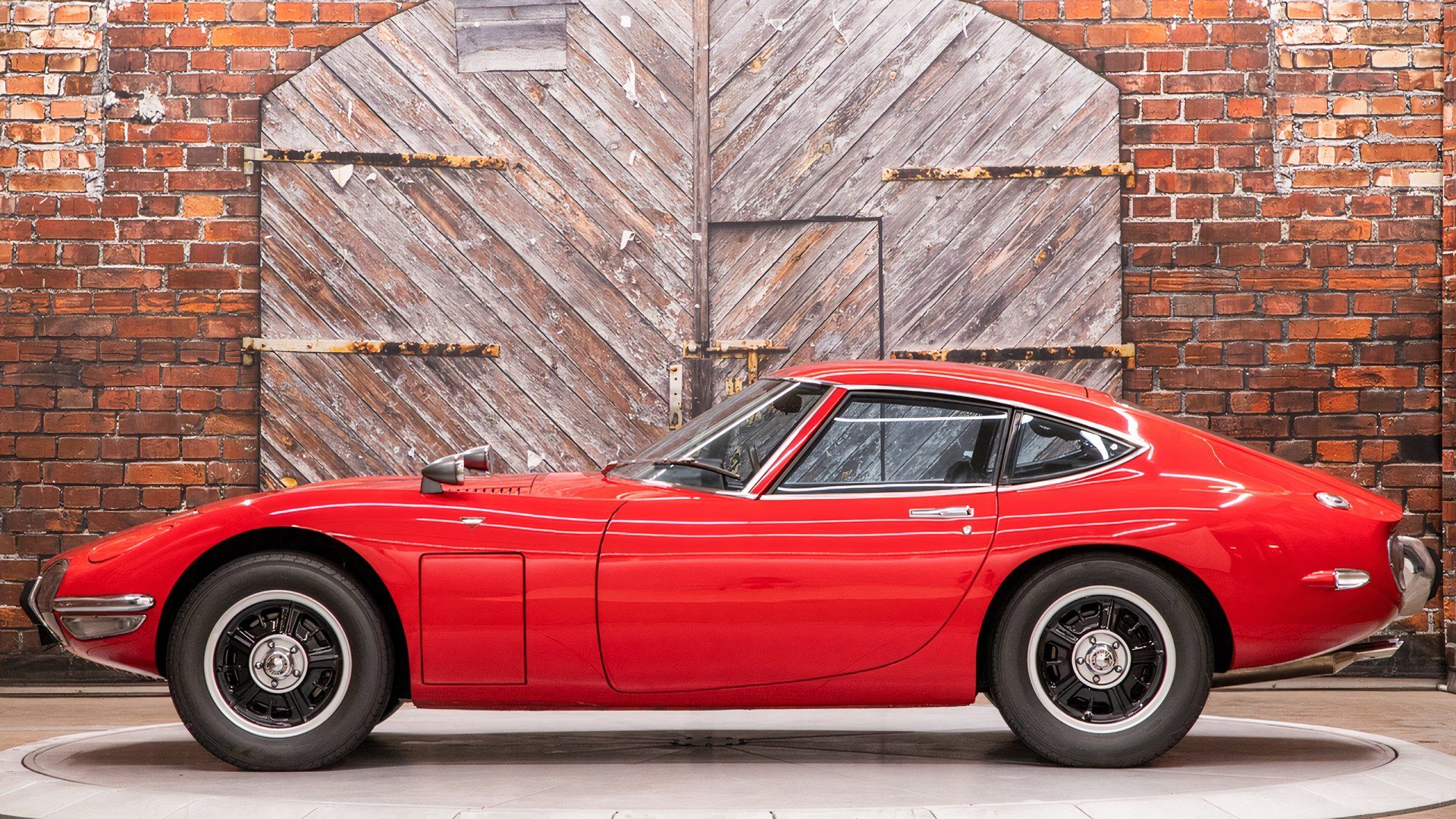
These cars didn’t just define Japan’s rise in the global automotive scene — they’ve become blue-chip collectibles.
How Japanese Cars Became A Canvas For Customization
Hampson Auctions
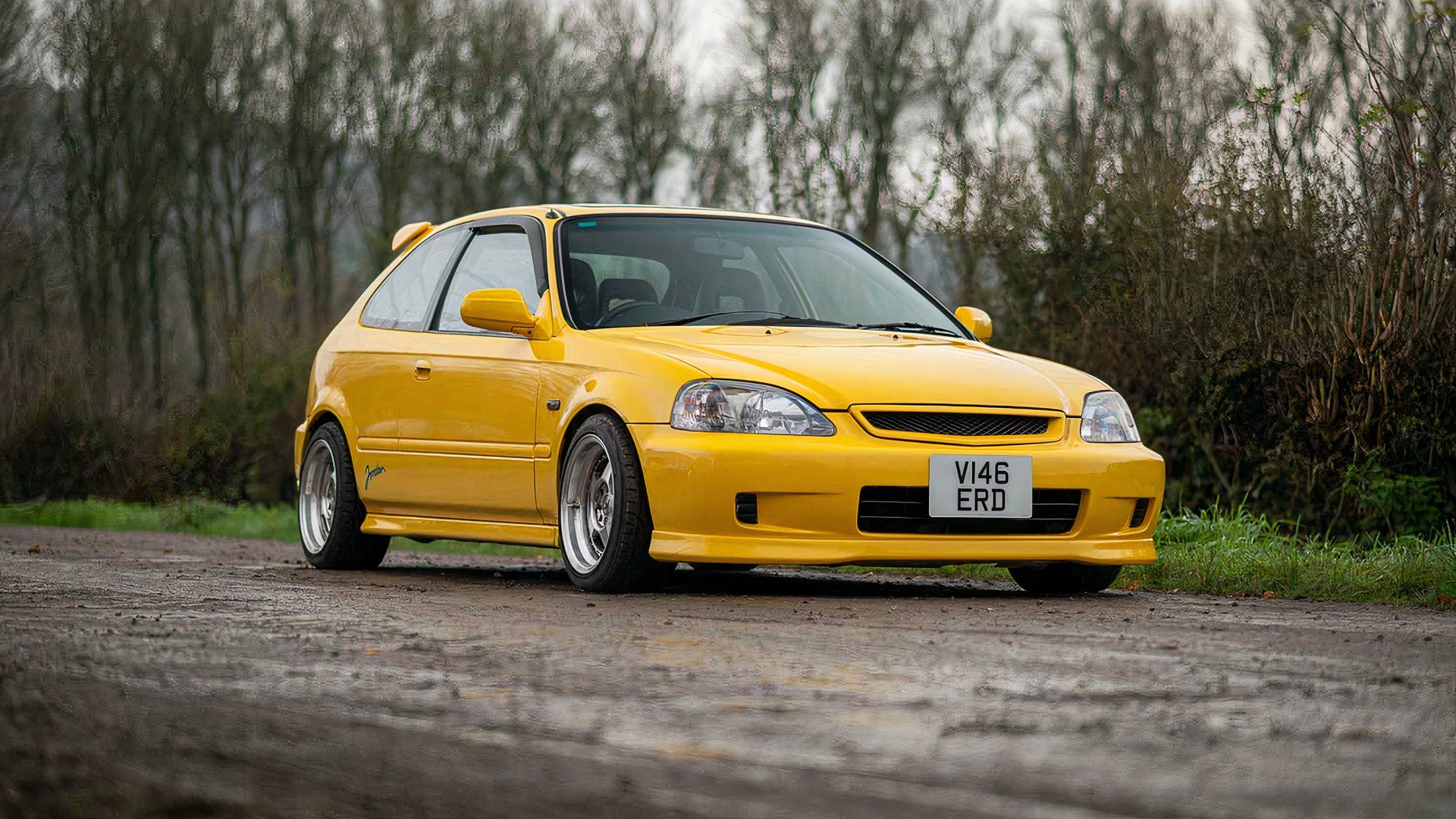
A major driver of Japanese car culture in the 1990s and early 2000s was the way these vehicles invited modification. Japanese cars weren’t just machines—they were blank canvases. Thanks to solid aftermarket support, intuitive engineering, and accessible platforms, cars like the Honda Civic, Nissan 240SX, and Toyota AE86 became favorites among DIY tuners and street racers.
This was the golden era of JDM (Japanese Domestic Market) enthusiasm. Enthusiasts imported rare parts from Japan, swapped engines, added turbochargers, body kits, neon lights, and elaborate sound systems. The emergence of tuning icons like HKS, Greddy, and A’PEXi made it easier than ever to upgrade performance and style. The tuning potential of cars like the Nissan Skyline GT-R or Mitsubishi Lancer Evolution became legendary, with many achieving supercar-like performance through simple bolt-ons and ECU tunes.
This customization culture also led to a vibrant community, both online and offline. Forums like Honda-Tech and Club4AG, as well as meetups and car shows, brought people together across regions and cultures. More than just cars, Japanese vehicles became social glue for an entire generation of gearheads who embraced individuality and self-expression.
Fuel Efficiency And Practicality: Winning the Daily Driver Battle
Bring A Trailer
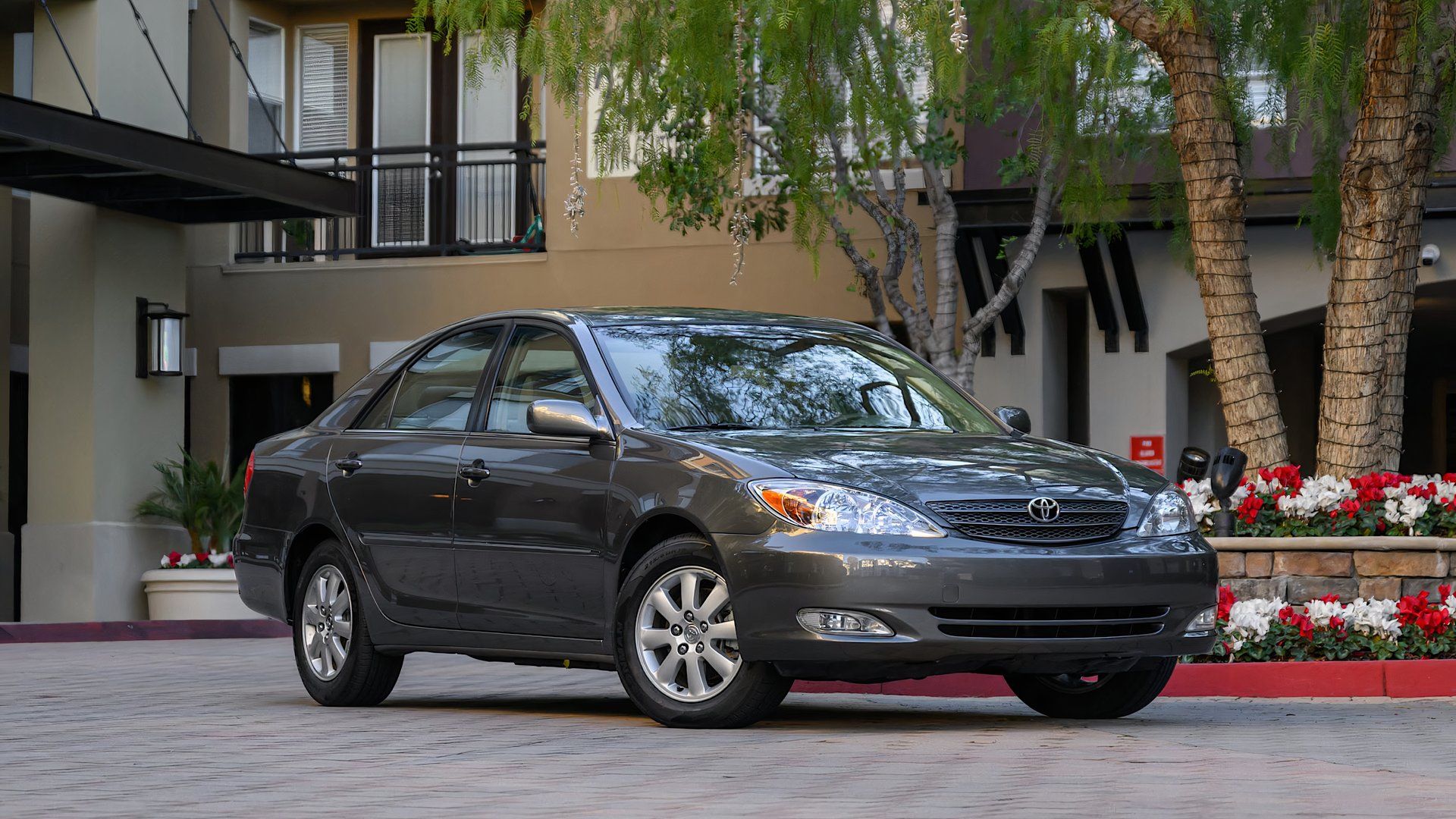
Beyond the performance and culture, Japanese cars were simply smarter choices for everyday use. At a time when gas prices were volatile and environmental concerns were mounting, Japanese automakers led the way in building fuel-efficient and practical vehicles. The Toyota Corolla, Honda Accord, and Nissan Sentra offered impressive mileage without sacrificing comfort or utility, making them ideal for commuters and families alike.
The genius of these cars wasn’t just in their engines—it was in their balance. They offered just enough power to make driving enjoyable while maximizing space, visibility, and usability. Hatchbacks like the Honda Civic or Toyota Echo provided incredible practicality in compact dimensions. And because they were engineered with longevity in mind, ownership costs stayed low thanks to reduced maintenance and superior fuel economy.
Even minivans and SUVs from Japanese brands, like the Toyota Sienna and Honda CR-V, brought fuel savings and practical interiors to American suburbs. With a no-nonsense approach to packaging and a focus on user experience, Japan redefined the family car for a new era, making it more efficient, more versatile, and far more reliable.
Related
10 Best Used Luxury SUVs Under $30,000
While depreciation hits luxury models harder than mainstream ones, it also creates tremendous value opportunities.
How Japan Took Over American Driveways

Crutchfield
By the early 2000s, the effects of Japanese automotive dominance were impossible to ignore in the U.S. Once dominated by domestic Big Three automakers, American driveways were steadily filled with Toyotas, Hondas, and Nissans. In fact, by 2001, Toyota’s Camry was the best-selling car in the United States—a symbolic victory that underscored a shift in consumer confidence and expectations.
Japanese cars delivered precisely what American families wanted: low running costs, high reliability, and user-friendly features. Dealership experiences were often less aggressive, warranties were strong, and customer service was improving steadily. Importantly, many Japanese automakers began building cars in the U.S., such as at Honda’s Ohio plant or Toyota’s Kentucky facility, which further boosted consumer confidence and avoided tariffs.
Becoming A Part Of American Culture
Over time, Japanese brands became domestic in their own right. The Honda Accord wasn’t viewed as a foreign product—it was seen as a smart choice made in America. This blend of global engineering and local production allowed Japanese automakers to cement their status as household names, permanently altering the automotive hierarchy in the largest car market in the world.
AloJapan.com