
Getty Images
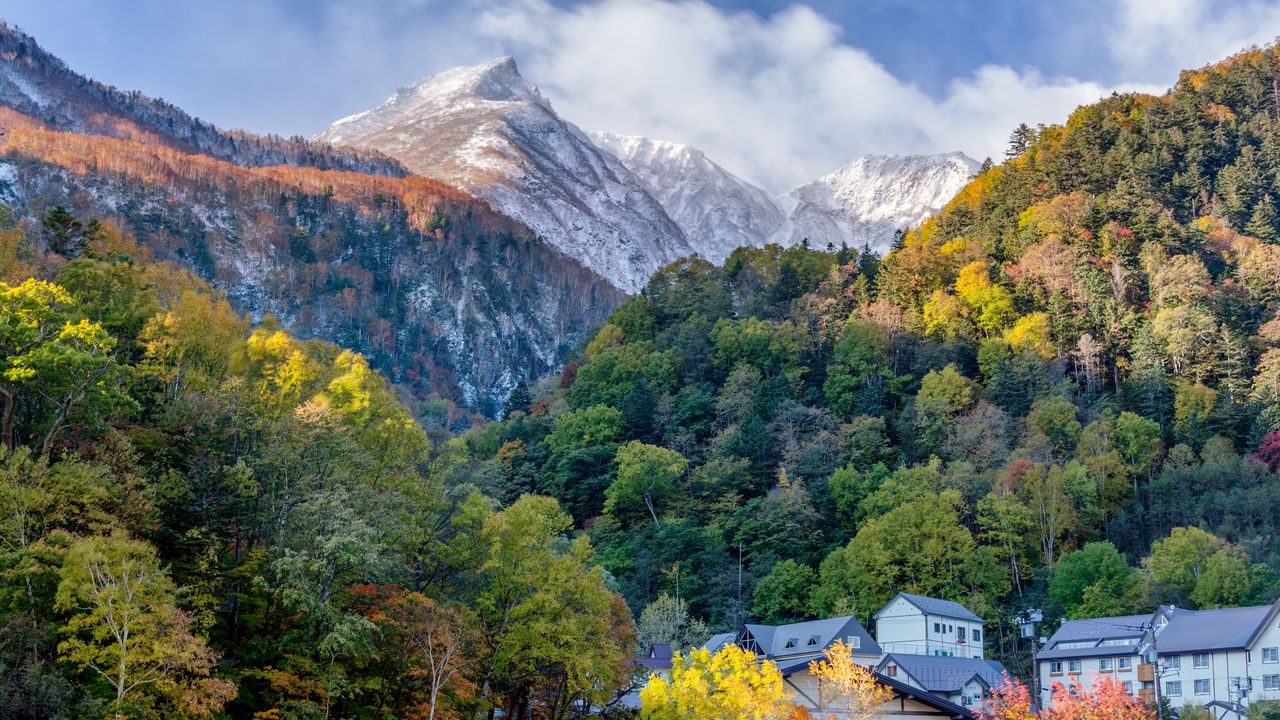
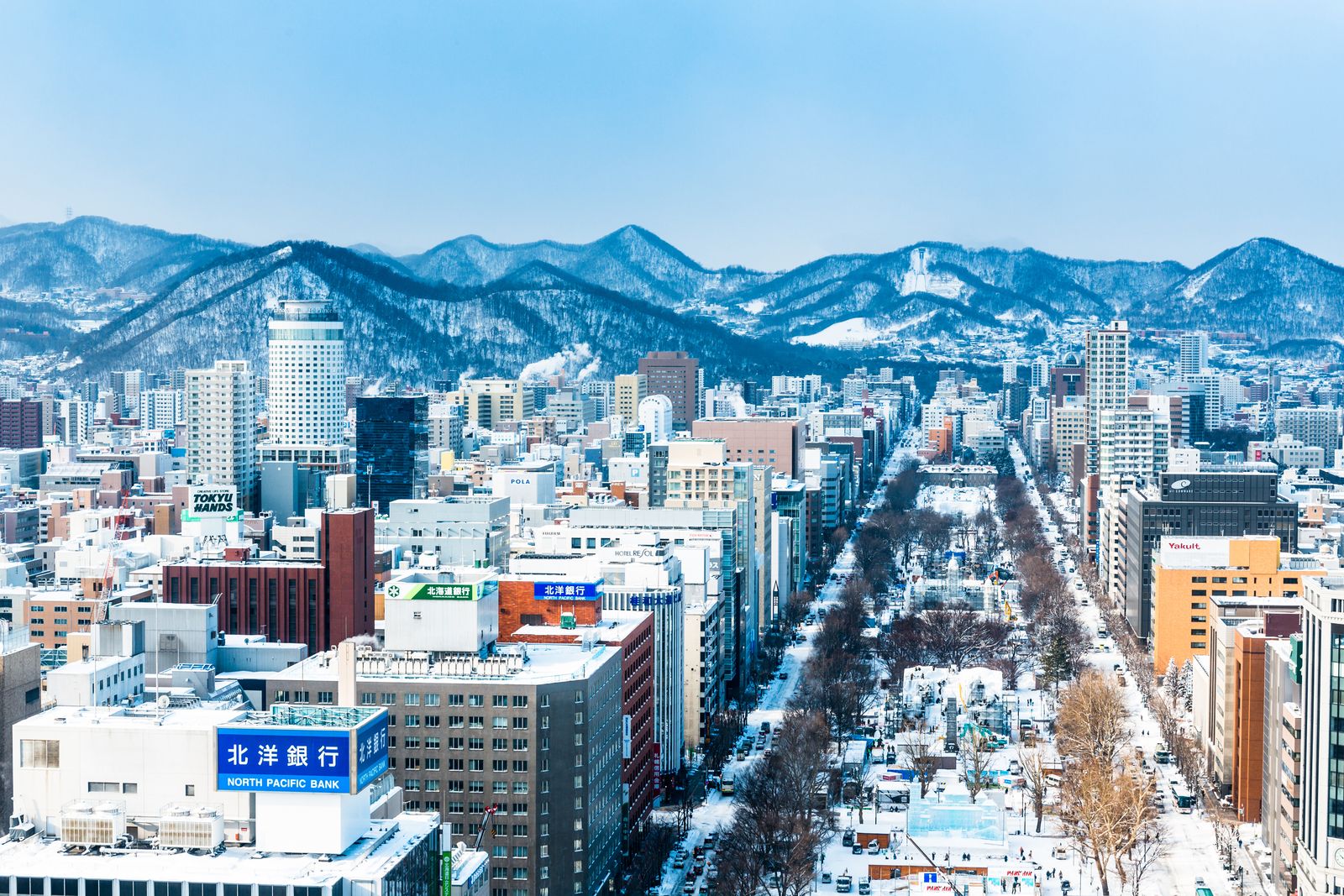
Hokkaido, for foodies and snowbirds
Though Hokkaido has been popping up on more and more US travellers’ itineraries, there’s still plenty of opportunities to explore Japan’s second-largest island—one of which is its food scene. “Here you’ll find the freshest seafood, the best dairy and meat—due to the variety of cattle farms on the island)—and some of the country’s best ramen in Sapporo, the largest city in Hokkaido,” says Neufville of Neufville Travel. On top of that, Hokkaido’s varied natural landscape is ripe for adventure: Golf, hiking, kayaking, and winter sports are extremely popular among locals and visitors alike.
The best time to visit Hokkaido will vary depending on what kind of trip you’d like to have. Neufville says snowbirds should visit in the winter for some of the world’s best skiing in Niseko and for the annual snow sculpture festival in Sapporo. “I like visiting in the spring during an annual ramen show in Sapporo and to see the lavender fields in Furano, a city in central Hokkaido,” she says. Autumn is the perfect window for taking in the gorgeous fall foliage and taking a dip in the island’s many onsen.
To get to Hokkaido, Neufville suggests flying into the airports in Tokyo or Osaka, then connecting to New Chitose Airport (CTS), which serves Sapporo. Rent a car and explore to your heart’s content—and don’t forget to book a room at the contemporary ryokan, Zaborin in the area around Niseko. “This has become one of my favourite hotels in the world for its exceptional service, beautifully designed rooms, sumptuous hot spring baths, and amazing food,” Neufville says.
Getty Images
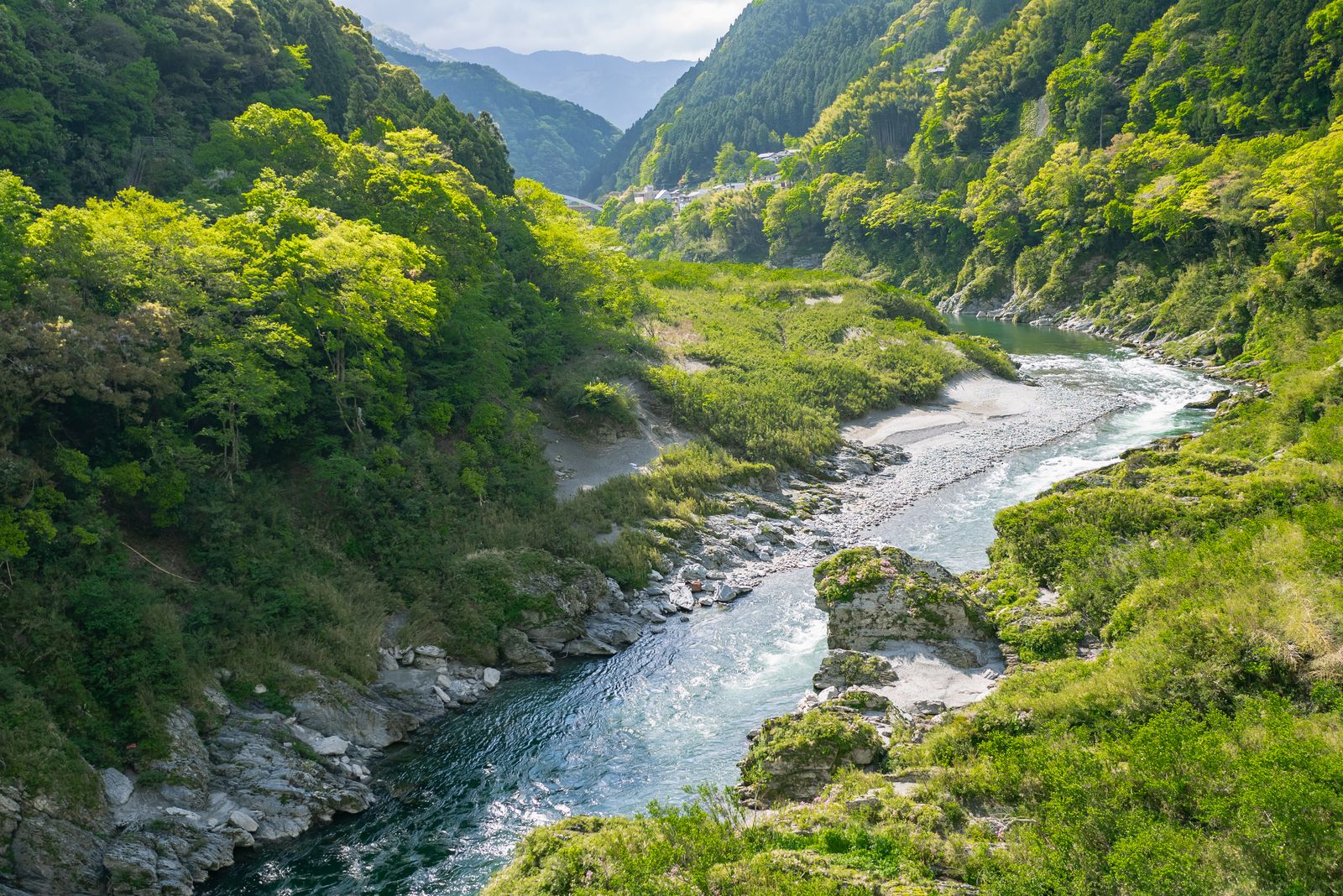
Iya Valley, for rugged adventure
Located on Shikoku, the smallest of Japan’s four major islands, Iya Valley is one of the country’s most remote and unspoiled areas, bursting with lush greenery and landscapes that will excite nature-loving travellers. “Its vine bridges, hot springs, and traditional thatched farmhouses transport you to an earlier era of Japan,” says Greenfield-Turk of Global Travel Moments. “It’s also a culinary gem, where the cuisine reflects the rugged land and rivers that nourish it.” The steep mountain slopes and deep gorges also make for a striking sight. If you’re not afraid of heights, try your hand (or foot?) at crossing the Iya Kazurabashi and the Oku-Iya Kazurabashi, two vine bridges—yes, literal bridges made of vines—and some of the best tourist attractions in the area.
AloJapan.com