

Japan has long produced some of the world’s most daring and emotionally punishing cinema. In both anime and live-action, the country’s filmmakers often dial the intensity up to 11, delivering gore, shock value, and psychological upheaval in spades. These movies don’t so grip you so much as latch onto your spine and refuse to let go.
With this in mind, this list ranks some of the most intense Japanese movies ever. The following ten films aren’t casual watches. They’re experiences. Whether they’re disorienting psychological puzzles, full-throttle bloodbaths, or slow descents into madness, these are stories that leave bruises.
10
‘Fires on the Plain’ (1959)
Directed by Kon Ichikawa
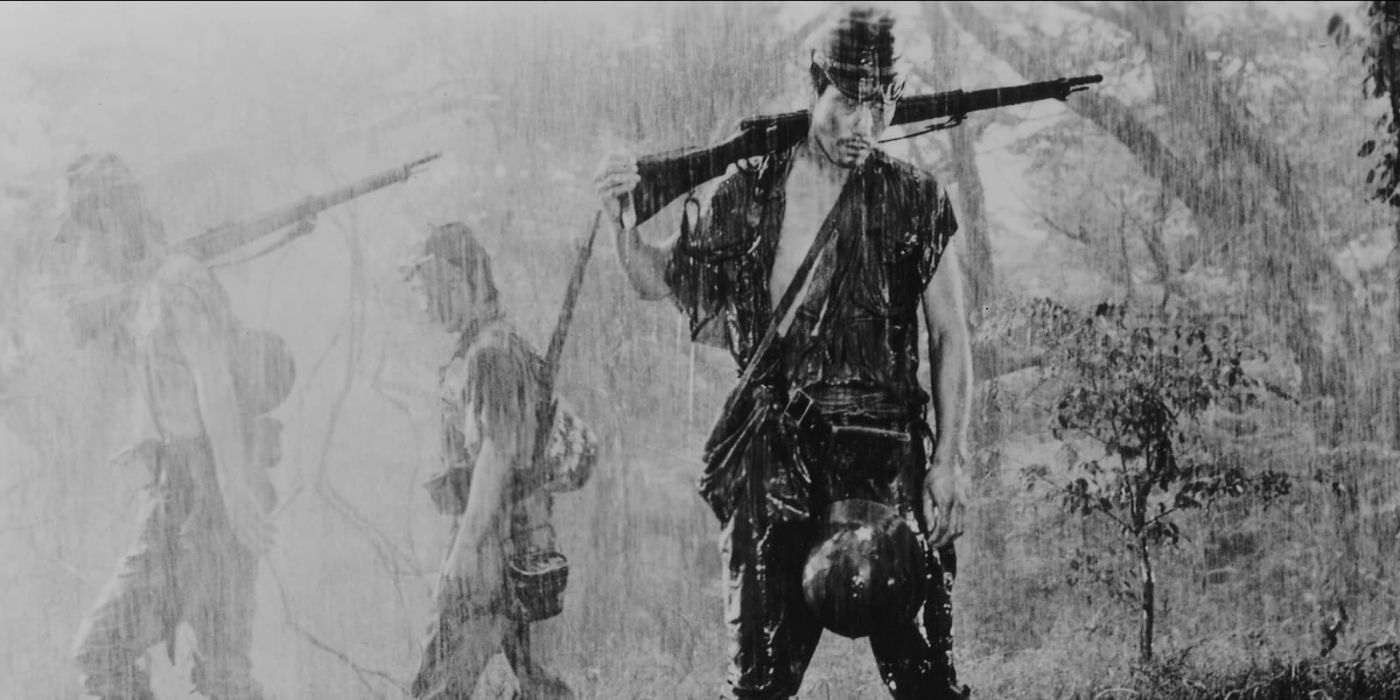
Image via Daiei Film
“If I can’t eat, I’ll die. But if I eat, I’ll still die.” Fires on the Plain is a movie whose intensity comes from its realism. Set in the dying days of World War II, it follows a Japanese soldier (Eiji Funakoshi) with tuberculosis abandoned in the Philippine jungle, spiraling through starvation, madness, and the total collapse of civilization. His mind slowly degrades as corpses pile around him and morals rot.
Some would argue that there are no true anti-war films, but here, Kon Ichikawa’s direction strips battle of glory, leaving only hunger, rot, and the instinct to survive. The pacing is hypnotic, the imagery stark and unforgettable—charred bodies, wide-eyed desperation, and jungle silence that screams louder than bullets. Few war films dare to reach such bleak psychological depths. Ultimately, Fires on the Plain is an endurance test not because of what it shows, but because of how honestly it stares into the void.
9
’13 Assassins’ (2010)
Directed by Takashi Miike
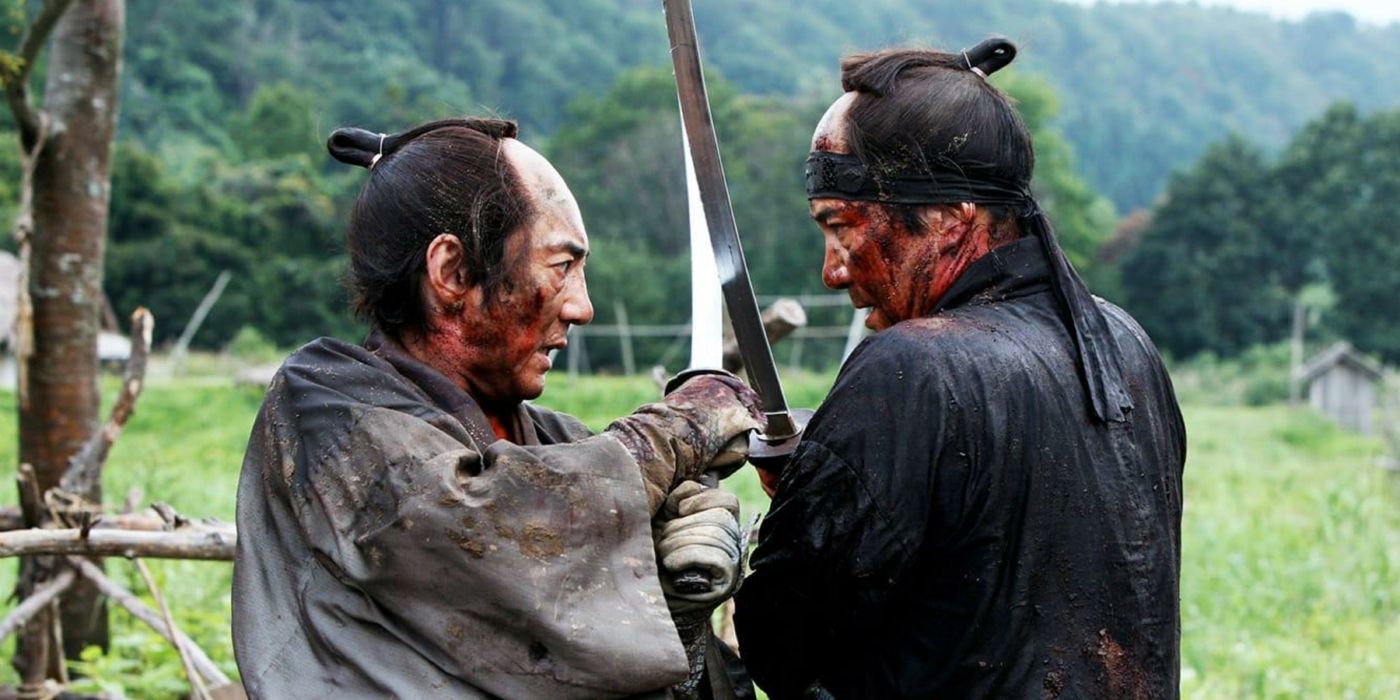
Image via Toho
“This is a massacre.” Takashi Miike, a certified master of intense cinema, channels Kurosawa with this period epic. The movie begins with slow and surprisingly restrained, simmering tension, all samurai politics, whispered treachery, and noble oaths, and then erupts into one of the most sustained action sequences in modern cinema. The plot follows a group of thirteen warriors tasked with assassinating a sadistic nobleman in a climactic ambush that turns an entire village into a war zone.
In short, 13 Assassins takes its time, then pays off with a crescendo of controlled brutality. When the blades start swinging, all hell breaks loose. But it’s not mindless action; it’s operatic and chaotic, filmed with a savage elegance that Miike somehow maintains over nearly an hour of screen time. Characters you barely noticed suddenly die heroically; others turn berserk. The violence is bone-crunching but never cartoonish. It’s exhausting, in the best way.
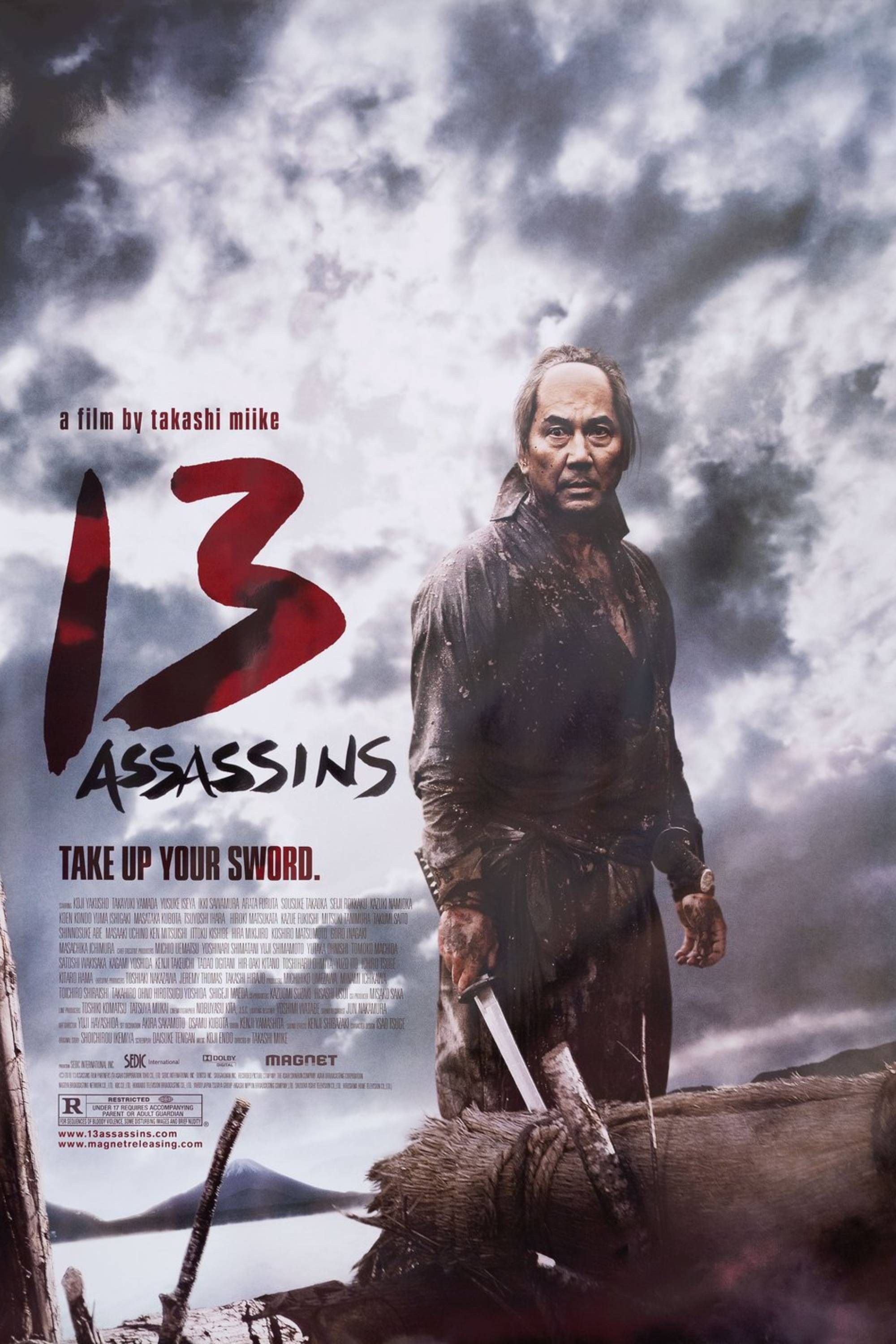
13 Assassins
Release Date
September 9, 2010
Runtime
141 Minutes
8
‘Tokyo Gore Police’ (2008)
Directed by Yoshihiro Nishimura
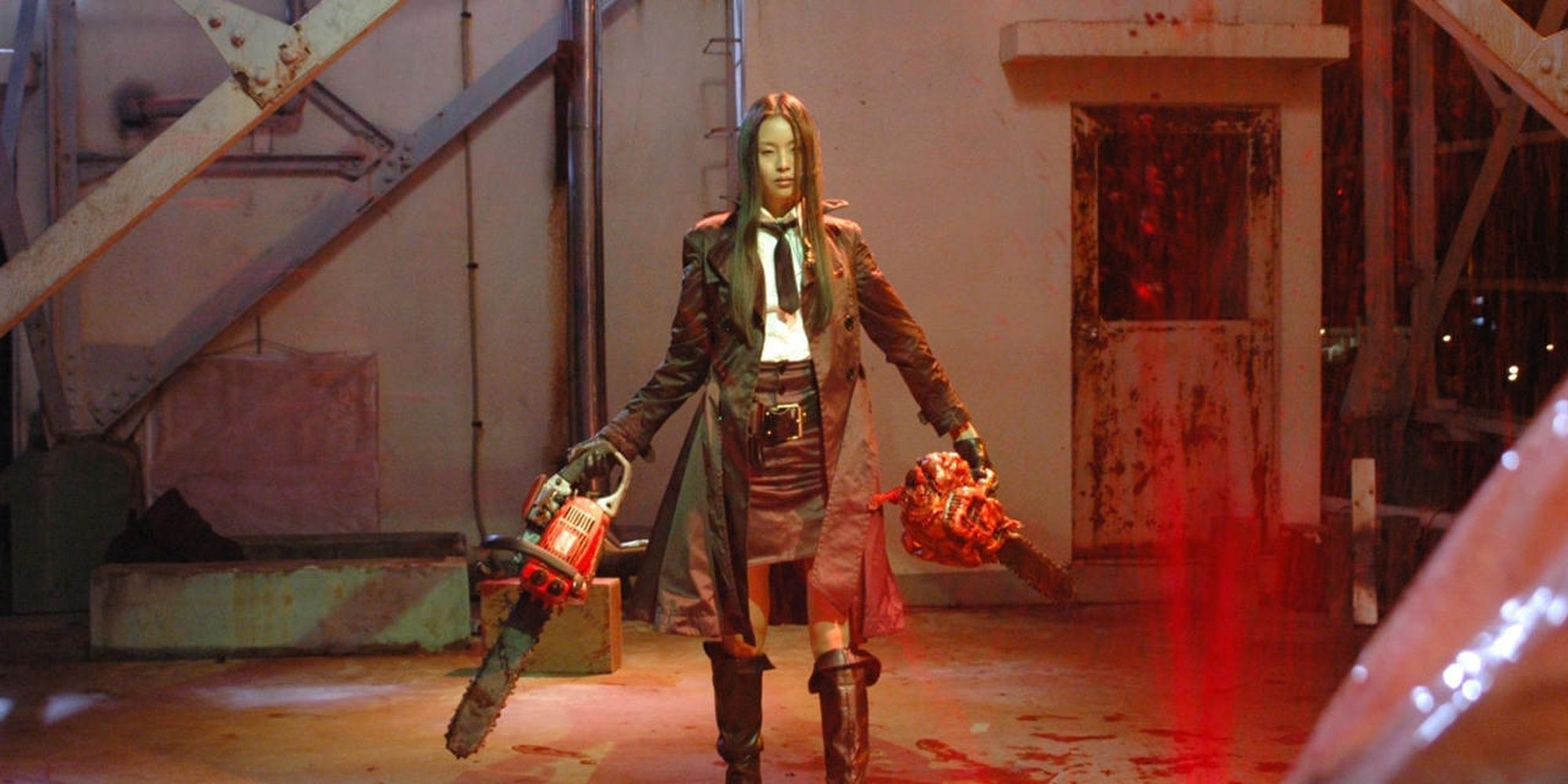
Image via Sony Pictures
“Pain is a function. So is pleasure.” The fantastically titled Tokyo Gore Police unfolds in a dystopian future where a privatized police force battles grotesquely mutated criminals known as Engineers. At the center of this is Ruka (Eihi Shiina), a stoic cop with a tragic past, who uncovers a conspiracy linking her father’s assassination to the biotech warfare she’s now tasked with ending. But story here is secondary. The real draw is the delirious aesthetic chaos.
Indeed, Tokyo Gore Police is a symphony of arterial spray, body horror, and satirical violence. Director Yoshihiro Nishimura stages violence like performance art, with geysers of blood, fetishistic weapon-limbs, and flesh transformed into surrealist sculpture. Some will dismiss the flick as empty mayhem aimed at teenage boys, but beneath all this carnage is a pointed critique of authoritarianism, corporate overreach, and media desensitization. It’s disgusting, excessive, and somehow weirdly beautiful. More cartoon than nightmare, but no less disturbing for it.
7
‘Confessions’ (2010)
Directed by Tetsuya Nakashima
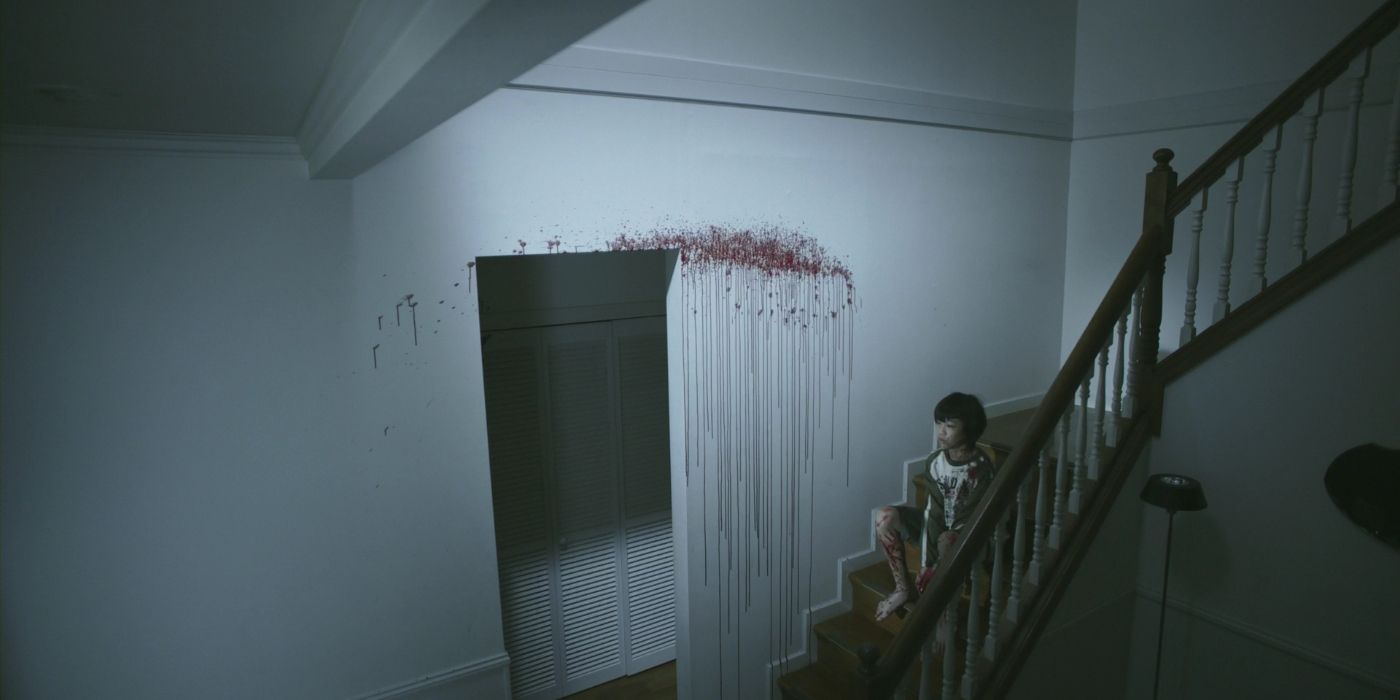
“This is a confession. And it will change everything.” A middle-school teacher (Takako Matsu) loses her daughter to what appears to be a tragic accident. But when she reveals to her students that two of them were responsible—and that she’s already taken revenge—the classroom becomes a slow-moving explosion. The movie whips around in time, slowly revealing the truth. Every scene that follows digs deeper into cruelty, guilt, manipulation, and trauma.
Adapted from an acclaimed novel, Confessions is stylized, full of dreamy slow motion and icy narration, but the emotions are anything but cool. The plot spirals with surgical precision, each new reveal cutting deeper than the last. What makes it so intense isn’t just the violence; it’s the psychology. Everyone in the film is broken. All of them inhabit truly dark spiritual places. And the more we understand them, the harder it is to look away. This is cinema as psychological razor blade, sharp and glittering.
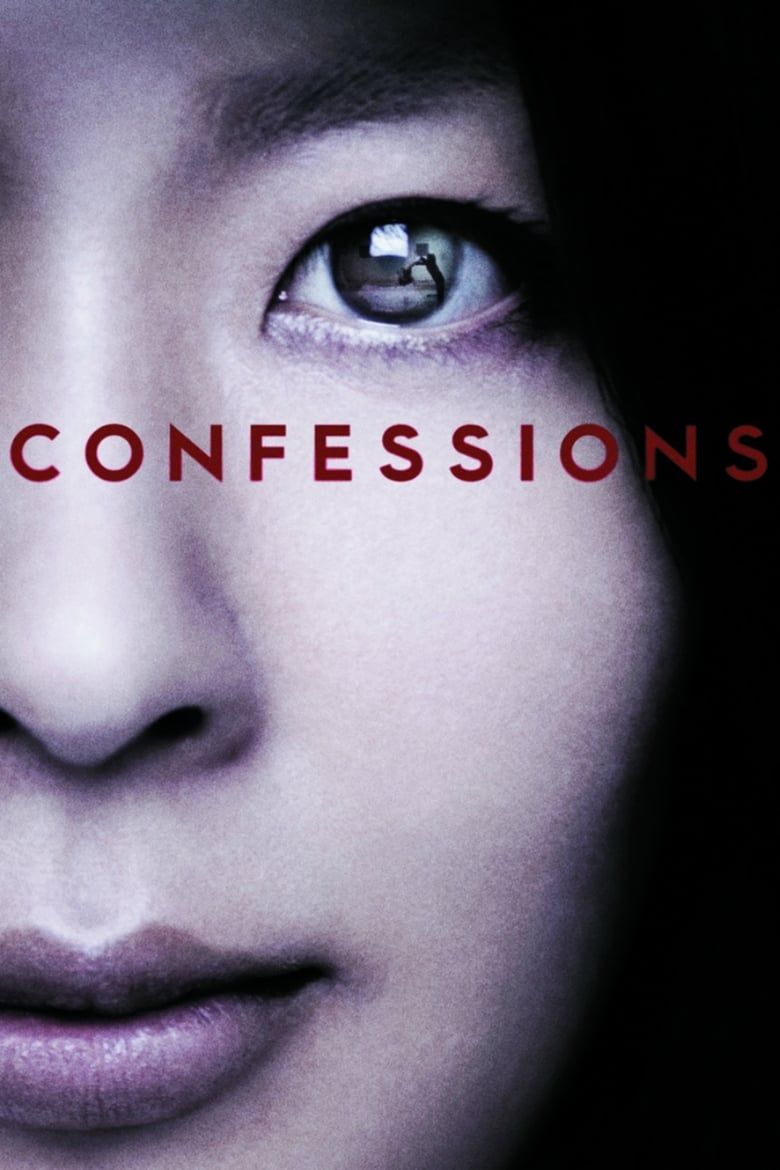
Confessions
Release Date
June 4, 2010
Runtime
107 minutes

Takako Matsu
Yuko Moriguchi
Masaki Okada
Yoshiteru Terada
Yoshino Kimura
Naoki’s Mother
Yukito Nishii
Shuya Watanabe
6
‘The World of Kanako’ (2014)
Directed by Tetsuya Nakashima
“I want to see my daughter. I need to know who she was.” When a disgraced former detective (Kōji Yakusho) searches for his missing daughter (Nana Komatsu), he finds not a helpless victim but a chilling void; an abyss of lies, seduction, and unimaginable violence. Every clue leads deeper into depravity, and the man’s own rage and self-destruction mirror the chaos around him. There’s blackmail, murder, misdirection, and torture by the yakuza.
As the search turns to obsession, the line between truth and illusion dissolves, and the plot swerves in unexpected directions. Tetsuya Nakashima directs all this with unhinged flair: manic editing, saturated colors, split screens, and bursts of violence that feel almost musical. But beneath the visual chaos is pure darkness. The World of Kanako isn’t a mystery; it’s an unraveling. There’s no catharsis, no redemption—just brutality and heartbreak. Watching it is like being dragged through shattered glass.
5
‘Cure’ (1997)
Directed by Kiyoshi Kurosawa
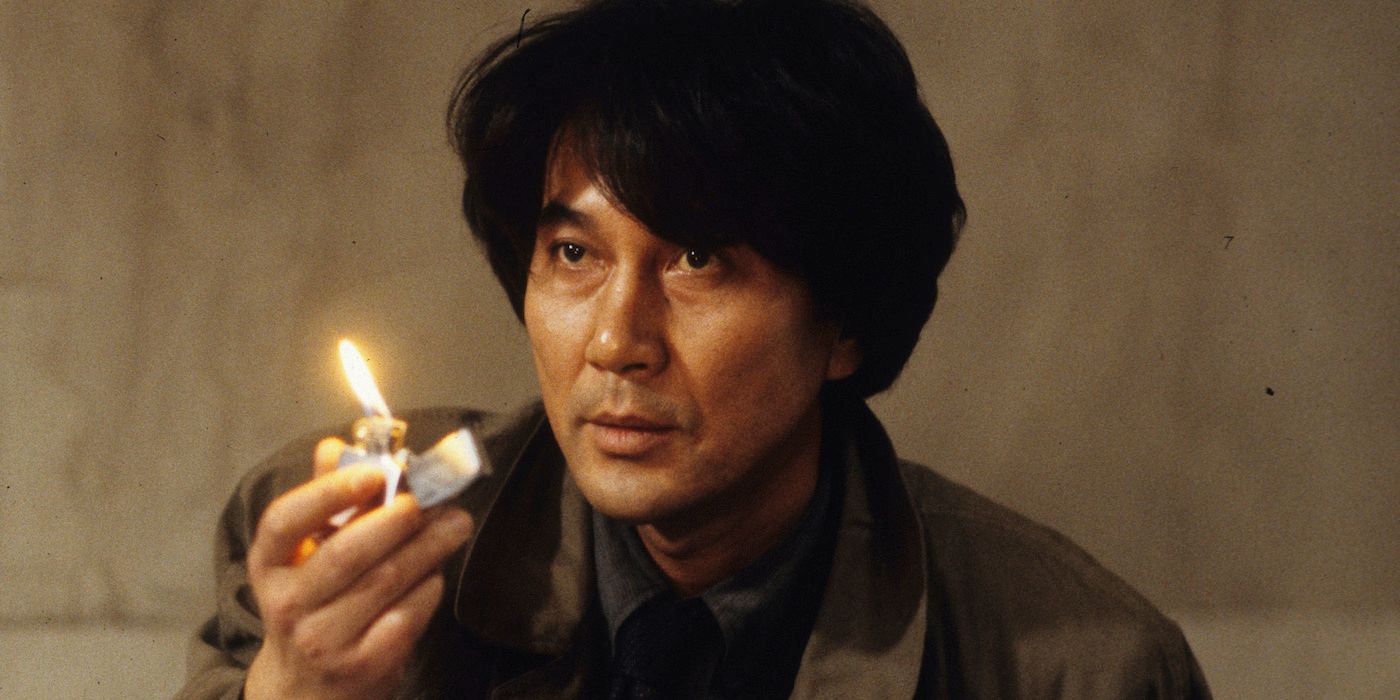
Image via Shochiku-Fuji Company
“I don’t make people kill. I just remove their restraints.” A string of murders hits Tokyo. In each case, the killer has no memory of the crime and the victims all have an X carved into their necks. A detective (Kōji Yakusho) investigates, leading him to a mysterious drifter (Masato Hagiwara) who speaks in riddles and seems to unlock something in the minds of everyone he meets.
This is the grimmest of neo-noir, culminating in a delectably bleak ending. Indeed, the movie’s darkness would help kick off the J-horror explosion in the late ’90s and early 2000s. The pacing is glacial, the shots static and haunting. But beneath the calm is a pulse of dread that never lets up. Cure isn’t about answers, but atmosphere. The horror here is existential, a quiet terror of influence and identity. Like all great slow burns, Cure doesn’t shock you—it gets under your skin and rots.
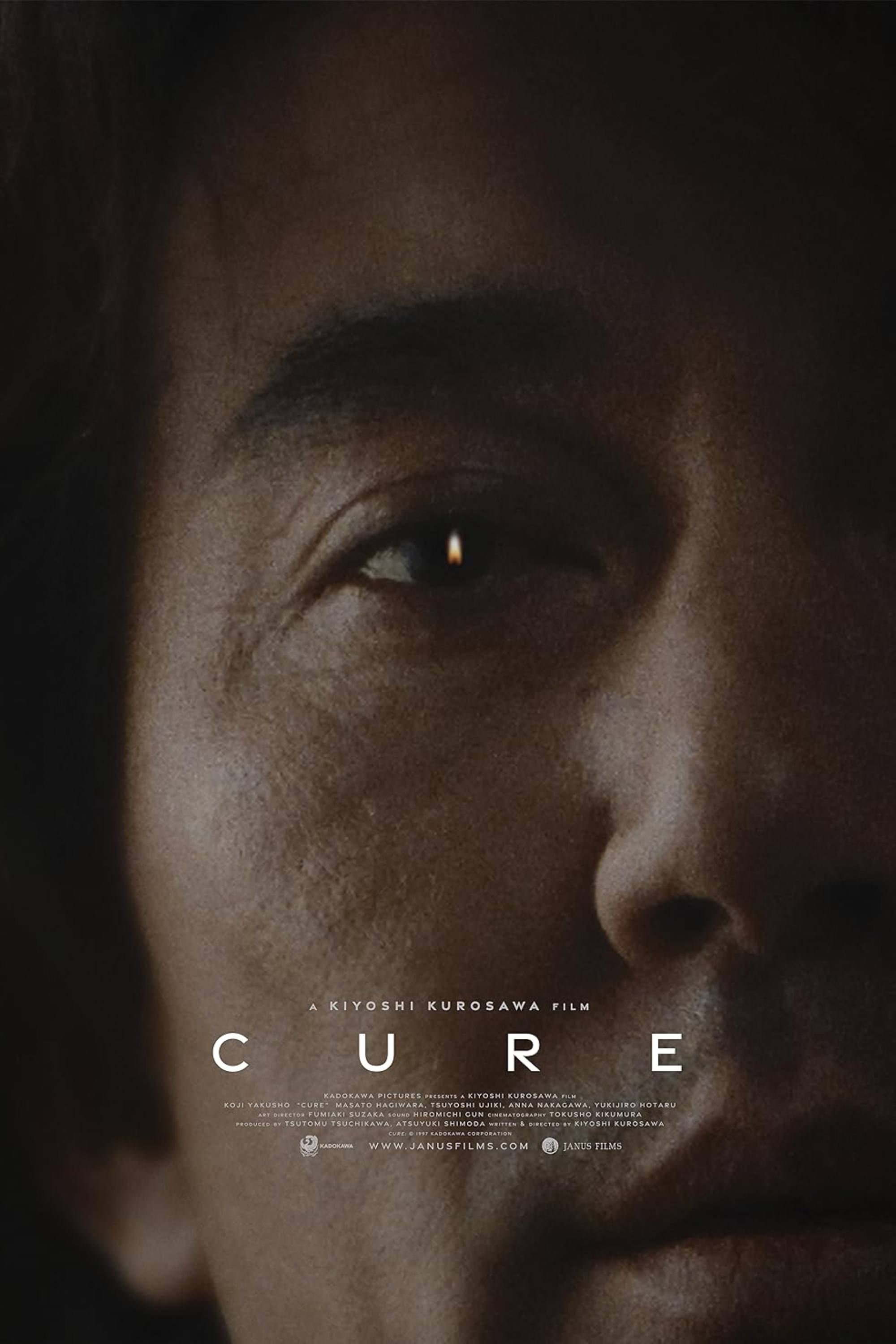
Cure
Release Date
December 27, 1997
Runtime
111 Minutes
Director
Kiyoshi Kurosawa
Writers
Kiyoshi Kurosawa

4
‘Audition’ (1999)
Directed by Takashi Miike
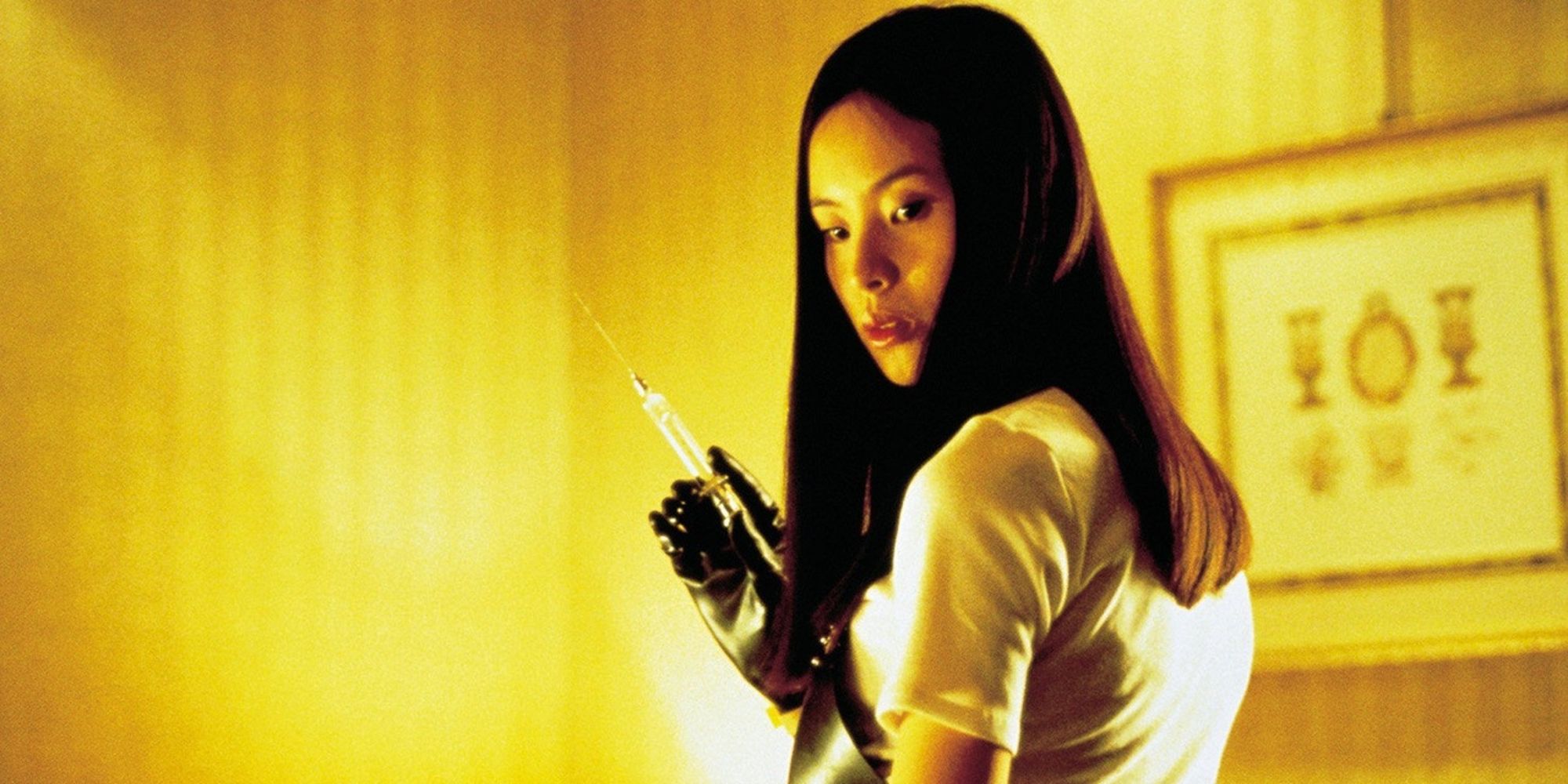
Image via American Cinemateque
“You want to know me better, don’t you?” Miike strikes again. Audition was the movie that cemented his status as an offbeat auteur, and its influence on torture horror still lingers. It starts like a gentle drama: a widower (Ryo Ishibashi) is convinced by his friend to hold fake auditions for a new wife (Eihi Shiina). He meets a quiet, elegant young woman who seems perfect. Slowly, and then all at once, everything falls apart. What seems like a sweet romance becomes a waking nightmare.
It works because Miike builds the tension with excruciating patience. Red flags pile up, but the protagonist (and the viewer) brushes them aside. Then, in its final act, the film detonates. Audition is infamous for good reason: the final sequence is among the most disturbing in cinema. But what makes it unbearable isn’t just the gore; it’s the shift from control to chaos, from fantasy to hell. Not for nothing, Tarantino called it a “true masterpiece if there ever was one”.
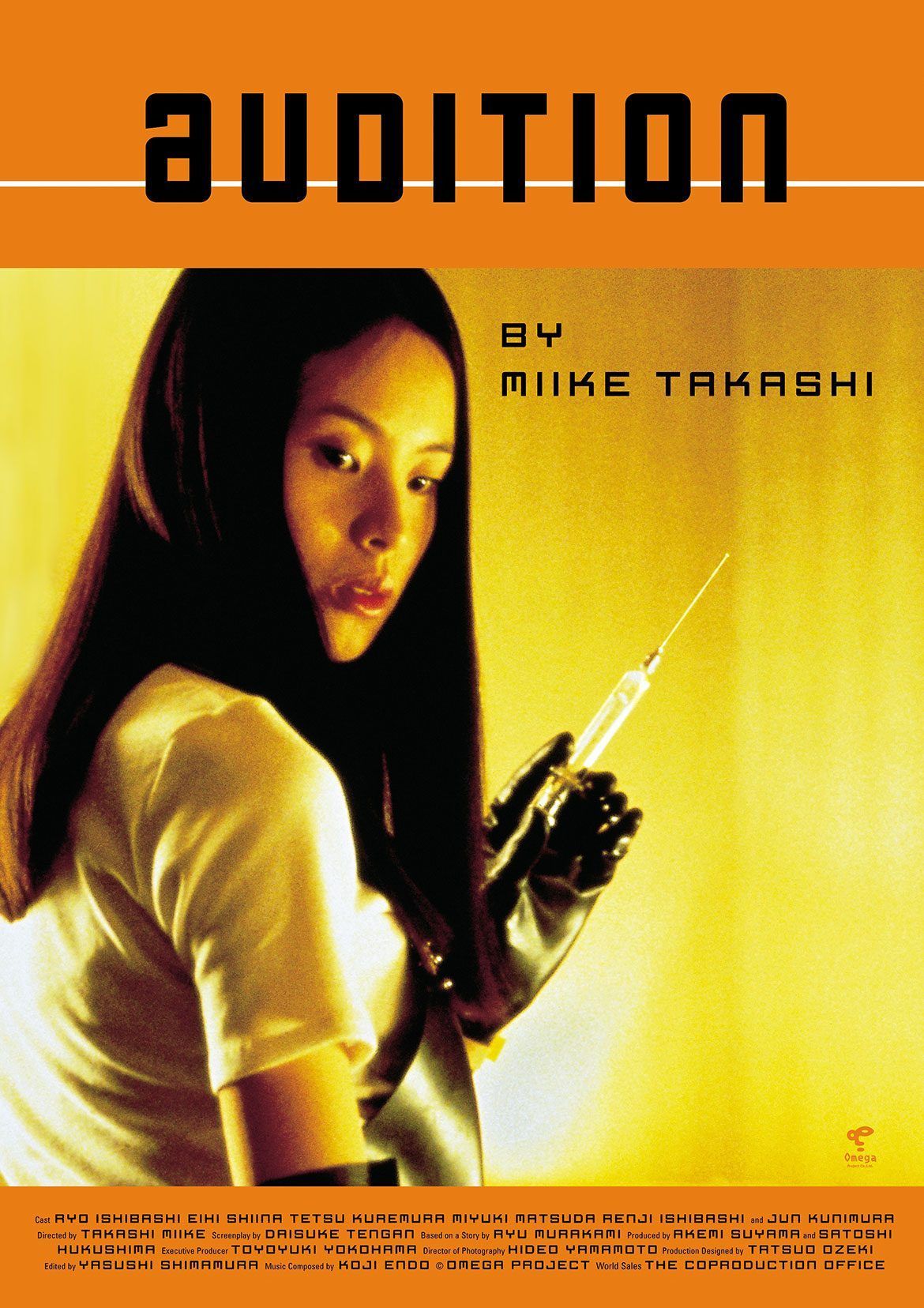
Audition
Release Date
March 3, 2000
Runtime
115 minutes
3
‘Evil Dead Trap’ (1988)
Directed by Toshiharu Ikeda
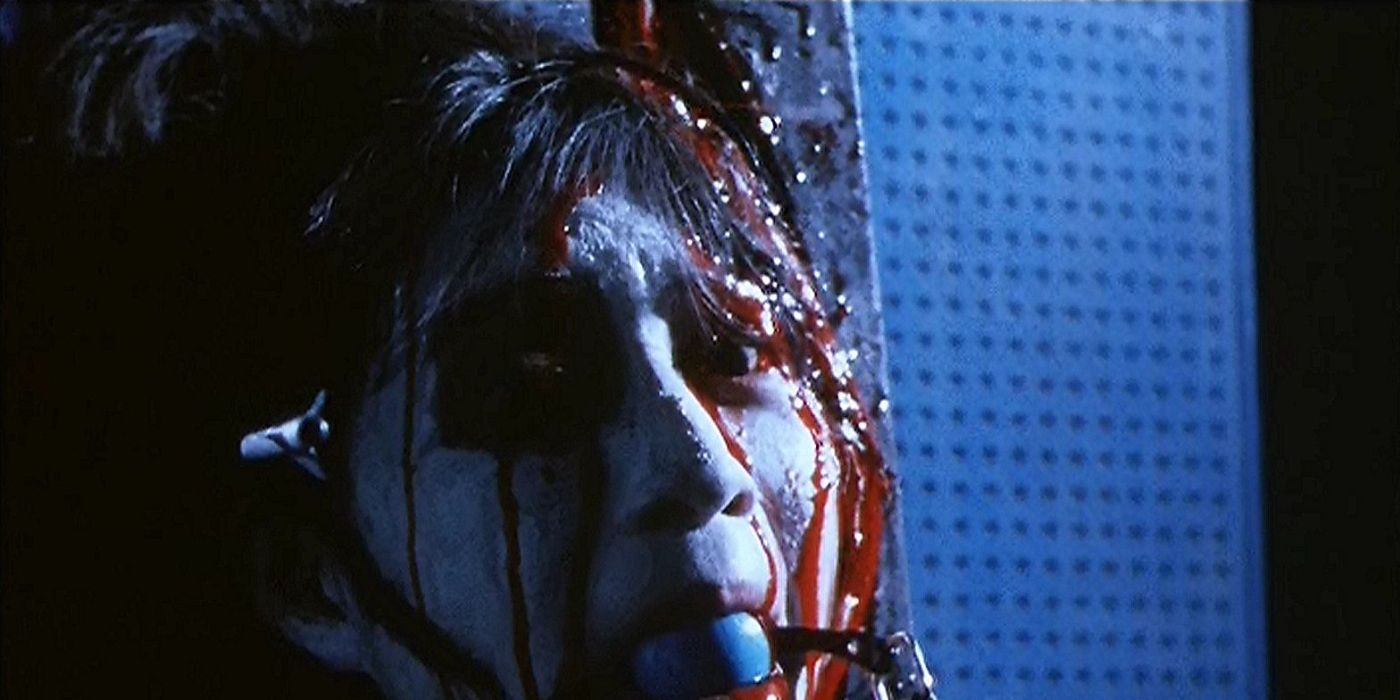
“You came here to die, didn’t you?” A late-night TV host named Nami (Miyuki Ono) receives a disturbing snuff tape and decides to investigate with her crew. They head to an abandoned industrial complex, where things rapidly unravel into a series of nightmarish deaths and surreal horrors. A fairly straightforward investigative journalism plot turns into something far more primal and otherworldly. Eventually, it’s just Nami left, and she makes for one of the most compelling “final girls” of the ’80s.
Clearly inspired by Argento and early Cronenberg, Evil Dead Trap blends slasher tropes with gory body horror and dreamlike sequences that feel half-remembered and wholly unsettling. The violence is brutal, the editing jarring, and the entire film pulses with chaotic energy. This is not a movie that makes sense in a tidy way, but its madness is deliberate, infectious. It’s a deep dive into the irrational, and it dares you to follow.
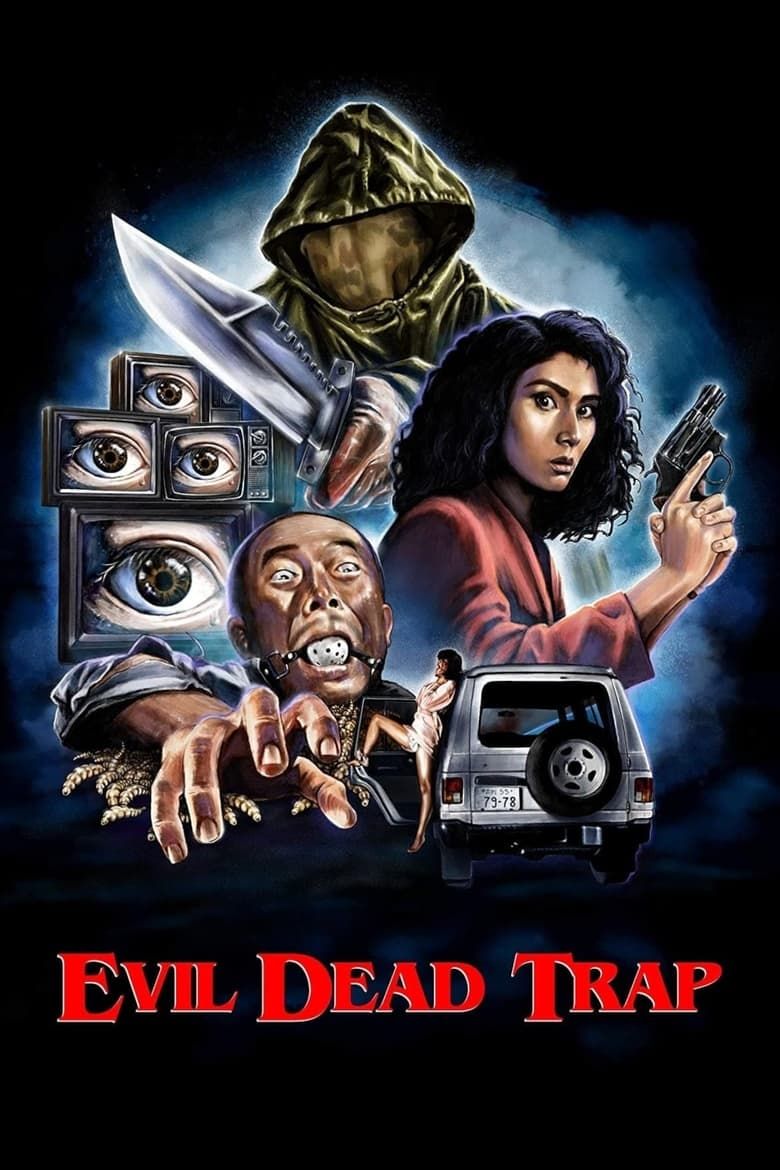
Evil Dead Trap
Release Date
May 14, 1988
Runtime
100 minutes
Director
Toshiharu Ikeda
Writers
Takashi Ishii
2
‘Battle Royale’ (2000)
Directed by Kinji Fukasaku
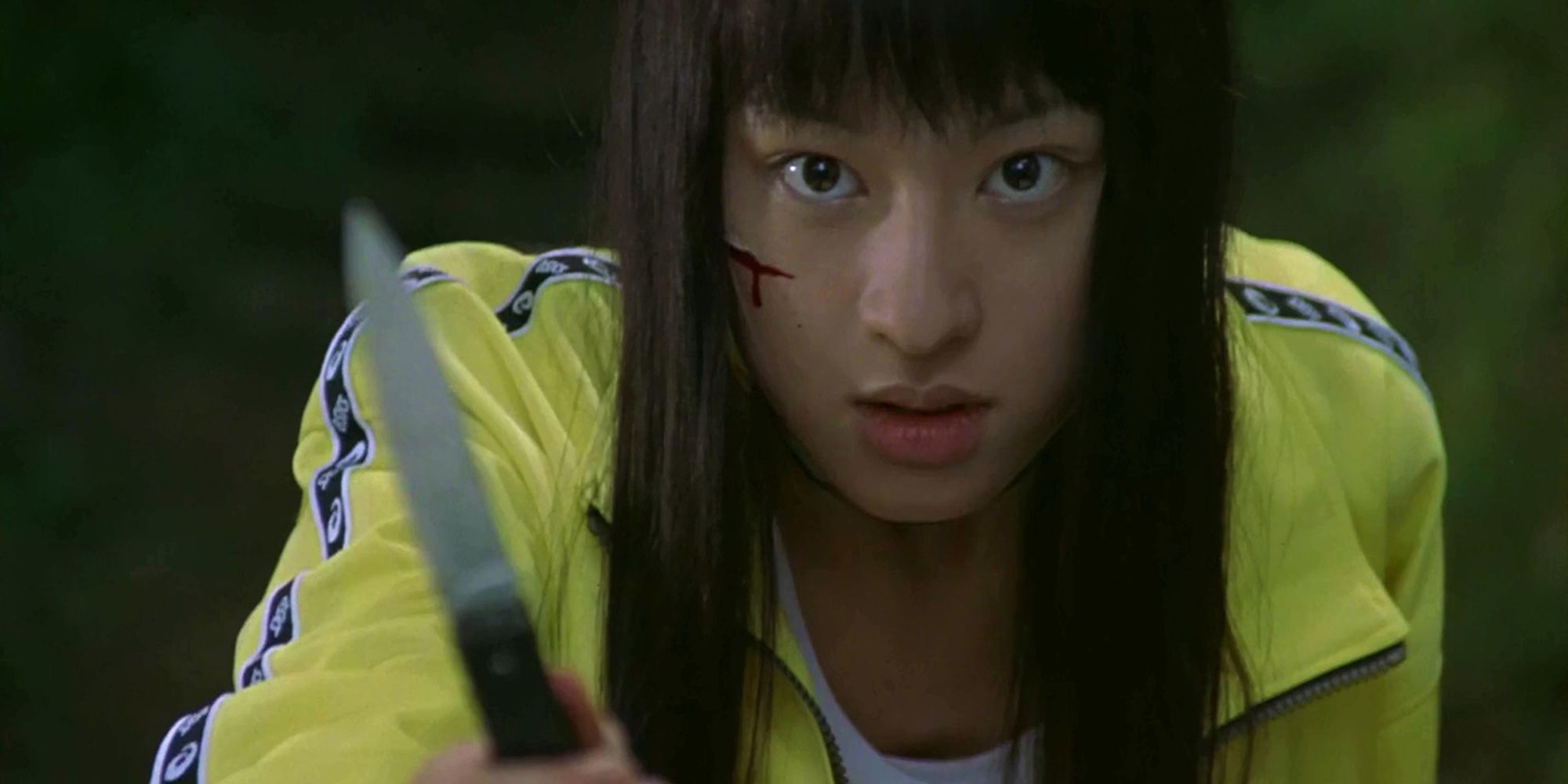
Image Via Toei Company
“Life is a game. So fight for it.” Another movie beloved by Tarantino, Battle Royale sees forty-two students taken to a remote island, given weapons, and forced to kill each other until only one remains. That’s the setup, and the film wastes no time diving into the blood-soaked consequences. Friendships shatter. Romances combust. Trust is poison. And adolescence itself becomes a battleground.
While not the first movie in the ‘strangers fighting to the death subgenre’, Battle Royale remains one of the best and most influential. The Hunger Games certainly would not exist without it. But that movie looks milquetoast by comparison to the manic energy on offer here. Yet there’s more than bloodshed in Battle Royale. It’s also a bitter satire of authority, conformity, and generational betrayal. The violence is shocking, but the real impact comes from watching children try to maintain humanity in an inhuman situation. It’s explosive, emotional, and deeply sad.
1
‘Ichi the Killer’ (2001)
Directed by Takashi Miike
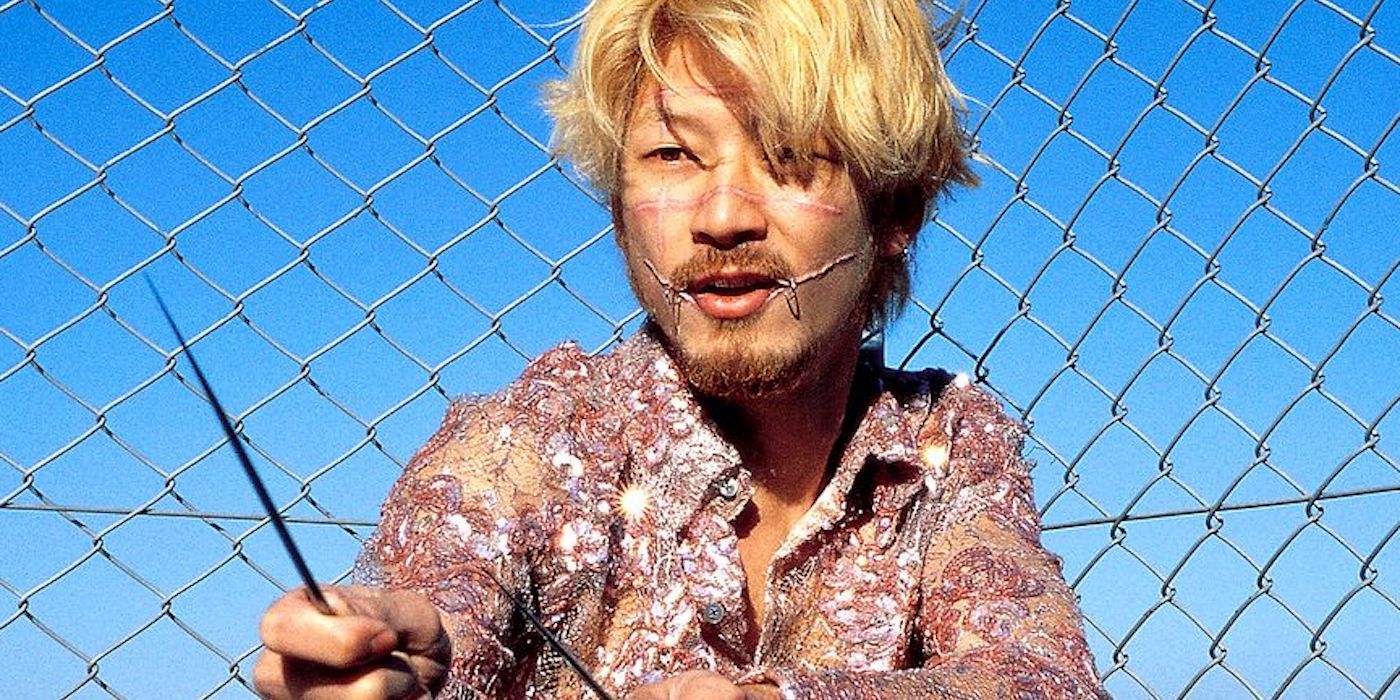
Image Via Media Blasters
“In a world of pain, Ichi is king.” Yes, it’s Miike again, but this movie is just so strange and hard-hitting that it could not be left off the list. It’s about a sadistic yakuza enforcer (Tadanobu Asano) who searches for his missing boss, leaving a trail of mutilated corpses and perverse chaos. Along the way, he hears rumors of a man named Ichi (Nao Omori), an emotionally stunted, tearful killer with a razor blade in his boot and trauma in his soul. Their meeting is inevitable, but sanity has no seat at this table.
Miike pushes every boundary here. Ichi the Killer is vile, stylish, grotesque, and surreal, sometimes all at once. The violence is extreme, but also absurd, laced with pitch-black comedy and psychological torment. What makes the film intense isn’t just the gore—it’s how gleefully it shatters expectations and moral compasses. As a viewing experience, it feels like staring into a funhouse mirror cracked with blood.
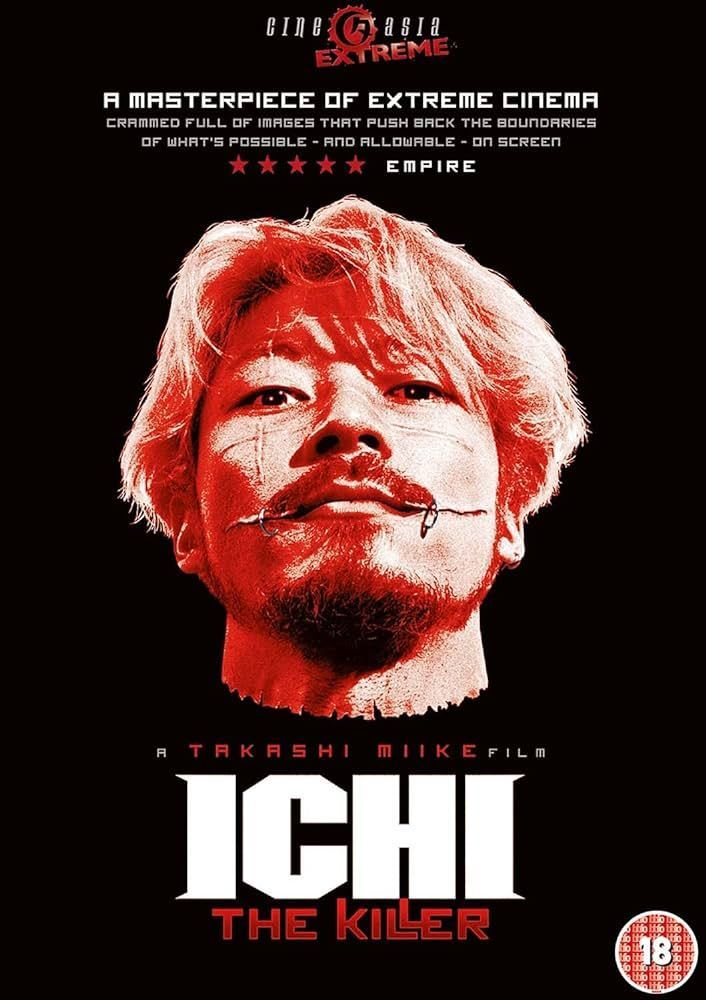
Ichi the Killer
Release Date
December 22, 2001
Runtime
129 Minutes
Writers
Sakichi Sato, Hideo Yamamoto
NEXT: 10 Gothic Horror Movies That Are Bangers From Start to Finish
AloJapan.com