

🔖 8 min read
If you’ve ever wondered what quirky insights a British YouTuber gleaned from a decade in Japan, you’re in for a treat. Chris Broad’s book Abroad in Japan (Penguin, 2023) is a treasure trove of surprising, funny, and eye-opening facts about Japanese culture. From the art of unawkward silence to why KFC is basically Christmas dinner, Broad shares personal stories that blend humor with cultural commentary. In this friendly (and slightly tongue-in-cheek) listicle, we’ve compiled our favourite fun facts we learnt from his book – each with a quick overview, where Chris mentions it (with page numbers), and why it caught our attention.
Whether you’re a fan of the Abroad in Japan YouTube channel or just curious about cultural oddities, sit back with a cup of green tea (or a glass of sake) and enjoy these nuggets of knowledge!
1. Chinmoku: The Japanese Art of Meaningful Silence
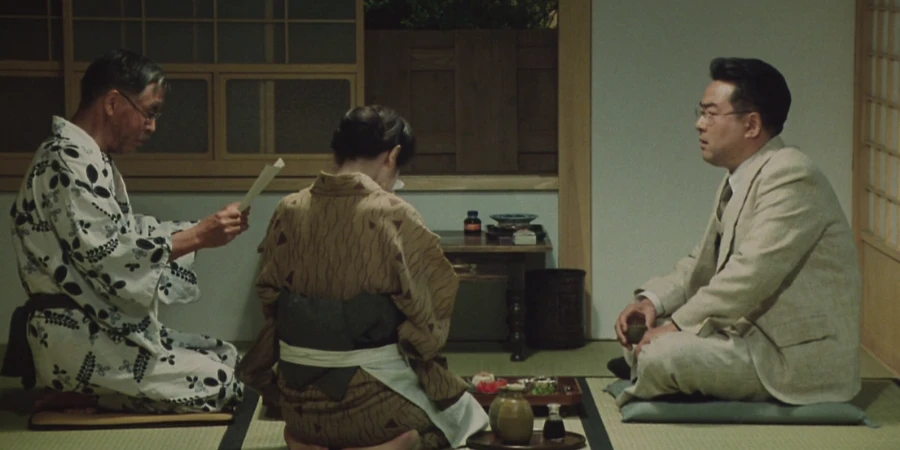
In Japan, silence isn’t awkward—it’s often intentional and meaningful. The concept of chinmoku (沈黙) refers to quiet moments that carry weight in conversation, signalling respect, thoughtfulness, or comfort. Chris Broad, in Abroad in Japan, recalls his early confusion when colleagues fell into silence during a meeting—a moment he first found “phenomenally uncomfortable.” But he later discovered this was a cultural norm, not a social misstep.
Around page 38 of the book, Chris describes sitting with his school principal and fellow teacher Nishiyama in complete silence, which felt bizarre by Western standards. He eventually embraced it, referencing a Japanese proverb: “It is better to leave many things unsaid.”
What makes chinmoku fascinating is how it flips Western expectations. In the UK or US, long pauses might signal tension; in Japan, they’re often welcomed. Chris’s journey learning to accept—and even appreciate—those quiet moments offers a gentle reminder: sometimes, saying nothing says everything.
It’s a lesson he absorbed with a mix of cultural confusion and British wit, making it both funny and enlightening.
2. “Nommunication”: Bonding Over Beer and Sake
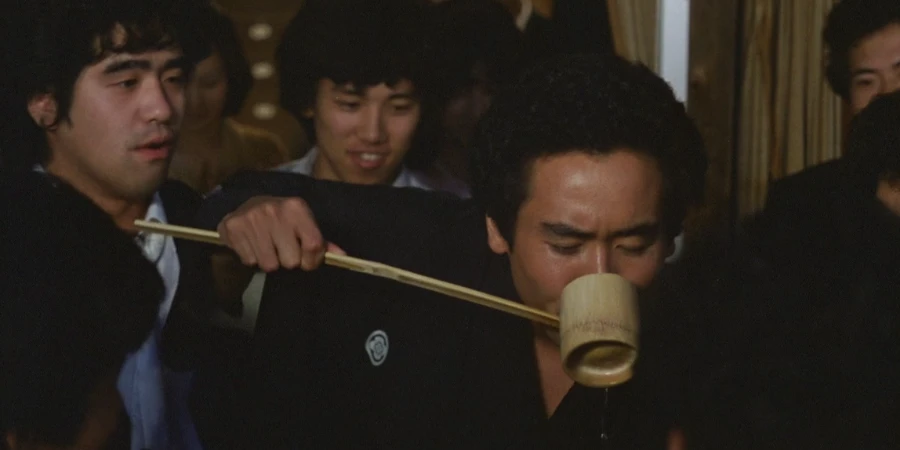
In Japan, work relationships often don’t end at the office door. Enter nommunication—a clever mash-up of nomu (to drink) and communication. Chris Broad introduces this concept as the art of post-work drinking that dissolves hierarchy and formalities. At izakayas and office parties, even the most reserved bosses can turn into karaoke stars or share candid confessions over highballs.
Broad first experiences nommunication when in Yamagata (around pages 55–56), slipping into cozy pubs with his friend Roy. Later, during a Bonenkai (year-end party, around page 73), he watches stoic teachers transform into lively storytellers after a few drinks. He calls alcohol “Japan’s truth serum”—a social lubricant that turns a rigid system into real connection.
Nommunication reveals Japan’s duality: formal by day, unfiltered by night. Chris’s anecdotes—of colleagues who go from deadpan to dancefloor—highlight this cultural contrast with humor and heart. It’s a fun and insightful reminder that in Japan, the path to team bonding often runs through a glass of sake and a shared chorus of “Kanpai!” Just don’t expect that energy to carry over into the morning meeting.

3. Being Called “Sensei” (Even If You’re Not a Samurai Master)
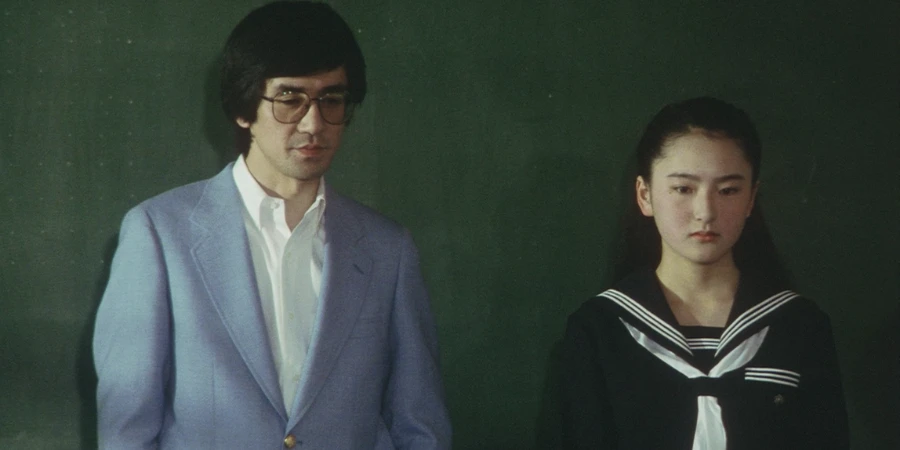
On Chris Broad’s first day as an English teacher in Japan, he was startled to be addressed as “Sensei.” In Japan, the title (先生) isn’t just for martial arts masters—it’s for teachers, doctors, and anyone in a respected role. At just 22, fresh off the plane and still stumbling through greetings, Chris felt undeserving of the label “Broad-sensei.”
This story appears early in the book (around page 41), where Chris nervously prepares for his first class in a chaotic staffroom. A colleague announces him to the students with full honorific flair, and the gravity of the title hits him hard. To his students, he was already a sensei, whether he felt ready or not.
Why is this interesting? It’s a charming look at Japan’s deep respect for roles and titles. While it made Chris feel like a fraud at first, he slowly grew into the name. It’s also a great example of how language shapes perception—one day you’re Chris, the next you’re someone’s revered mentor. The automatic respect was both flattering and surreal, and for anyone who’s ever been thrown into a new job, it’s hilariously relatable.
4. Keigo and Hierarchy: Mind Your P’s, Q’s, and Age Gaps
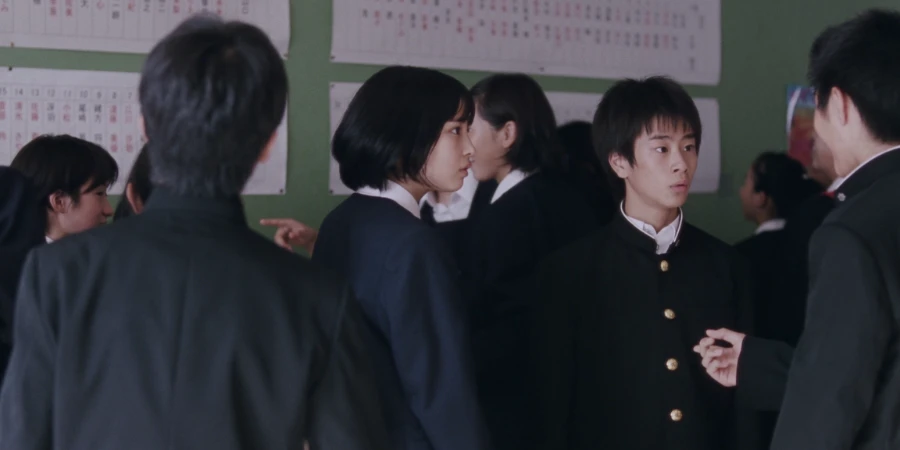
In Japan, keigo—the ultra-polite language used in formal situations—is more than just good manners. It’s a linguistic dance based on age, status, and social roles. Chris Broad quickly discovered that casual banter can turn formal fast once someone realises they outrank you.
In A Broad in Japan, Chris recalls chatting with a young man at a party until the moment his new friend learned he was older. Instantly, the man’s tone shifted—he adopted keigo and began speaking like a wise senpai. It was a hilarious and eye-opening shift that highlighted how Japanese conversations often start with questions like “How old are you?” not to be rude, but to determine proper speech levels.
Keigo illustrates Japan’s social structure in real time. In the West, age-based language might feel awkward or outdated, but in Japan it’s essential. Chris likens it to “speaking like the Queen against his will,” showing how respect is baked into the grammar. It’s a fascinating, sometimes comical aspect of learning Japanese that reveals the importance of hierarchy—not just in life, but in every sentence you speak.
5. Ijime: Bullying and the “Nail That Sticks Out”
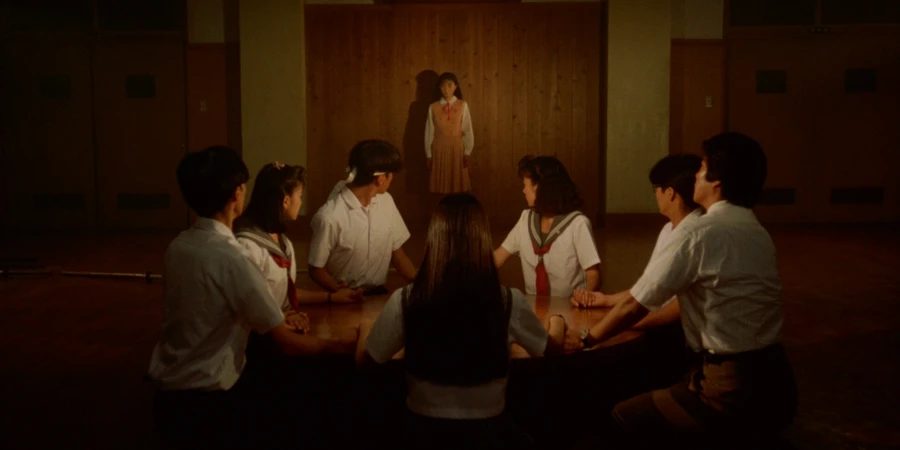
Not all fun facts are lighthearted—ijime, or bullying in Japanese schools, is a sobering cultural insight Chris Broad explores with honesty and empathy. In his second year of teaching, a tragic incident occurs: a student attempts suicide, prompting a faculty discussion that hints at potential bullying.
Japan’s group-oriented culture values harmony, but as Chris notes, that harmony can come at the cost of individuality. The proverb “The nail that sticks out gets hammered down” (deru kui wa utareru) perfectly captures this pressure. Students who stand out—by being too talented, too shy, or just different—often face exclusion or subtle forms of bullying.
Japan is known for safety and politeness, yet ijime reveals a hidden struggle in its schools. Chris’s experience sheds light on this paradox with sensitivity, showing how conformity, peer pressure, and silence can harm even high-achieving kids. It’s a reminder that every society has its challenges, and that cultural values, while beautiful in some contexts, can cast long shadows in others.
6. Resilience After the Tohoku Tsunami: Hope Rises in the North
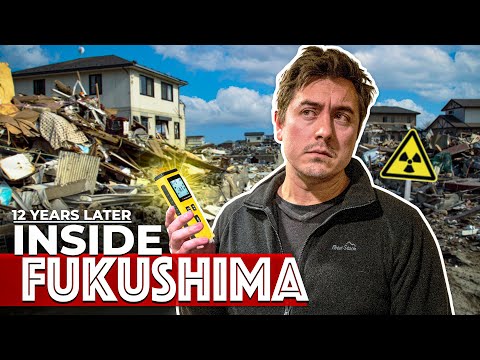
The 2011 Tohoku tsunami devastated Japan’s northeast coast, but Chris Broad’s book highlights the region’s incredible recovery. After moving to Tohoku, Chris became involved in documenting stories of resilience and rebirth—like towns rebuilding with creativity and community-led design.
In Chapter 25, he shares stories from Onagawa and Kesennuma, places where hope triumphed over tragedy. One mayor invited young people to help redesign their town. In another case, locals built a cardboard Lamborghini (“Danborghini”) to raise spirits. Chris met innkeepers who turned grief into purpose, running new businesses to revive their hometowns.
Chris’s outsider lens helps spotlight lesser-known stories of recovery, not just disaster. It’s heartening to see how innovation, humor, and human connection fueled Tohoku’s comeback.
This part of the book reminds readers that Japan’s cultural strength isn’t just in tradition—it’s in adaptability and community resilience. For anyone who only knows Japan through Tokyo and Kyoto, this chapter opens the door to powerful regional stories that deserve more attention. It’s a moving blend of cultural insight and personal reflection.
7. The Cosy Magic of the Kotatsu (Table or Toasty Fort?)
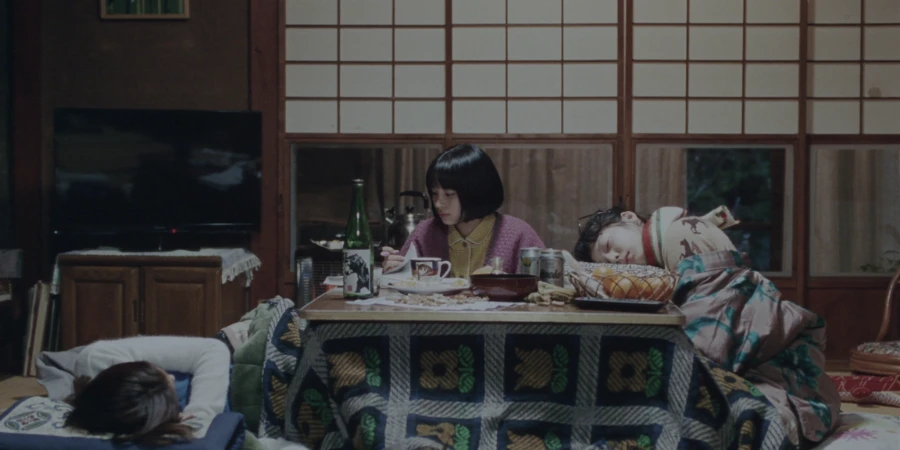
Cold Japanese winters call for a genius invention: the kotatsu. This low table with a heater underneath and a blanket overtop is a staple in many Japanese homes. Chris Broad discovered it during his first winter in Yamagata, and quickly dubbed it his “hibernation station.”
After battling snowdrifts and a freezing apartment, Chris took refuge under the kotatsu—legs warm, snacks within reach, and motivation melting away. He describes it as a cozy cave that turns winter misery into pure comfort.
The kotatsu is both functional and culturally fascinating. It’s a smart solution in homes without central heating and reflects Japan’s clever approach to seasonal living. It also highlights the charm of slowing down—Chris’s portrayal of life under the blanket-burrito is funny, relatable, and inviting.
8. Capsule Hotels: Tiny Rooms, Big Innovation
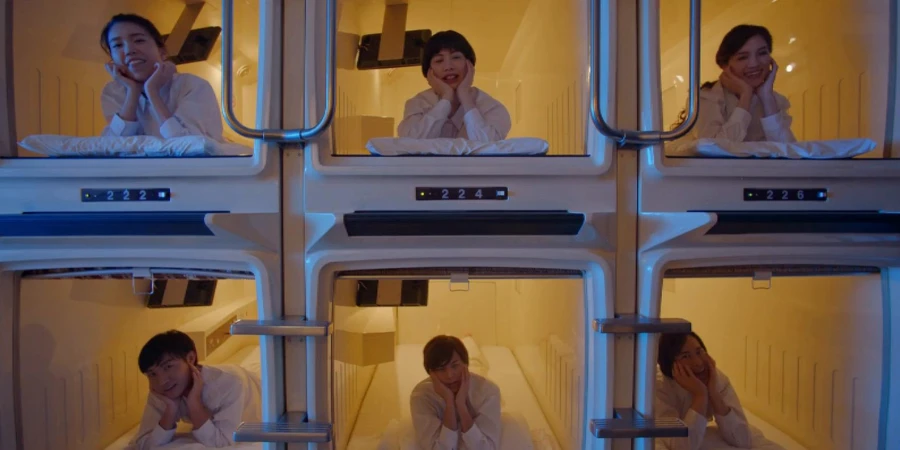
Capsule hotels are one of Japan’s best-known quirks—sleep pods the size of a large fridge, just big enough to lie down in. Chris Broad spent a night in one before climbing Mt. Fuji, and it left quite the impression: part sci-fi, part shoebox, all very Japanese.
He describes the pod as “coffin-like,” with thin walls and little room to move, yet somehow functional. Originating in the late ’70s, capsule hotels offered cheap overnight stays for salarymen who missed the last train. They’ve since become icons of Japan’s space-saving ingenuity.
These tiny hotels are a cultural snapshot of urban life in Japan—efficient, clean, and packed with unspoken rules. While not exactly luxurious, it’s a must-try for any traveler chasing that “only in Japan” experience. You might not sleep great, but you’ll leave with a story—and maybe a crick in your neck.
9. KFC for Christmas: Japan’s Finger-Lickin’ Holiday Tradition
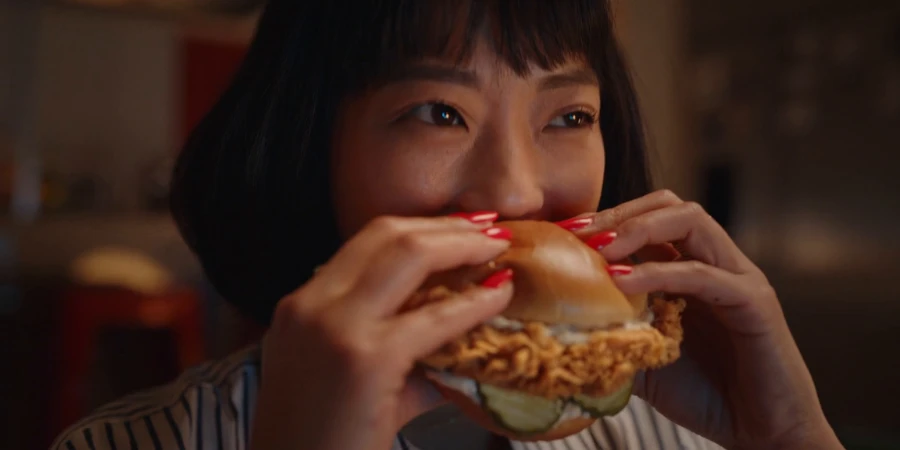
In Japan, Christmas dinner doesn’t mean turkey—it means KFC. Yes, Kentucky Fried Chicken. Chris Broad dives into this bizarre tradition, tracing it back to a brilliant 1974 ad campaign called “Kentucky for Christmas.”
By his second Christmas in Japan, Chris embraced the local custom, ordering the full “Christmas Barrel”—chicken, cake, sides—the works. He joined the 3.6 million Japanese families who treat Colonel Sanders like Santa each December. The lines, prices (upwards of ¥5,800), and demand are staggering.
It’s a masterclass in marketing turning a fast-food chain into a national holiday symbol. Chris’s reaction—half disbelief, half enthusiasm—is pure entertainment. It’s also a great example of Japan remixing Western traditions with its own twist. Seeing Colonel Sanders statues dressed as Santa might feel surreal, but in Japan, it’s just another holiday tradition. His sarcastic line—“Just like Jesus would’ve wanted”—says it all.
10. Mottainai: Japan’s No-Waste Ethic vs. All-That-Plastic
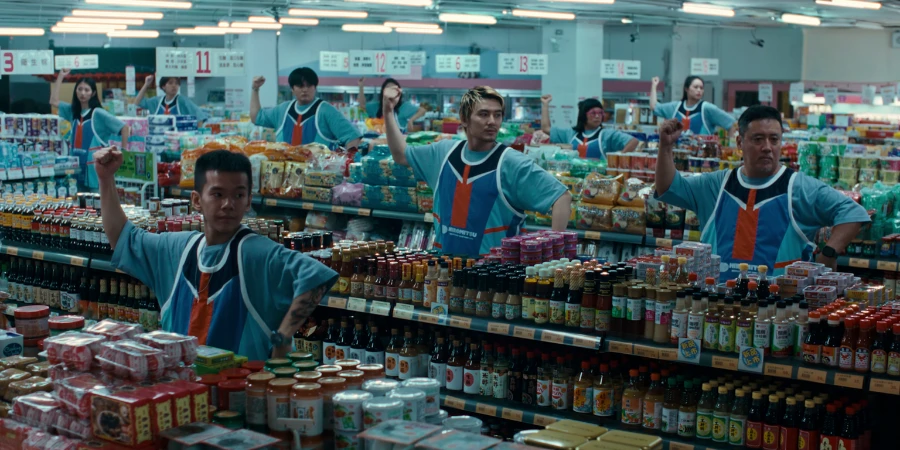
Mottainai is a powerful Japanese word meaning “don’t waste.” It reflects deep respect for resources—so much so that Chris Broad was scolded at school for not finishing rice (“Mottainai, Chris-sensei!”). But here’s the twist: Japan also produces staggering amounts of plastic waste.
In Chapter 11, Chris points out the paradox—how the same culture that shames wasted food often over-wraps groceries and souvenirs in layers of plastic. Bananas in plastic trays, double-bagged snacks—it’s mottainai in theory, but not always in practice.
It’s interesting because this contradiction is both funny and thought-provoking. Japan’s cultural reverence for frugality coexists with hyper-consumer packaging. Chris delivers this observation with a wink, highlighting how values and habits don’t always align. It’s a reminder that no culture is perfectly consistent—and that even a country famous for tidiness can generate its own share of waste. You’ll laugh, and then think twice the next time you see an over-wrapped apple.
AloJapan.com