
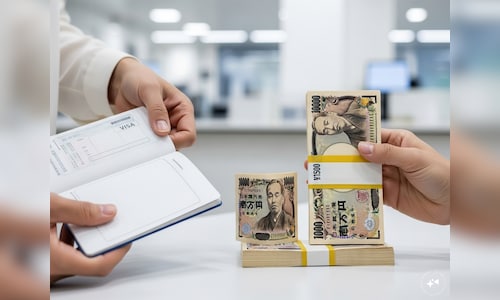
Travel to Japan is set to become slightly more expensive as the country prepares to raise visa fees for the first time in nearly five decades. The increase marks a noticeable change to a fee structure that has remained largely unchanged since the late 1970s despite growing numbers of foreign visitors, workers and long-term residents.
The Japanese government has decided to increase single-entry visa fees for foreign nationals from ¥3,000 to ¥15,000, which is roughly ₹1,750 to ₹8,752. The cost for multiple-entry visas will also rise, moving from ¥6,000 to ¥30,000 or about ₹3,501 to ₹17,505. The new rules will come into effect on July 1.
The increase in visa fees comes amid ongoing inflation and the depreciation of the yen. “The current visa fee was set in 1978, and we have recently revised it to reflect inflation and exchange rate fluctuations since then. We made this decision after carefully considering various factors, and we do not anticipate that it will have an immediate impact on inbound tourism,” Foreign Minister Toshimitsu Motegi said in a news conference, as per the Japan Times.
The revised fees will help fund improvements to visa processing and immigration services while supporting broader reforms to make the system more efficient and responsive.
The funds will help in processing Japan’s growing foreign resident population, which reached a record 4.13 million at the end of 2025. It will also support expanded Japanese-language programs and stronger measures against illegal overstayers.
Japan has justified the fee hikes by arguing that it needs to align visa and residency charges more closely with those in Western countries to build a more robust immigration system. The changes in fee structure will bring Japan’s visa issuance fees closer to the levels used by other G7 countries, including Canada, France, Germany, Italy, Japan, the United Kingdom and the United States.
(Edited by : Sudarsanan Mani)
AloJapan.com