
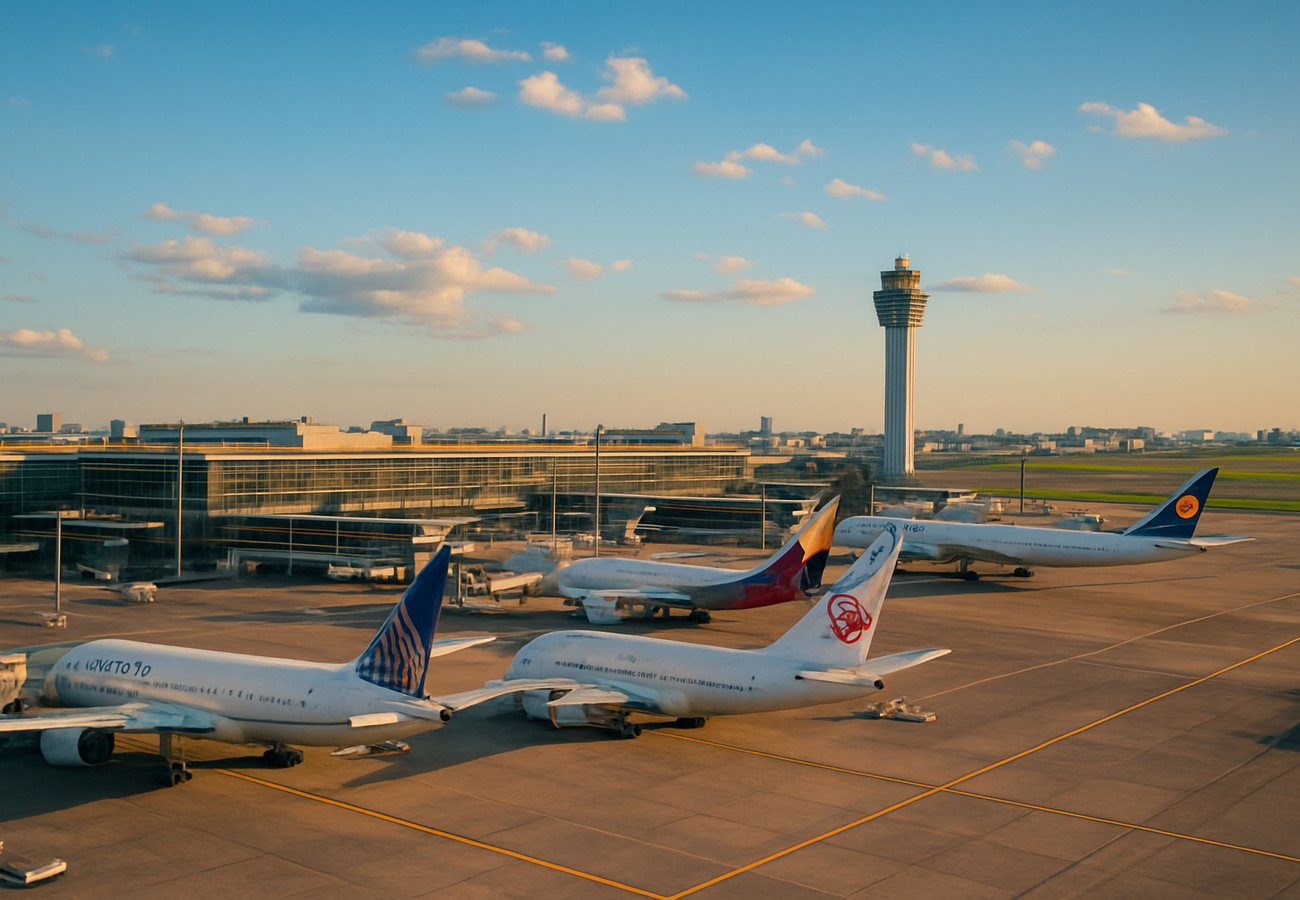
United Airlines, ANA, JAL, Lufthansa, and Delta have cancelled 26 total flight departures across Japan’s major aviation hubs, signaling systemic operational pressures rather than isolated weather-related incidents. The coordinated wave of disruptions spans Tokyo Haneda, Tokyo Narita, Kansai/Osaka, Fukuoka, New Chitose/Sapporo, and Naha airports, affecting critical routes to Guam, Saipan, Munich, Seoul Incheon, and essential domestic corridors.
The Bigger Picture
Japan’s aviation network is experiencing a coordinated operational strain that extends far beyond typical seasonal fluctuations. The cancellations—spanning six major airlines across 11 Japanese airports—point to deeper resource allocation challenges, aircraft availability constraints, or network-wide scheduling pressures rather than localized disruptions. This pattern mirrors broader post-pandemic recovery pressures within Asia-Pacific aviation, where demand has rebounded faster than operational capacity in some segments.
The scale of disruptions across both leisure-focused Pacific island routes and critical intercontinental services (Munich, Seoul) suggests that airlines are making strategic operational adjustments. According to the International Air Transport Association (IATA), such coordinated network adjustments typically reflect fleet deployment challenges or staffing constraints rather than external factors.
Airlines and Airports Affected
Airport
Airline
Destination
Cancellations
Primary Impact
Tokyo Narita
United Airlines, JAL, Jetstar Japan
Guam, Saipan, Naha
7
Pacific leisure routes
Tokyo Haneda
United Airlines, Lufthansa, Delta, ANA
Guam, Munich, Seoul Incheon, New Chitose
6
Global hub connectivity
Kansai/Osaka
United Airlines, Lufthansa
Guam, Munich
2
International long-haul
Fukuoka
Jetstar Japan, ORC
Miyazaki, Fukue, Osaka Itami
4
Regional domestic
New Chitose/Sapporo
ANA, Jetstar Japan
Kushiro, Tokyo Haneda
2
Northern Japan connectivity
Osaka Itami
JAL, Jetstar Japan
Tajima, Fukuoka
2
Regional business routes
Naha
Jetstar Japan
Tokyo Narita
1
Okinawa-capital link
TOTAL
6 airlines
11 destinations
26 departures
Domestic + International
Tokyo Haneda bore the heaviest load, with United Airlines cancelling three Guam flights across consecutive days (Sunday, Monday, Tuesday at 11:35 PM), alongside Lufthansa’s Munich service and Delta’s Seoul Incheon route. Tokyo Narita recorded seven cancellations, including United’s repeated Guam departures and JAL’s Guam-bound flight. The repetition of United Airlines cancellations on the Guam route—appearing five times across Narita and Haneda—underscores concentrated pressure on this high-demand Pacific corridor.
Kansai International Airport (Osaka) saw United’s Guam cancellation and Lufthansa’s Munich service halted, indicating that intercontinental connectivity is equally strained. Fukuoka Airport recorded four regional cancellations affecting Miyazaki, Fukue, and Osaka Itami, while New Chitose Airport (Sapporo) disrupted the critical Sapporo–Tokyo Haneda corridor, one of Japan’s busiest domestic air routes.
What Travelers Get
26 confirmed flight cancellations across 11 Japanese airports affecting Guam, Saipan, Munich, Seoul Incheon, and domestic routes (April 13, 2026 reporting date).
United Airlines cancelled five Guam-bound flights alone across Narita and Haneda on consecutive days, with departures scheduled at 05:00 PM, 04:30 PM, 11:00 AM, 07:30 PM, and 11:35 PM.
Lufthansa’s Munich services from both Kansai (09:30 AM Monday) and Haneda (09:25 AM Monday) were cancelled, disrupting European connectivity.
Domestic routes including Sapporo–Tokyo Haneda (ANA58, 11:30 AM Sunday) and Osaka Itami–Fukuoka (IBX3167, 07:15 AM Sunday) were suspended, affecting business and regional travel.
No specific rebooking fees or compensation amounts disclosed by airlines; passengers should contact carriers directly for policy details.
What This Means for Travelers
Passengers booked on routes to Guam, Munich, Seoul, and domestic Japanese corridors should contact their airline immediately to confirm flight status and explore rebooking options on alternative carriers or dates. The concentration of cancellations on leisure-heavy Pacific routes and critical business corridors suggests that airlines are prioritizing schedule stability over capacity; expect potential cascading delays and longer wait times for rebooking. Travelers with flexible itineraries should consider rescheduling to mid-week departures, which historically see lower cancellation rates. Monitor official airport websites for Tokyo Haneda, Narita, and Kansai for real-time updates, and verify all bookings 48 hours before departure.
FAQ: Japan Flight Cancellations 2026
Q: Why are United Airlines flights to Guam being cancelled repeatedly?
A: United cancelled five Guam-bound flights across Tokyo airports over consecutive days, suggesting aircraft rotation constraints or crew scheduling pressures rather than weather. The airline has not publicly disclosed specific operational reasons.
Q: Are domestic Japan flights also affected?
A: Yes. ANA cancelled the Sapporo–Tokyo Haneda route, while Jetstar Japan and JAL suspended regional services to Fukuoka, Tajima, and Naha, indicating network-wide resource strain.
Q: What compensation can I expect?
A: Compensation policies vary by airline and route. EU261 regulations apply to EU-originating flights; domestic Japan cancellations fall under Japanese aviation authority guidelines. Contact your airline directly for specific entitlements.
Related Travel Guides
Disclaimer: Flight schedules, travel conditions, and pricing are subject to immediate change. Verify all details directly with the airline or official authority before booking.
AloJapan.com