
The lines for art exhibitions in Tokyo are as long as those for the latest pop concerts – Japan’s capital takes its creativity seriously, and the best museums in Tokyo are world-class, covering everything from Yayoi Kusama’s iconic pumpkins to traditional Japanese costume and cutting-edge digital art.
Residents of Tokyo are ravenous for cultural events, and the dynamically changing program of shows and events at the city’s museums and art galleries will keep art fans gripped year-round.
Experiencing Tokyo’s artistic side is one of the top things to do in the city, but a bit of planning is required. There’s heavy demand for tickets, so plan out your itinerary and book ahead; weekends and holidays are best avoided if you are seeking an uncrowded, serene experience.
Entry to museums and galleries is rarely free, except on Culture Day (November 3), and ticket prices can vary from as little as 1000 Japanese yen (¥) to as much as ¥4800. Many public museums shut their doors as early as 5pm, while private ones stay open a little longer; most art institutions also close on Mondays, so plan your art appreciation accordingly.
Advertisement
There’s a lot to see, even on a short trip, from ukiyo-e (woodblock prints) to experimental digital installations, so start your creative journey with our pick of the best museums in Tokyo for art.
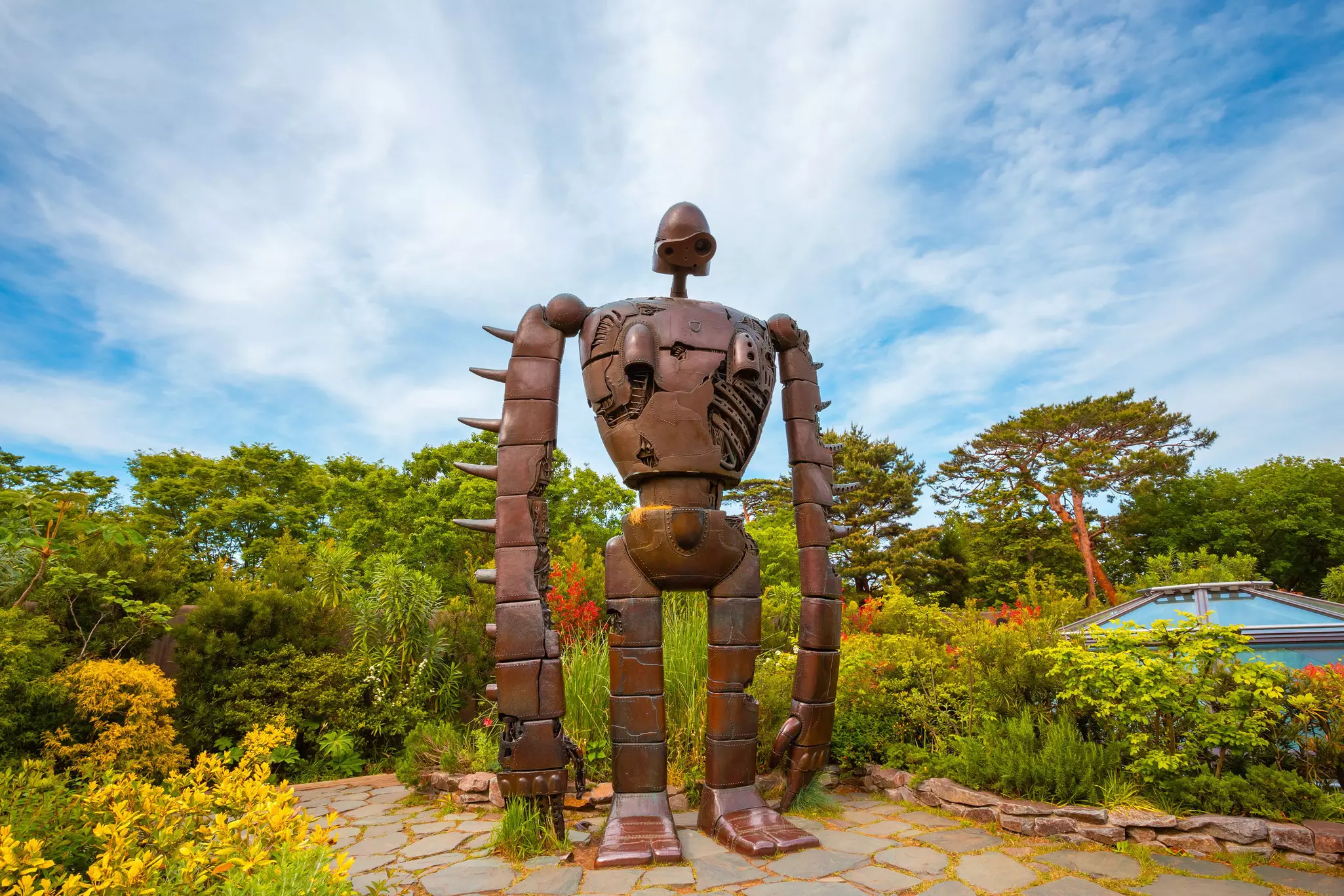 A robot statue at the Ghibli Museum. cowardlion/Shutterstock 1. Ghibli Museum
Best for children (and the young at heart)
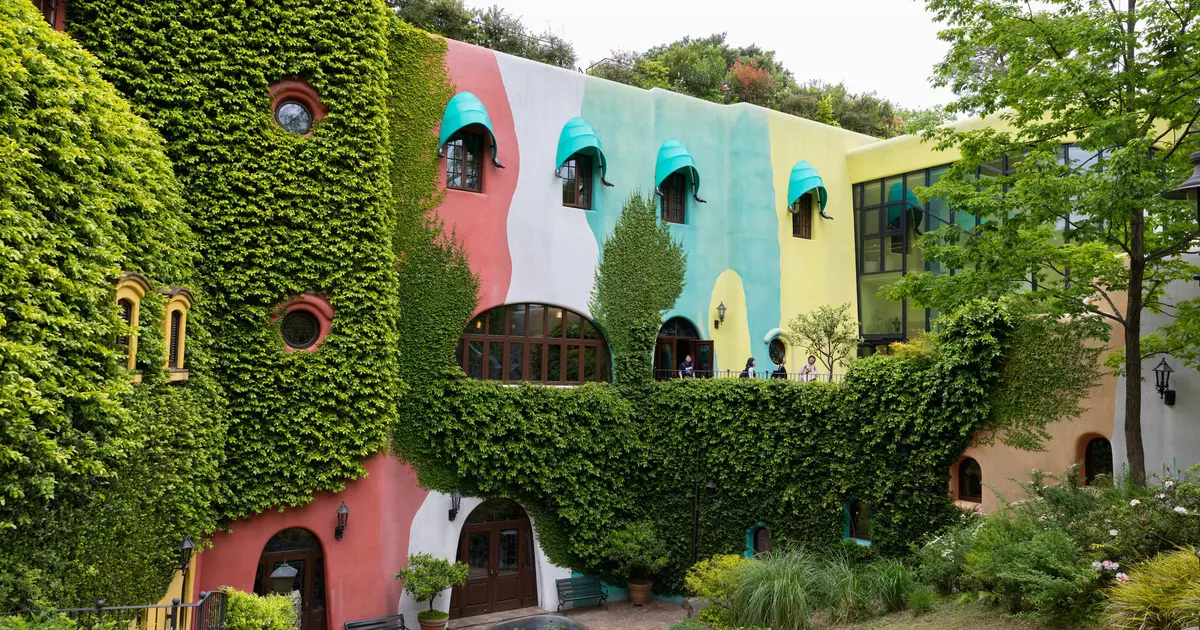
Founded by two of Japan’s most gifted directors, Studio Ghibli elevated the animated movie to high art. The fantastical Ghibli Museum in Tokyo’s Mitaka neighborhood looks like it belongs in one of the studio’s movies itself. Ivy hugs the museum’s colorful walls, while a Totoro plushie grins from a fake entrance and one of Laputa’s iron giants stands guard on the rooftop.
The doors of the family-friendly museum open onto a space that brings the Ghibli universe vividly to life using props and dioramas. Upon entering the Ghibli Museum, you are given a ticket made from pieces of the 35mm film actually used to show Ghibli movies in theaters (hold it up to the light to see the scene you received).
Displays of original Ghibli art offer a peek at animation history, and there’s even a replica of Hayao Miyazaki’s desk. An on-site theater screens short movies, some of which are exclusive to the museum and only screened for a limited time. The cute cafe and shop are among the best places in the city to buy Ghibli merchandise.
Planning tip: At 1000 Japanese yen (¥) for adults and up to ¥700 for children, depending on age, Ghibli Museum tickets are affordable but notoriously difficult to nab due to high demand. Make a booking when tickets are released on the 10th day of the month for entry the following month, but be aware that they sell out within minutes. Also be prepared for the fact that no photos are allowed inside the museum.
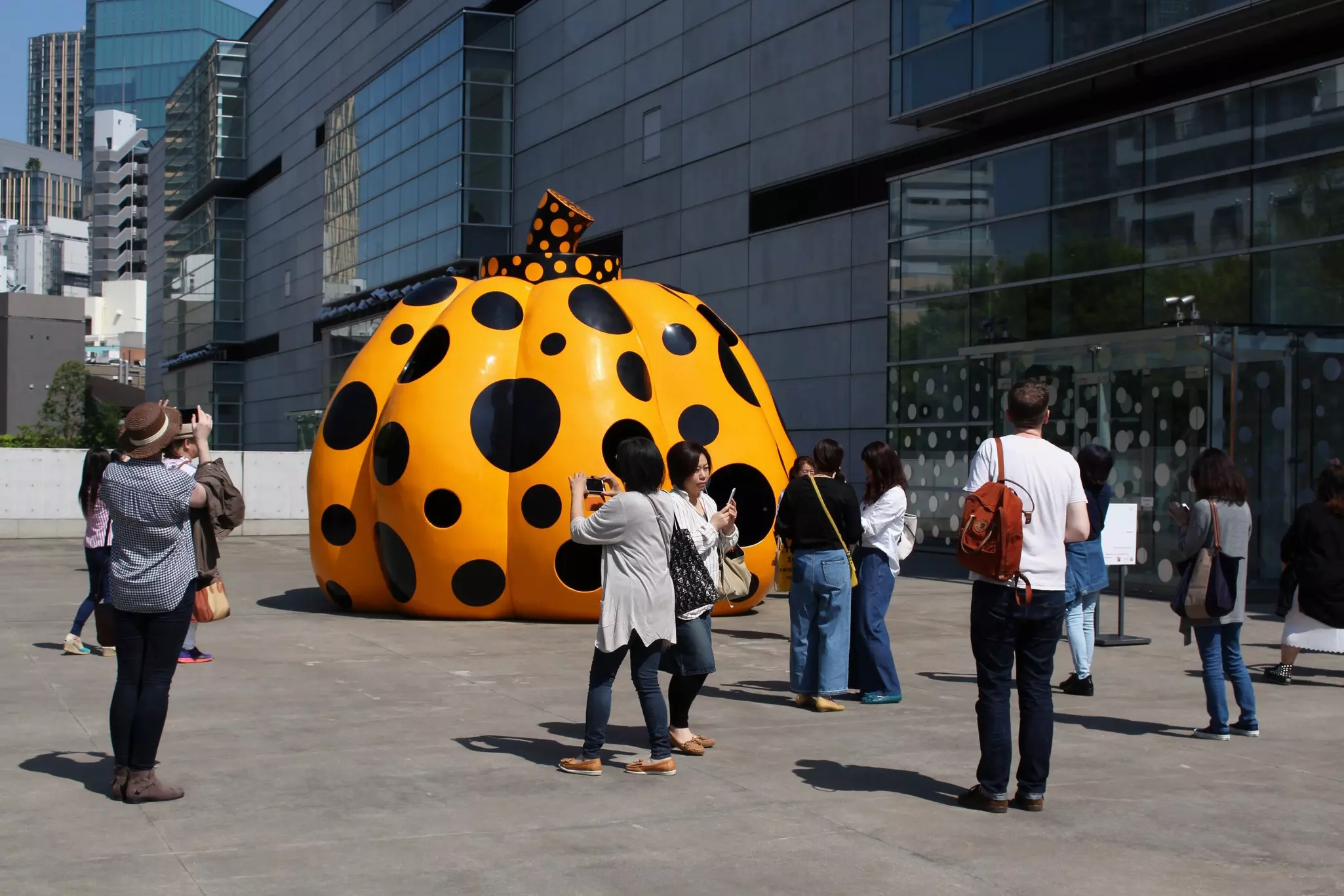 A pumpkin by Yayoi Kusama at a temporary exhibition in Tokyo. Ned Snowman/Shutterstock 2. Yayoi Kusama Museum
Best museum dedicated to a single artist
The Yayoi Kusama Museum in Shinjuku, run by the Yayoi Kusama Foundation, opened in 2017 to showcase the creativity of its prolific avant-garde namesake. Best known for her polka dot pumpkins and infinity mirror rooms, Kusama has kept creating into her 90s, and the museum dedicated to her work is an easy walk from the Waseda or Kagurazaka stations on the Tokyo Metro.
Exhibitions at museums dedicated to a single artist often remain pretty static, but the Yayoi Kusama Museum regularly changes what’s on view, which makes tickets highly coveted, since even Tokyoites are tempted to visit at least twice a year. Also, the museum regularly reveals new artworks to the public for the first time.
Planning tip: No tickets are sold at the door so purchase a timed entry ticket in advance. Look out for pop-up exhibitions of Yayoi Kusama artworks around Tokyo and across Japan, as well as permanent installations at locations such as Naoshima island.
Advertisement
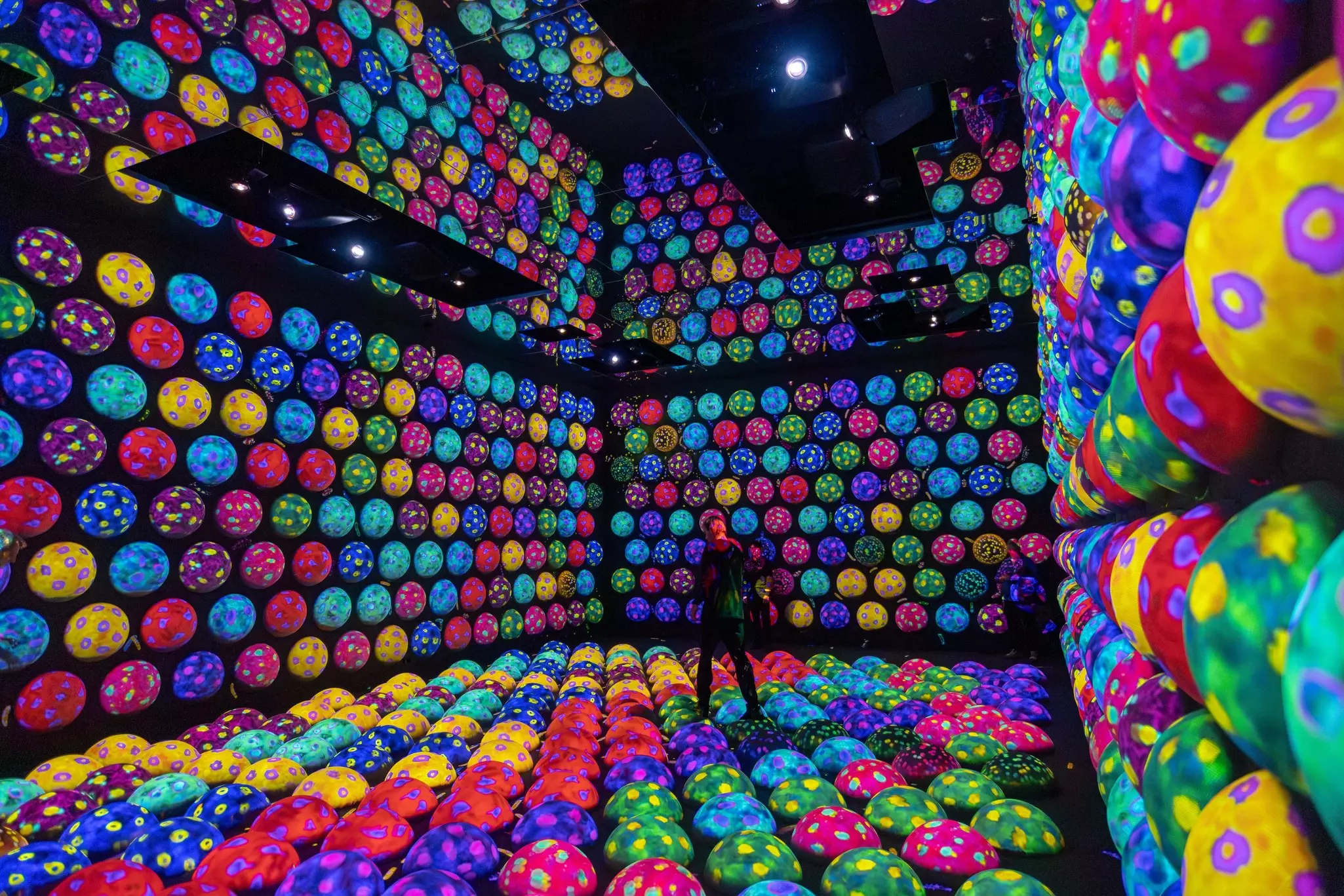 An installation at teamLab Planets in Tokyo. Jye Shen/Shutterstock 3. teamLab Planets
Best for immersive installations
This international art collective – made up of various specialist artists, programmers, engineers, animators, mathematicians and architects – has been unstoppable. At teamLab Planets near Shin-toyosu Station on Toyosu island, you can step on flowers of light, wade barefoot through silky warm water among digital fish and wander in a digital forest looking for extinct animals.
Some artworks are purely digital, others are physical and interactive. In contrast to most museums, at this whimsical wonderland, visitors are encouraged to touch the art, snap photos and become fully immersed in the fun.
Planning tip: At teamLab Planets, you can even enjoy your own debut show – in one room, you can draw a picture, then watch as it swims across the walls. Tickets are priced dynamically so book ahead via the museum website for lower prices.
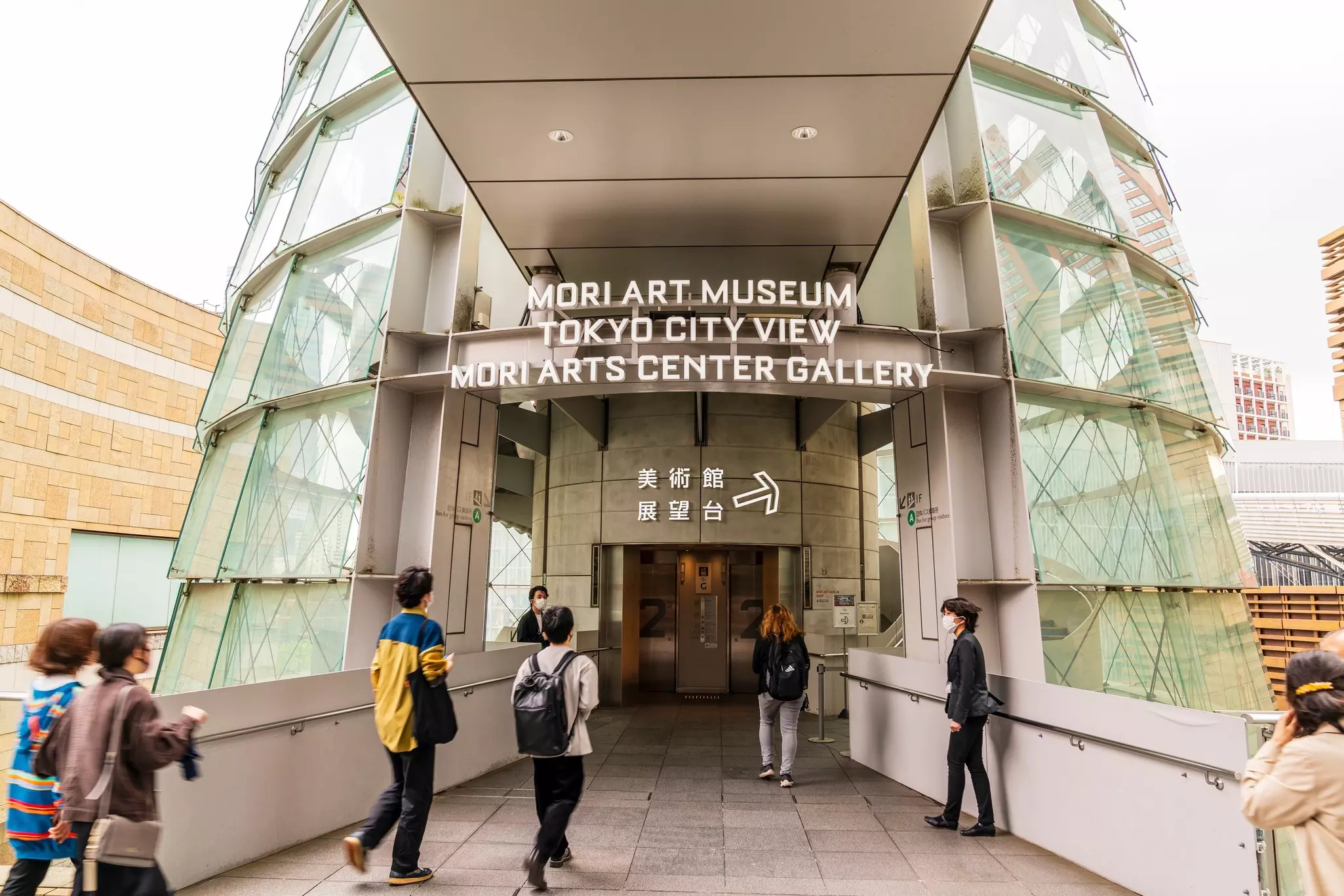 Visitors at the entrance to the Mori Art Museum. Malcolm Fairman/Shutterstock 4. Mori Art Museum
Best for art with a view
On the 52nd and 53rd floors of the Roppongi Hills Mori Tower, a 4-minute walk from Roppongi Station on the Toei Oedo subway line, the Mori Art Museum stands the tallest among Tokyo’s art museums. Visit for the art but linger for the views, which gaze out over Tokyo’s futuristic cityscape.
Exhibitions at this respected private museum walk a tightrope between brave curation of cutting-edge art and pop culture. Shows here might include everything from ukiyo-e works by Hokusai to objects featuring Hello Kitty and characters from Attack on Titan. The Mori Art Museum has collaborated with everyone from pop artist Takashi Murakami to futurist designers and stars of Japanese architecture.
Planning tip: Tickets are available online or at the venue, and visiting Roppongi Hill Mori Tower’s rooftop Sky Deck costs just ¥500 extra for museumgoers. From this open-air observation deck, the 360-degree view includes the iconic Tokyo Tower and the Tokyo Skytree. Even Tokyo Bay is visible in the daytime.
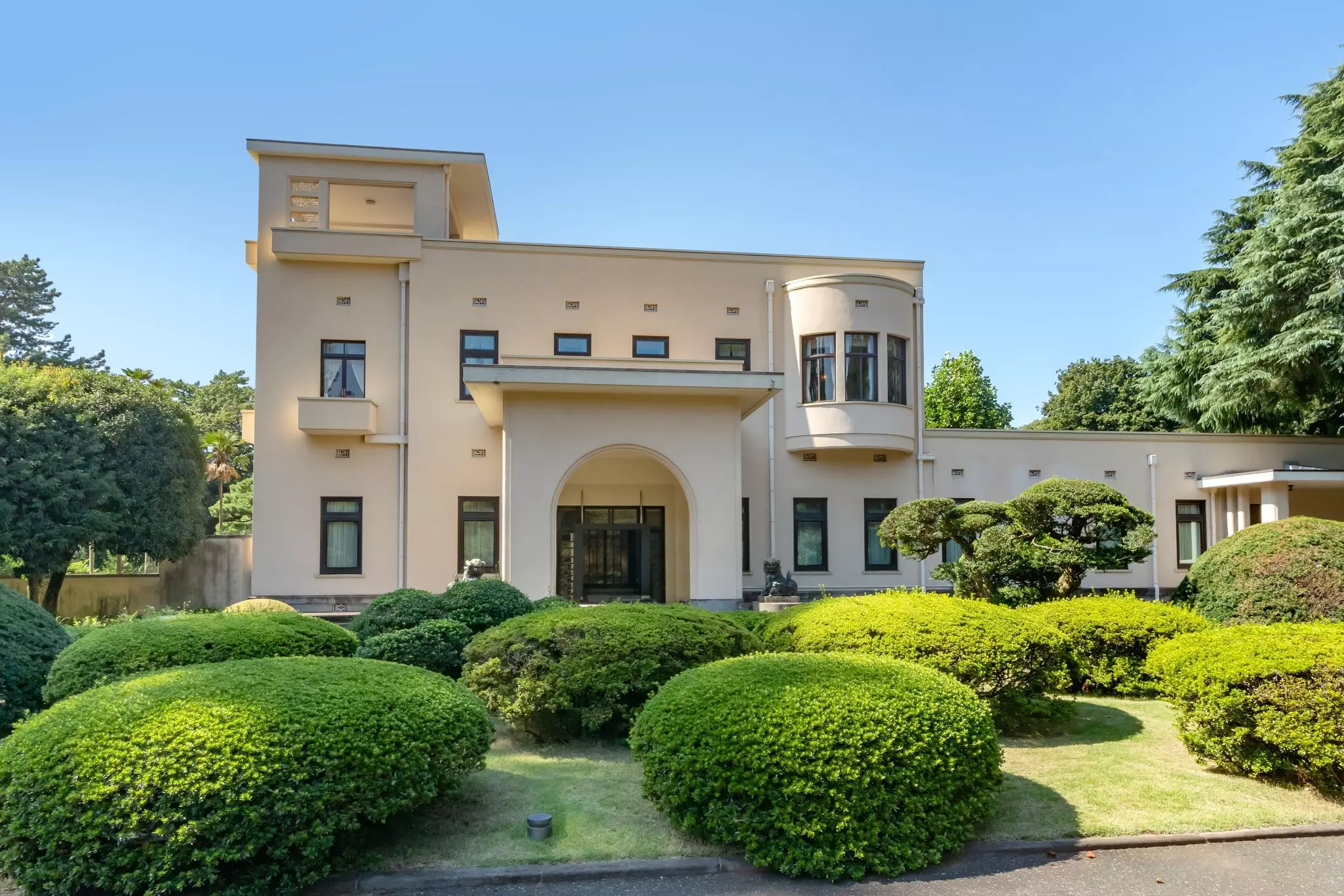 The Tokyo Metropolitan Teien Art Museum sits amid striking gardens. Caito/Shutterstock 5. Tokyo Metropolitan Teien Art Museum
Best-kept secret museum in Tokyo
It’s hard for anything to be completely secret in information-obsessed Tokyo, but the Tokyo Metropolitan Teien Art Museum comes close – at least, it’s relatively uncrowded, offering a haven away from the city crush in the heart of Minato ward.
Open since 1983, the museum – more of a stately home – occupies the former residence of Prince Asaka Yasuhiko, the son-in-law of Emperor Meiji. The prince and princess lived in Paris during the golden age of art deco, and the building and its stylish interiors were created by the best artisans and architects working in the style at the time.
The building and grounds are designated as one of Japan’s Important Cultural Properties, and inside, you can view the elegant work of interior designer Henri Rapin and the decorative glass creations of René Lalique, alongside a collection of 1930s design objects.
Planning tip: The Tokyo Metropolitan Teien Art Museum is set in a delightfully manicured garden, which is particularly stunning in the autumn. Get here by a short walk from either Meguro Station, or the Shirokanedai Tokyo Metro station.
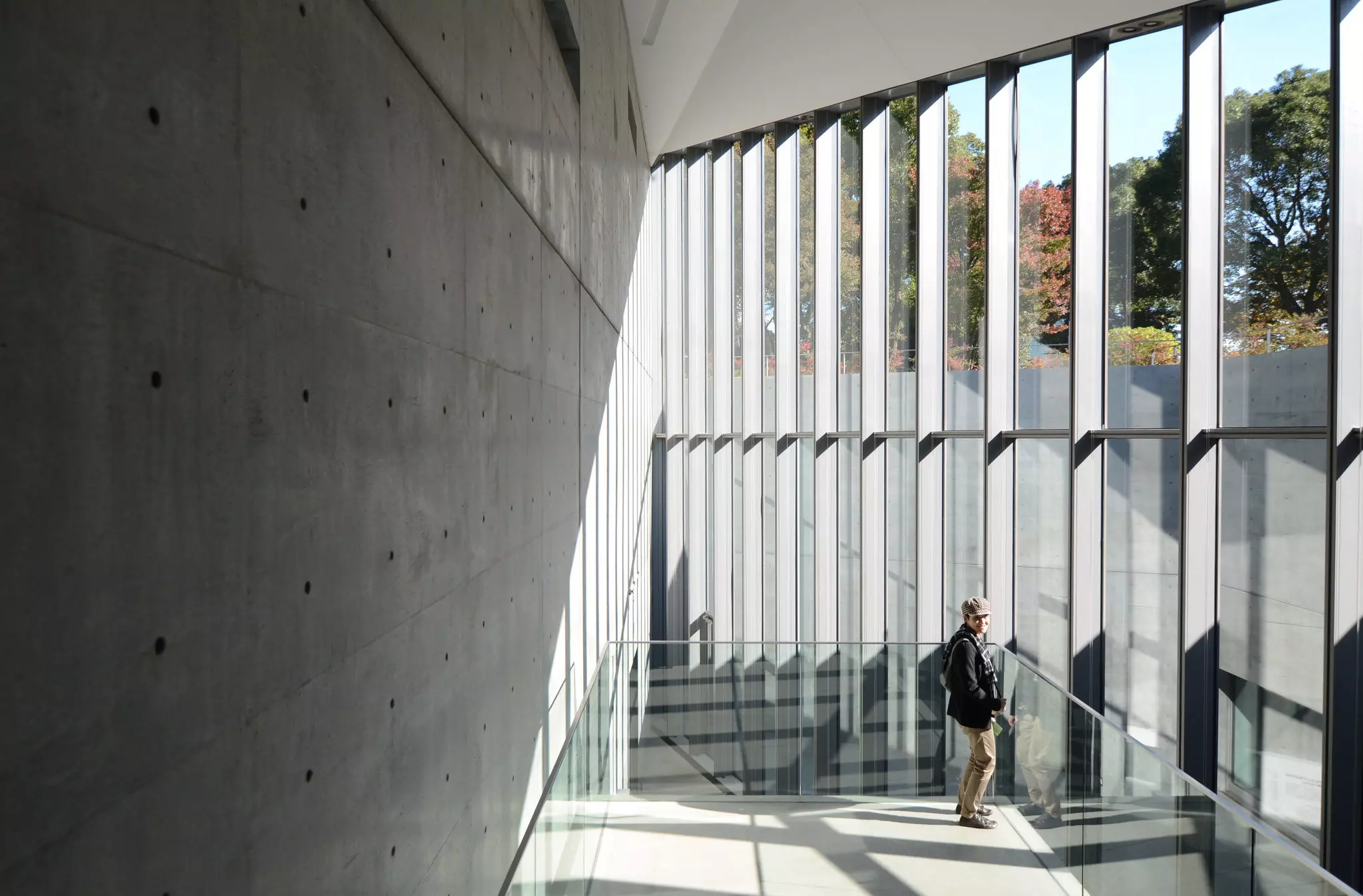 The modernist interiors of 21_21 Design Sight in Tokyo. Sira Anamwong/Shutterstock 6. 21_21 Design Sight
Best for design fans
With starchitect Tadao Ando and fashion designer Issey Miyake involved in the project, 21_21 Design Sight is a must-visit for architecture, fashion and design otaku (geeks). Nine architects from Japan have been recipients of the Pritzker Architecture Prize, the most of any country worldwide, and Ando is one of them.
At this innovative design space near Roppongi Station, exhibitions set out to fulfill the challenging brief of showing you something you’ve never thought of before, so visit the website to see what’s on when you come to Tokyo. The building alone is a work of art, with its sloping roof and underground halls; it complements the Midtown Garden greenery and simultaneously stands out with its concrete geometry.
Planning tip: In the same area is the National Art Center, Tokyo, a striking wave-shaped exhibition space designed by Kurokawa Kishō that has no permanent collection but hosts impressive visiting exhibitions. Check the website for upcoming events.
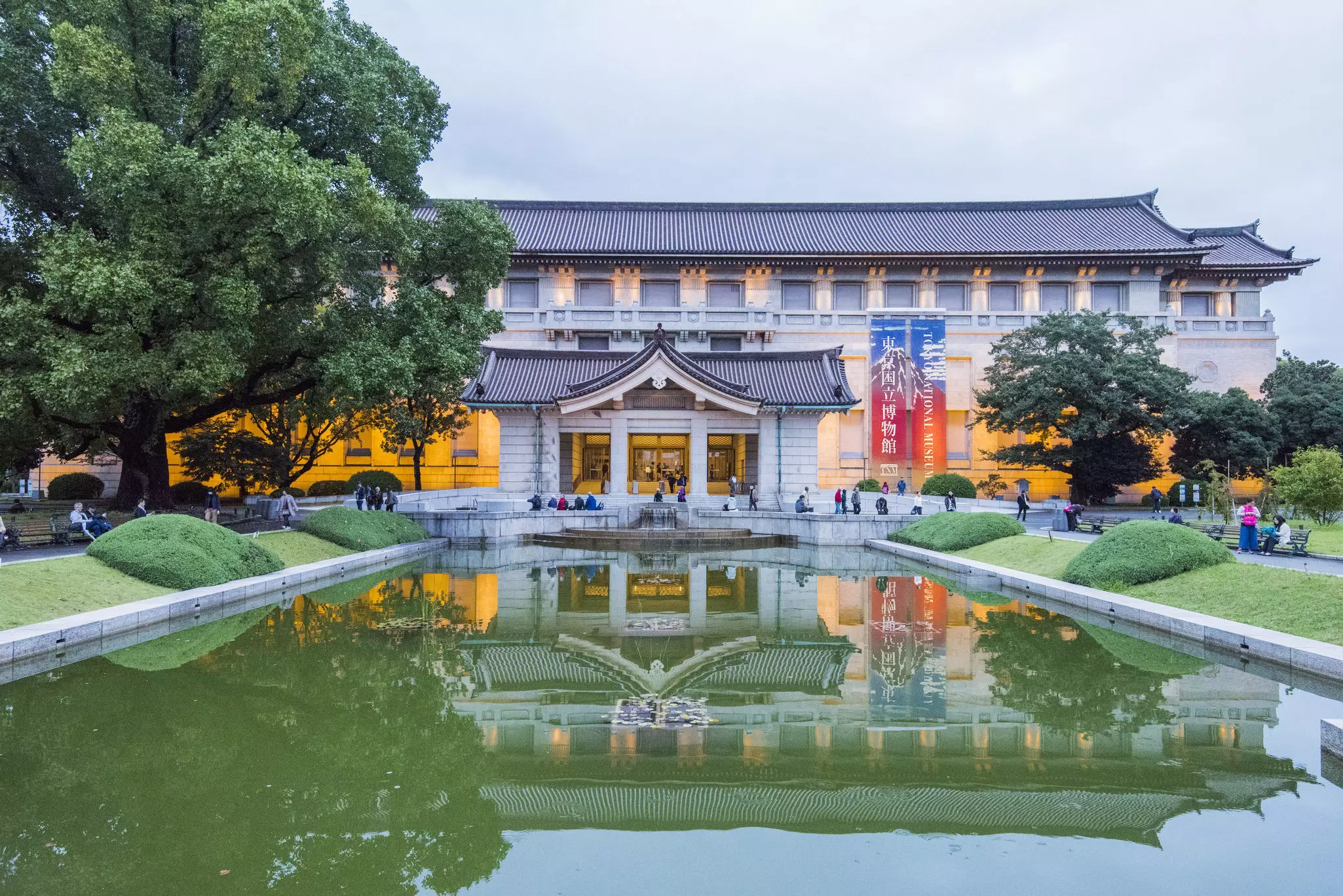 The distinctive frontage of the Tokyo National Museum. Mauro_Repossini/Getty Images 7. Tokyo National Museum
Best for first-time visitors to Japan
The Tokyo National Museum in Ueno Park is Japan’s first, oldest and largest museum, displaying more than 100,000 objects and works of art, hundreds of them recognized as national treasures. The collection covers practically every category – paintings, sculptures, calligraphy, architectural models, metalware, swords, pottery, archeological objects, you name it.
With a wealth of traditional Japanese cultural objects, such as antique kimono, samurai armor, calligraphy scrolls and ukiyo-e prints (mainly displayed in the Honkan building), it’s one of Tokyo’s best attractions, especially for first-time visitors to Japan.
Planning tip: Since most Tokyoites visit this landmark museum as schoolchildren, it’s often uncrowded and relaxed, with spacious exhibition halls spread over six buildings. In the five historic teahouses in the garden, you might even chance upon a haiku poetry gathering. The easiest way to get here is to walk from Ueno Station, a stop for the Tokyo Metro and the JR East rail network.
AloJapan.com