
1 / 5
Show Caption +
Hide Caption –
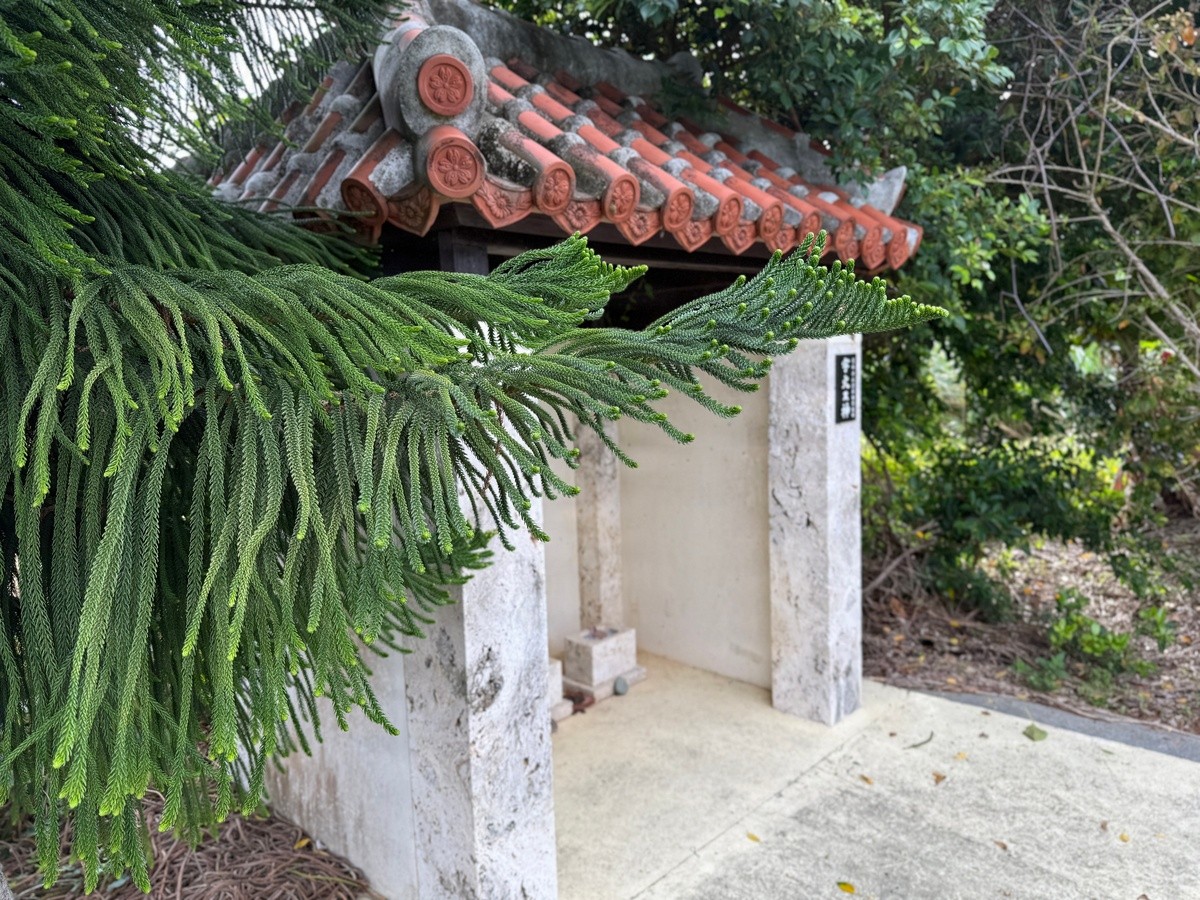
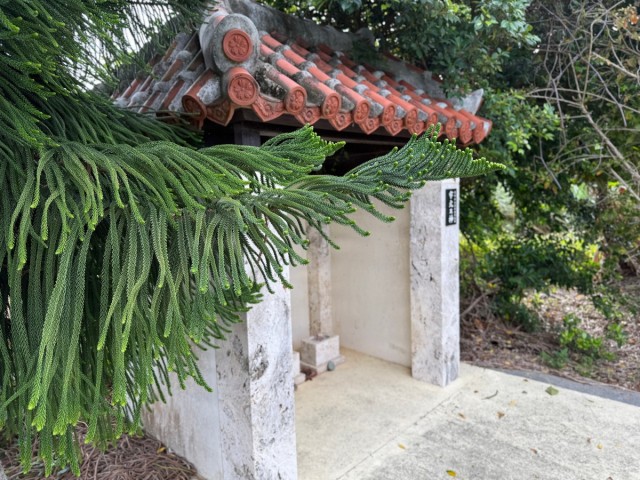
Hinukan, the God of Fire, is one of seven sacred sites, Utakis, on Torii Station, Okinawa, Japan. Torii Station is home to seven sites that are considered sacred by the local community. These spaces are deeply rooted in the traditions of the Okinawan culture and continue to hold spiritual and cultural importance today.
(Photo Credit: Natalie Stanley)
VIEW ORIGINAL
2 / 5
Show Caption +
Hide Caption –
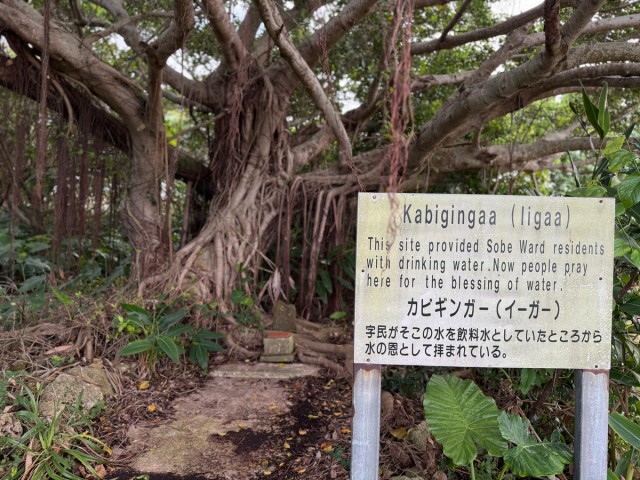
Kabigingaa is one of seven sacred sites, Utakis, on Torii Station, Okinawa, Japan. Torii Station is home to seven sites that are considered sacred by the local community. These spaces are deeply rooted in the traditions of the Okinawan culture and continue to hold spiritual and cultural importance today.
(Photo Credit: Natalie Stanley)
VIEW ORIGINAL
3 / 5
Show Caption +
Hide Caption –
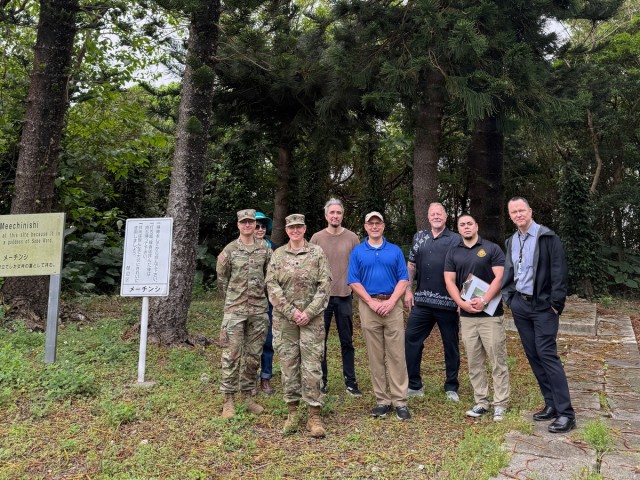
U.S. Army Garrison Okinawa leadership and team members pose during a hike through Torii Station on April 8 to learn about a unique and culturally significant aspect of the installation: seven sacred sites (Utakis).
(Photo Credit: Natalie Stanley)
VIEW ORIGINAL
4 / 5
Show Caption +
Hide Caption –
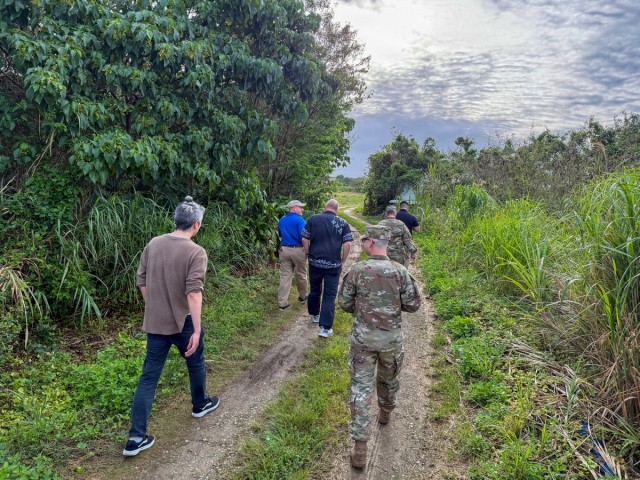
U.S. Army Garrison Okinawa leadership and team members trek through Torii Station on April 8 to learn about a unique and culturally significant aspect of the installation: seven sacred sites (Utakis). Torii Station is home to seven sites that are considered sacred by the local community. These spaces are deeply rooted in the traditions of the Okinawan culture and continue to hold spiritual and cultural importance today.
(Photo Credit: Natalie Stanley)
VIEW ORIGINAL
5 / 5
Show Caption +
Hide Caption –
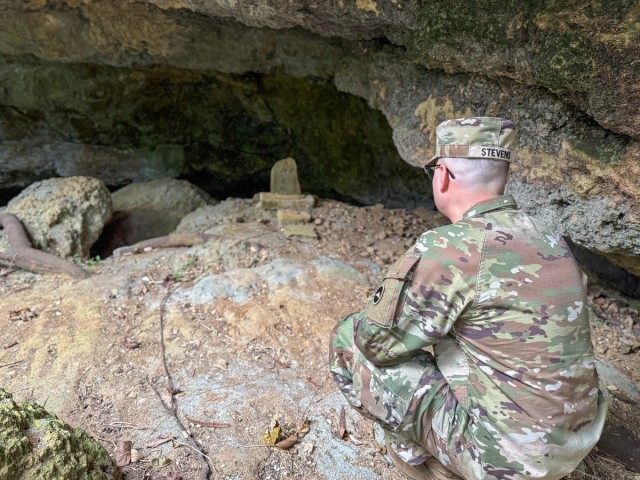
U.S. Army, Capt. Fox Stevens, Director of Emergency Services, observes a shrine at the Ukaa site, April 8, Okinawa, Japan. Ukaa is one of seven sacred sites, Utakis, on Torii Station, Okinawa, Japan. Torii Station is home to seven sites that are considered sacred by the local community. These spaces are deeply rooted in the traditions of the Okinawan culture and continue to hold spiritual and cultural importance today.
(Photo Credit: Natalie Stanley)
VIEW ORIGINAL
TORII STATION, Japan – U.S. Army Garrison Okinawa leadership and team members trekked through Torii Station on April 8 to learn about a unique and culturally significant aspect of the installation: seven sacred sites (Utakis).
“Torii Station is unique in that we have multiple sacred sites on the installation,” said Yoshua Andersson, a USAG Okinawa community relations specialist. “A lot of soldiers who are stationed here for years don’t even know about these sites. Many people pass by these locations without realizing their history or meaning.”
Torii Station is home to seven sites that are considered sacred by the local community. These spaces are deeply rooted in the traditions of the Okinawan culture and continue to hold spiritual and cultural importance today.
One of the most famous Utaki is the Kuragaa well. According to Akainuko legend, a red-haired dog found the spring during a drought and saved the village. Local farmers still use this well today to water their crops.
Found in quiet, natural areas marked by stones, trees, or simple altars, Utaki serve as places of prayer, reflection, and connection to ancestors.
“Families visit the sites annually, and it is a huge event for them. Grandparents, parents, kids and grandkids offer prayer for their health and prosperity for the year,” Andersson said.
“Going out today and being able to see the history and heritage of the region was amazing,” said Adam Negri, the USAG Okinawa deputy to the garrison commander. “Our team is amazing for putting this tour together and helping us understand the important cultural heritage on our site and its importance to the community.”
These sites are maintained through community efforts between the local community and the base population to ensure they are kept clean and well-marked. Out of respect for the local community and its traditions, these sites are protected and not intended for casual visitation.
AloJapan.com