
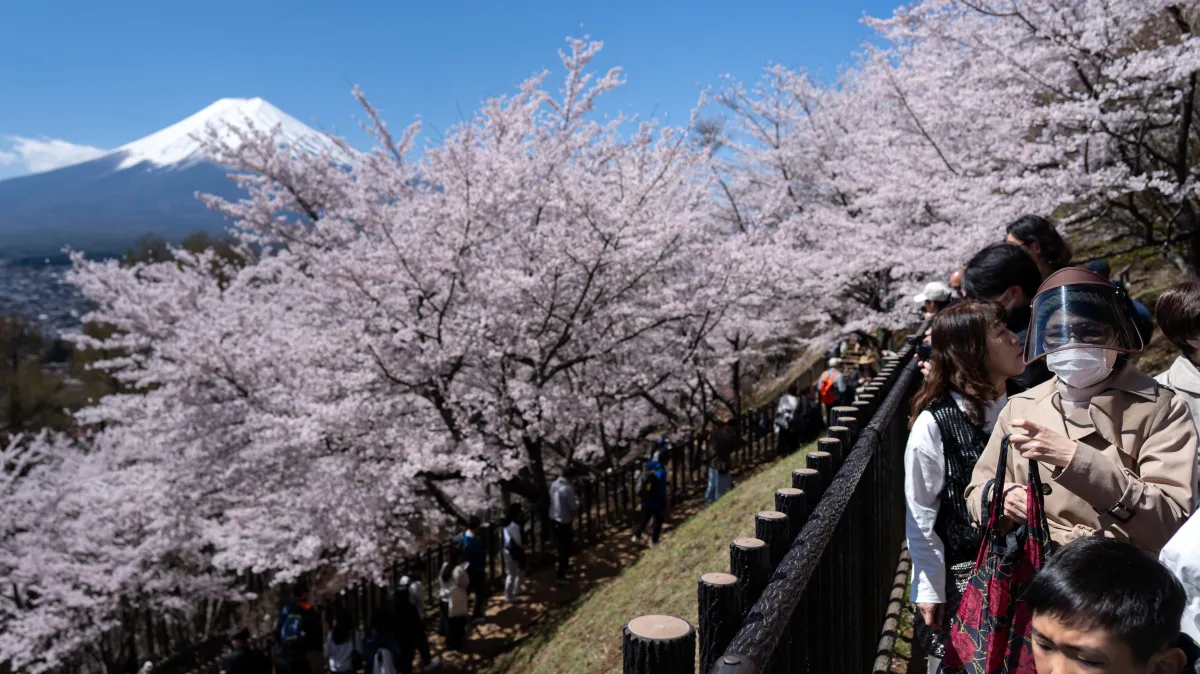
They are beloved emblems of the transience of beauty, and their annual appearance in early spring is the occasion for a nationwide festival of picnicking and celebration. But now Japan’s famous cherry blossoms are under threat from an alien invader that is literally devouring them from within.
Authorities across Japan are cutting down many of the famous cherry trees, or sakura, in an effort to prevent infection by Aromia bungii, the red-necked longhorn beetle, which is causing devastation as it spreads across the country.
Two hundred and thirty trees at 25 schools in the city of Kiryu, north of Tokyo, will be cut down to contain the pest, whose larvae kill by eating the inside of the trunk and causing a loss of bark.
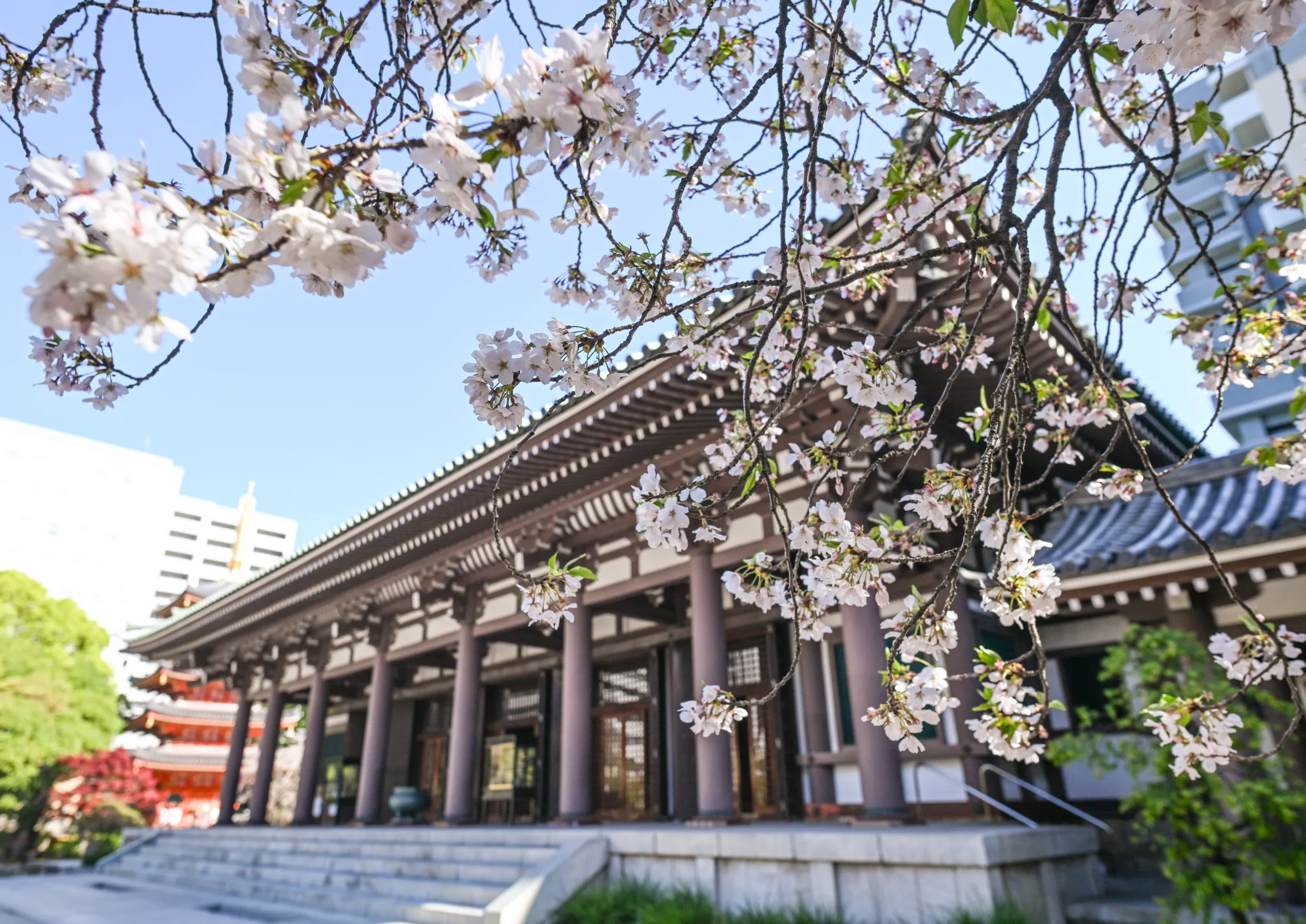 The Tochoji Temple framed by blooming cherry blossoms in Fukuoka. The season is highly anticipated throughout JapanArtur Widak/Anadolu/Getty Images
Just ten insects can be enough to kill a sakura. They also attack peach and persimmon trees, as well as the ume, or plum tree, whose blossoming, a month earlier than the cherries, is also celebrated.
Part of the threat is that Aromia bungii reproduces so quickly. Akira Kobayashi, a board member of Japan Tree Doctors’ Association, told Yomiuri television: “Female insects lay some tens to hundreds of eggs, it is said. So its reproductive activity is extremely high. Sometimes they lay 1,000 eggs.”
Japan is in the middle of a two-month-long period when the pink cherry blossoms bloom across the country’s parks and gardens from south to north, drawing crowds of people to eat, drink and sing at hanami, “flower viewing” parties.
The red-necked longhorn beetle was first detected in central Japan in 2012, where it is believed to have arrived in imported timber products from China and South Korea. In recent years, it has spread to 17 of Japan’s 47 prefectures.
“Japan is utopia for red-neck longhorn beetle,” said Kobayashi. “We know that they are gradually expanding the habitat. They are difficult to eradicate, so we have to keep exterminating them.”
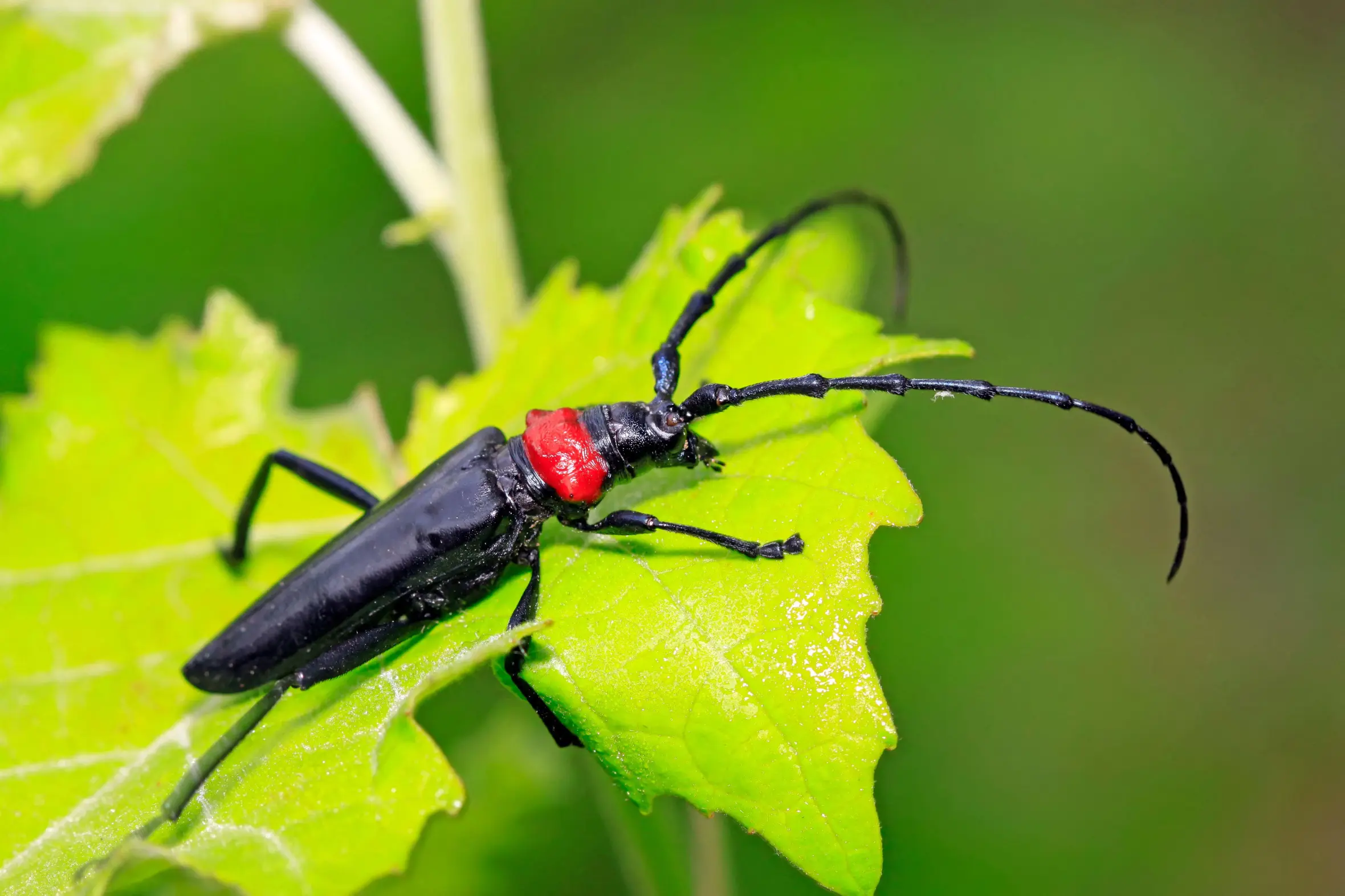 A red-necked longhorn beetleAlamy
Experts have warned that in the worst case, cherry trees could be wiped out in three decades. But if the insects are detected early, they can be saved.
In the town of Yamatotakada in central Japan, the red-necked longhorn beetle was found in 150 trees in a famous row of 450, which are more than 70-years-old.
The telltale sign is “frass”, a mixture of larval faeces and wood fragments that indicate the presence of the cherry killer. The local Yamatotakada government spent 5.7 million yen (£27,000) in 2024 to inject chemicals and successfully exterminated the grubs.
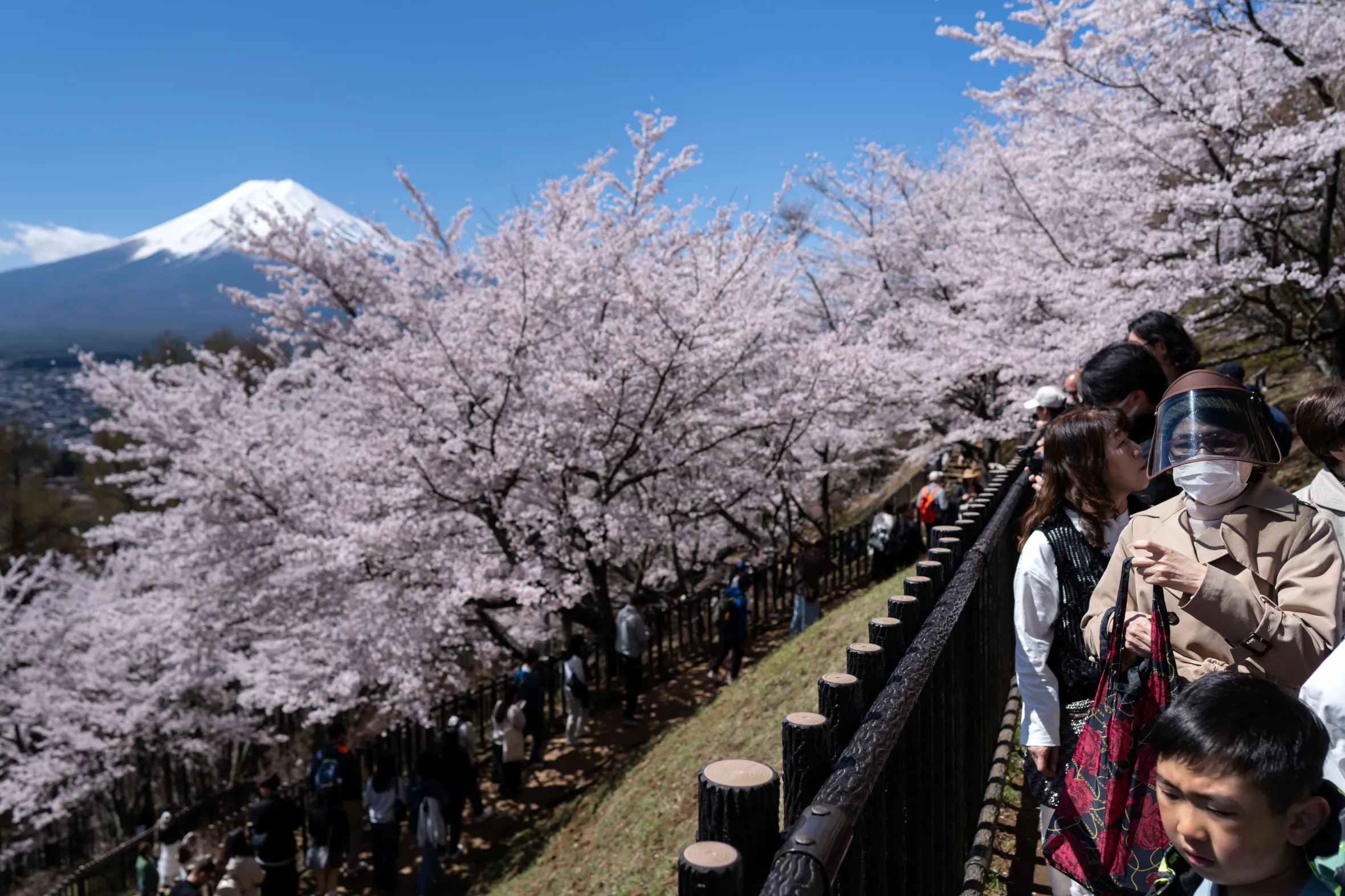 Tourists arrive in huge numbers every year to experience the explosion of pink and white bloomsTOMOHIRO OHSUMI/GETTY IMAGES
One suburb of Tokyo, Akiruno, has appealed to vigilant citizens to report frass sightings on their smartphones via a QR code. Oyama in Tochigi prefecture pays a bounty of 500 yen for every ten red longhorn beetle corpses.
No flower in the world is anticipated with as much excitement as the sakura, or flowering cherry. The blooms are a symbol of spring, an inspiration to poetry, and a marker of the new academic and financial year.
There are other threats. The most popular cherry variety, called Somei-Yoshino, is vulnerable to a disease called witch’s broom, which disfigures the trees and prevents them from flowering.
The sakura also face the menace of climate change, which is making the once reliable period of blooming unpredictable, to the detriment of tourist businesses. Average temperatures across Japan have gone up by 1.3 C over the course of one hundred years.
Since 1963, according to the Japan Meteorological Agency, the average date of blooming has arrived earlier by 1.2 days every ten years. Since 2020, and especially in Tokyo, the trend has become more pronounced than ever.
This year, the cherries bloomed in Tokyo on March 19, five days earlier than the average. In past years, it has been even earlier, and travel agencies faced mass cancellations of flower-viewing tours which had been scheduled to take place after the last petals had already fallen to earth.
AloJapan.com