
 5 min read
I have often said that I can perfect a home, but I cannot perfect a garden. The fixtures and furnishings I choose may remain the same across seasons or years, but a garden is forever mutable, always changing. It is the slowest of the performing arts.
So last spring, when I joined the Garden Conservancy’s nine-day tour of Japan, the level of perfection I encountered astounded me. We explored city parks and courtyard spaces, rock-garden artistry and a contemporary network of flower beds planted with cosmos and ageratum. I walked through a bamboo forest, where bright green stalks reach up to 70 feet tall, making me feel as if I’d landed in that scene from The Wizard of Oz when Dorothy and her friends first arrive in the Emerald City.
Many of the gardens were immaculately pruned. I could take a photo from any vantage point, and the angle would be flawless. Perfect.
 MURA//Getty Images
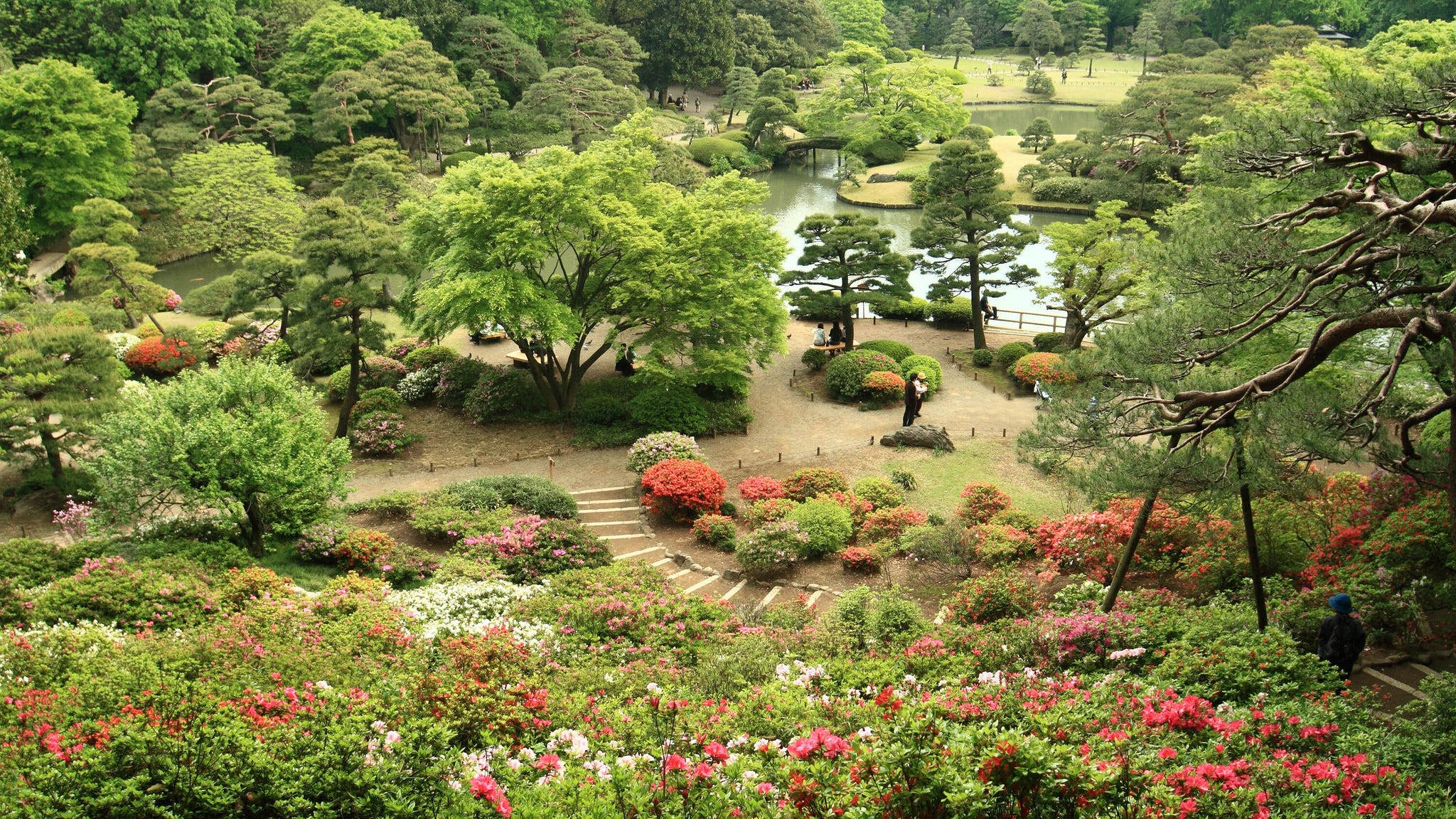
An Edo period design with a central pond and abundant azalea bushes at Tokyo’s Rikugien Gardens.
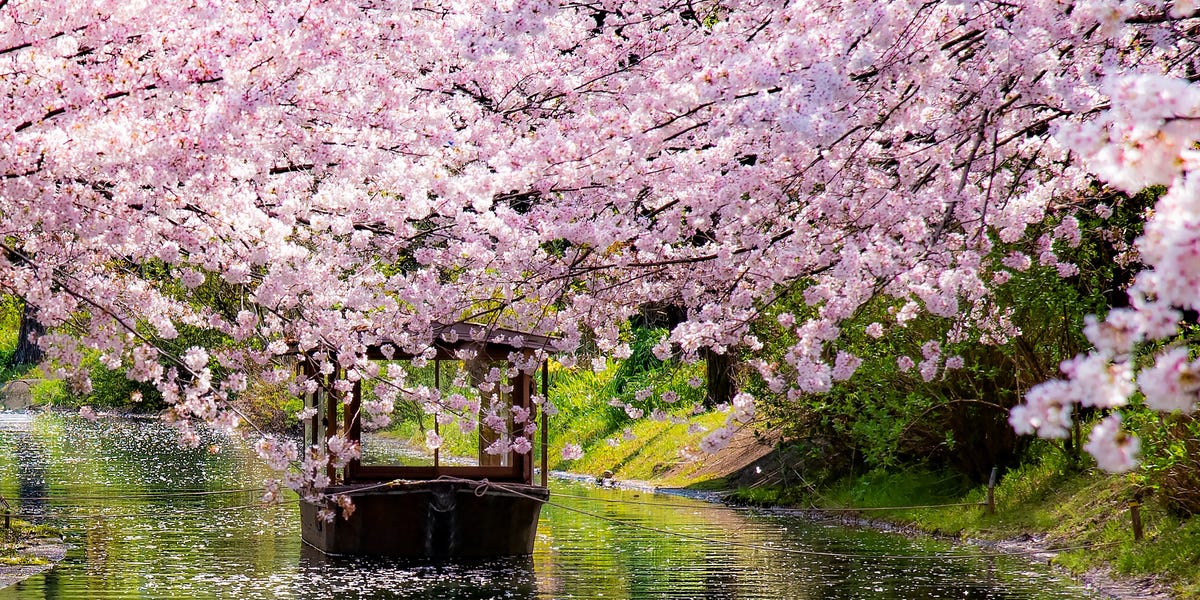
I have always been taken with Japanese garden design. I’d seen intriguing interpretations at the botanical gardens in St. Louis and New York, but I longed to experience a true Japanese garden—one that doesn’t have to squeeze all the clichés into a single tableau (the zigzag bridges, the sunken ponds with darts of orange koi). And Japan is loaded with Yoshino cherry trees that would be in full blossom during our visit.
There are 19 of us on the trip—some passionate gardeners like me (I’m also a board member), others simply interested in seeing pretty things. At first, I, too, am content just observing beauty. Walking the paths of Edo period gardens in Tokyo—Hamarikyu, often referred to as Tokyo’s Central Park for its sense of freedom in a city otherwise packed with people and buildings; and Rikugien, a nearly 25-acre strolling garden designed to interpret the principles of waka poetry—I marvel at the bridges and teahouses and layered canopies of black pines. We meet bonsai master Kunio Kobayashi, who gently explains the styles of his art form—from Shakan (slanting trees) to Fukinagashi (windswept)—and the philosophy behind it. Growing and shaping the miniature trees hones patience, balance, and harmony with nature, he tells us. I think of summer days in my own East Hampton garden, and how they have yielded similar virtues.
 Getty Images
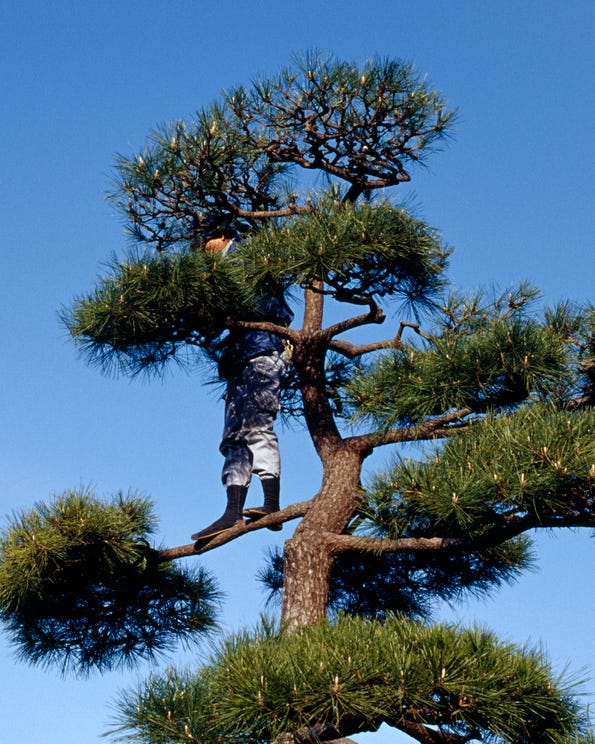
A gardener prunes one of the plentiful pines at Tokyo’s Rikugien Garden.
As we journey further down Honshu Island, our conversation frequently turns to the range of plant species. How we, as tourists, are easily able to name the plants we encounter: firs, weeping willows, camellias, rhododendrons, azaleas. There are few surprises. I contrast this with my visits to Kew Gardens in London, where I barely recognize anything.
But I am also noticing something else: the way wires twist into branches to train them this way or that; the trees pruned to mystifying effect, needles plucked seemingly one by one. There are even elaborate crutches holding up limbs weakened by heft and age, keeping trees alive far beyond their natural life span (some are 500-plus years old!).
I suppose we all bend nature to some degree. But this level of taming it, coaxing trees and shrubs to the will of our preferred aesthetic, is something I’ve seen before—and once I notice it, I can’t escape the similarities. It reminds me of French gardens. I realize I am marveling at the artistry of a meticulously clipped fir tree and raked sand that ripples like water the same way I delight in a boxwood maze in the pattern of a fleur-de-lis or espaliered apple trees stretching across a garden wall. The elements of both styles of gardens are coddled and pruned and propped. I again contrast this with the blousy abundance of English designs, the domains of plantsmen and collectors who seem to ask, “What will nature provide?” and “What will nature do?”
 Tamer Alkis//Getty Images
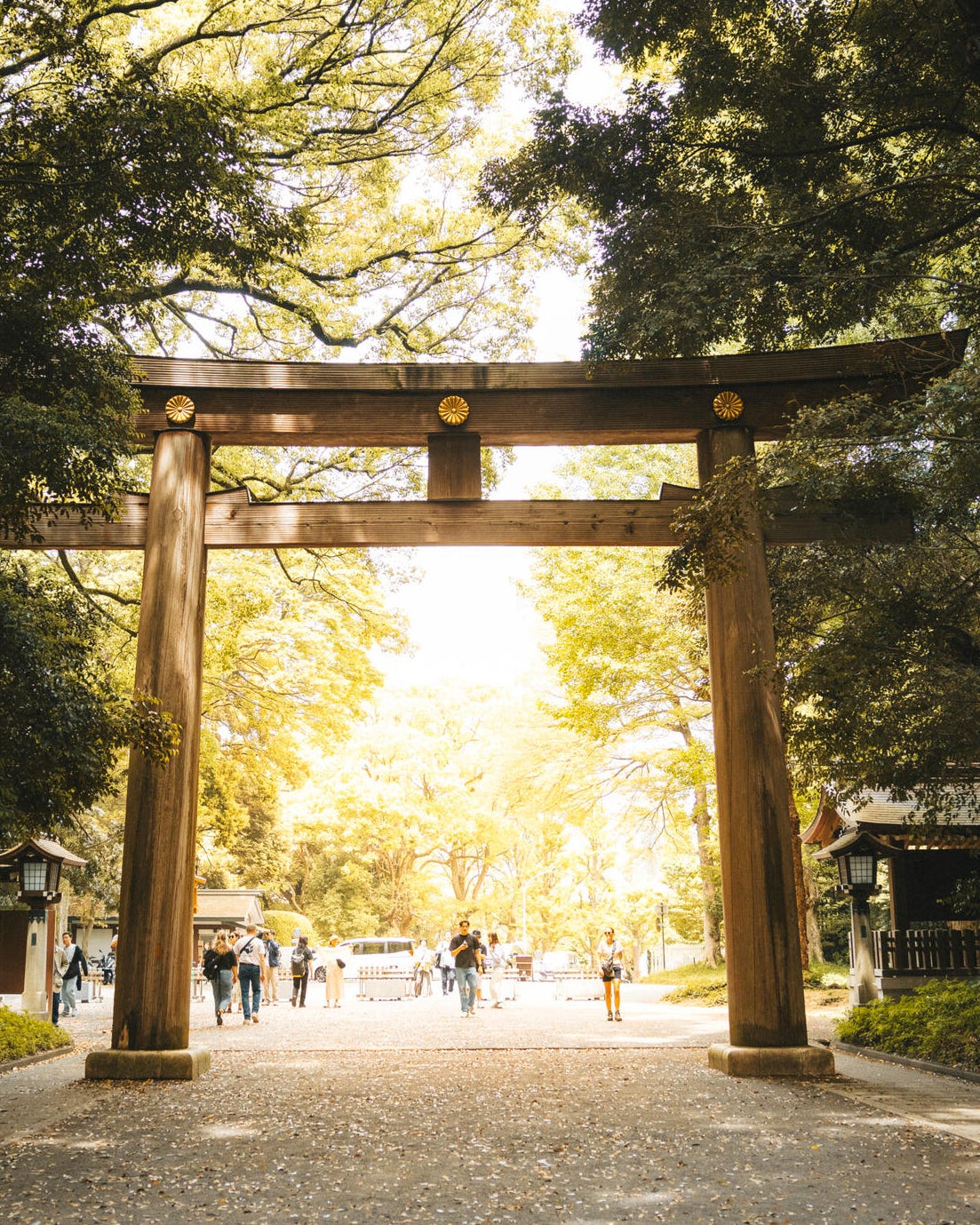
The torii gate at Tokyo’s Meiji Jingu shrine.
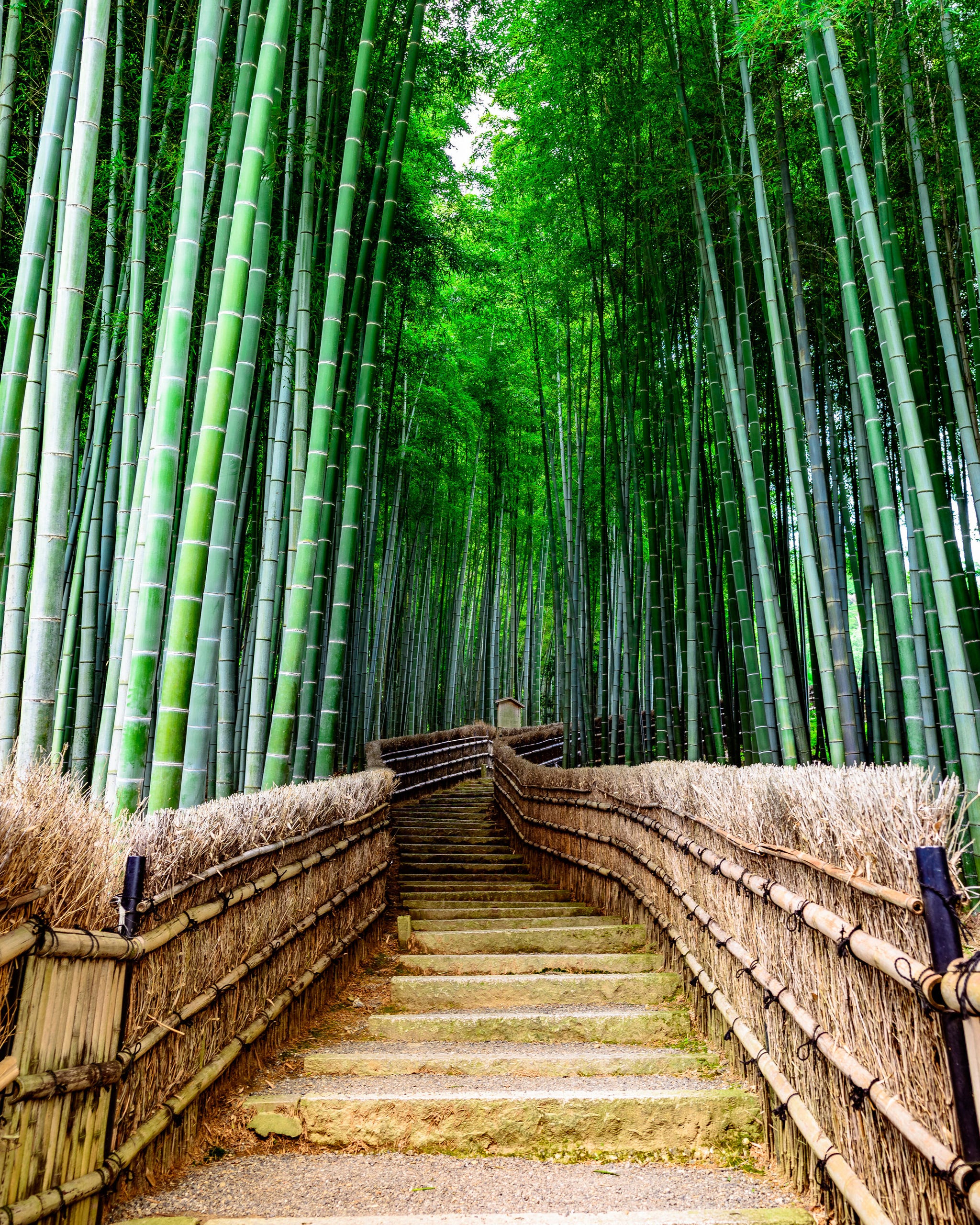 Bee32//Getty Images
Sagano Bamboo Forest is an auditory delight, with sounds of stalks knocking against each other in the breeze.
Nearly all of the gardens we visit are either Shinto or Buddhist. The former is the country’s original ancient religion, and examples of Shinto-style gardens are dotted all over Japan. These have a torii gate (an entrance consisting of two pillars and two crossbars) and a shrine and altars within. At Tokyo’s famed Meiji Jingu Shinto shrine, for example, visitors seem to arrive with a specific purpose. I observe a young woman dressed in traditional kimono garb hurriedly approach the altar, make an offering, and leave just as quickly. I’m told she is likely asking for some measure of help from her ancestors—just as elders are deeply respected, deceased relatives become divine protectors.
The Buddhist gardens do not seem to draw supplication. These temples are quiet. In Kyoto’s Ginkaku-ji and Zuiho-in, I feel like I’m in an American library. And I am flooded with a sense of peace as I sit and contemplate what’s been created in these Zen gardens, comprised of raked rock or sand. How do they get the gravel to mimic the movement of water? What do the concentric circles represent?
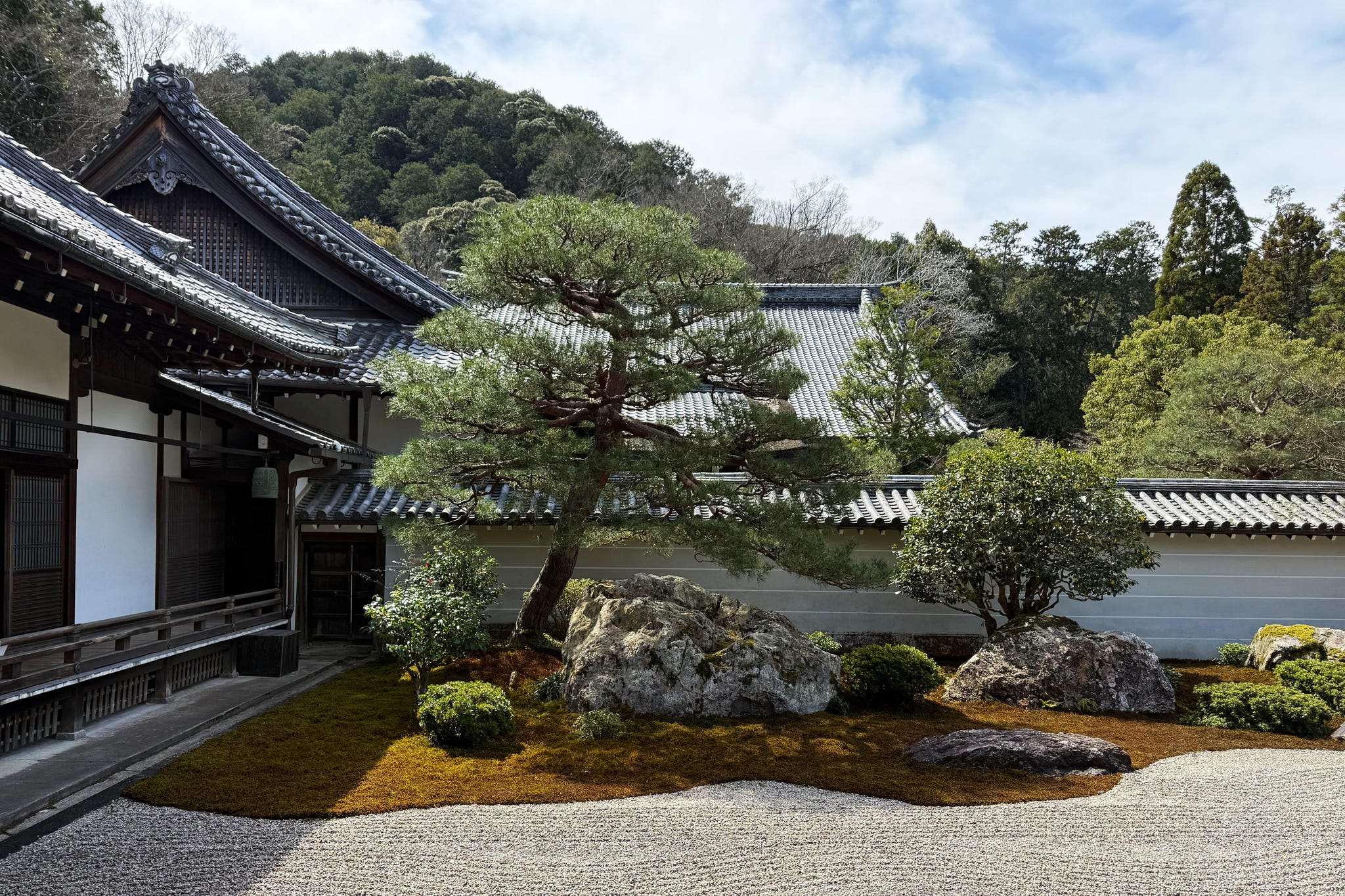 John Marshall Watson
Ryoan-ji Temple’s dry landscape, or Zen garden, is among the finest in Kyoto, dating to the late 1400s.
These designs are meant to bring visitors into the moment, which feels like such a rarity in today’s world. The idea is that trials and tribulations flow out of you.
The more gardens I visit, the more I understand a key difference between French and Japanese design and their relationships to perfection. We can imagine Louis XIV dazzling visitors at Versailles with his control over nature. The goal is delight and awe. But I believe the Japanese set out to emulate nature at its most transcendent state. Through control and skill, they seek to create a level of harmony and perfection that instills a sense of peace, a connection with nature. We can shift from visitors to participants.
As an interior designer, I love control—my rooms are thoughtful and classic, prioritizing balance and harmony. But after all the years I’ve spent toiling in the soil, gardens have made me a humble person. I have learned that, in fact, I have no control. What happens is simply the growing process.
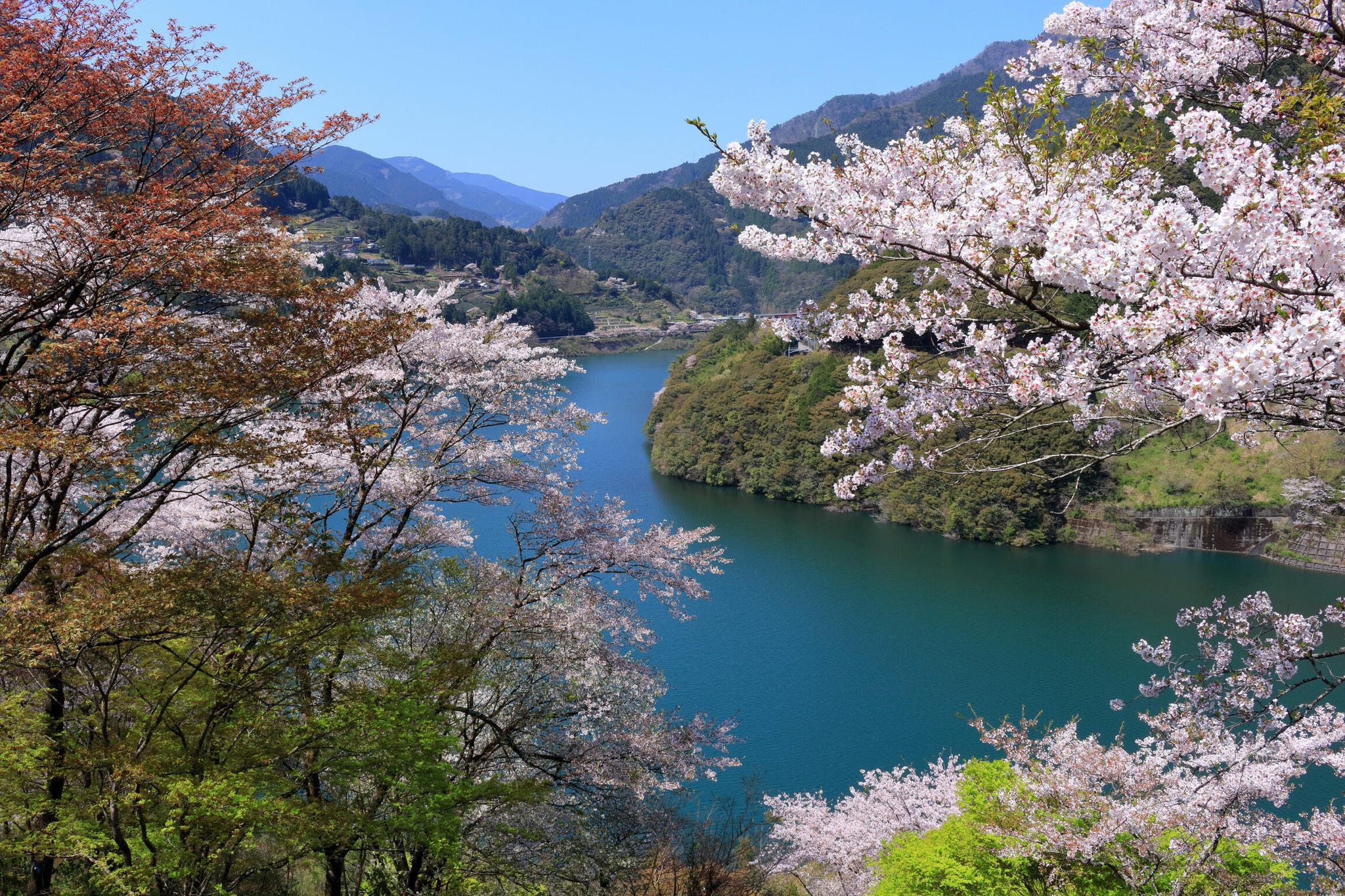 Getty Images
Cherry trees in flower on Shikoku Island.
I love the surprise of a bloom on a clematis that I planted 10 years ago. These tender moments feed me. And while my garden will never be perfect—nor do I strive for it to be—the experience sent me home with some meaningful lessons. For instance, I can be fearless in pruning; these gardeners are not gentle with their trees, but they are respectful. The Japanese revere age in their plants.
I think more about the Shinto religion, particularly its belief that older trees have spirits, that they hold some level of intelligence and wisdom. Perhaps the reverence the Japanese have for their elders extends to their plants, hence the care they take with aging trees—the inclination not to lop off limbs but instead nurture life, help sustain it.
Back in New York, I think of longevity in my own garden, how I can keep my trees longer. And that age is, of course, its own form of perfection.
Become a VERANDA Design Society Member Credit: Carmel Brantley for VERANDA
This article originally appeared in the May/June 2026 issue of VERANDA.
AloJapan.com